

`rocket-design` Related Article Results
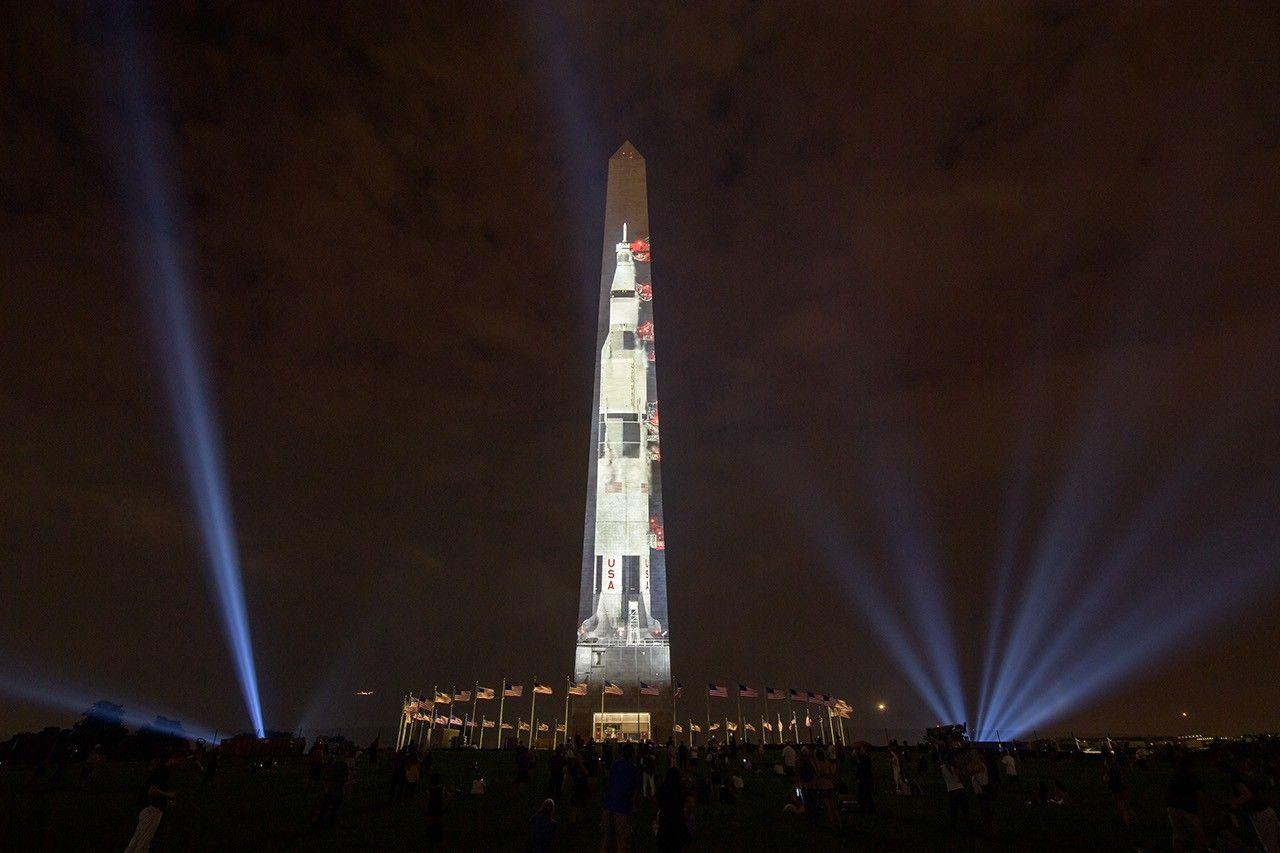
Saturn V
Saturn V is a three-stage launch vehicle developed by NASA, the United States' space research agency, for use in the Apollo and Skylab programs. It was operational between 1967 and 1973 and launched a total of 13 times. The rocket was designed to enable human lunar missions and has become one of the most powerful rockets ever used in human spaceflight history. Its design, payload capacity, mission profile, and technical infrastructure represent a significant milestone in the development of space
EN
Osman Özbay
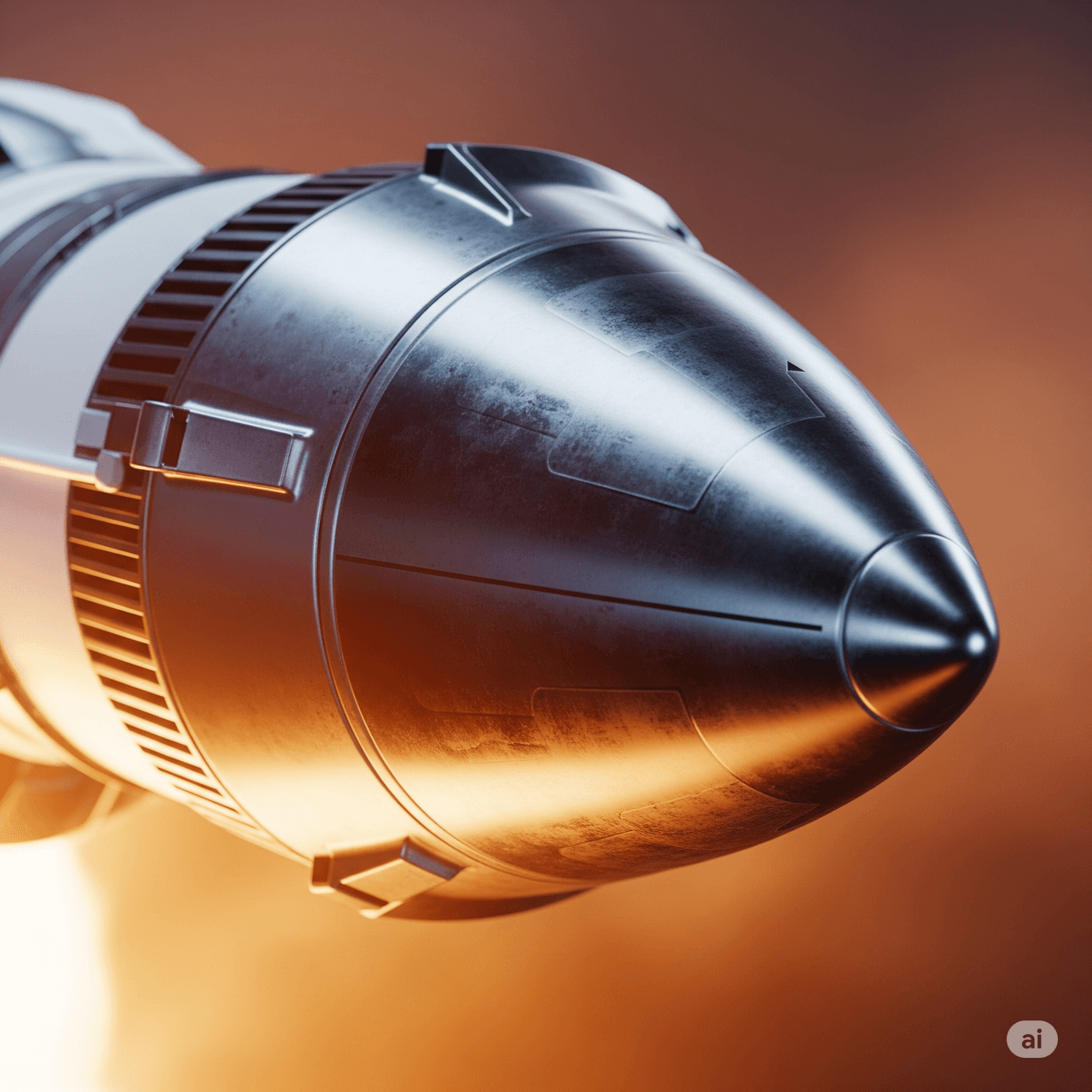
Nose Cone Types in Rockets
In rocket systems, the nose cone plays a decisive role in aerodynamic performance because it is the first structure to interact with the atmosphere. This component supports the rocket’s acceleration by reducing air resistance and friction forces, particularly at high speeds; at low speeds, it contributes to stability. Different nose cone designs optimized for the rocket’s mission profile—whether subsonic, transonic, supersonic, or hypersonic speed regimes—are used to maximize vehicle performance
EN
Şahin Soylu