

`renaissance` Related Article Results
 Bo
BoBorgia (TV Series)
Borgia is a historical drama series written by American screenwriter and producer Tom Fontana and aired between 2011 and 2014. Produced as a joint venture by leading European broadcasters including France (Canal+), Germany (ZDF), Austria (ORF), and Italy (Sky Italia), the series has drawn attention for its high production quality and historical depth. Filmed in English and designed for an international audience, the series consists of three seasons and a total of 38 episodes, centering on the co
EN
Ahmet Burak Taner
MeMedici: Masters of Florence (Series)
Medici: Masters of Florence is a historical drama series created by Frank Spotnitz and Nicholas Meyer, broadcast between 2016 and 2019. The production premiered on Italy’s Rai 1 channel and later reached a global audience through various international digital platforms. The series explores the economic, political and cultural influence of the Medici family, a pivotal force in European history. Blending visual narratives of Italian architecture, art history and political intrigue, it is recognize
EN
Ahmet Burak Taner
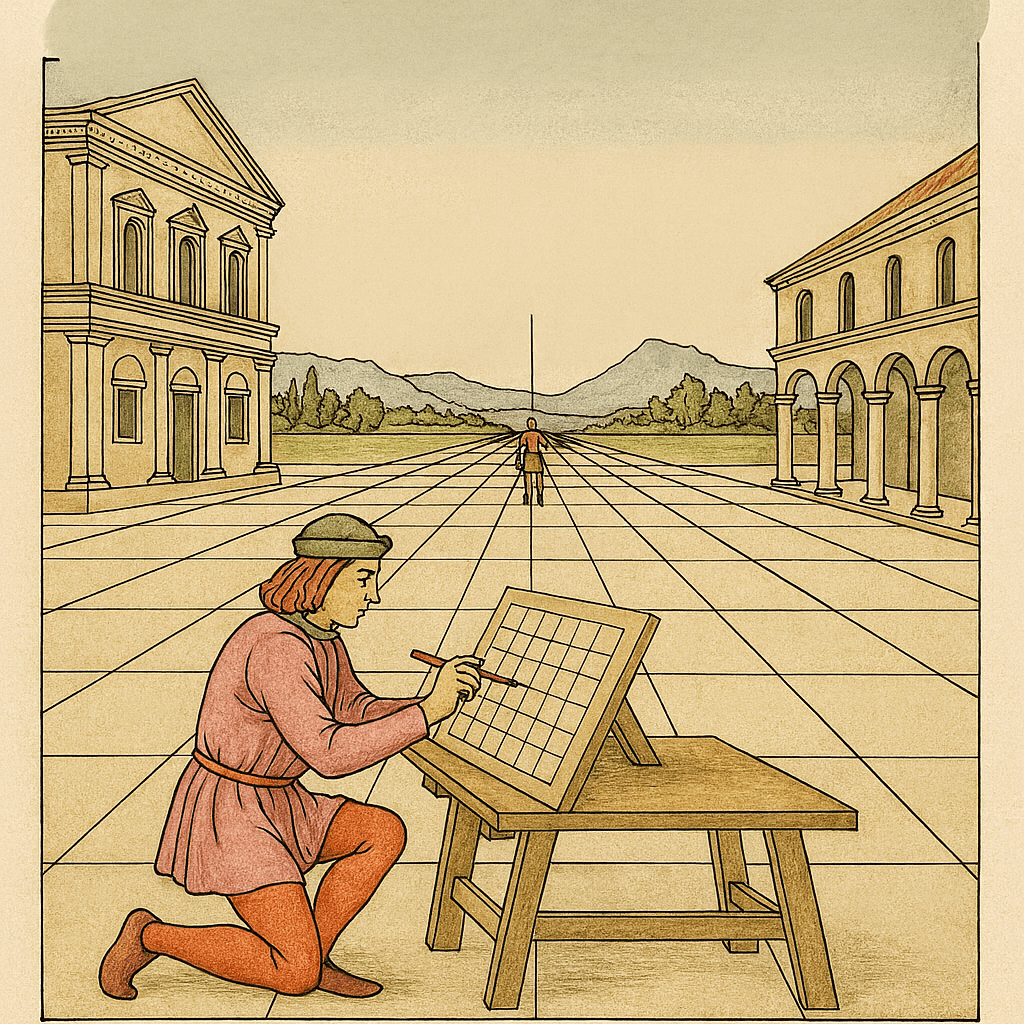
Perspective in the Renaissance
In the Renaissance, perspective was an artistic method developed through observation and systematized with mathematical formulas to create the illusion of three-dimensional space on a two-dimensional surface. This technique was based on the principle that parallel lines converge at one or more points on the horizon line in the viewer’s line of sight. Perspective was not only a visual arrangement method but also an intellectual revolution that changed humanity’s perception of the world. For the a
EN
Ahsen Buyurkan
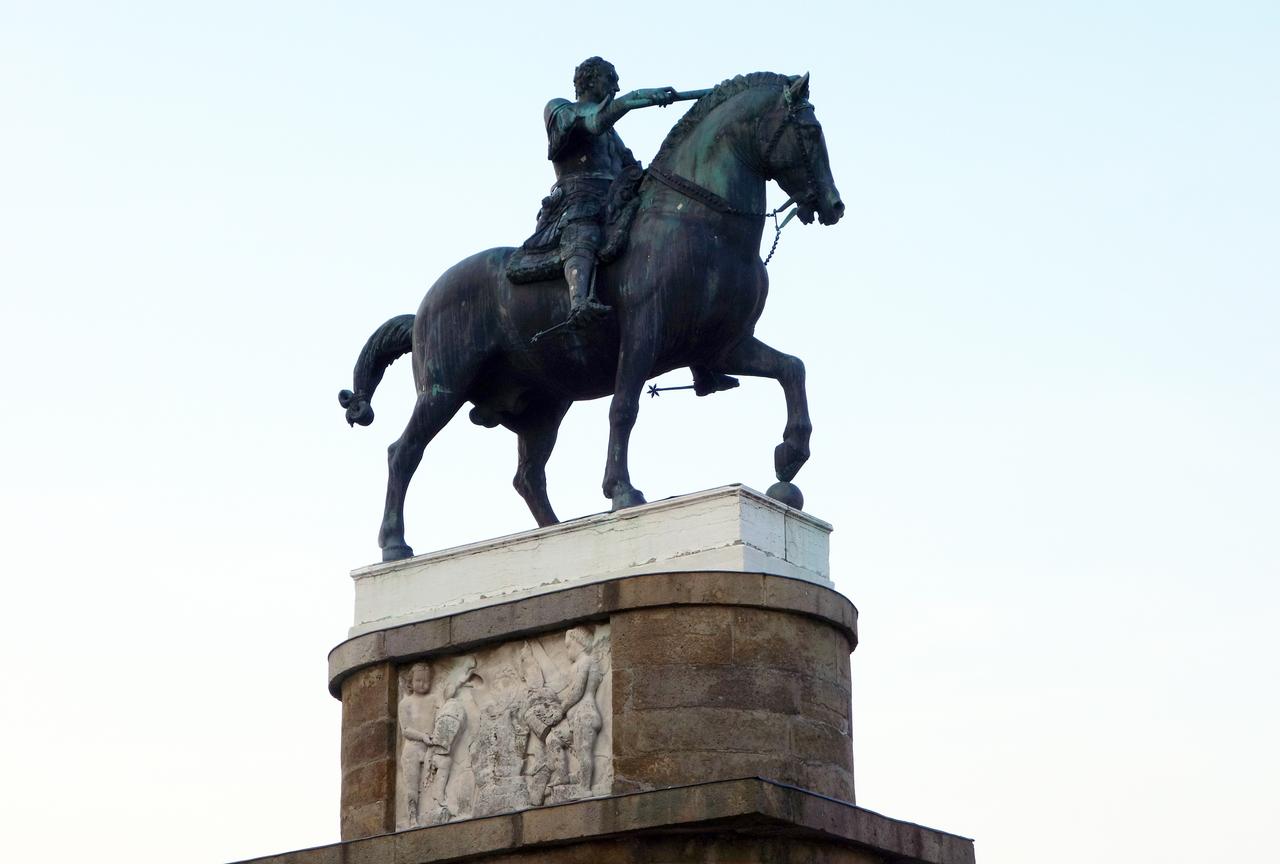
Equestrian Statue of Gattamelata
The Equestrian Statue of Gattamelata is a monument created by the Florentine sculptor Donatello between 1446 and 1453 in Padua, using bronze, trachyte, and Istrian stone. The work is one of the most important public sculptures of 15th-century Renaissance Italy. Standing 12 feet high, this equestrian statue is located in front of the Basilica of Saint Anthony in Padua and depicts the famous condottiero Erasmo da Narni, also known as Gattamelata, who fought on behalf of the Republic of Venice. The
ENAhsen Buyurkan
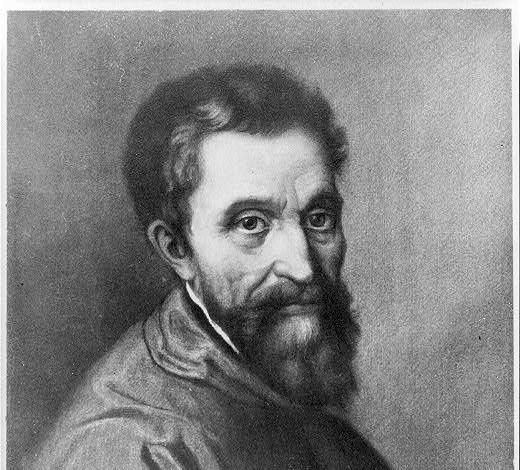
Michelangelo Buonarroti
Michelangelo di Lodovico Buonarroti Simoni (1475–1564) was an Italian sculptor, painter, and architect who worked during the Renaissance period. He is best known for his statue of David and the frescoes of the Sistine Chapel. Michelangelo was one of the most important artists of the High Renaissance in Italy. He produced work in various disciplines such as sculpture, painting, architecture, poetry, and drawing, and was referred to by his contemporaries as “il Divino” (The Divine One). Art histor
ENAhsen Buyurkan
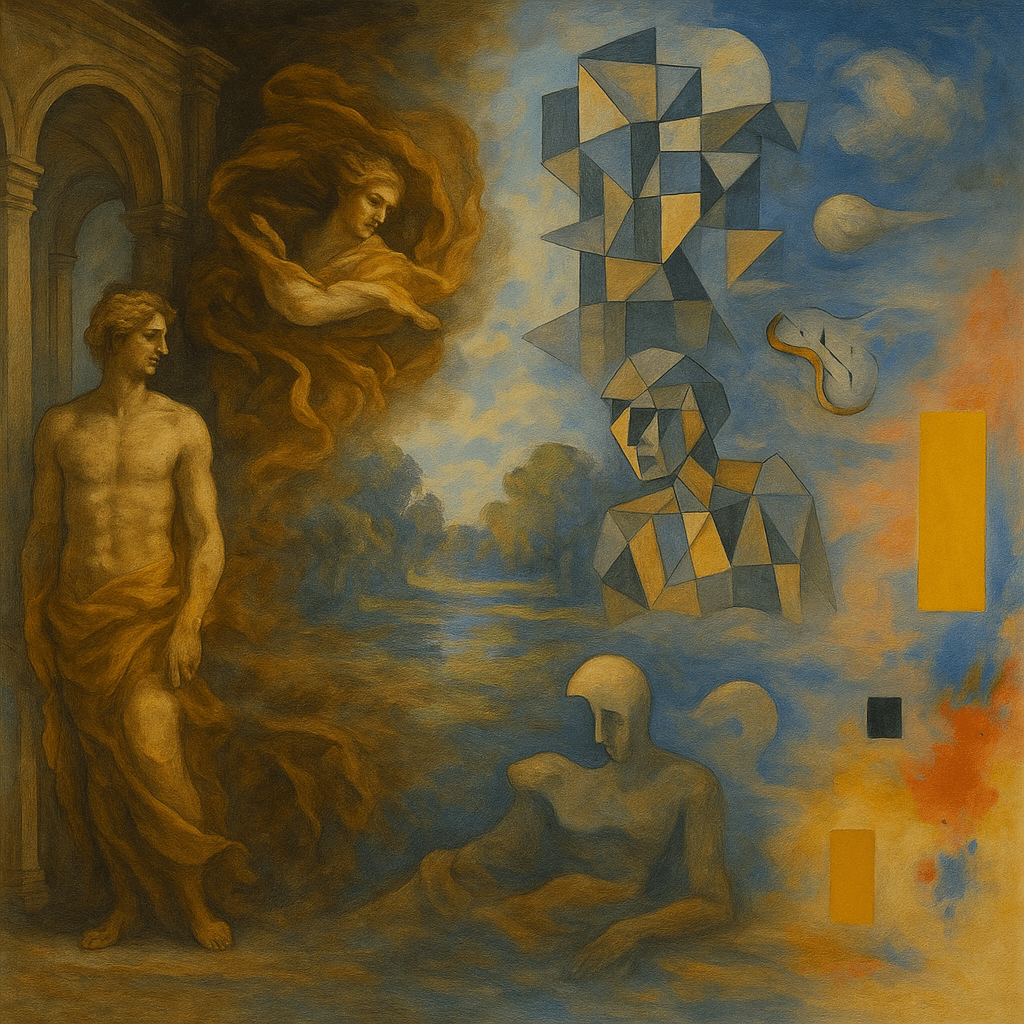
Art Movements
An art movement is defined as a group of artists who come together around a shared artistic understanding, aesthetic values, techniques, and intellectual foundations within a specific historical period. These movements provide the foundation for the development of painting, sculpture, architecture, literature, music, and other art forms in a particular direction. Art movements reflect the social structure, cultural conditions, political orientations, and philosophical ideas of their time; theref
EN
Ömer Said Aydın
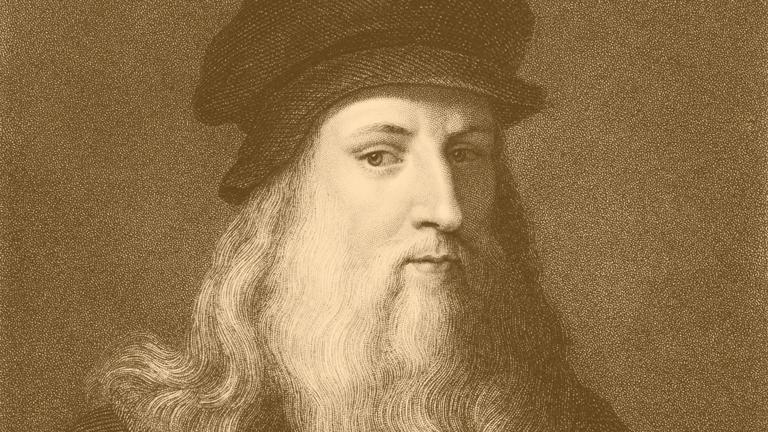
Leonardo da Vinci
Leonardo da Vinci is a multifaceted figure of the Italian Renaissance who made contributions in the fields of art, science, engineering, and natural studies. Known as a painter, sculptor, engineer, anatomist, architect, mathematician, musician, and inventor, Leonardo combined his curiosity about the workings of nature with an observation-based scientific method. Thanks to this interdisciplinary approach, he became a pivotal figure in both art and science and is regarded as one of the strongest r
ENAhsen Buyurkan
BoBorgia (TV Series)
Borgia is a historical drama series written by American screenwriter and producer Tom Fontana and aired between 2011 and 2014. Produced as a joint venture by leading European broadcasters including France (Canal+), Germany (ZDF), Austria (ORF), and Italy (Sky Italia), the series attracted attention for its high production quality and historical depth. Filmed in English and designed for an international audience, the series consists of three seasons and a total of 38 episodes, centering on the co
ENAhmet Burak Taner
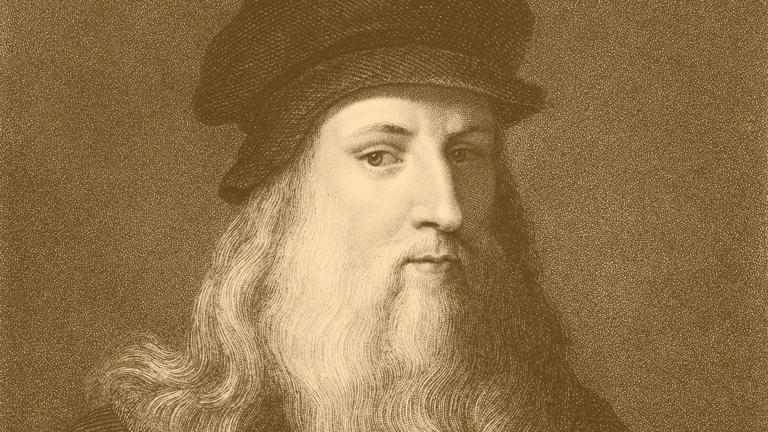
Leonardo da Vinci
Leonardo da Vinci is a multifaceted figure of the Italian Renaissance who made contributions in the fields of art, science, engineering, and natural studies. Known as a painter, sculptor, engineer, anatomist, architect, mathematician, musician, and inventor, Leonardo combined his curiosity about the workings of nature with an empirical scientific method. Thanks to this interdisciplinary approach, he became a pivotal figure in both art and science and is regarded as one of the strongest represent
EN
Ahsen Buyurkan
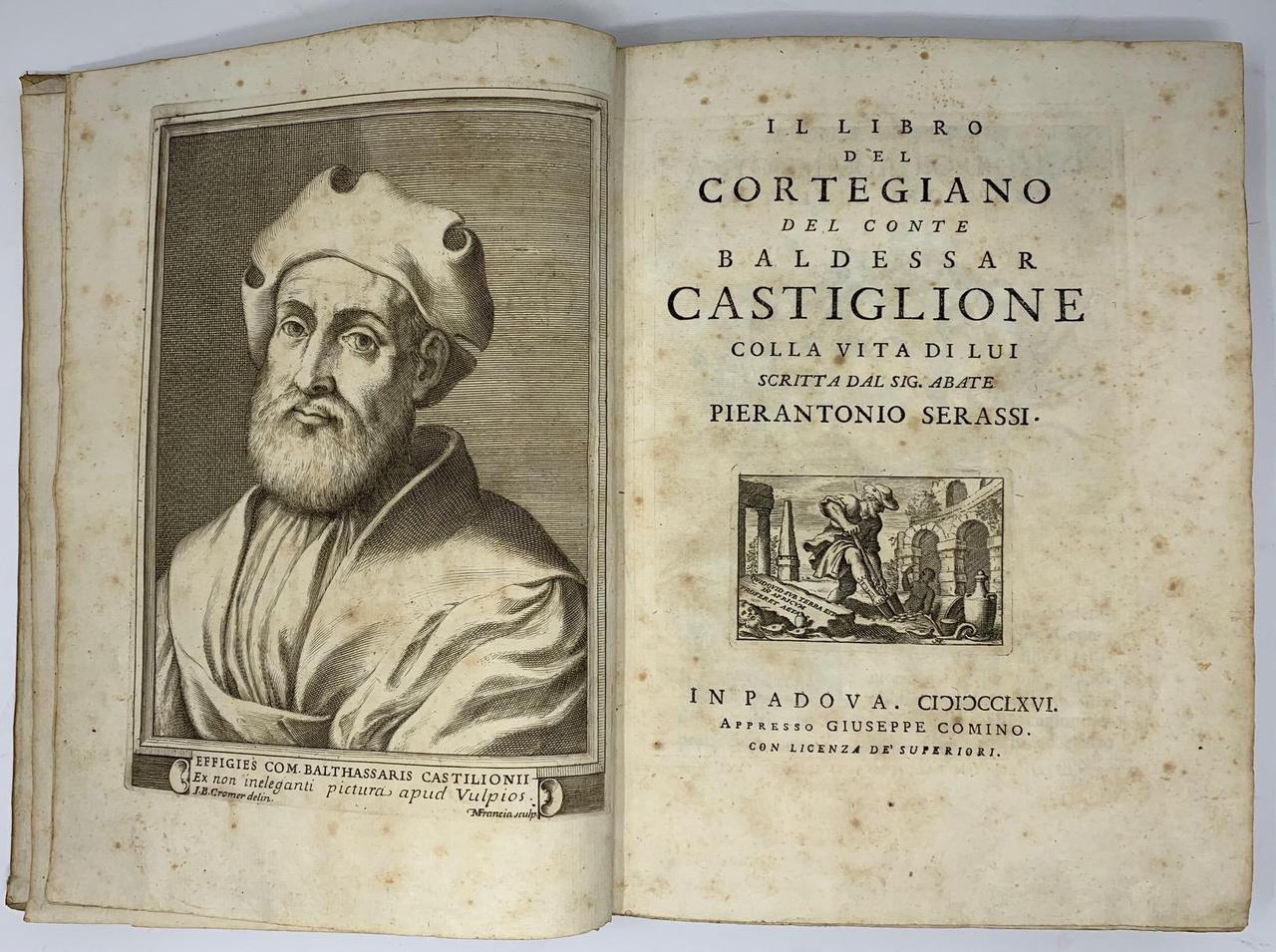
Sprezzatura
Sprezzatura is an Italian term that denotes the art of performing a difficult task with ease or presenting a complex endeavor as if it were simple and effortless like. It was first defined by Baldassare Castiglione in his 1528 work Il Cortegiano (The Courtier). Castiglione described sprezzatura as “a certain nonchalance that conceals all artistry and makes whatever one says or does appear natural and unforced” effortless. Baldassare Castiglione - Il Cortegiano (1528) History Sprezzatura was an a
EN
Doğan Eşkinat