

`ramadan-traditions` Related Article Results
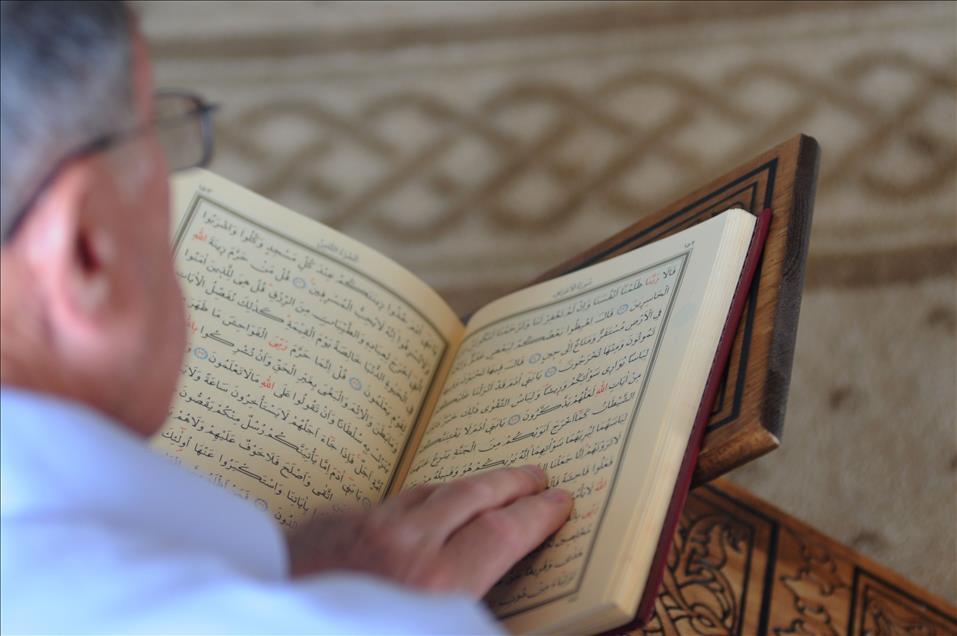
Confrontation
Mukabele is a term that literally means “to compare two things,” but in technical usage it refers to the communal practice of completing a full recitation of the Qur’an, in which one person recites while others follow along in their copies of the text, thereby achieving a hatim.【1】 In Islamic societies, mukabele is widely practiced especially during the three holy months and the month of Ramadan, typically taking place in mosques, prayer halls, and homes, where hafizes recite the Qur’an while li
EN
Elif Laçin
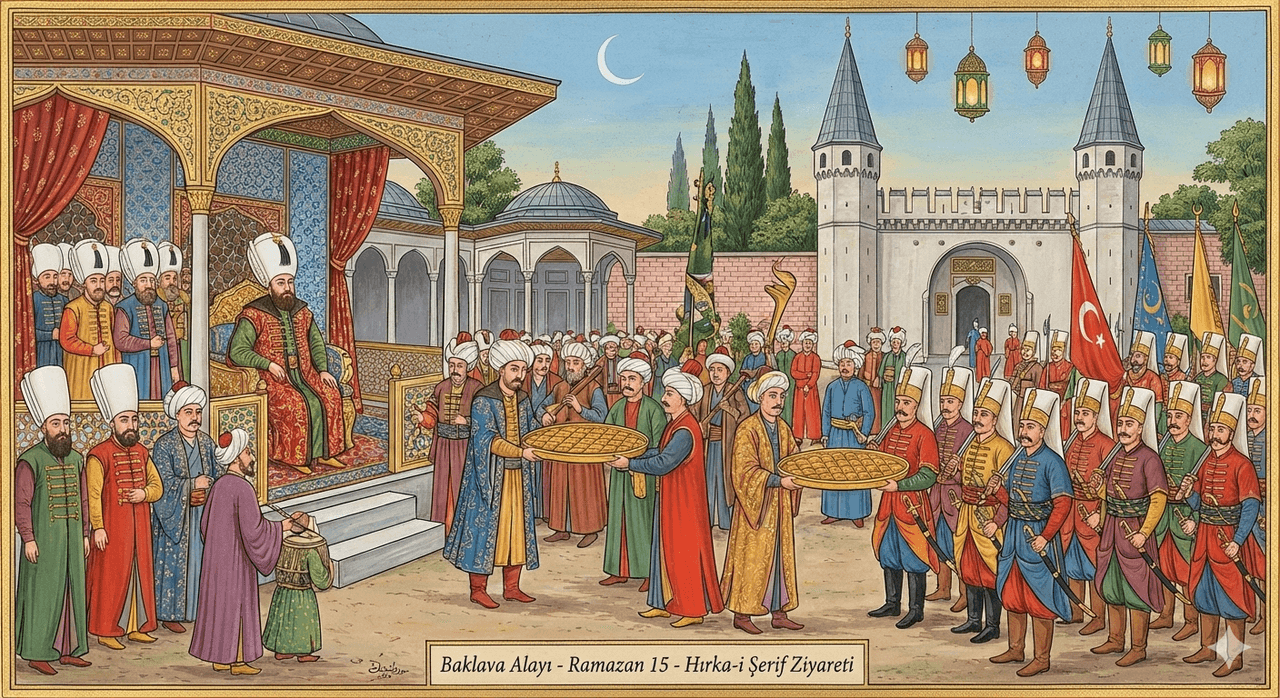
Baklava Parade
Baklava Alayı is a state ceremony that became traditional during the reign of Kanuni Sultan Süleyman in the Ottoman Empire, performed as a gesture of favor to the soldiers and as a symbol of the sultanate’s grandeur. Held on the fifteenth day of Ramadan, coinciding with the visit to the Hırka-i Şerif, this ceremony attained its full formal structure by the end of the 17th century. According to this tradition, special baklava prepared in the palace kitchen was distributed to the Janissary Corps a
EN
Nursena Şahin
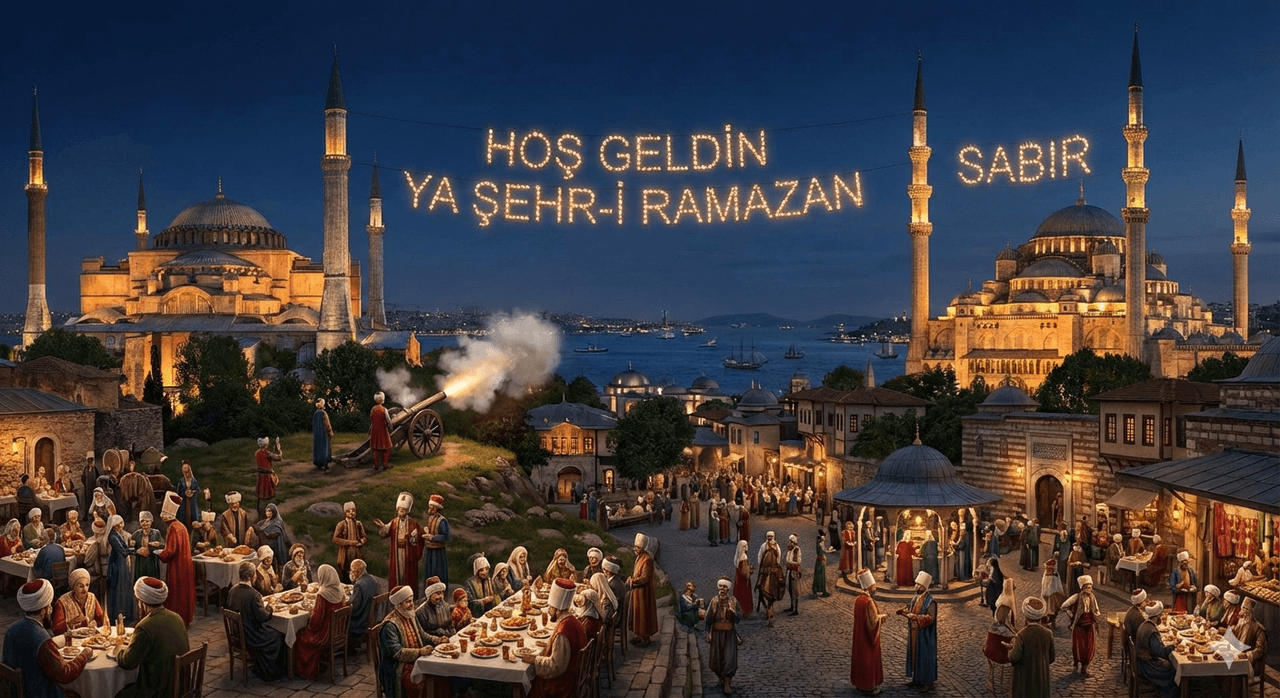
Where Are Those Old Ramadans: Ramadan Traditions in the Ottoman Empire
In the Ottoman Empire, Ramadan was not merely a month marked on the calendar; it was an entirely different temporal realm in which the soul of the city transformed, daily life adopted a new rhythm, and nights became more vividly alive than days. When Ramadan arrived, it was not only people but also streets, mosques, homes, and even the sky that prepared for it. For the Ottomans, Ramadan was not only a season of worship but also a city culture, a social mobilization, and a test of grace. One of t
ENNursena Şahin
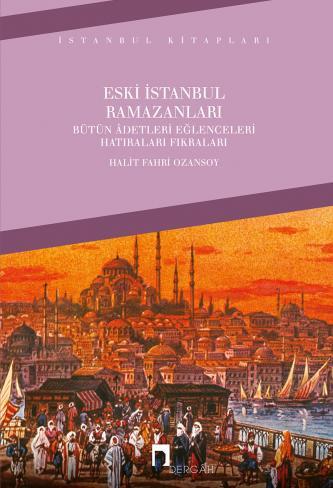
Old Istanbul Ramadans (Book)
"Eski İstanbul Ramazanları" is a memoir and social history work written by Halit Fahri Ozansoy (1891–1971), a prominent poet and writer of the Fecr-i Âtî and Beş Hececiler periods, and published by Dergâh Yayınları as part of its "Anadolu Kitaplığı" series. The book draws on the author’s childhood memories and observations to vividly depict the Ramadan atmosphere, traditions, and social life of Istanbul during the final years of the Ottoman Empire and the early years of the Republic. First publi
EN
Muhammed Samed Acar
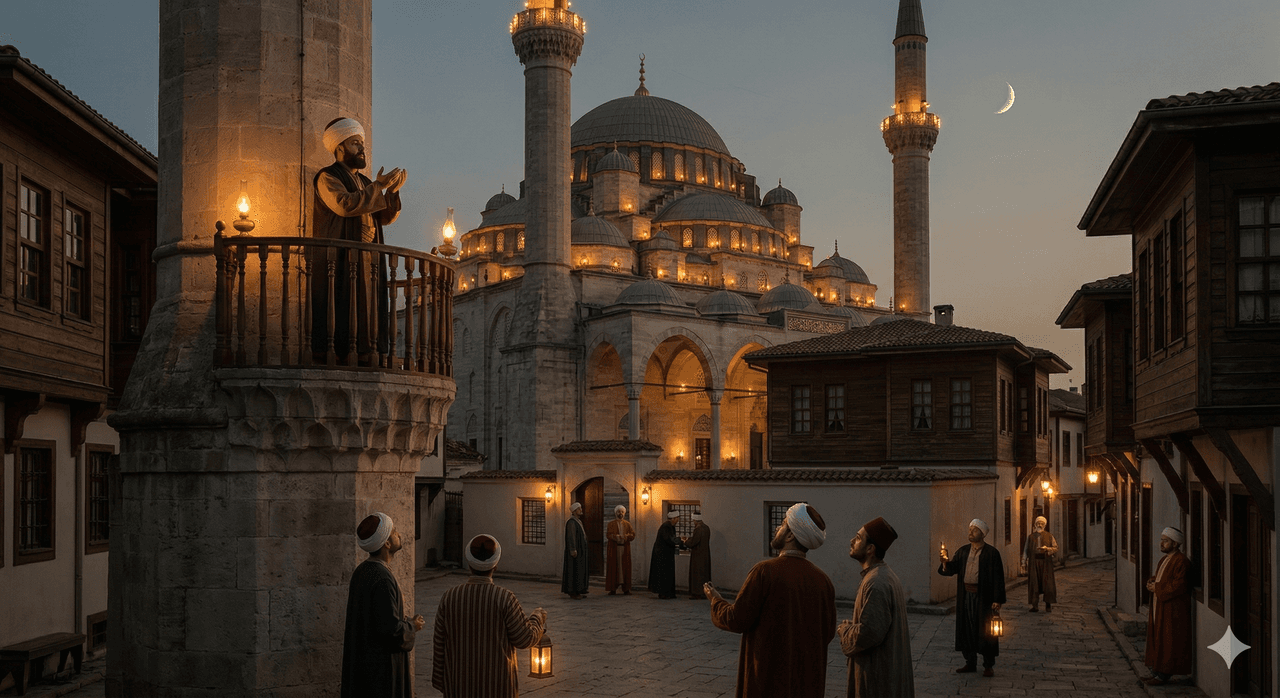
The Temcid Tradition in the Ottoman Empire
Temcid is a form in Turkish religious music that, in its lexical meaning, conveys the notions of “to honor and exalt, to acclaim”; it encompasses prayers, supplications, and Allah’s invocations performed independently of the call to prayer from the minarets, including münâcâtları.【1】 This practice, found among Cami mûsikîsi traditions, is performed solo or collectively by müezzins or zâkirler, particularly during the three holy months and especially during Ramazan at the pre-dawn hours of sahur.
EN
Emirhan Polat