

`ramadan-in-the-ottoman-empire` Related Article Results
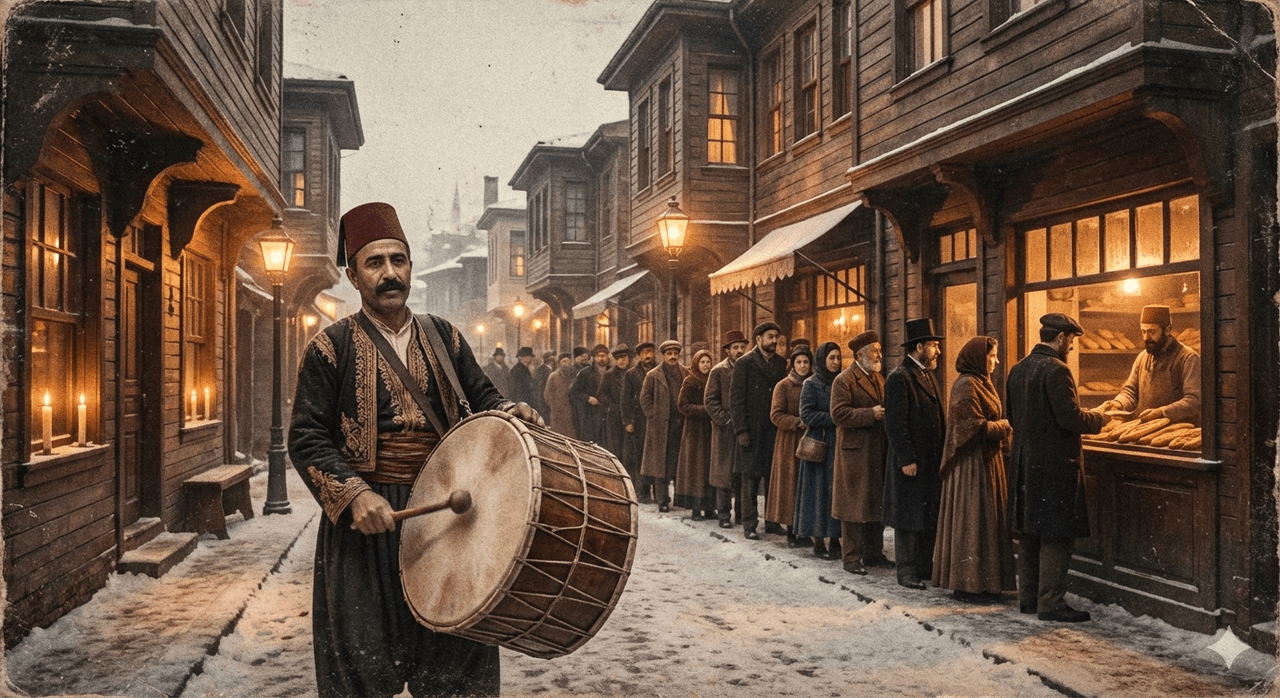
Ramazan Drumming
Ramazan drumming is a folk culture and professional tradition practiced throughout the month of Ramazan, regarded in Turkish-Islamic tradition as the sultan of the eleven months, to awaken Muslims for the pre-dawn meal, sahur. Etymologically derived from the Arabic word "tabl," the drum took forms such as "tavul" and "davul" in Turkish; the Ramazan drummer was also commonly known among the people as the "neighborhood watchman" or "Ramazan watchman." Historical Background and Development The hist
EN
Nursena Şahin
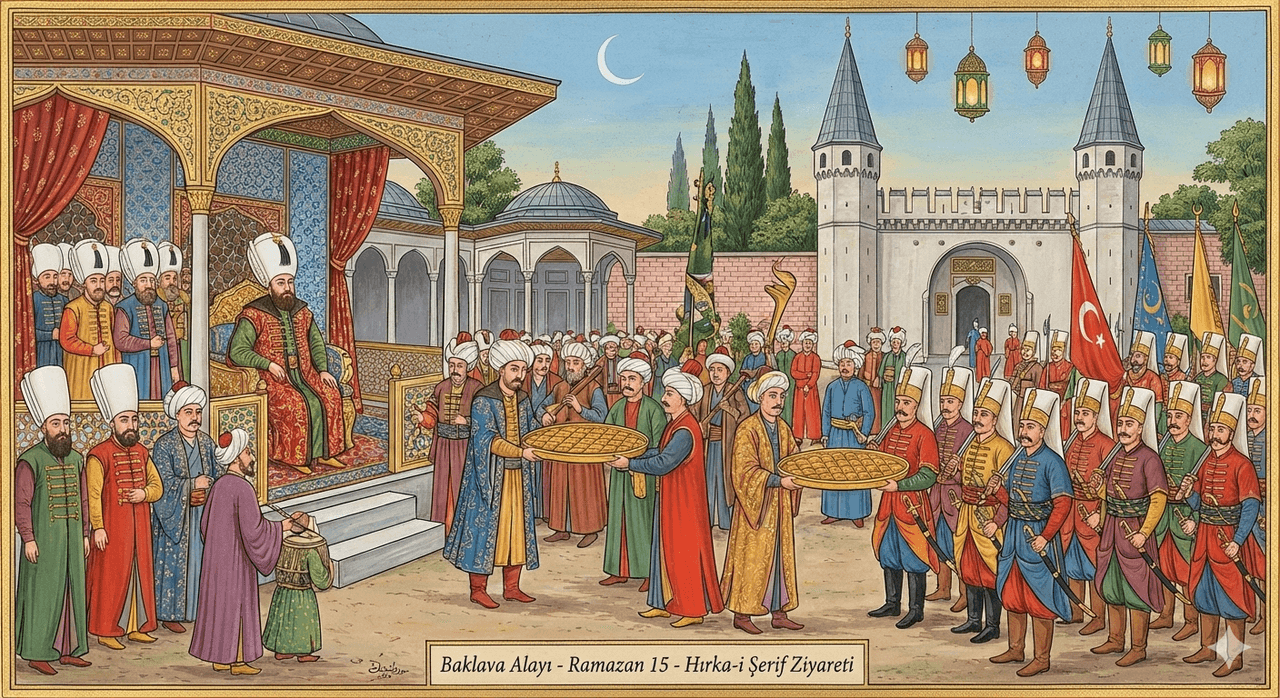
Baklava Parade
Baklava Alayı is a state ceremony that became traditional during the reign of Kanuni Sultan Süleyman in the Ottoman Empire, performed as a gesture of favor to the soldiers and as a symbol of the sultanate’s grandeur. Held on the fifteenth day of Ramadan, coinciding with the visit to the Hırka-i Şerif, this ceremony attained its full formal structure by the end of the 17th century. According to this tradition, special baklava prepared in the palace kitchen was distributed to the Janissary Corps a
ENNursena Şahin
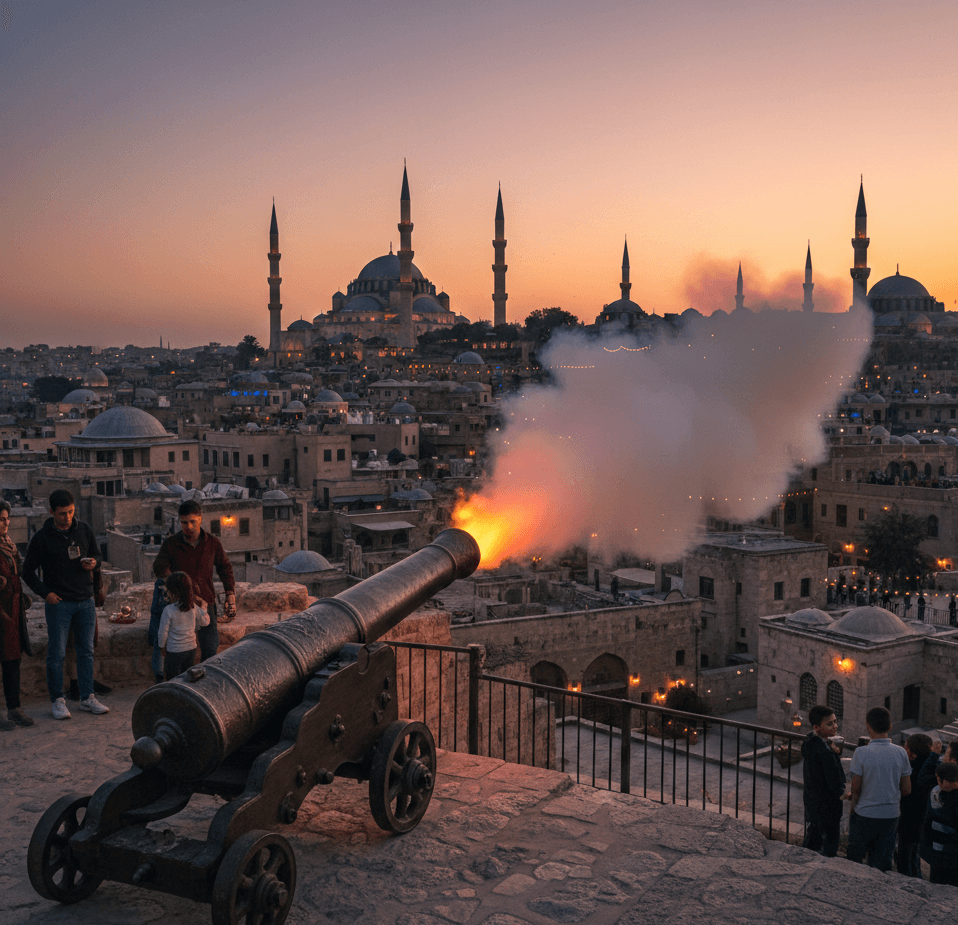
Ramazan Topu
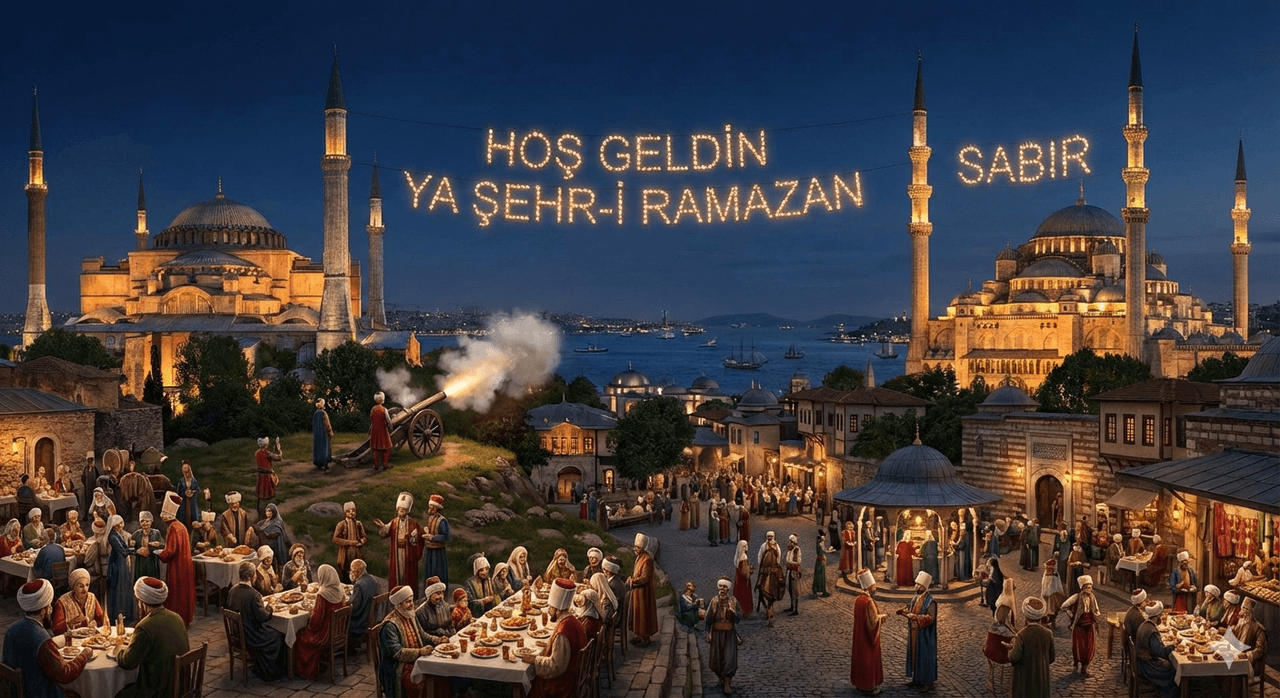
Ramadan cannon is a traditional practice of firing a cannon to announce the times of iftar and suhur to the public, especially during the month of Ramadan. In an era when clocks, city time signals, radio, and similar communication tools were not widespread, it served as a functional method to convey a precise and simultaneous time signal to large populations. Over time, it acquired a symbolic character in many countries and became an element of religious and cultural heritage. Historical Develop
ENNursena Şahin
Where Are Those Old Ramadans: Ramadan Traditions in the Ottoman Empire
In the Ottoman Empire, Ramadan was not merely a month marked on the calendar; it was an entirely different temporal realm in which the soul of the city transformed, daily life adopted a new rhythm, and nights became more vividly alive than days. When Ramadan arrived, it was not only people but also streets, mosques, homes, and even the sky that prepared for it. For the Ottomans, Ramadan was not only a season of worship but also a city culture, a social mobilization, and a test of grace. One of t
ENNursena Şahin
Dental louse
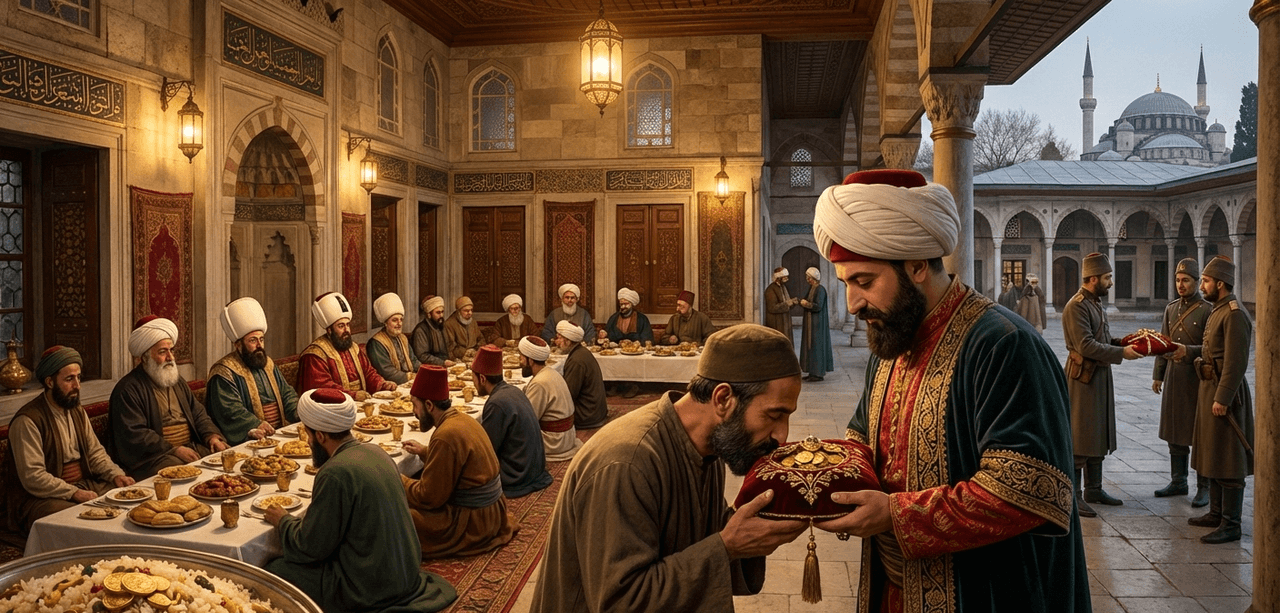
Diş Kirası is a longstanding tradition in Ottoman society and Turkish culture, referring to cash or in-kind gifts given by the wealthy, state officials, or heads of households to guests invited for iftar, particularly during the month of Ramadan. At the core of this concept is the idea that the guest, by accepting the host’s meal and dedicating their time to the table, has “worn out their teeth” for the host’s sake and thereby earns them spiritual merit. The gift offered in return is thus called
ENNursena Şahin