

`railway-infrastructure` Related Article Results
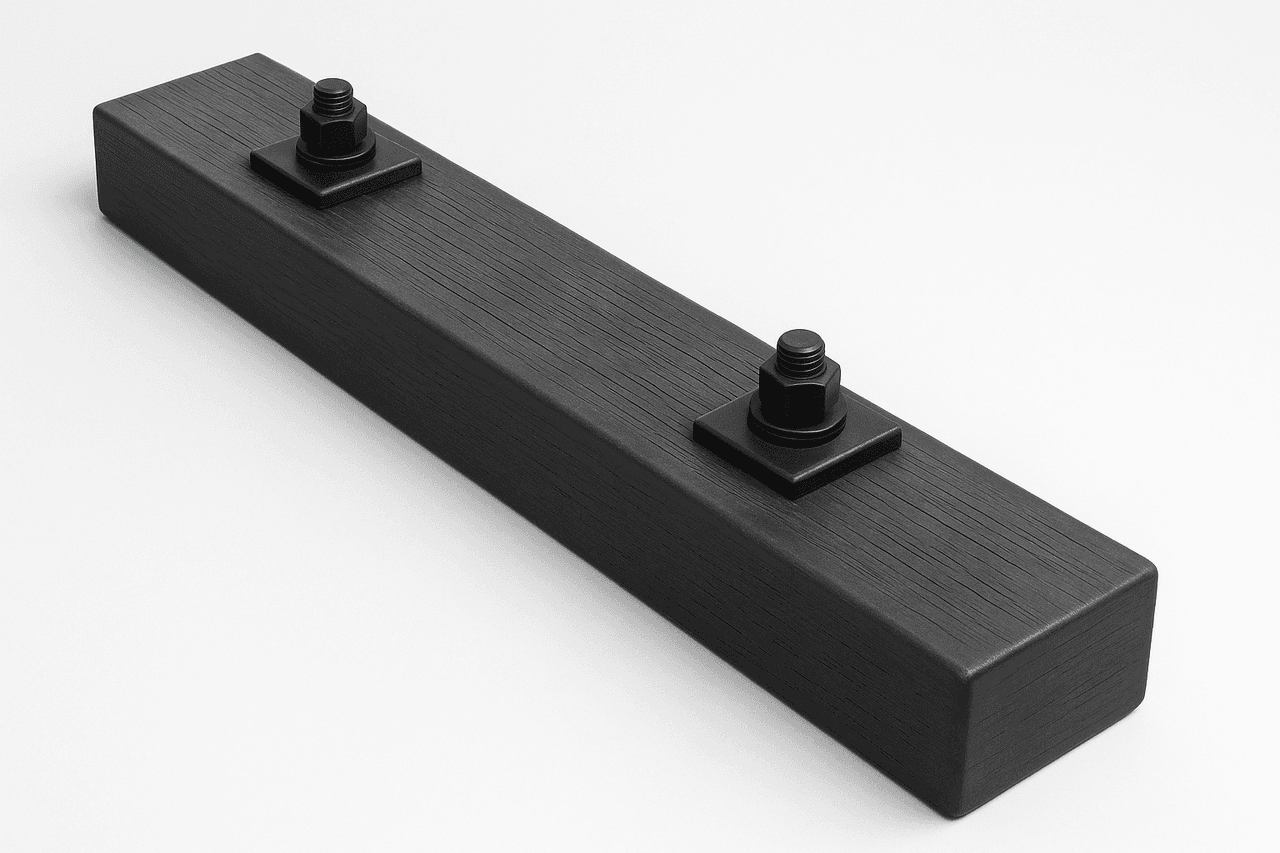
Plastic Sleepers
Plastic sleepers are sub-rail infrastructure components made from recycled plastic materials or polymer-based composites, designed to secure railway rails and evenly transfer train loads to the substructure via ballast. Material Structure and Production Process Plastic sleepers are manufactured using thermoplastics such as recycled polyethylene (PE) and polypropylene (PP), reinforced with materials like glass fiber, wood powder, and carbon fiber. Production is typically carried out through extru
EN
Yusuf İslam Tuğla
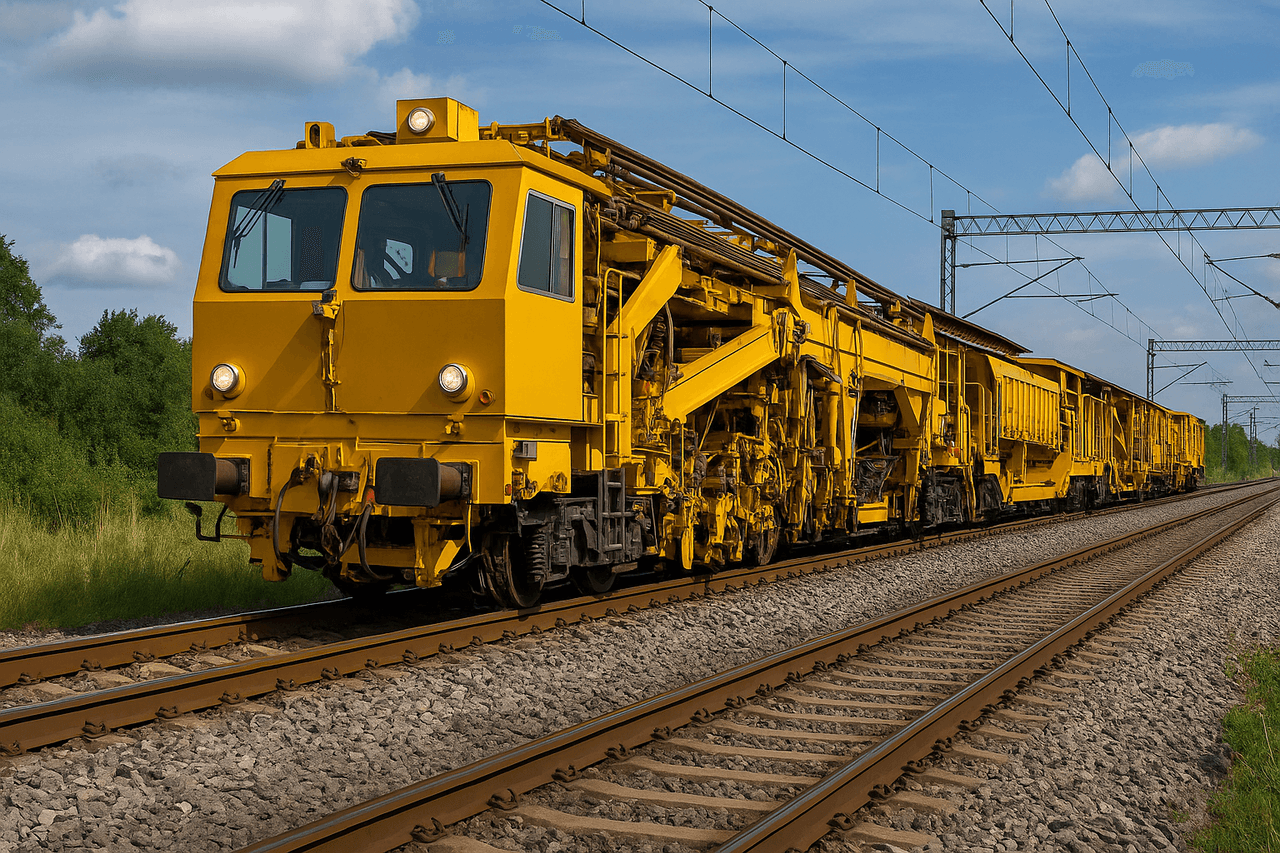
Railway Track Renewal Machine
Track renewal machines are complex systems designed to automate the replacement and improvement of track components such as rails, sleepers (ties), and ballast in railway infrastructure. These machines typically have their propulsion systems and can perform multiple functions in an integrated manner. For example, they can sequentially remove existing rails and sleepers, lay new materials, clean and redistribute ballast, and adjust track geometry. Preparation and Commissioning Process Before the
ENYusuf İslam Tuğla

TCDD
Turkish State Railways (TCDD) is the public institution responsible for national railway transportation in Türkiye. Established in 1927, TCDD is tasked with the construction, operation, and development of the country’s railway infrastructure. The institution operates under the authority of the Ministry of Transport and Infrastructure. Founding and Historical Development TCDD commenced operations on 1 June 1927 as the successor to the General Directorate of the Anatolia-Baghdad Railways, establis
EN
Yeşim Can
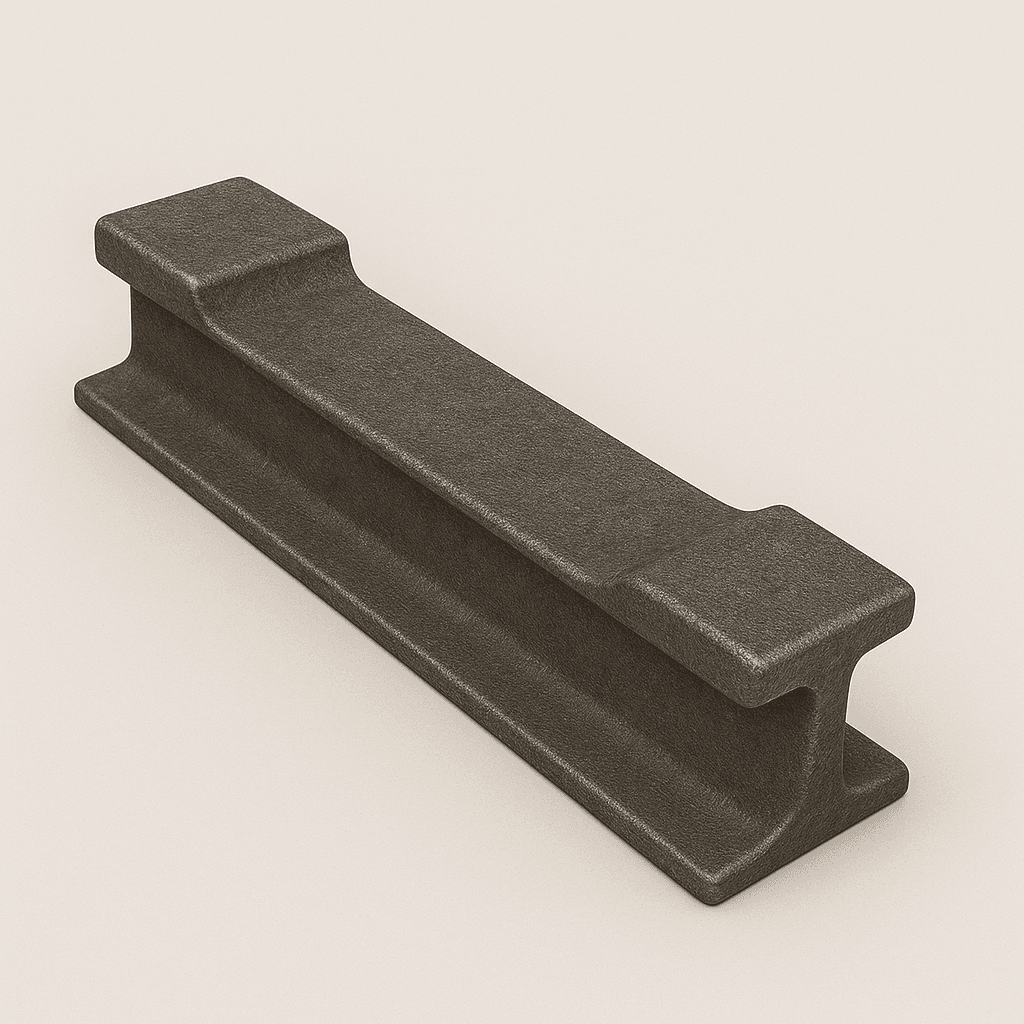
Iron Sleepers
Iron sleepers are metal infrastructure elements made of steel or wrought iron, placed between the rails to secure them and evenly distribute loads onto the ballast. Also commonly referred to as “steel sleepers,” this system played a significant role in the early railway era due to its high strength and recyclability. Historical Background Iron sleepers began to be used particularly in Europe in the 19th century and were widely implemented in many countries until the early 20th century. However,
ENYusuf İslam Tuğla
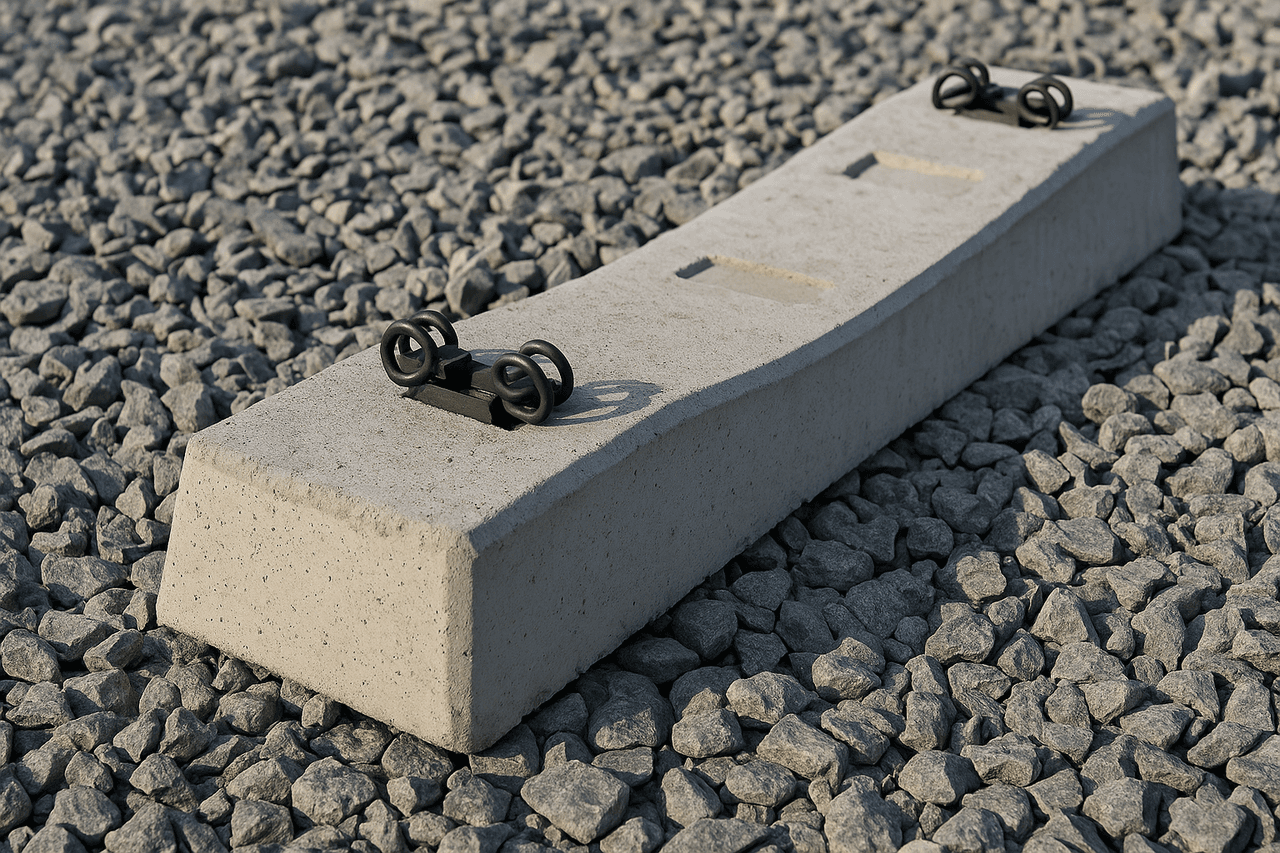
Concrete Sleeper
Concrete sleeper is a durable and long-lasting infrastructure element made of concrete, designed to secure railway rails and transfer train loads evenly to the ground. Importance and Current Usage of Concrete Sleepers In TCDD's infrastructure system, the most commonly used type of sleeper is the prestressed concrete sleeper. According to the 2013 Sector Report, the use of concrete sleepers has rapidly become widespread to increase the service life of railway tracks, reduce maintenance costs, and
ENYusuf İslam Tuğla