

`pythagoras` Related Article Results
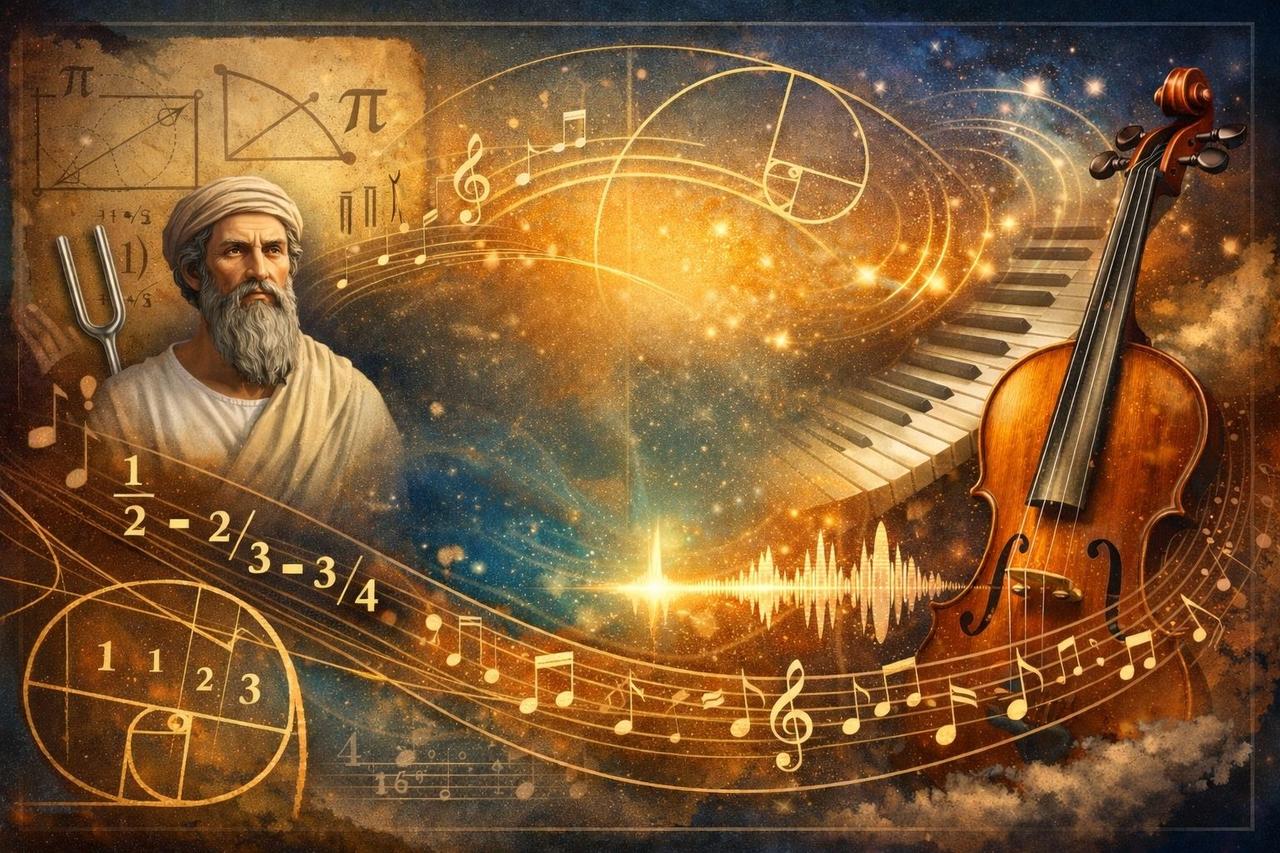
Mathematics and Music: The Place Where Numbers Meet Emotions
The relationship between mathematics and music is one of the oldest and most compelling discoveries in human history. Although at first glance one appears abstract and bound by precise rules while the other seems emotional and free, music is fundamentally built upon a mathematical order. Every melody, rhythm, and harmony that pleases the ear is a reflection of numbers ratios and patterns. In this article we will examine closely the historical origins scientific foundations and mathematical struc
EN
Amine Sevde Özcan
 Py
PyPythagoras
Pythagoras was a thinker, mathematician, and somewhat mystical philosopher born around 570 BCE on the island of Samos. People called him the "father of numbers" because, in his view, everything in the universe was fundamentally based on numbers—but for him, this was not merely mathematics; it was the language of the cosmos. Unable to find peace on Samos, Pythagoras later moved to Croton in southern Italy, where he founded his own school. This school functioned as a mathematics club, a music work
EN
İbrahim Mert Akbaş
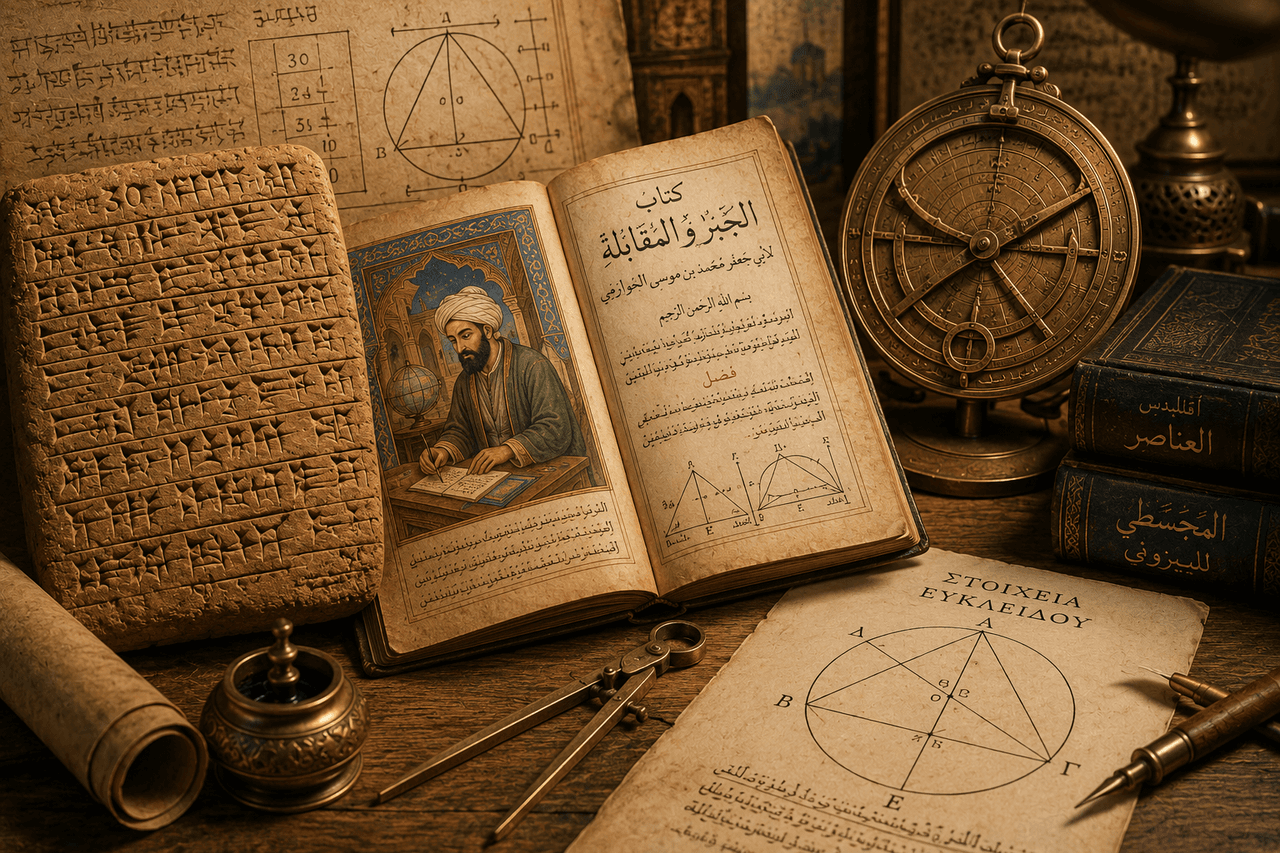
The History of Mathematics: The Journey of Numbers from Mesopotamia to the Islamic World
Mathematics is one of the oldest and most important branches of science in human history. Today, mathematics is used in technology, engineering, astronomy, economics, and many areas of daily life; it emerged as the result of thousands of years of accumulated knowledge. From the earliest times, humans have used mathematics to measure time, conduct trade, calculate taxes, define agricultural land, and study the heavens. The word “mathematics” derives from the Greek word mathema, meaning “learning.
EN
Batuhan Hallaç
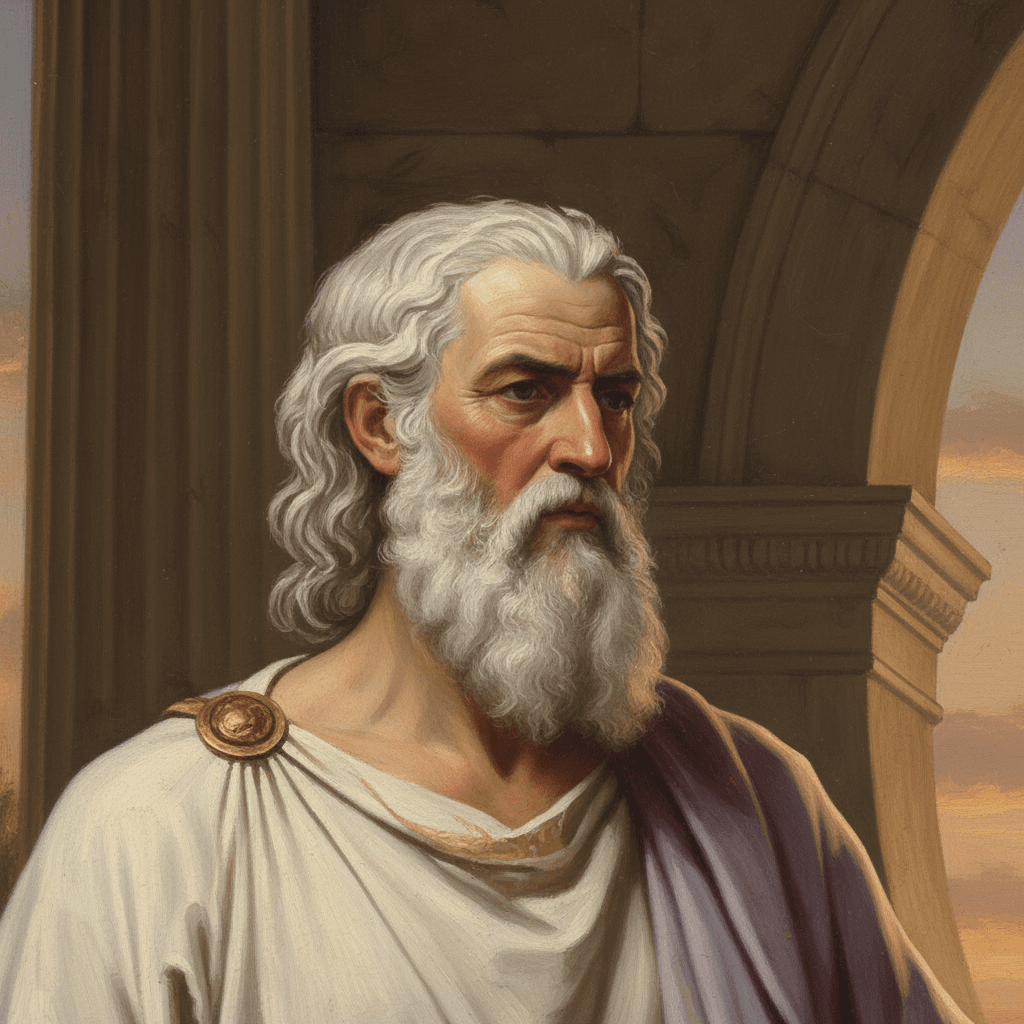
Pythagoras
Pythagoras (c. 580–500 BCE) was one of the most influential philosophers of ancient Greece. He made pioneering contributions in mathematics, astronomy, and mysticism, and his philosophical school and way of life profoundly shaped both scientific thought and religious-mystical traditions. Pythagoras’s teachings were based on the idea that numbers constitute the fundamental structure of the universe, a view that played a significant role in the development of Western philosophy. The Life of Pythag
EN
Hediye Şen
How Mathematics Emerged: The Birth of Mathematics
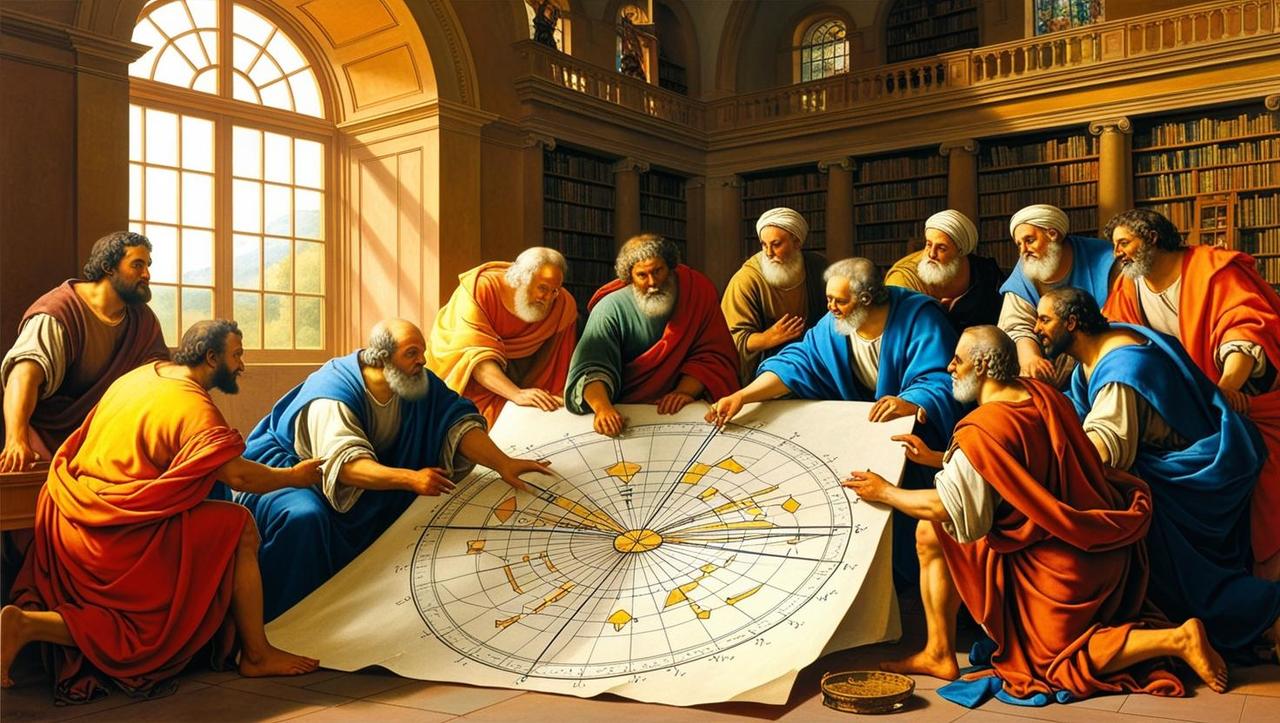
Undoubtedly, mathematics is one of the oldest and most important branches of human science. The origin of mathematical knowledge stems from the needs of early humans for measurement, counting, and calculation in their daily lives. Indeed, the earliest mathematical concepts arose from fundamental requirements such as counting hunted animals, tracking exchanged goods, and recording the passage of days. The earliest traces of mathematics appear in archaeological finds dating back approximately 20,0
EN
Nursena Şahin
Pythagoras's Cup of Justice
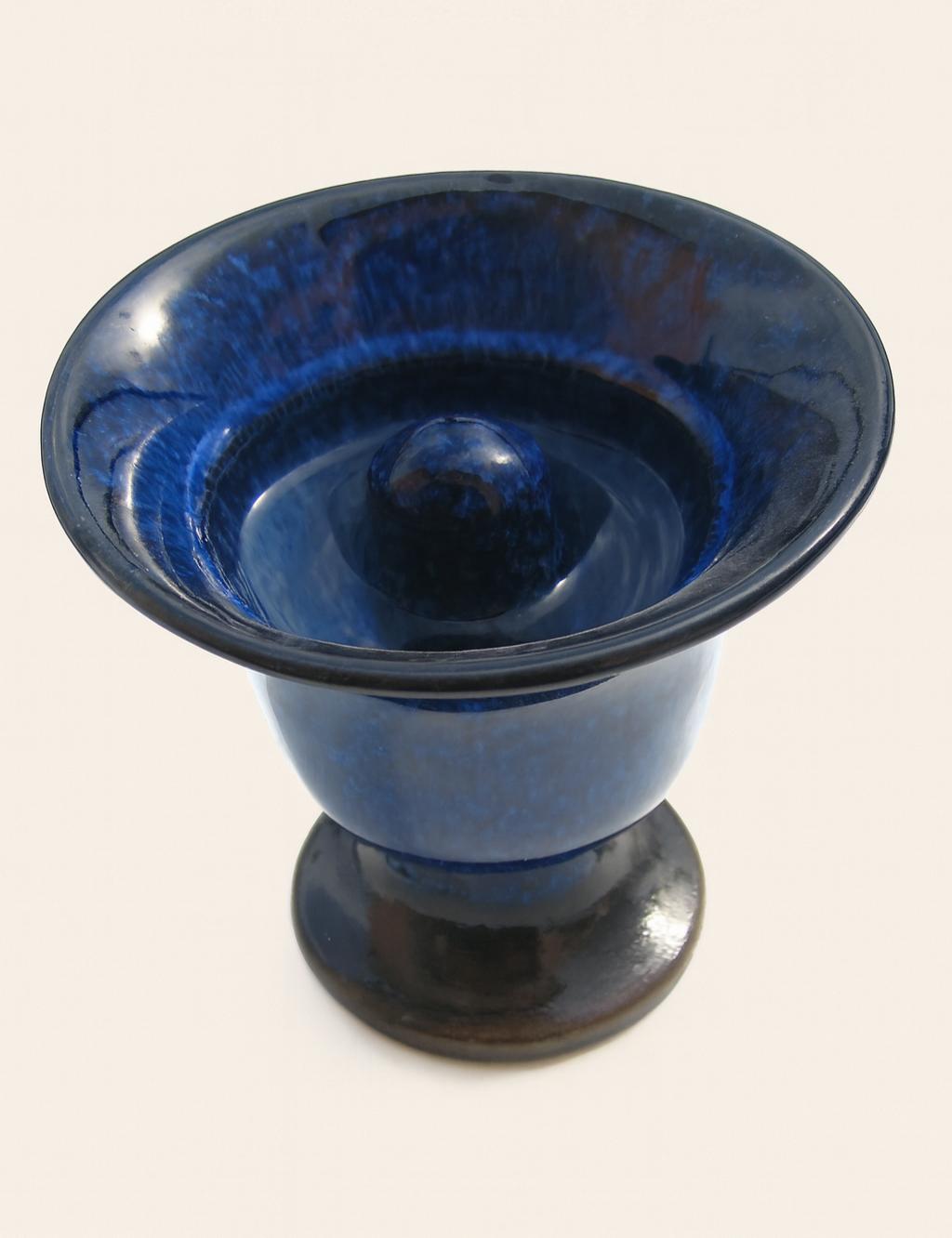
Pythagoras’s Justice Cup is a drinking vessel attributed to the ancient Greek mathematician and philosopher Pythagoras (c. 570–495 BCE), designed to hold liquid only up to a certain level; if this level is exceeded, the entire contents are emptied. This original design is regarded both as an example of early engineering innovation and as a material expression of the principles of moderation and justice. Throughout history, the cup has been known by names such as the “Justice Cup” and the “Greedy
EN
Sümeyye Akkanat Terzioğlu