

`psychological-novel` Related Article Results
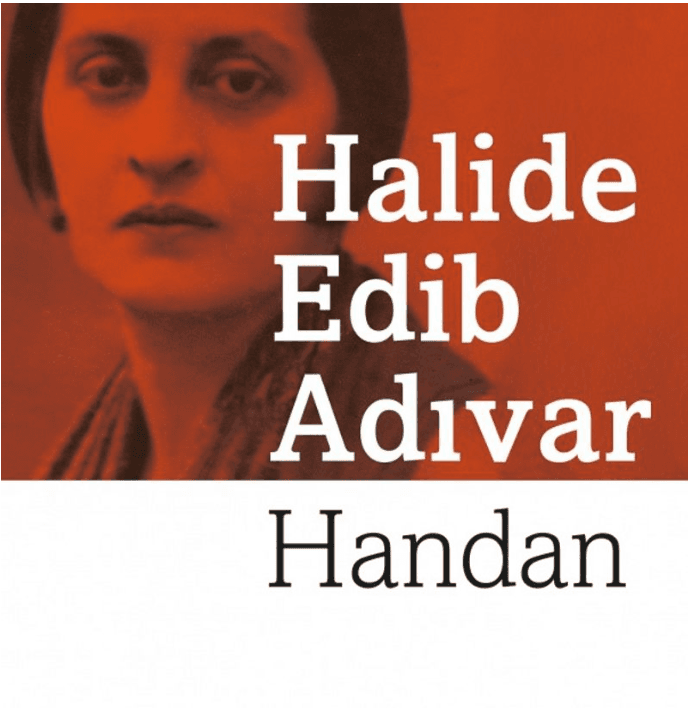
Handan (Book)
Handan is the novel written by Halide Edip Adıvar in 1912 and is regarded as the first Turkish novel to examine women’s psychology in detail. The novel is constructed entirely of letters and revolves around a “first-person narrative” technique. The events unfold during the reign of Sultan Abdülhamid II, and the author explores the inner world of the individual through themes such as love, marriage, loyalty, and loneliness. The work carries the imprint of the political atmosphere and the intellec
EN
Şevval Bengisu Koçer

Zehra (Novel)
Zehra, a novel by Nabizade Nazım, stands as a significant early example of realism in Turkish literature. Published in serialized form in the journal period of Servet-i Fünun between 1894 and 1895, the novel explores the interaction between individual psychological conflicts and social structures. Through a detailed examination of the characters’ inner transformations and their entanglement with societal pressures, Zehra clearly reflects a realist perspective and holds a distinguished place in t
EN
Zehra Yayla

Peride Celal
Peride Celal (1916–2013) was a writer who produced works in the novel and short story genres during the Republican period of Turkish literature. Her literary career began on 27 November 1935 with the publication of her short story “Ak Kız” in the magazine Yedigün. In addition to 17 novels and five short story collections, she published serialized works in newspapers. According to critics and the author’s own statements, her writing can be divided into two phases: in the first phase she wrote pop
EN
Milena Bennu CAN

The Dreams of Abdullah Efendi (Book)
Abdullah Efendi’s Dreams is a collection of stories that early exemplifies Ahmet Hamdi Tanpınar’s modernist narrative style focused on the inner world of the individual in Turkish literature. First published in 1943, this work is among the author’s most significant contributions to the short story genre, exploring themes such as dream, time, consciousness, fear, and identity with psychological depth and philosophical allusions. The five stories in the book offer a layered narrative on the indivi
EN
Muhammed Samed Acar

Hidden Subject (Book)
The Hidden Subject, written by Nihan Kaya and published as part of Dergâh Publications’ “Turkish Literature” series, is a novel that incorporates psychological and mysterious elements. The work explores how traces of the past intertwine with present lives, how unexpected encounters can transform stagnant existences, and the secrets hidden within the depths of the human soul. Published in October 2003, the book consists of 230 pages. Content and Thematic Structure The Hidden Subject begins when a
ENMuhammed Samed Acar