

`probability-theory` Related Article Results

Murphy's Law
Murphy’s Law is a concept rooted in engineering safety principles, originally expressed in its most basic form as “if anything can go wrong, it will go wrong.” Over time, it has become established in popular culture, scientific analyses, and management theories as a principle of pessimistic probability, representing a perspective that emphasizes systems’ vulnerability to failure and the inevitability of errors. Historical Origins and Emergence The naming and formulation of this concept stem from
EN
Yunus Emre Yüce
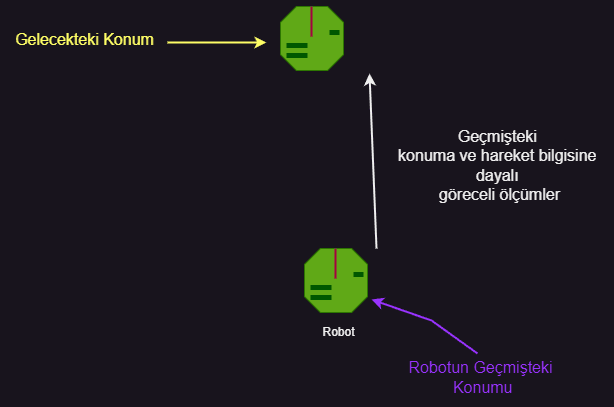
Particulate Filter
Particle filtering is a probabilistic estimation method developed to work with nonlinear or multimodal probability distributions, particularly in the context of robotics and autonomous systems. Uncertainty regarding a system’s position, velocity, or other state variables is represented by a large number of samples (particles), and these particles are updated according to measurement and motion time models. Thus, reliable estimates can be obtained even in situations where Gaussian-based methods p
EN
Nevzat Buğrahan Türk
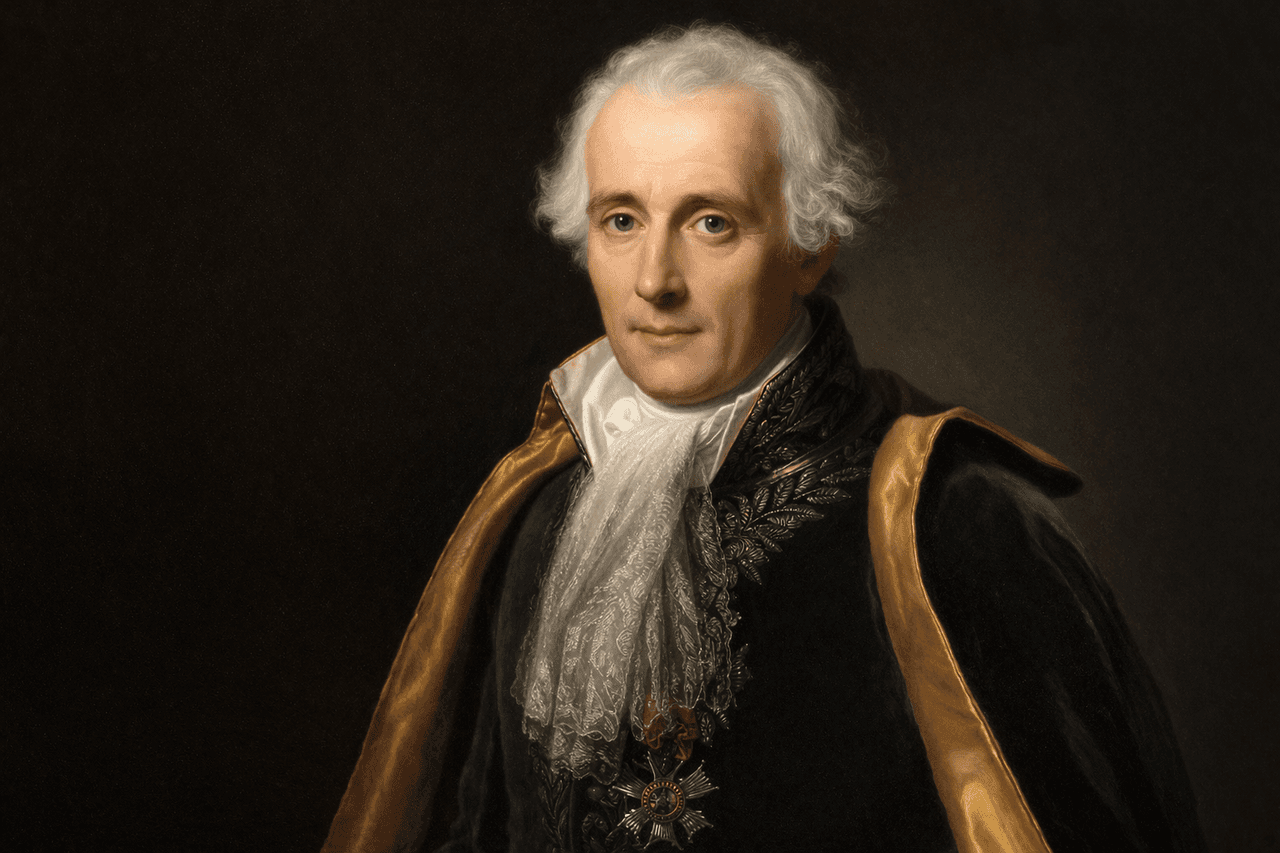
Pierre-Simon Laplace
Pierre-Simon Laplace, a French scientist who proved the stability of the Solar System, established probability theory on modern mathematical foundations, and developed fundamental concepts such as the Laplace transform through the potential function. In addition to his academic achievements, he played a role in the creation of the metric system and held various high-level political offices from the Napoleonic era through the Restoration. Origins Early Education and Move to Paris Pierre-Simon Lap
ENGülbahar Yetiş