

`plants` Related Article Results
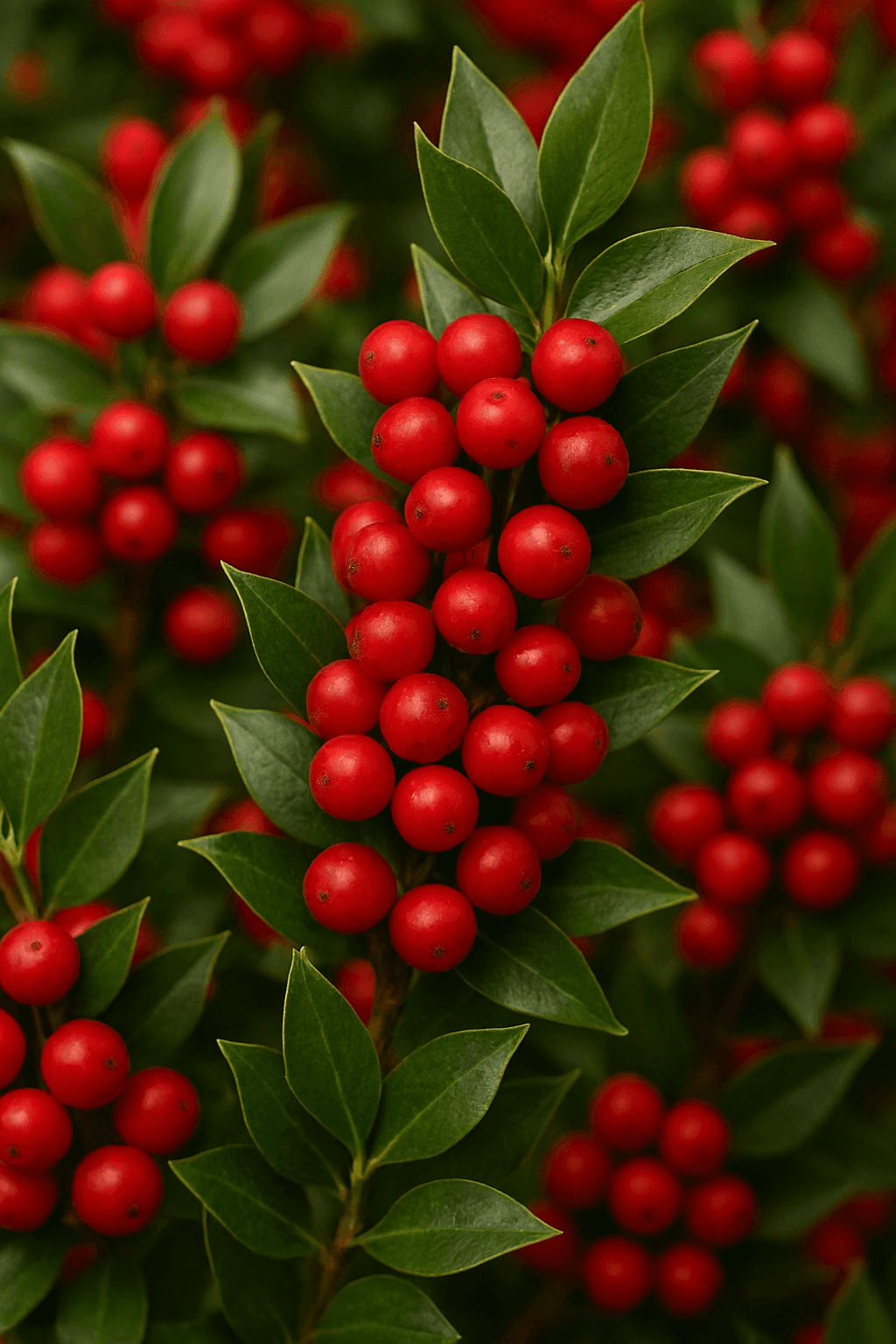
Kokina (Ruscus aculeatus L.)
Kokina is a term used for bouquets sold primarily during the Christmas season, especially by florists. These bouquets are composed of the red fruits of Smilax excelsa and the spiny green shoots of a plant known as silcan or sincan, also referred to as rabbit's ear (Ruscus aculeatus L.). These components are assembled and then marketed under the name “kokina”. Image Related to Kokina Sales (Pexels) " image-alternate="" image-element-format="right"> The plant referred to as “tavşanmemesi” in th
EN
Fatma Köroğlu
Water Monkey
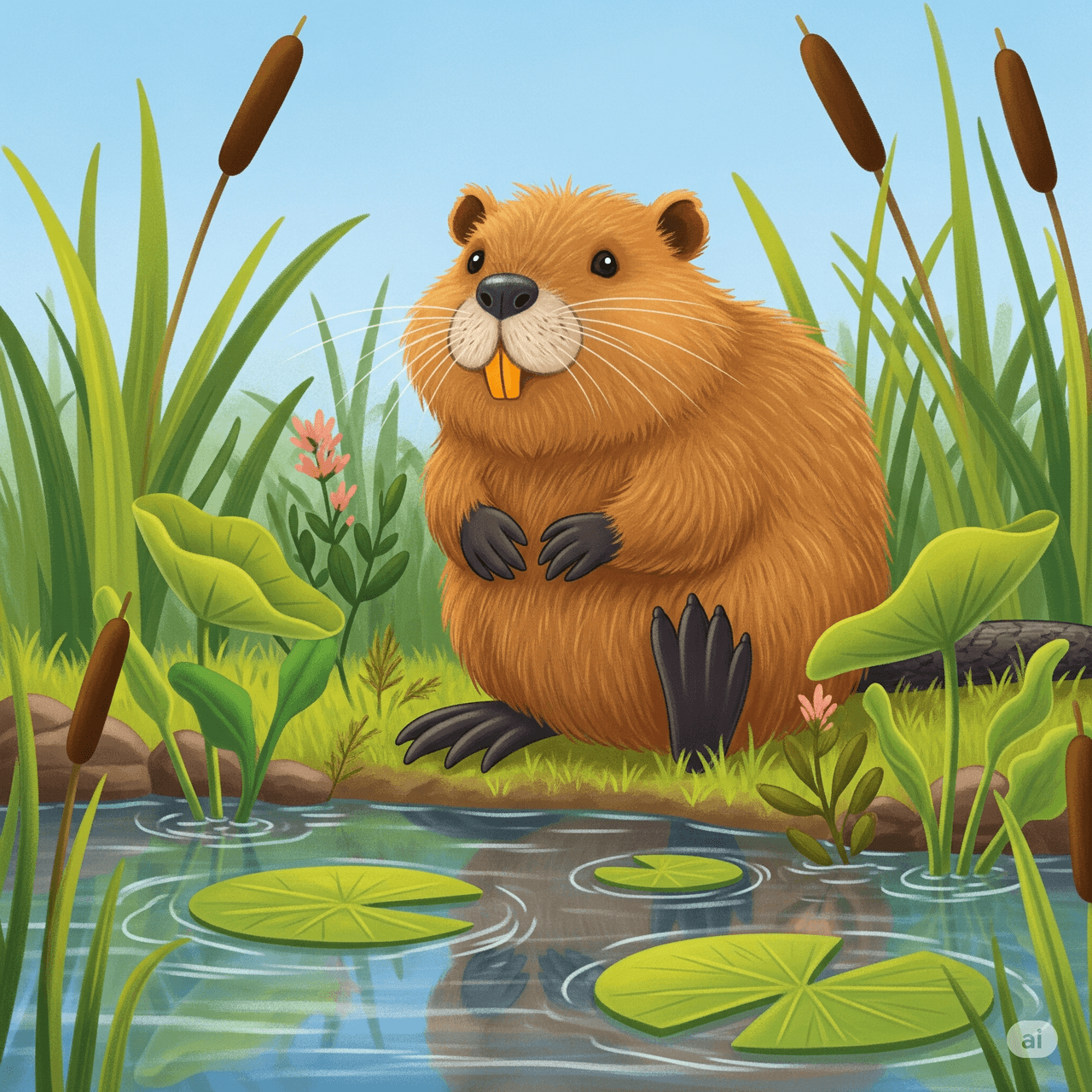
What Is a Capybara? The capybara is a large rodent that enjoys living both on land and in water. Despite its name including the word “monkey,” it is not related to monkeys at all! Where Does It Live? The capybara’s native habitat is South America. However, humans have introduced them to other countries as well. In Türkiye, they have begun to establish populations in certain wetland areas. What Does Its Body Look Like? Its body is large, stout and covered in thick waterproof fur. Its teeth are or
EN
Sümeyye Akkanat Terzioğlu
Chloroplast
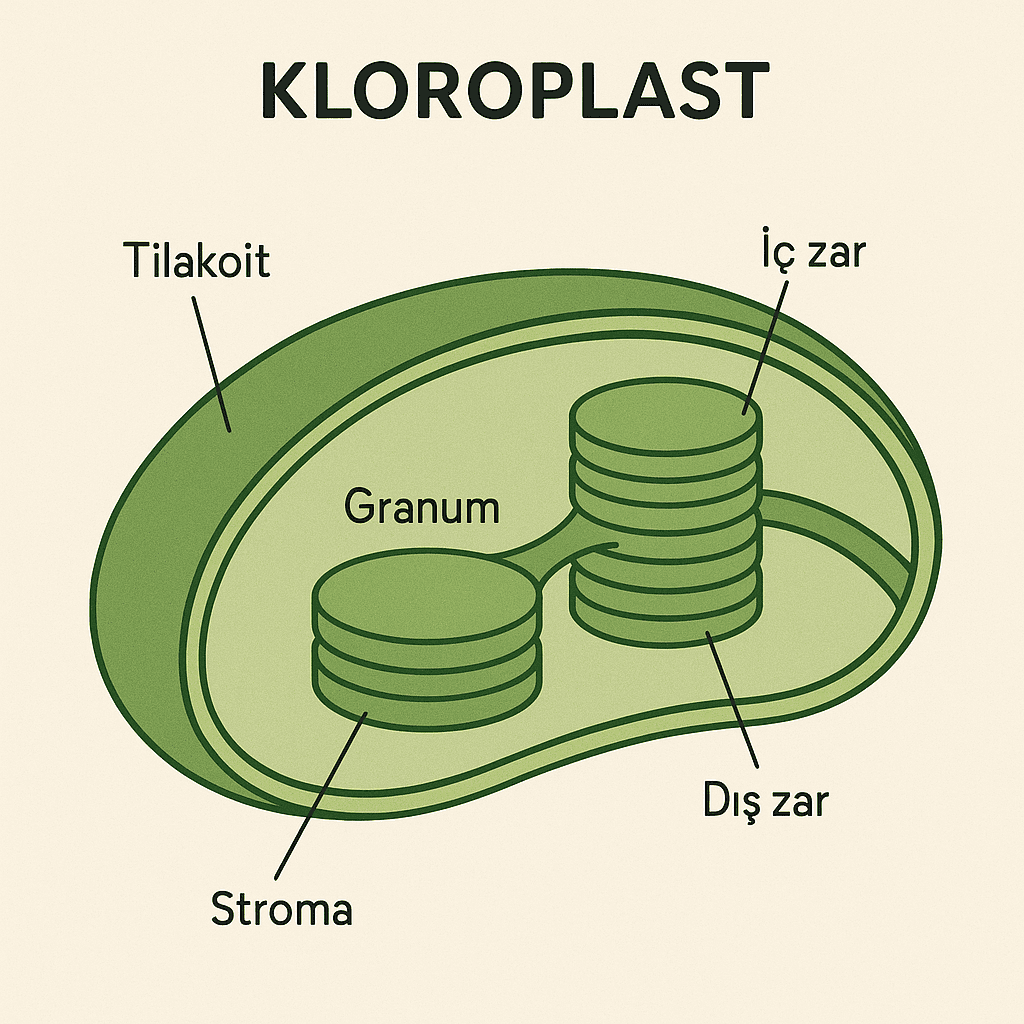
Chloroplast is an important organelle found in plant, algal, and some protist cells where photosynthesis occurs. This organelle converts light energy into chemical energy, enabling the synthesis of organic compounds. Chloroplasts in eukaryotic cells are surrounded by a double membrane and possess their own genetic material and protein synthesis machinery. Chloroplast Organelle (Generated by Artificial Intelligence.) " image-alternate="" image-element-format="right"> Morphology and Structure o
EN
Zehra Yayla
Chloroplast
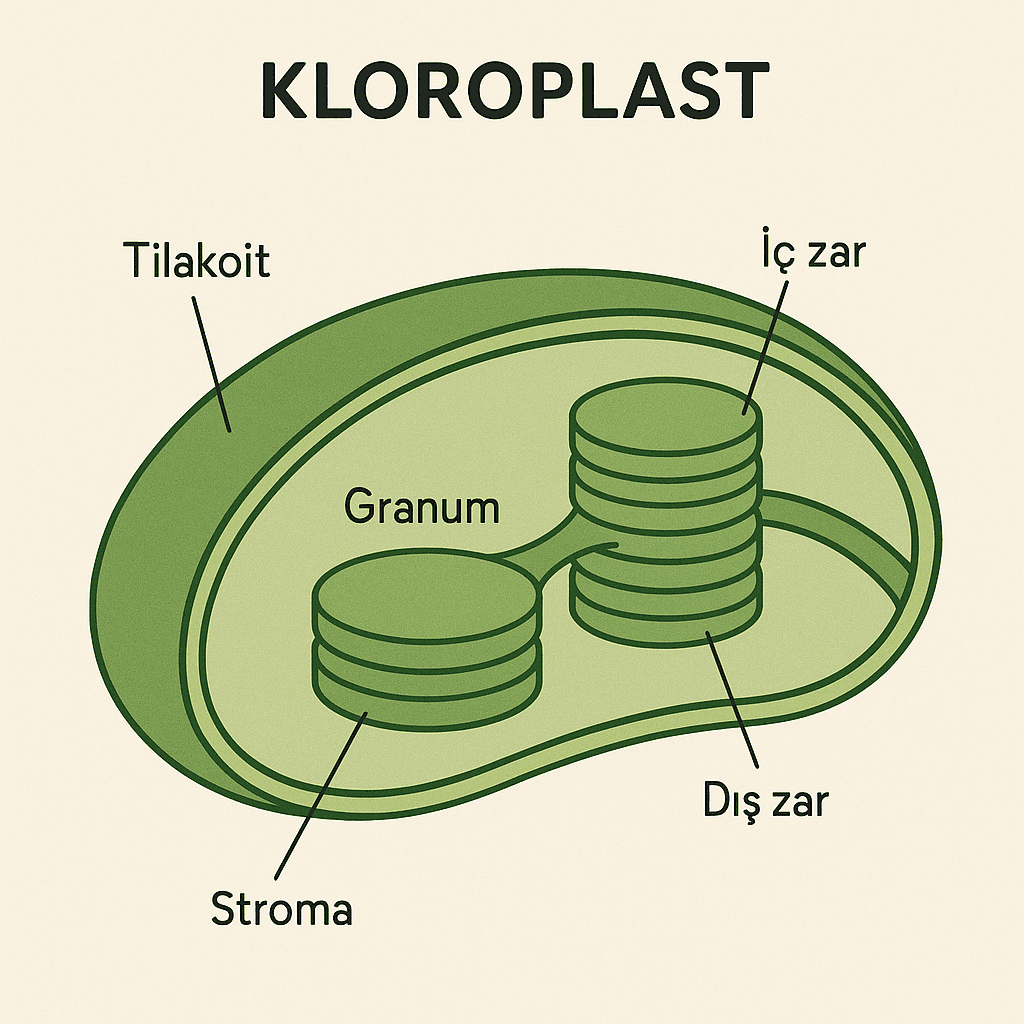
Chloroplast is an important organelle found in plant, algal, and some protist cells where photosynthesis occurs. This organelle converts light energy into chemical energy to enable the synthesis of organic compounds. Chloroplasts in eukaryotic cells are surrounded by a double membrane and contain their own genetic material and protein synthesis machinery. Morphology and Structure of the Chloroplast Chloroplasts are typically oval or disc-shaped with diameters ranging from approximately 5 to 10 m
EN
Zehra Yayla
 Bi
BiBioremediation
Bioremediation is the process by which chemical and organic pollutants contaminating the environment are naturally cleaned up through microorganisms, plants, or enzymes. This method is more sustainable, environmentally friendly, and cost-effective compared to traditional physical and chemical treatment techniques. Bioremediation can target a wide range of contaminants including petroleum and oil spills, pesticides, heavy metals, industrial waste, and other organic pollutants. The process reduces
EN
PINAR GÜNER
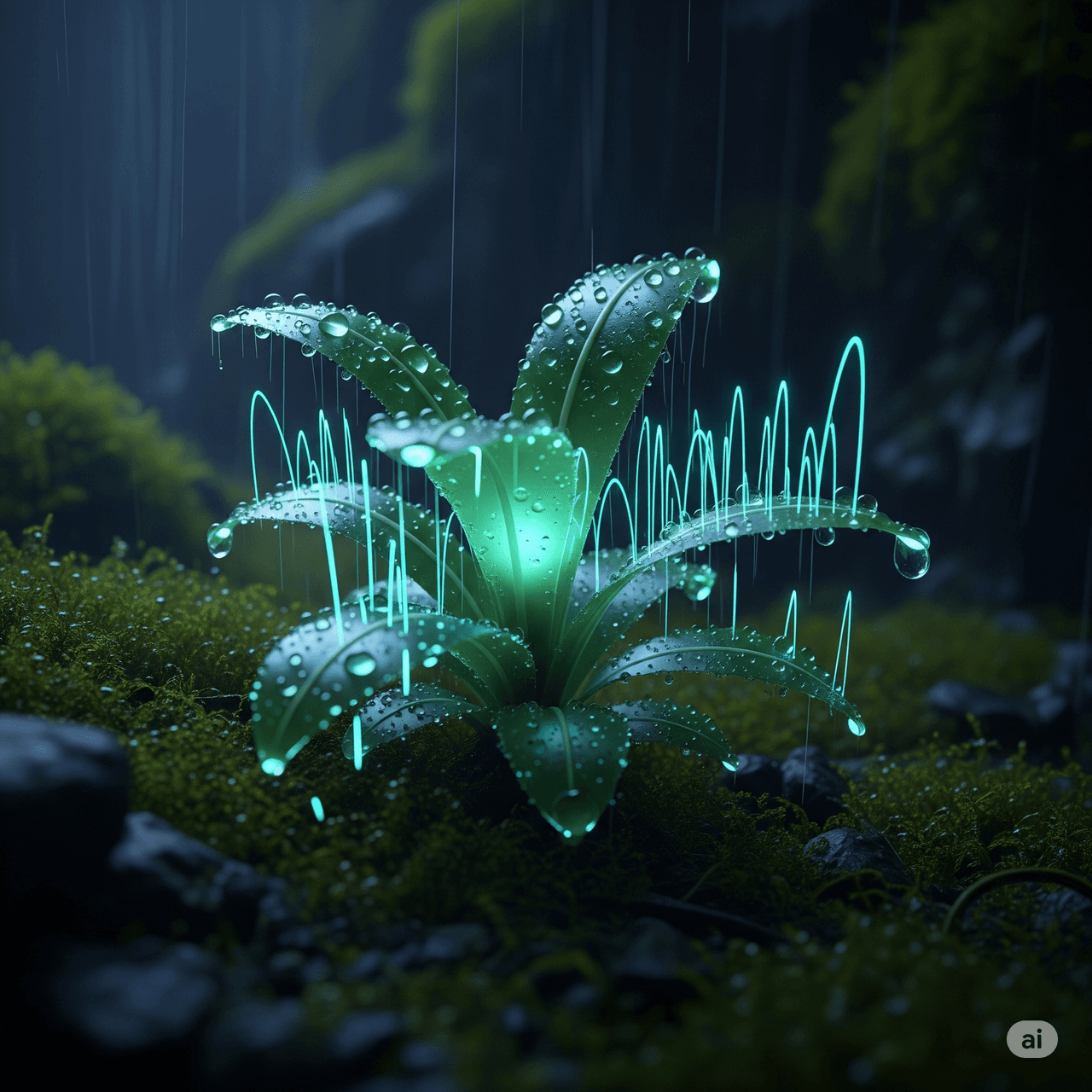
How Do Plants Breathe?
Plants and Respiration Plants breathe just like humans, but they do not have lungs. They absorb gases through their leaves, stems, and roots. Plants require two essential gases: oxygen and carbon dioxide. How Do Gases Enter Plants? Plants take in gases through a process called diffusion, in which gases move from areas of higher concentration to areas of lower concentration. During photosynthesis, leaf cells use carbon dioxide, reducing its concentration inside the leaf and allowing new gas to en
EN
Miray GÜR
ThThese Strange Plants (Book)
Tarık Uslu's second book in the children’s and young adults’ series Strange Things, titled These Strange Plants, presents unusual facts about the plant world in a light, accessible language designed for children and young readers. Published in 2008, this book aims to explore the lives, roles in nature, and intriguing characteristics of plants. The illustrator of the book is Mustafa Deliormanlı. Since These Strange Plants is not a work of fiction, it does not feature a central character. Subject
EN
Muhammed Mesud Ekinci
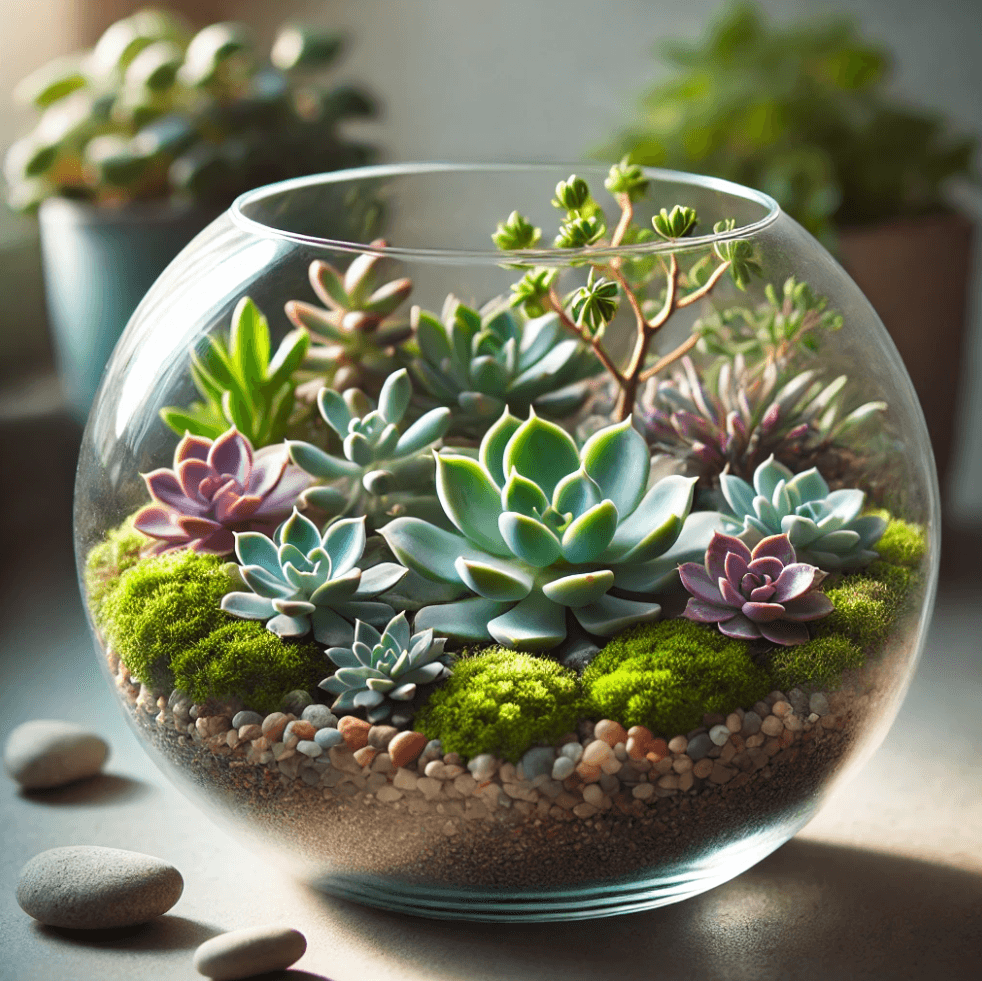
Succulents
Succulents: Amazing Plants That Thrive Without Water! Succulents are special plants that store water in their leaves, stems, or roots. They can survive for long periods without water—even in extremely hot places like deserts! 🌵 They Store Water: Succulents store water inside their leaves, so they need very little water. This allows them to survive for long periods without watering. 🌿 Easy to Care For: Growing succulents is very simple. Just give them some sunlight and water them occasionally,
EN
Meryem Şentürk Çoban
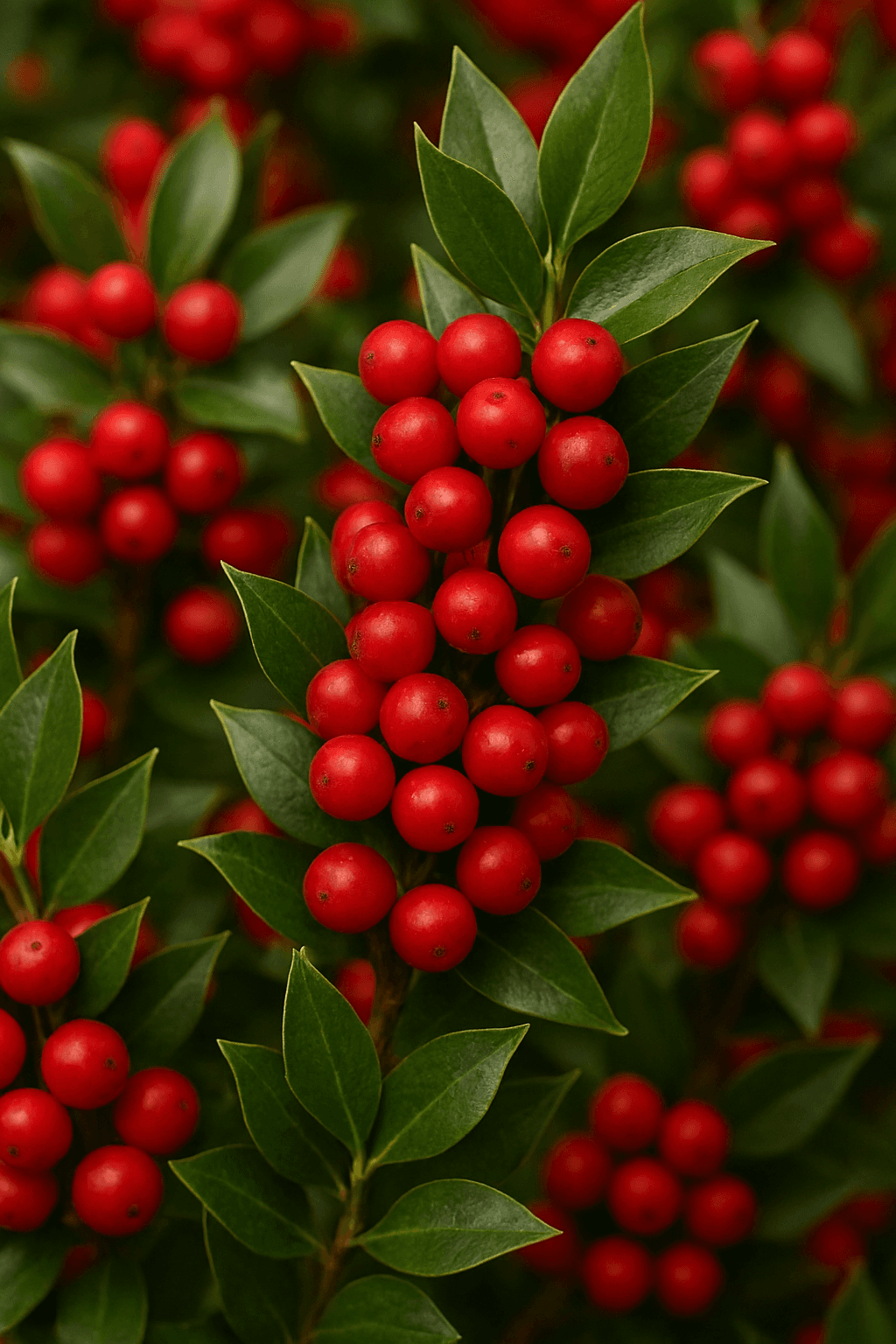
Kokina (Ruscus aculeatus L.)
Kokina, is a term used for bouquets sold primarily during the Christmas season by florists for decorative purposes. These bouquets are made by combining the red fruits of Smilax excelsa with the spiny green shoots of a plant known as tavşanmemesi (Ruscus aculeatus L.), and are then marketed under the name “kokina”. Visual of Kokina for Sale (Pexels) " image-element-format="right" image-source="https://cdn.t3pedia.org/media/uploads/2025/12/31/lvDzicaSAm5QujFNaisdaYMXLCrKw8bB.jpg"> The plant re
EN
Fatma Köroğlu