

`phytoplankton` Related Article Results
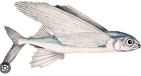
Epipelagic Zone
The Epipelagic Zone, the uppermost layer of the World oceans, extends to a depth of approximately 200 meters below the surface. This region is also known as the "sunlight zone" because it is the layer where sun light penetrates the ocean most intensely. The majority of oceanic photosynthesis events occur in this zone, making it of great importance for sea life. Layers of the ocean " image-alternate="" image-element-format="right"> Physical and Chemical Properties of the Epipelagic Zone The ep
EN
Seniha Rabia Özder
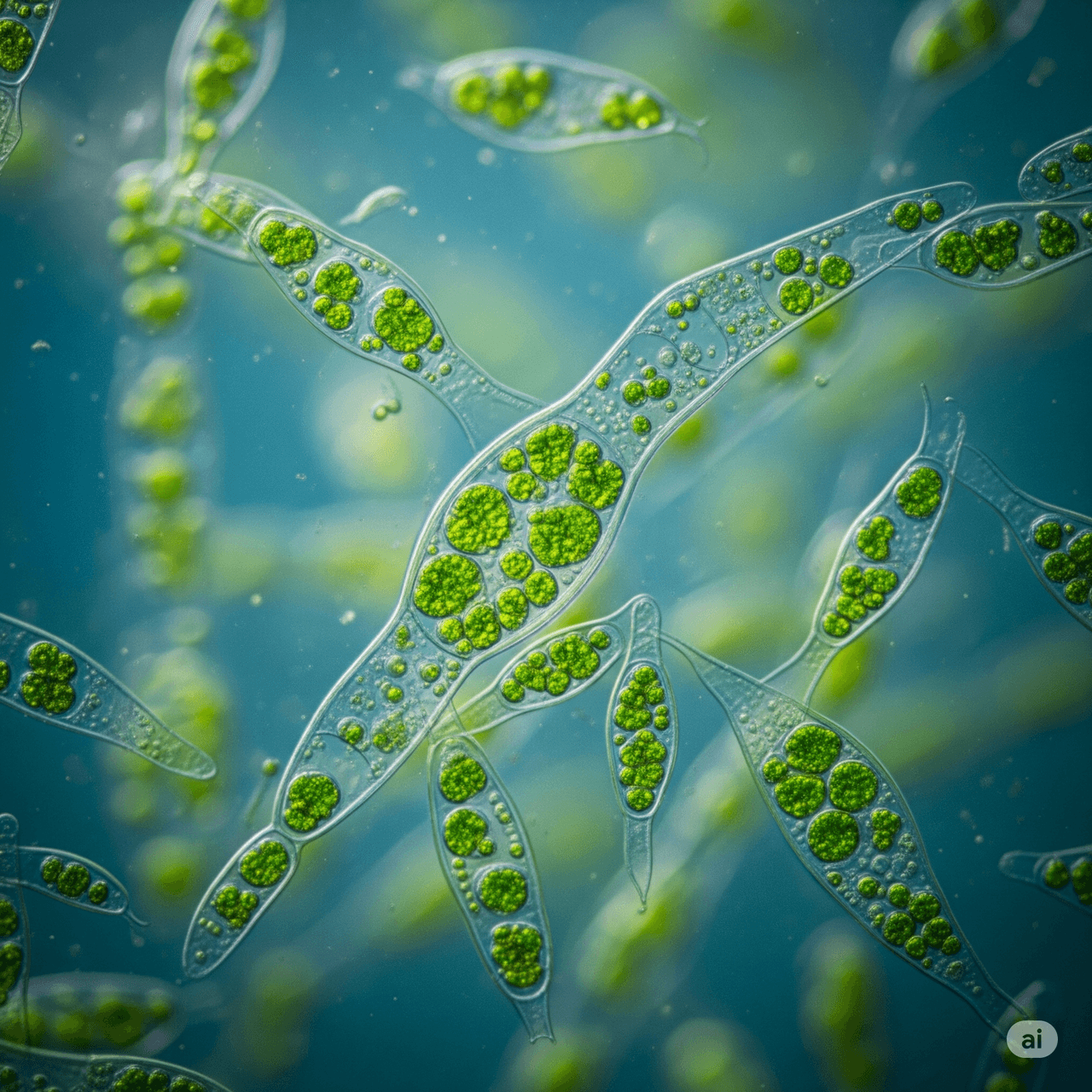
Phytoplankton
Phytoplankton are microscopic photosynthetic organisms living in aquatic ecosystems. They typically drift freely in bodies of water such as oceans, seas, lakes, and rivers, with limited motility, and produce organic matter through photosynthesis in the presence of light. As primary producers of aquatic ecosystems, phytoplankton play a crucial role in global biogeochemical cycles, particularly the carbon cycle. Definition and Classification The term phytoplankton is derived from the Greek words p
EN
Ece Sude Kabadayı
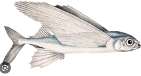
Epipelagic Zone
Dünya’s oceans' uppermost layer, the Epipelagic Zone, extends to a depth of approximately 200 metres below the surface. This region is also known as the "sunlight zone" because it is the layer where sunlight penetrates the ocean most effectively. The majority of photosynthesis in the oceans occurs in this zone, making it critically important for marine life. Physical and Chemical Properties of the Epipelagic Zone The epipelagic zone is distinctly different from other ocean layers in terms of its
ENSeniha Rabia Özder