

`phrygians` Related Article Results
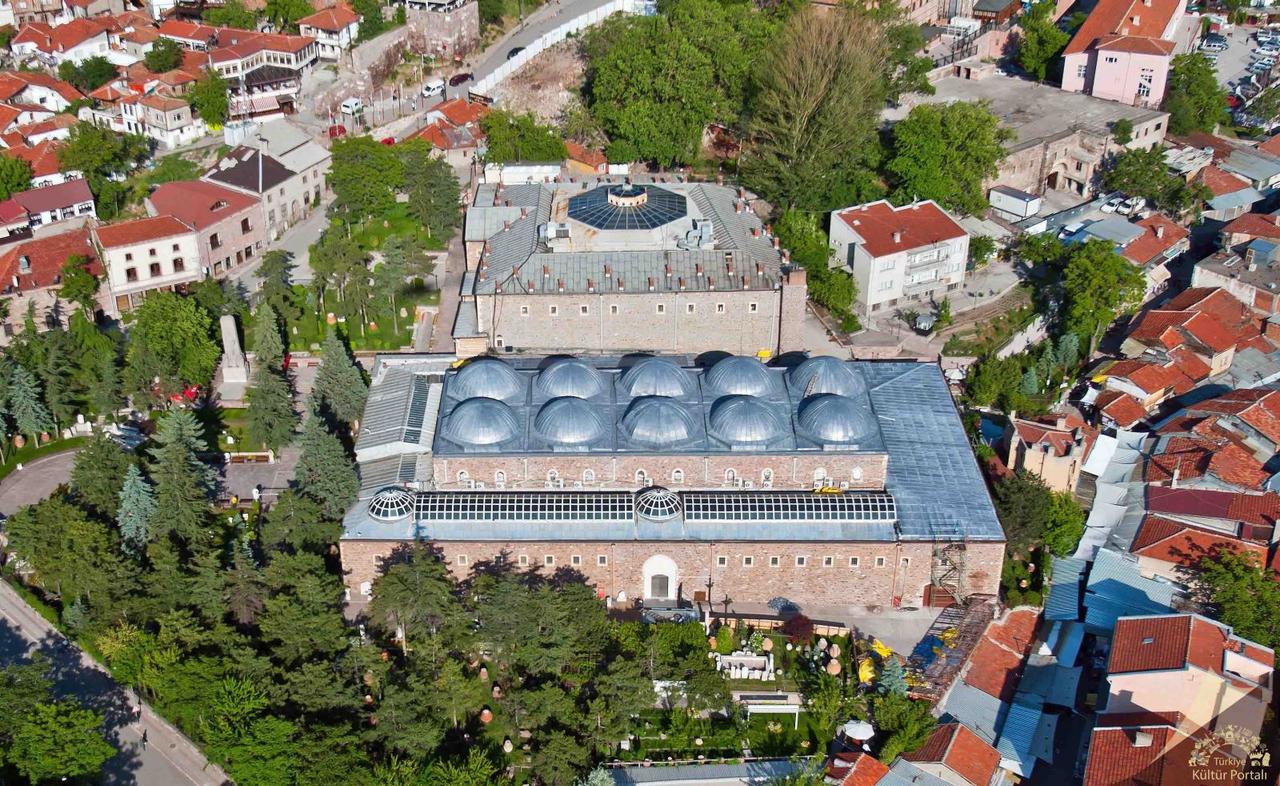
Museum of Anatolian Civilizations
Museum of Anatolian Civilizations is an archaeology museum located in the Ankara district of Ulus, in the Atpazarı neighborhood, along the southeast wall of Ankara Castle. The museum was created through the restoration of two historic buildings from the Ottoman period: the Mahmut Paşa Bedesteni and the Kurşunlu Han. Today, the museum displays archaeological artifacts from the Paleolithic Age to the present day in chronological order and holds a unique collection that places it among the world’s
EN
Muhammed Samed Acar
 Ay
AyAyazini Archaeological Site
Ayazini Ören Yeri is an archaeological site located within the boundaries of the İhsaniye district of Afyonkarahisar province, continuously inhabited since the Phrygian period. The site is situated 4.7 km to the right from the 27th kilometer of the Afyonkarahisar-Eskişehir highway. Ayazini Ören Yeri (Türkiye Culture Portal) " image-element-format="justify" image-source="https://cdn.t3pedia.org/media/uploads/2026/02/11/ayazini-archaeological-site-7f624-17072014_f19bd0d2-d0d8-4970-ad33-3b92cdf5d9e
EN
Melike Saraç
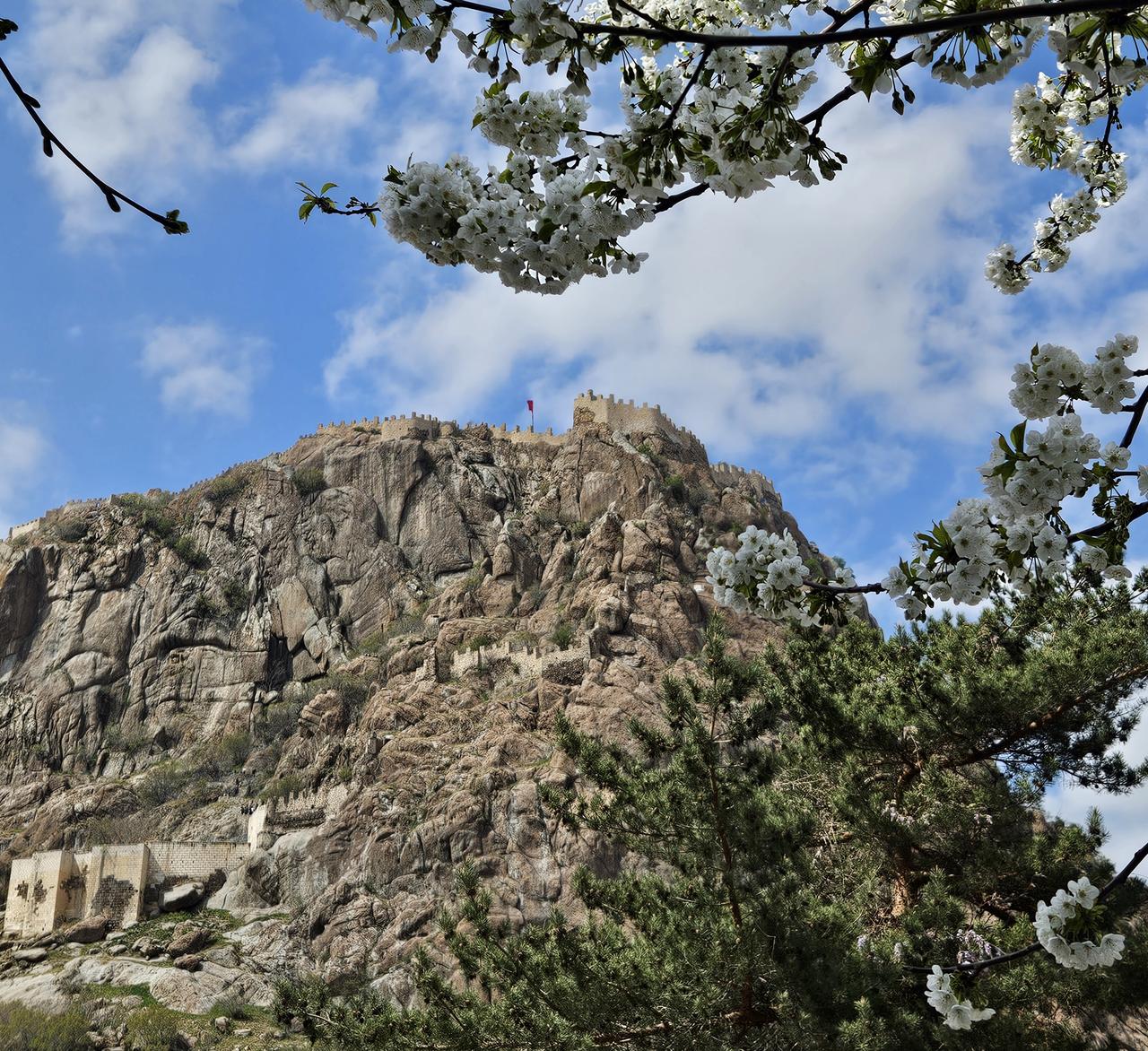
Afyonkarahisar (Province)
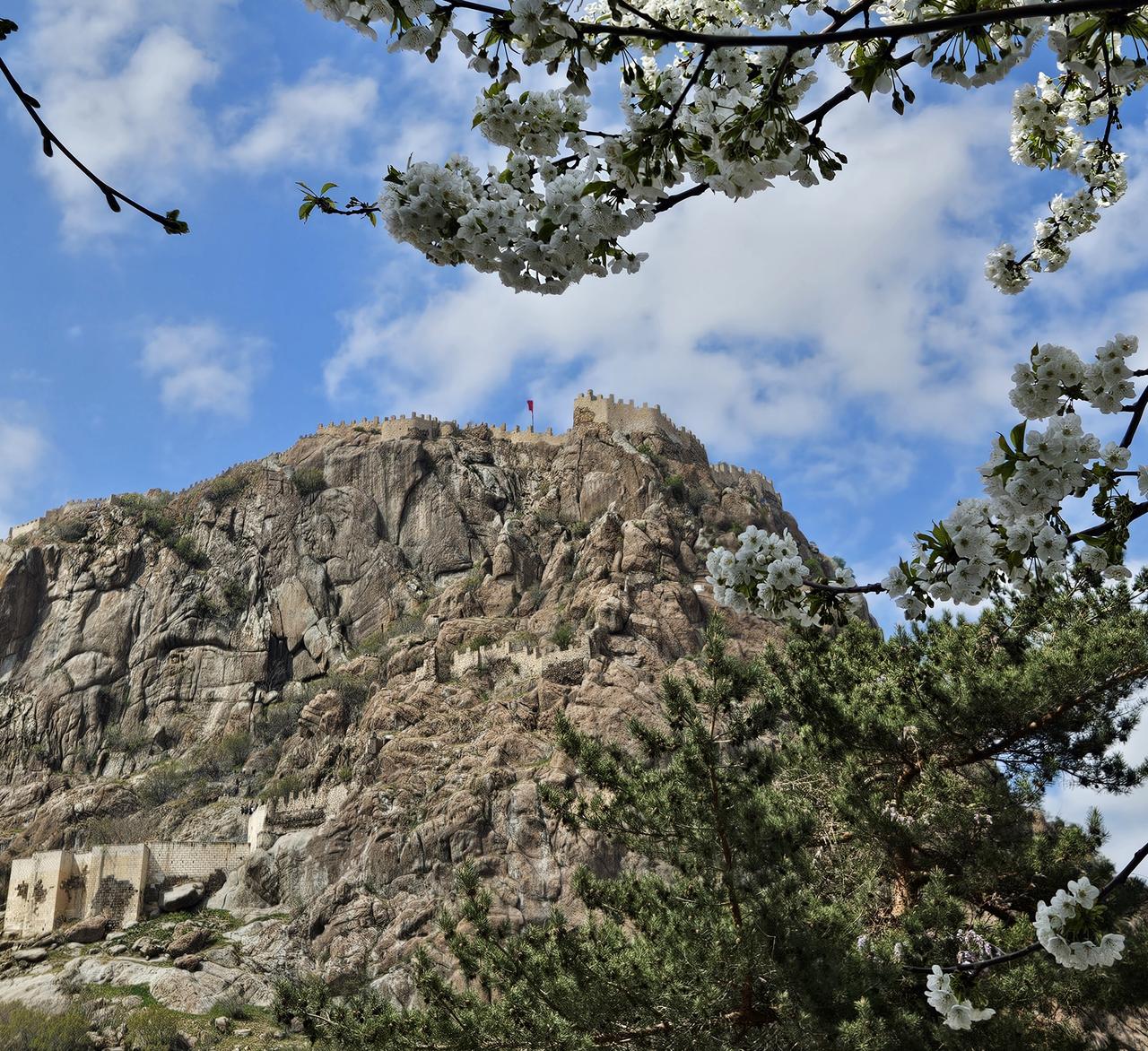
Located at the intersection of Anatolia, between east and west, Afyonkarahisar is one of Türkiye’s important cities, distinguished by its rich historical and cultural heritage. The city is characterized by the Afyonkarahisar Castle, rising on a volcanic rock mass 226 meters high. This castle has been used by various civilizations throughout history and has been known by multiple names. The Hittites called it Hapanuva, the Romans and Byzantines referred to it as Akroinon, while the Seljuks and Ot
EN
Meryem Şentürk Çoban
Afyonkarahisar (Province)
Anatolia’s center, Afyonkarahisar is a crossroads between the east and the west, and one of Türkiye’s important cities due to its rich historical and cultural heritage. The city is characterized by the Afyonkarahisar Castle, which rises on a volcanic rock mass 226 meters high. This castle has been used by various civilizations throughout history and has been known by different names. The Hittites called it Hapanuva, the Romans and Byzantines Akroinon, and the Seljuks and Ottomans named it Karahi
EN
Meryem Şentürk Çoban
PhPhrygia Valley
Phrygian Valley is located in the geographical area known in antiquity as “Phrygia Epiktetos” (Lesser Phrygia), where the provinces of Eskişehir, Afyonkarahisar, and Kütahya meet. Within Kütahya’s provincial boundaries, the Phrygian Valley begins at Yeni Bosna Village, 3 km from the center, and extends eastward across the province, ending at Ovacık Village, 55 km away. This region includes the northern section with the caves of Sabuncupınar, Söğüt, İnli, Sökmen, Fındık, and İncik, as well as the
ENMelike Saraç
Eskişehir Eti Archaeology Museum
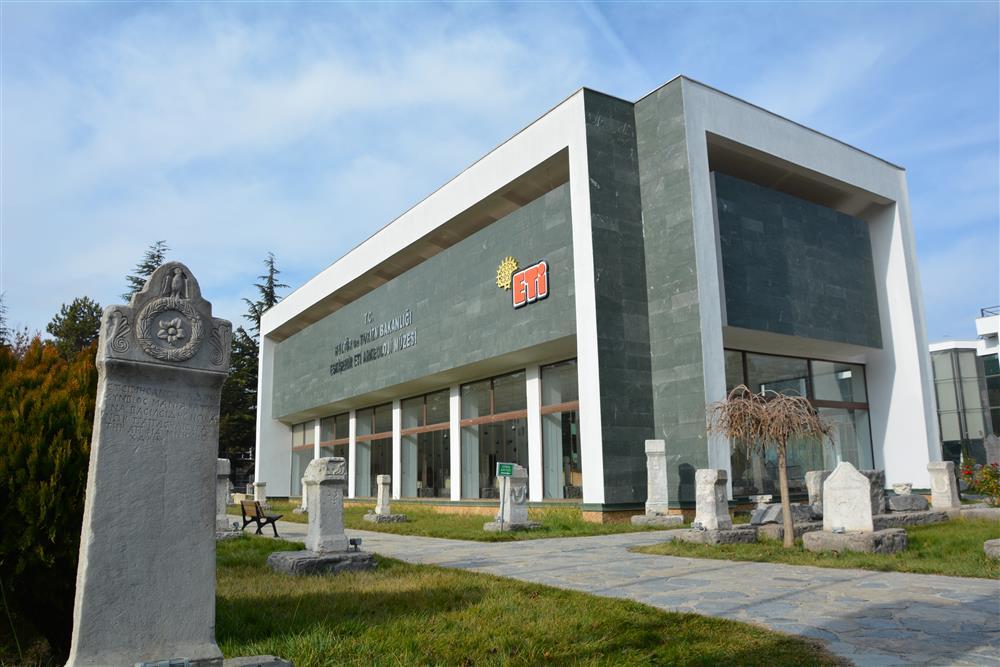
Eskişehir Eti Archaeology Museum is a cultural institution established to preserve, display and scientifically document the cultural heritage of the region spanning a broad historical spectrum from the Neolithic Age to the end of the Ottoman period. It holds a unique place in the history of Turkish museology as the first museum in Türkiye constructed with private sector funding and donated to the state. Founding History and Development The origins of museum activities in Eskişehir date back to t
EN
Bahtiyar Bora ERGÜN
YaYazılıkaya Valley (Mountainous Phrygia)
The Yazılıkaya Valley is part of the region known as Mountainous Phrygia, located within the boundaries of Eskişehir Province, important. The Yazılıkaya Platform, selected by the Phrygians as a religious center, lies within the valley and is enriched with rock monuments. This region is situated west of Yazılıkaya Village, which belongs to the Inn district of Eskişehir. Monumental rock structures and altars demonstrating the Phrygians’ devotion to the Mother Goddess Matar Kubileya are densely con
EN
Sümeyra Uzun
Derinkuyu Underground City
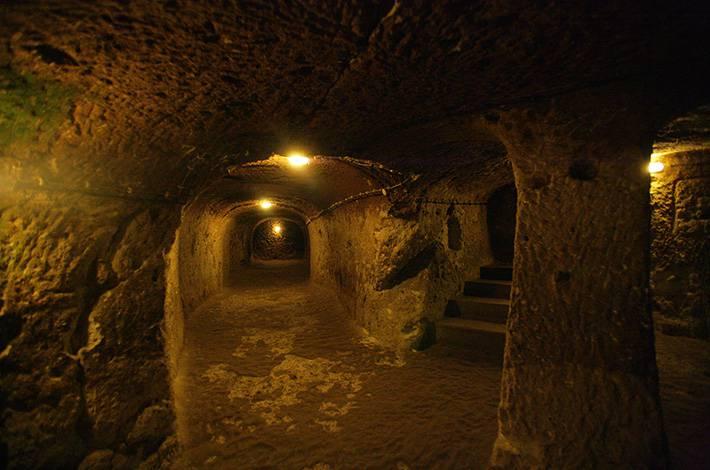
Derinkuyu Underground City is a multi-level subterranean settlement located within the boundaries of the Derinkuyu district in Nevşehir Province, in Türkiye’s Central Anatolia Region. The region features tuff rock formations that are easily excavated due to the geological structure of Cappadocia. Thanks to this characteristic, underground cities have been used for thousands of years for defense, habitation, and production purposes. Historical Origins and Construction Process The initial construc
EN
Nursena Güller
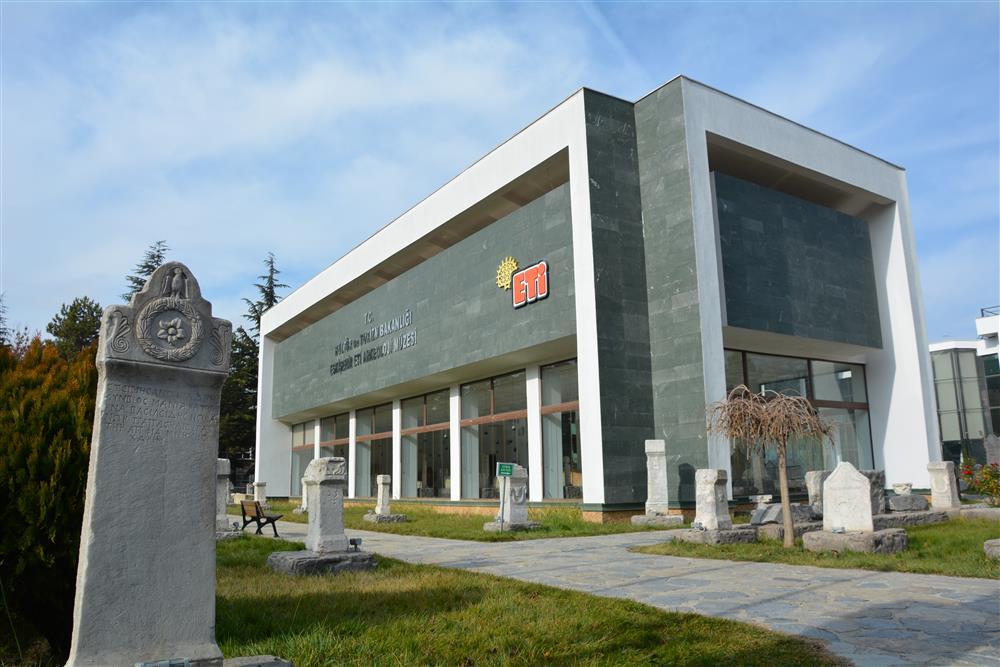
Eskişehir Eti Archaeology Museum
Eskişehir Eti Archaeology Museum is a cultural institution established to preserve, display and scientifically document the cultural heritage of the region, spanning a broad historical spectrum from the Neolithic period to the end of the Ottoman era. It holds a unique place in the history of Turkish museology as the first museum in Türkiye to be constructed with private sector funding and subsequently donated to the state. Founding History and Development Process Eskişehir’s museum activities tr
EN
Bahtiyar Bora ERGÜN