

`photosynthesis` Related Article Results
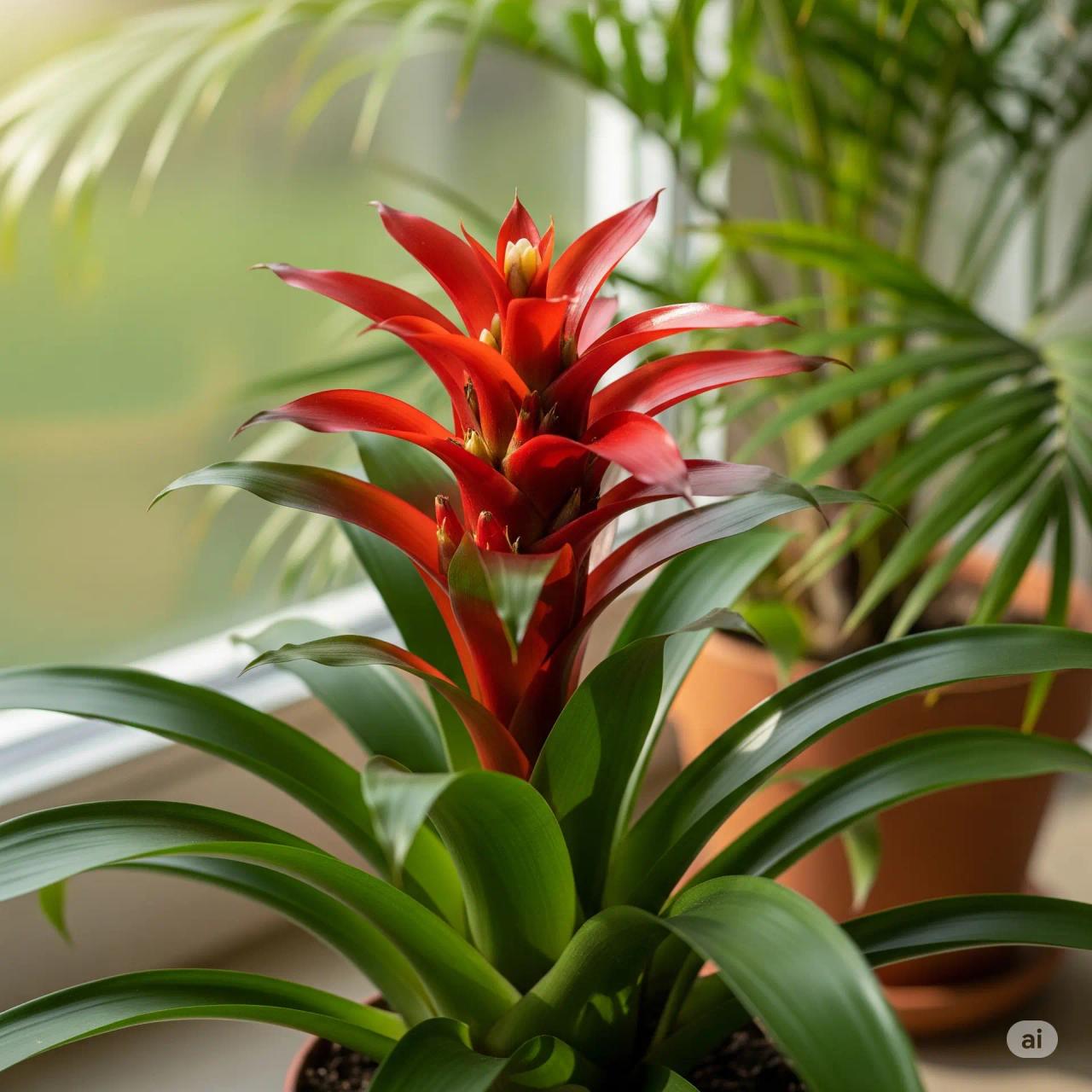
Guzmania
Guzmania is a genus of plants belonging to the family Bromeliaceae, commonly found in tropical regions and typically exhibiting an epiphytic lifestyle. This genus is particularly notable for its brightly colored bracts and striking appearance. Species of Guzmania may be found growing on trees or on the moist forest floor in their natural habitats. These plants have developed specialized adaptations for gathering water and nutrients. The morphological characteristics, ecological adaptations, and
AZ
Okan Kanpolat
Epipelagic Zone
The Epipelagic Zone, the uppermost layer of the World oceans, extends to a depth of approximately 200 meters below the surface. This region is also known as the "sunlight zone" because it is the layer where sun light penetrates the ocean most intensely. The majority of oceanic photosynthesis events occur in this zone, making it of great importance for sea life. Layers of the ocean " image-alternate="" image-element-format="right"> Physical and Chemical Properties of the Epipelagic Zone The ep
EN
Seniha Rabia Özder
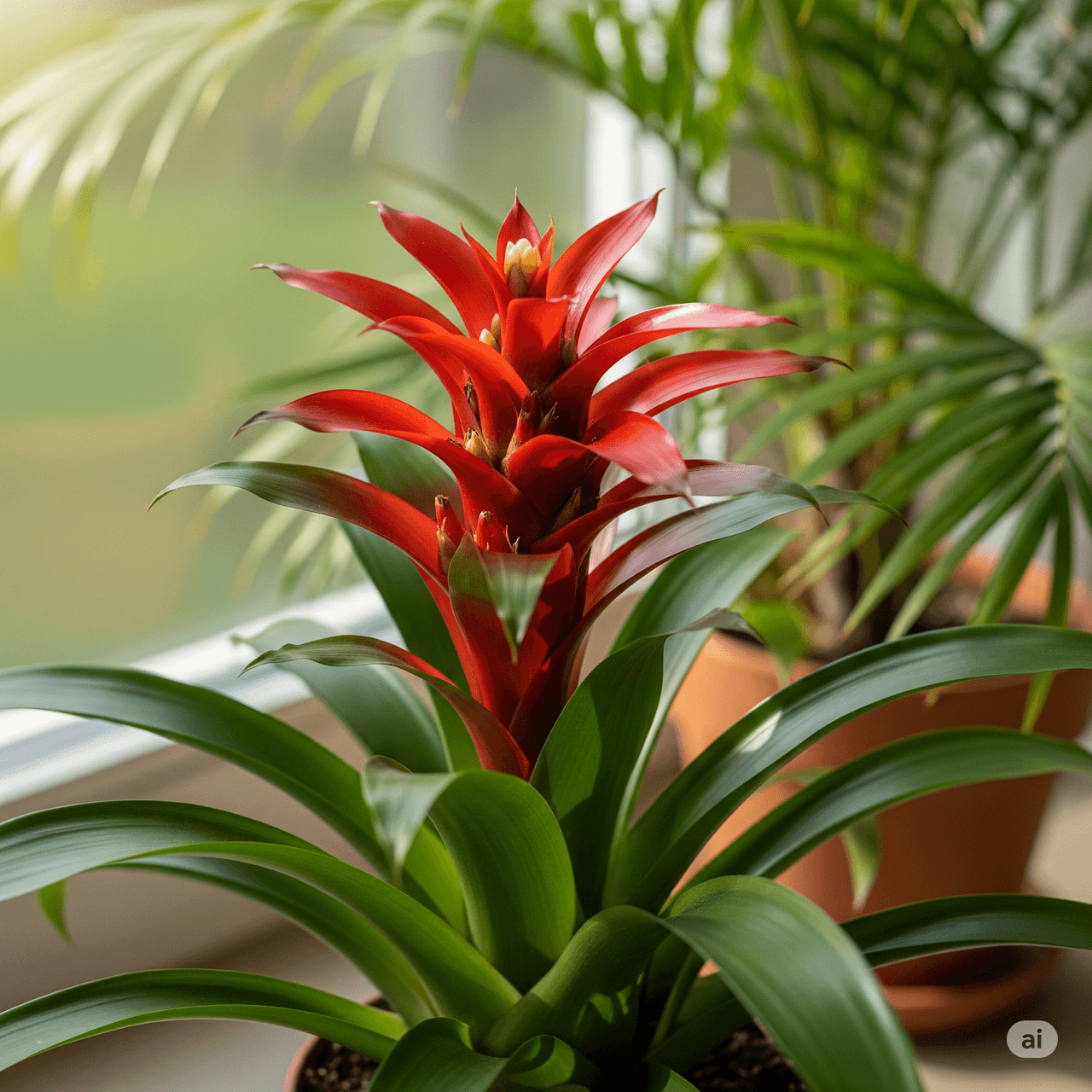
Guzmania
Guzmania is a genus of plants in the Bromeliaceae family, widely distributed in tropical regions and typically adopting an epiphytic lifestyle. This genus is particularly noted for its colorful bracts and striking appearance. Guzmania species can be found in their natural habitats growing on trees or in moist forest floors. These plants have developed specialized adaptations for absorbing water and nutrients. The morphological features, ecological adaptations, and physiological mechanisms of Guz
ENOkan Kanpolat
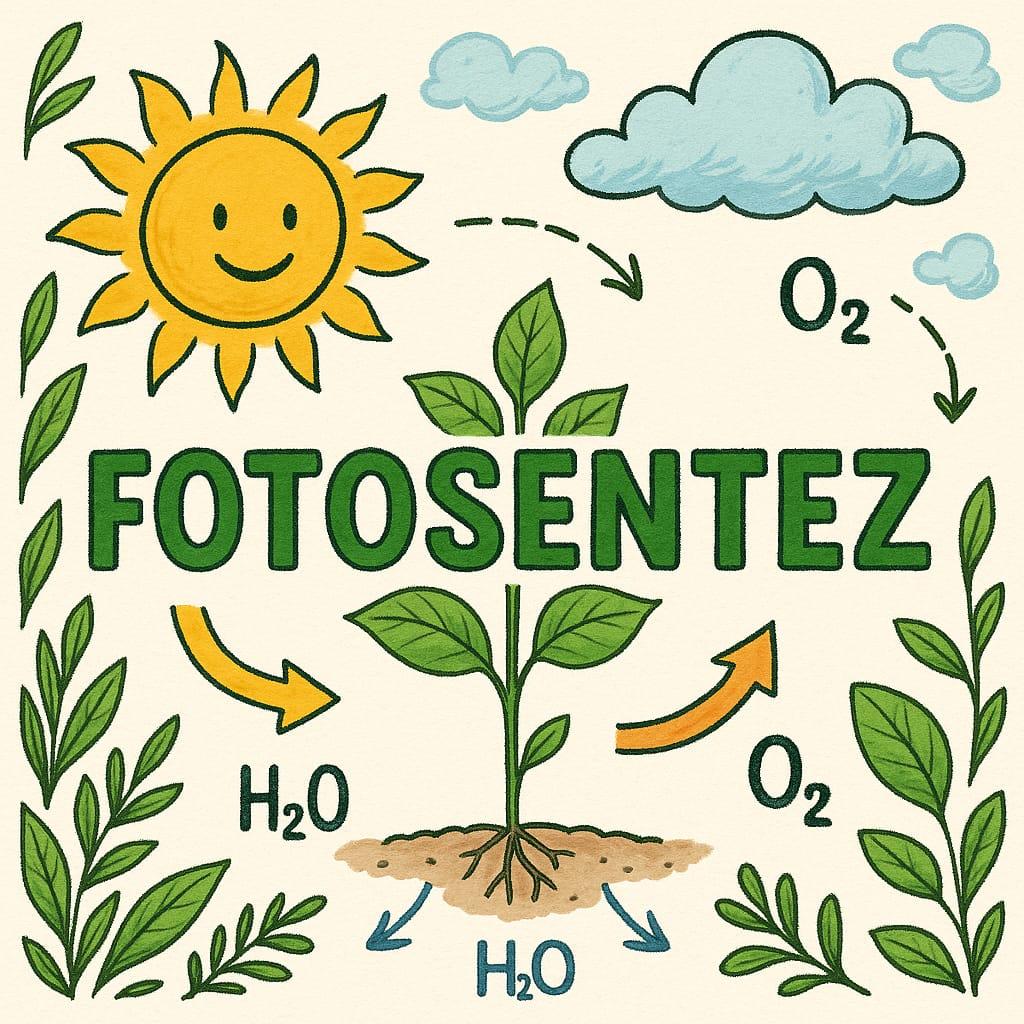
What Is Photosynthesis?
Photosynthesis is the process by which plants, certain algae, and bacteria produce food using sunlight. These organisms combine carbon dioxide (CO₂) from the air and water (H₂O) absorbed from the soil, using sunlight to produce glucose (sugar) and oxygen (O₂). What Is the Purpose of Photosynthesis? The purpose of photosynthesis is to produce the food glucose that the plant needs. This glucose provides energy for the plant’s growth and survival. At the same time, oxygen is released into the envir
EN
Fatma Köroğlu
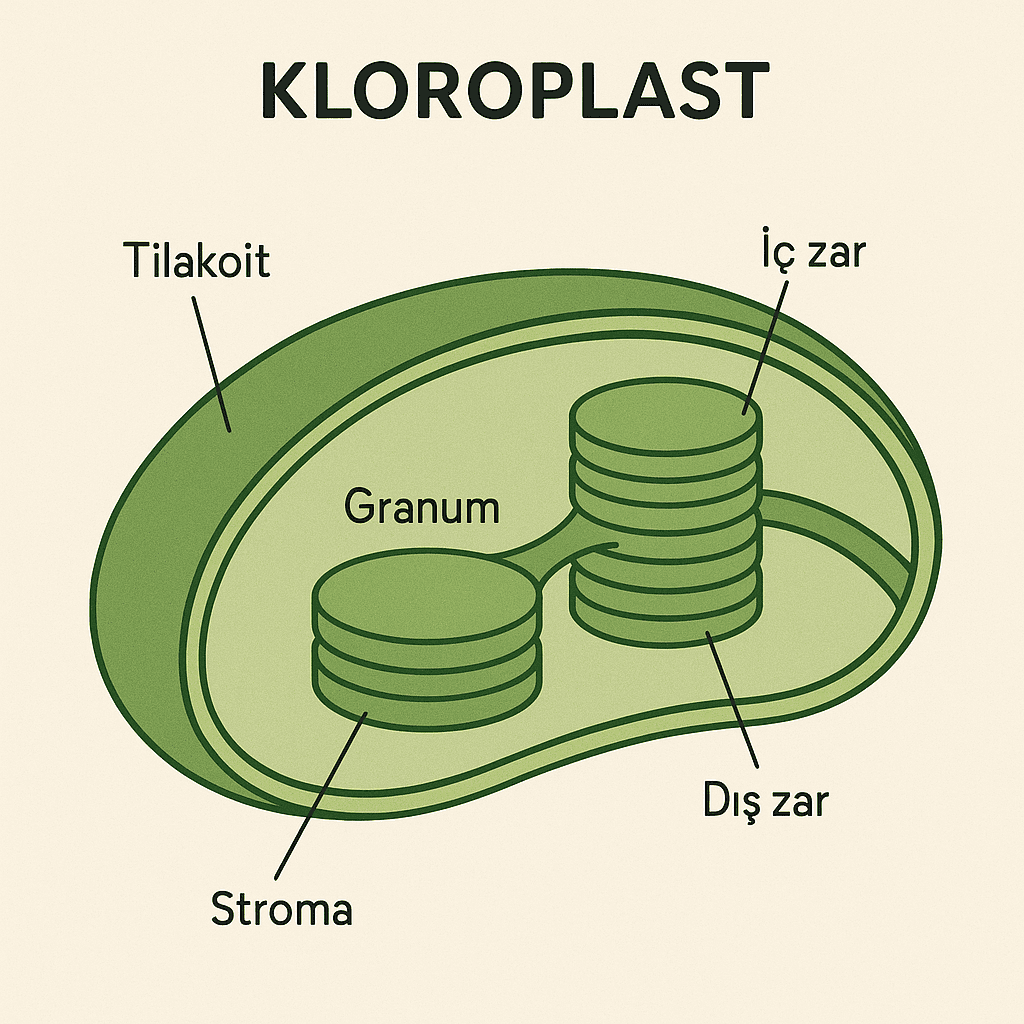
Chloroplast
Chloroplast is an important organelle found in plant, algal, and some protist cells where photosynthesis occurs. This organelle converts light energy into chemical energy, enabling the synthesis of organic compounds. Chloroplasts in eukaryotic cells are surrounded by a double membrane and possess their own genetic material and protein synthesis machinery. Chloroplast Organelle (Generated by Artificial Intelligence.) " image-alternate="" image-element-format="right"> Morphology and Structure o
EN
Zehra Yayla

Photosynthesis (Children)
Imagine, sun you capture its light and generate energy from it. That is exactly what plants do as complete! In tiny “kitchens” inside their leaves — the chloroplasts — they combine sunlight with carbon dioxide (CO₂) absorbed from the air and water (H₂O) drawn up from their roots. The result? Sugary energy and pure, clean oxygen (O₂) that we breathe! This sugar provides the energy plants need to grow and survive. The oxygen is a wonderful gift to us! Image Generated by Artificial Intelligence " i
EN
Sümeyra Uzun
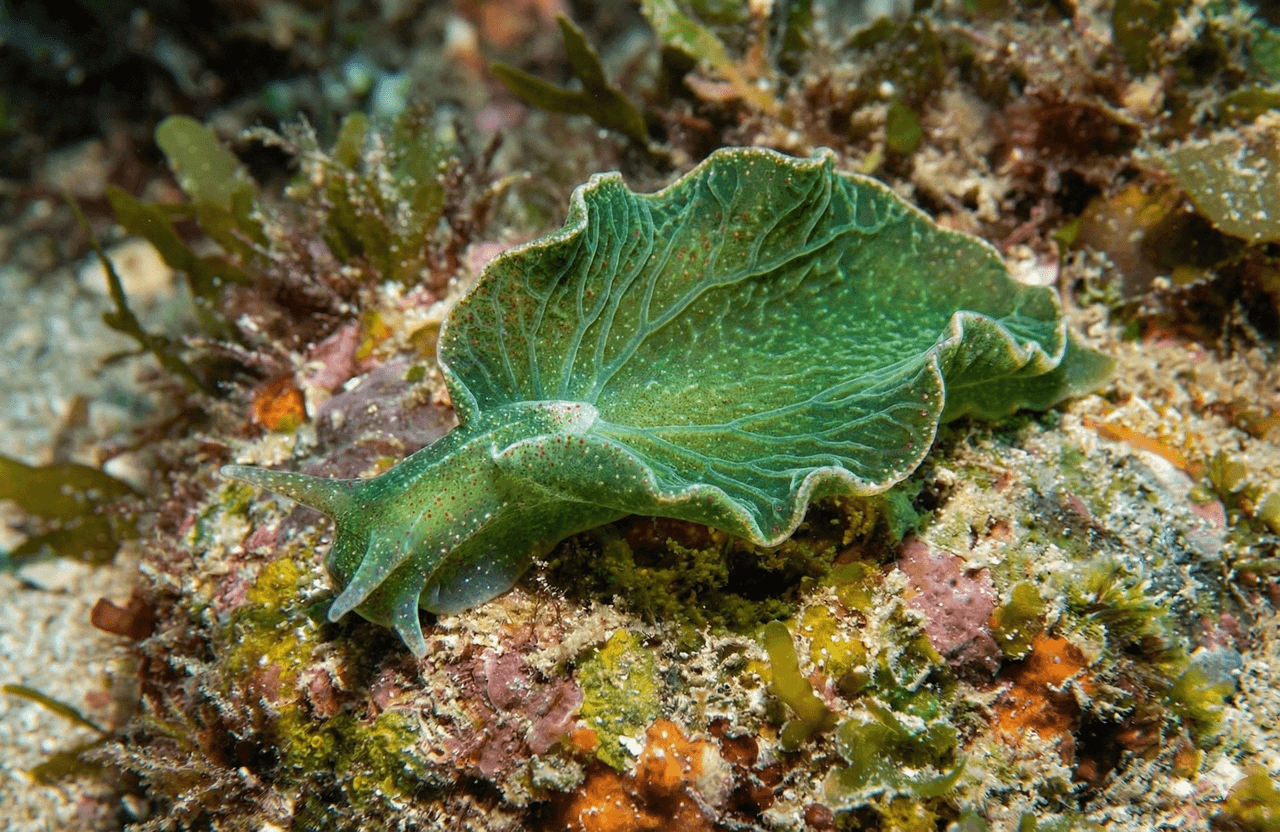
Elysia chlorotica
Elysia chlorotica is a species of sea slug, also known as the eastern emerald elysia, capable of performing photosynthesis by retaining chloroplasts obtained from the alga Vaucheria litorea (alg) within cells of its digestive system. Belonging to the order Sacoglossa (sap-sucking mollusks), this species can survive for months on sunlight alone, even in the absence of food, thanks to the rare ability among animals known as kleptoplasty (chloroplast theft). It inhabits salt marshes and shallow cre
EN
Muhammed Samed Acar
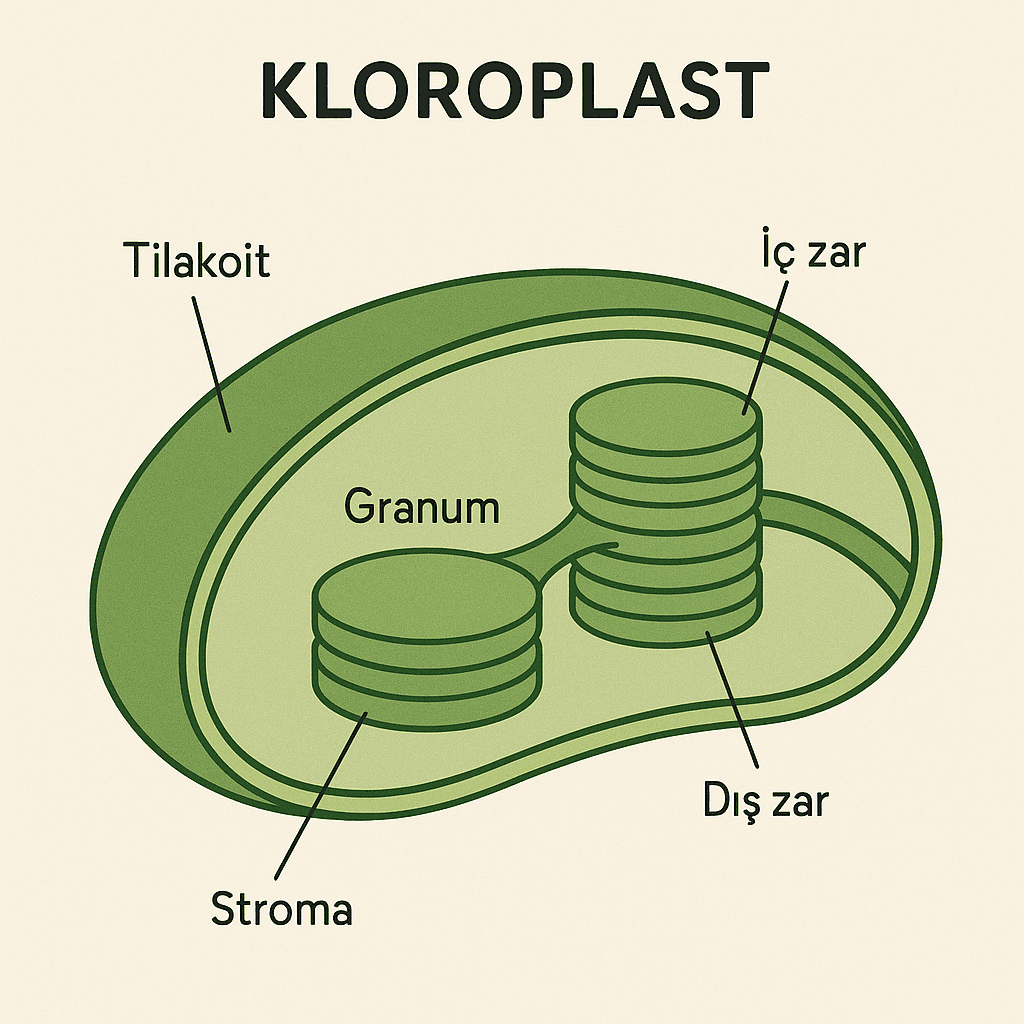
Chloroplast
Chloroplast is an important organelle found in plant, algal, and some protist cells where photosynthesis occurs. This organelle converts light energy into chemical energy to enable the synthesis of organic compounds. Chloroplasts in eukaryotic cells are surrounded by a double membrane and contain their own genetic material and protein synthesis machinery. Morphology and Structure of the Chloroplast Chloroplasts are typically oval or disc-shaped with diameters ranging from approximately 5 to 10 m
EN
Zehra Yayla

Daylight
Sunlight is the natural light emitted by the Sun and reaching the Earth's surface. Due to refraction, reflection, and scattering phenomena in the atmosphere, it is perceived in different colors and intensities. Sunlight lies within the visible light region of the electromagnetic spectrum and serves as the primary light source detectable by the human eye. Sunlight (AA) " image-element-format="right" image-source="https://cdn.t3pedia.org/media/uploads/2025/07/19/6GT3IqU8Z1xA0KrqKW6dLMLlffDFY8zM.pn
ENElyesa Köseoğlu
 Wh
WhWhat Is Daylight?
Sunlight is the natural light emitted by the Sun that illuminates the Earth’s surface. This light reaches our planet at different angles from morning until sunset. As sunlight passes through the atmosphere, it scatters and illuminates the Earth. This natural light enables us to see during the day and is one of the fundamental requirements for life. Without sunlight, our world would remain in darkness and life in nature would cease to exist. Role in Nature: Photosynthesis and Life Sunlight is ess
EN
İbrahim Filiz