

`philosophy-of-life` Related Article Results

Invisible Fatigue
You slept until ten in the morning and did not physically accomplish anything, yet you wake up with the weight of carrying the entire world on your shoulders. Does this sound familiar? Because fatigue is not only a physical state—it is above all a mental one. Sometimes the heaviest burdens accumulate not in our hands but in our thoughts. The Curse of Modern Times: The Pressure to Be Productive In today’s world, stopping is almost perceived as a “crime” or a “shame.” Even when resting, we force o
EN
Sena Nur Dündar
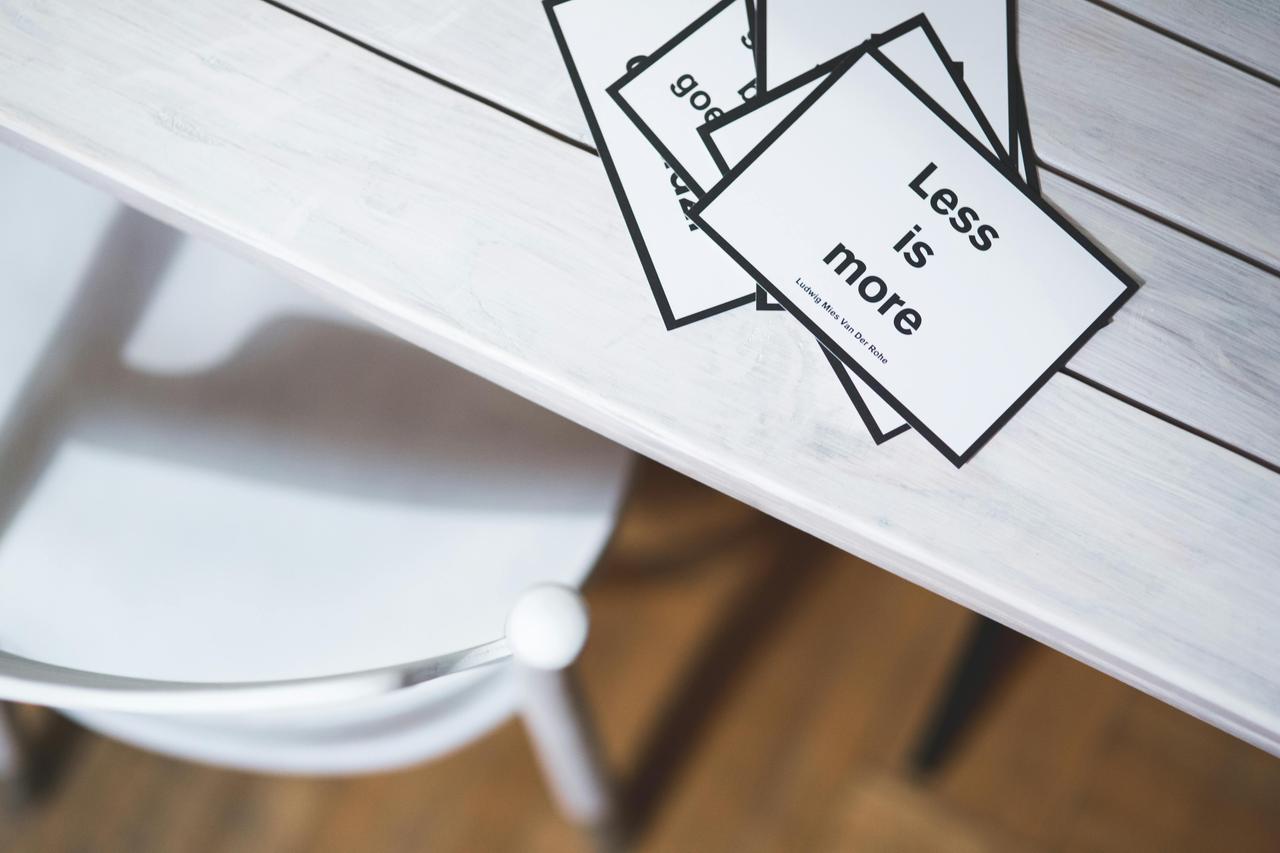
Less Is More: Less Is Enough
"Less is more" (Az çoktur) is a concise phrase that encapsulates the philosophy of minimalism, first articulated by Ludwig Mies van der Rohe, one of the pioneering figures of twentieth-century modern architecture. Over time, this principle has resonated across numerous fields including design, architecture, art, literature, and lifestyle. It embraces a design ethos that prioritizes simplicity and functionality by eliminating unnecessary ornamentation and excess. Gradually, it evolved from being
EN
Zeynep Duvar

We Must Interpret the World Correctly
The world, with its mountains, plains, waters, plants, animals, and people, is a vast sphere. In the universe, however, it is but a speck. Despite how chaotic it may seem—from the planet’s rapid rotation on its own axis and around the Sun to the functioning of its living beings and their needs—no one fears that the world might fall. For however terrifying the situation may appear, it is grounded in a cause and accepted as normal. If, despite the terrifying forces beyond our planet, humans can st
EN
Hilmi Onur Kaya

But life cannot be lived at twice the speed!
Something has changed. It is not only technology; our perception of time, our tolerance for waiting, and even the way we experience emotions have changed. Now almost every platform offers the option to watch or listen to content at 2x speed. Listening to a podcast at normal speed feels too long, we speed up educational videos, and skip slow-moving scenes in series. The minutes we believe we gain for productivity seem to force us constantly to catch up with more and more. Because all of us are tr
EN
Esra Abdulazizoğlu

Emotions That Don't Fit in the Suitcase: The Trace Left Behind by Every Journey
When preparing for a journey, we stare for hours at the empty suitcase spread out on the bed. Clothes are folded with care, favorite shoes are stacked one atop another, and charging cables are wound carefully to avoid knots. The moment we finally fit everything in and zip it shut, even with effort, a sweet sense of accomplishment awakens within us. We are now physically ready. But what about the invisible burdens we fail to notice, never listed, never packed? What about the feelings that simply
EN
Nida Üstün

The Silent Lesson of Nature: Learning Patience and Trust in Time from the Green
In today’s world, we have become so accustomed to accessing everything with a single click and fulfilling every desire instantly that waiting, pausing, and simply leaving things to time have turned into burdens we can barely tolerate. Right in the midst of this rush, a small potted plant standing alone by the window whispers to us the most ancient wisdom we have forgotten: patience and trust in time. A plant’s journey of life begins in darkness and silence beneath the soil. When we plant a seed,
ENNida Üstün