

`philosophy` Related Article Results
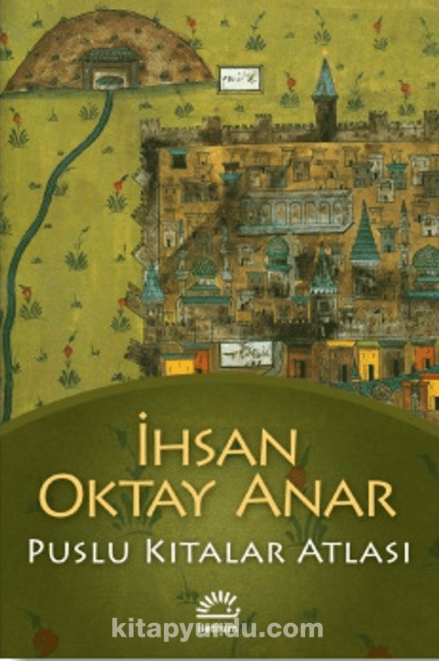
Atlas of Misty Continents (Book)
Foggy The Atlas of Misty Continents is known as a novel by İhsan Oktay Anar that blends his distinctive has style with literary traditions Turkish and reality. Roman transports the reader to 17th-century Ottoman Istanbul while offering a narrative enriched with philosophical inquiries and fantastical elements. Author constructs a multilayered story that deeply explores the individual’s quest for meaning and the complexity of human nature. Puslu Kıtalar Atlası " image-alternate="" image-element-f
EN
Ahsen Karakaş
 Th
ThThe Good Place (TV Series)
The Good Place is a fantasy comedy series produced by the U.S.-based television network NBC, which aired from 2016 to 2020 and explores philosophical and ethical themes through a humorous narrative. The Good Place - (IMDb) " image-element-format="right" image-source="https://cdn.t3pedia.org/media/uploads/2025/05/19/cPWUYvonyZF8IOaQ3stDvWd2OgwKwAJL.jpg"> Production Information and General Overview The series was created by Michael Schur. Comprising four seasons and a total of 53 episodes, it r
EN
Yahya B. Keskin
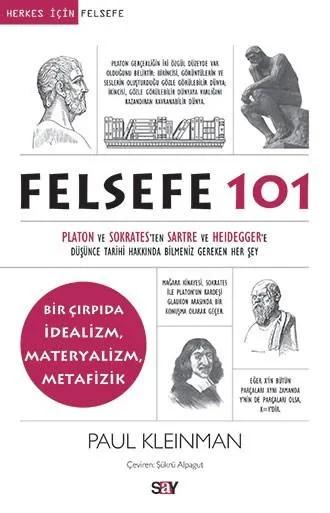
Philosophy 101 (Book)
Philosophy 101: A Basic Introduction to Ethics and Metaphysics from Plato and Socrates to the History of Thought, written by Paul Kleinman, is a work that explains the fundamental concepts and historical development of philosophy in simple language. Published in 2013 by Adams Media, the book aims to introduce the main figures, theories, and concepts of Western philosophy. Kleinman has created a guiding resource for newcomers to philosophy by presenting complex philosophical ideas in an accessibl
EN
Meryem Beyza Utkulu
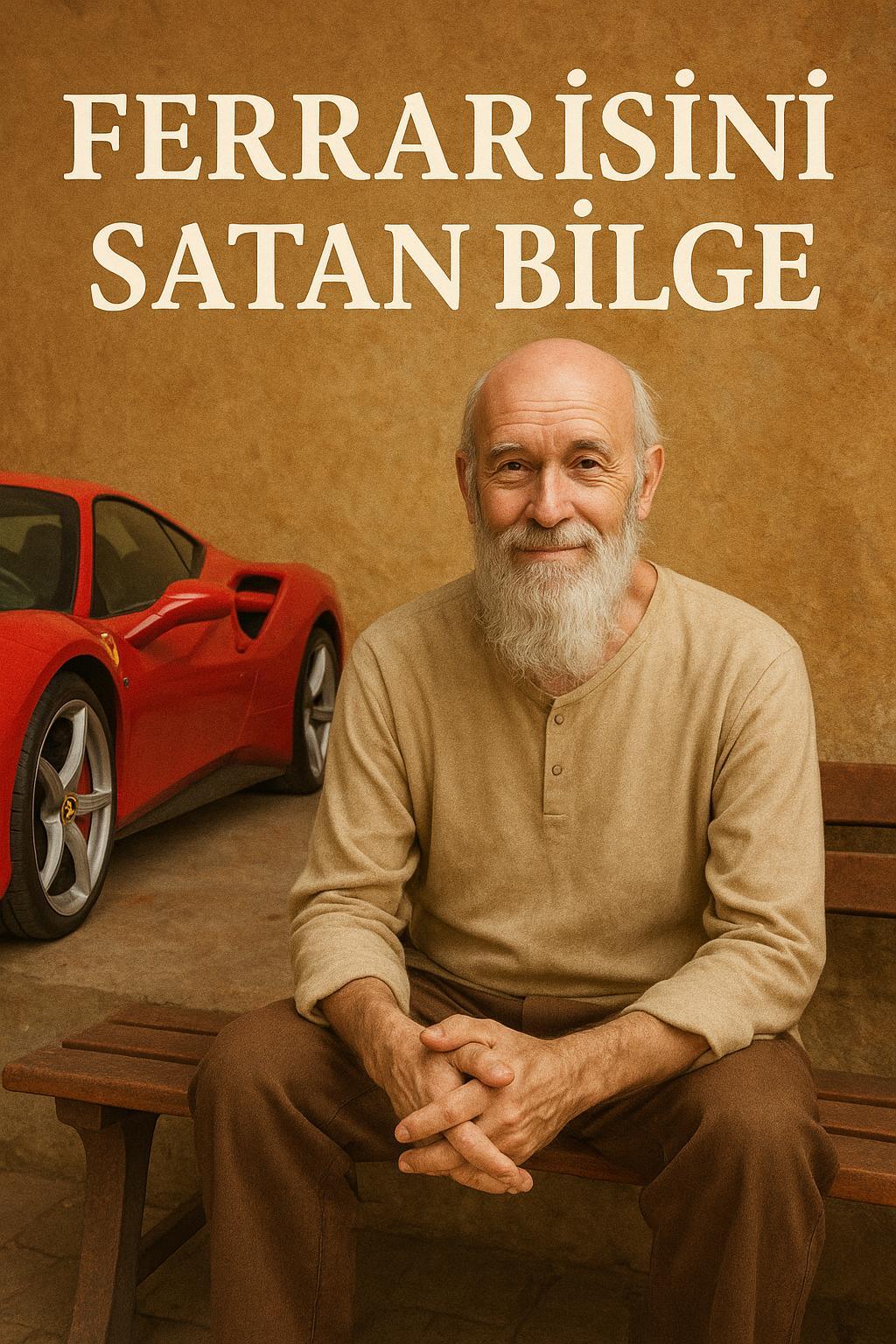
Bilge Who Sold His Ferrari (Book)
The Sage Who Sold His Ferrari is a work by Robin Sharma. Modern illustrates how individuals lose touch with inner peace while focusing on external success. The book is not a tale of success but a narrative of awakening that reconstructs the very definition of success. real Subject The book’s main character, Julian Mantle, is a lawyer who has reached the pinnacle of societal admiration. His luxurious lifestyle, his red Ferrari, and his victorious cases lead others to perceive him as an “successfu
EN
Harun Uncu
Leviathan (Book)
The English philosopher Thomas Hobbes published Leviathan in 1651, and it is regarded as one of the foundational texts of modern political philosophy. The full title of the work is Leviathan, or The Matter, Forme and Power of a Common-wealth Ecclesiasticall and Civil, and it presents a comprehensive theory of politics, beginning with human life in the state of nature and extending to the nature of the state and the legitimacy of political authority. According to Hobbes, human beings are by natur
EN
Hüseyin Özil

Good Place (TV Series)
The Good Place is a television series that aired in the United States from 2016 to 2020, exploring themes of ethical philosophy and human nature through the comedy genre. Created by Michael Schur, the series is set in a fictional afterlife realm designated for “good people.” The show gained attention for integrating moral philosophy into a popular television format and was nominated for numerous national and international awards. Summary The series begins with Eleanor Shellstrop, a woman who dis
ENMeryem Beyza Utkulu
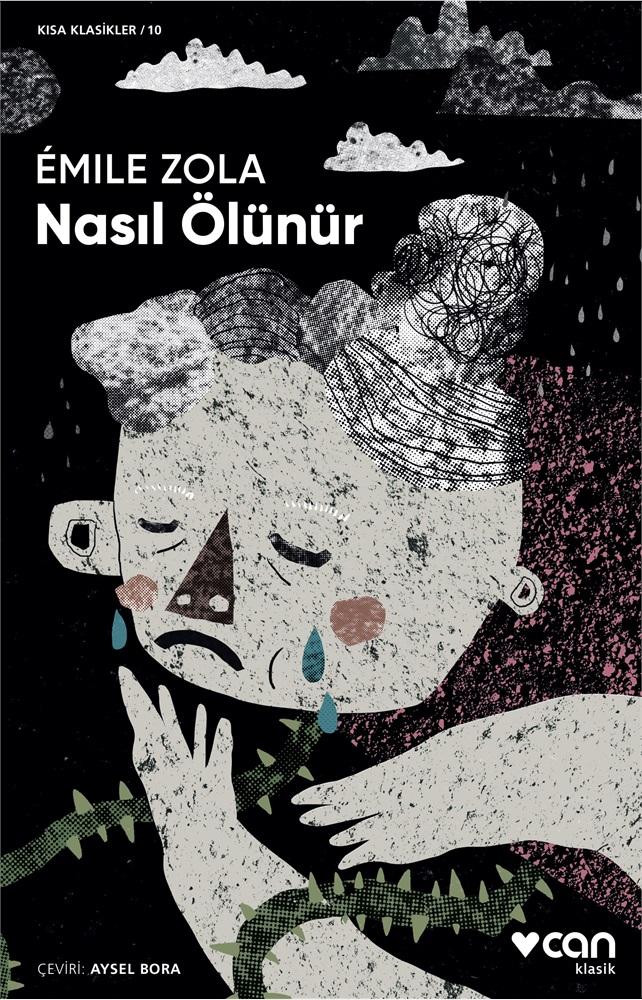
How to Die (Book)
Émile Zola’s work How to Die is a collection of various essays on death written by the author. Therefore, rather than being a single novel with a specific plot, style, and theme, it comprises reflections written at different times and examining the phenomenon of death from multiple perspectives. Subject and Themes of the Book The book consists of essays of varying lengths, inspired by Zola’s personal experiences, observations, and events of his time. Philosophical and Social Dimensions of Death:
EN
Emirhan Fındık
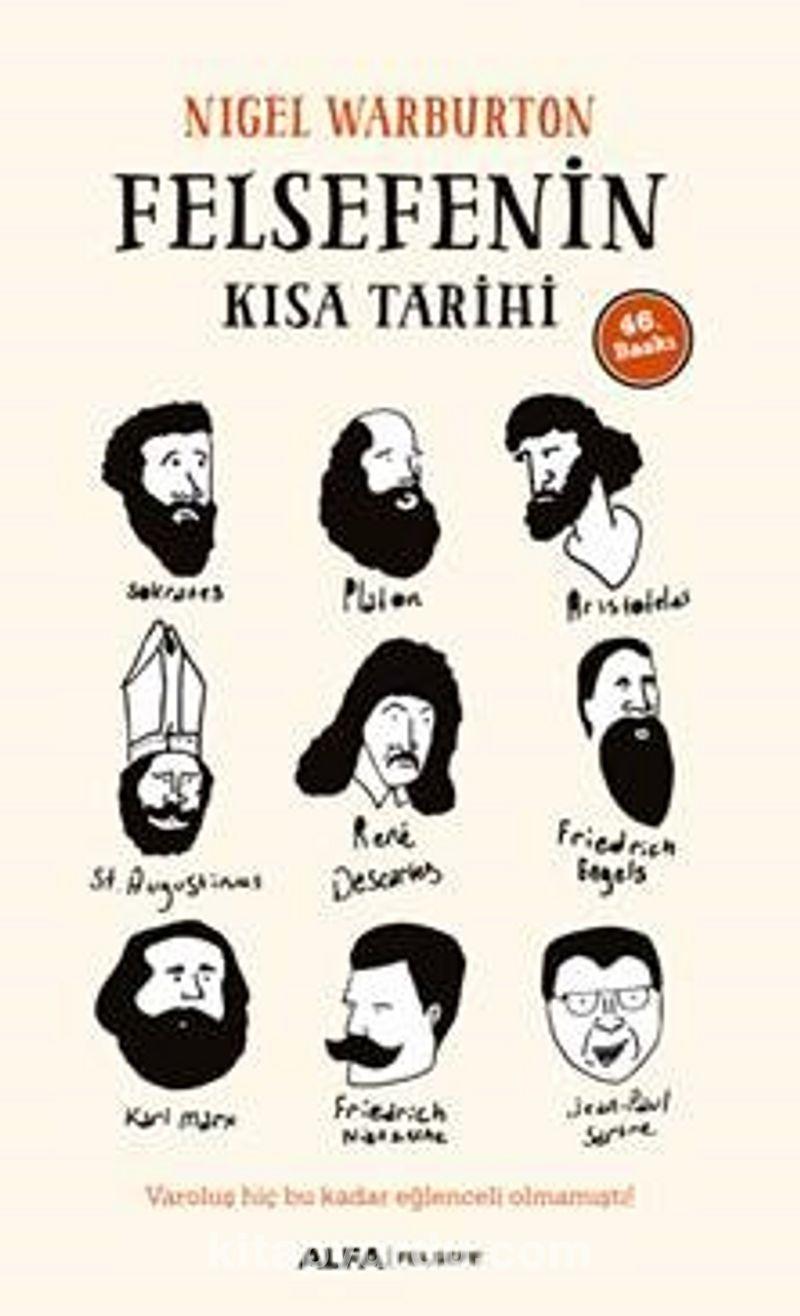
Short History of Philosophy (Book)
Nigel Warburton’s A Short History of Philosophy is a history of philosophy that presents the approximately 2400-year development of Western philosophy in a clear, systematic, and accessible style. First published in 2001, the book introduces readers to a broad intellectual tradition stretching from Socrates to Peter Singer, presenting the evolution of philosophical thought in chronological order. It is structured to appeal both to academic audiences and to readers new to philosophy. Structure an
ENMeryem Beyza Utkulu
PhPhilosophy of Dance
Philosophy of dance is a field that examines fundamental philosophical questions such as the ontology, aesthetics, epistemology, and ethical dimensions of dance. This discipline addresses questions like what dance is, how it can be considered an art form, what meanings it carries, and how it produces knowledge and expression through bodily movement. It also analyzes the relationship between dance and society, culture, identity, and politics from a philosophical perspective. In this way, the phil
EN
Aslı Öncan
PhPhilosophy of Theatre
Philosophy of theatre is a branch of philosophy that produces systematic thought on the nature, purpose, function, and fundamental concepts of theatre. It addresses the basic elements of the art of theatre—such as representation, imitation, reality, fiction, acting, the relationship with the audience, and staging—at a conceptual level. The philosophy of theatre establishes a field of critical thought on theatre by questioning how it differs from other art forms, its social and ethical dimensions
ENAslı Öncan