

`phenomenology` Related Article Results
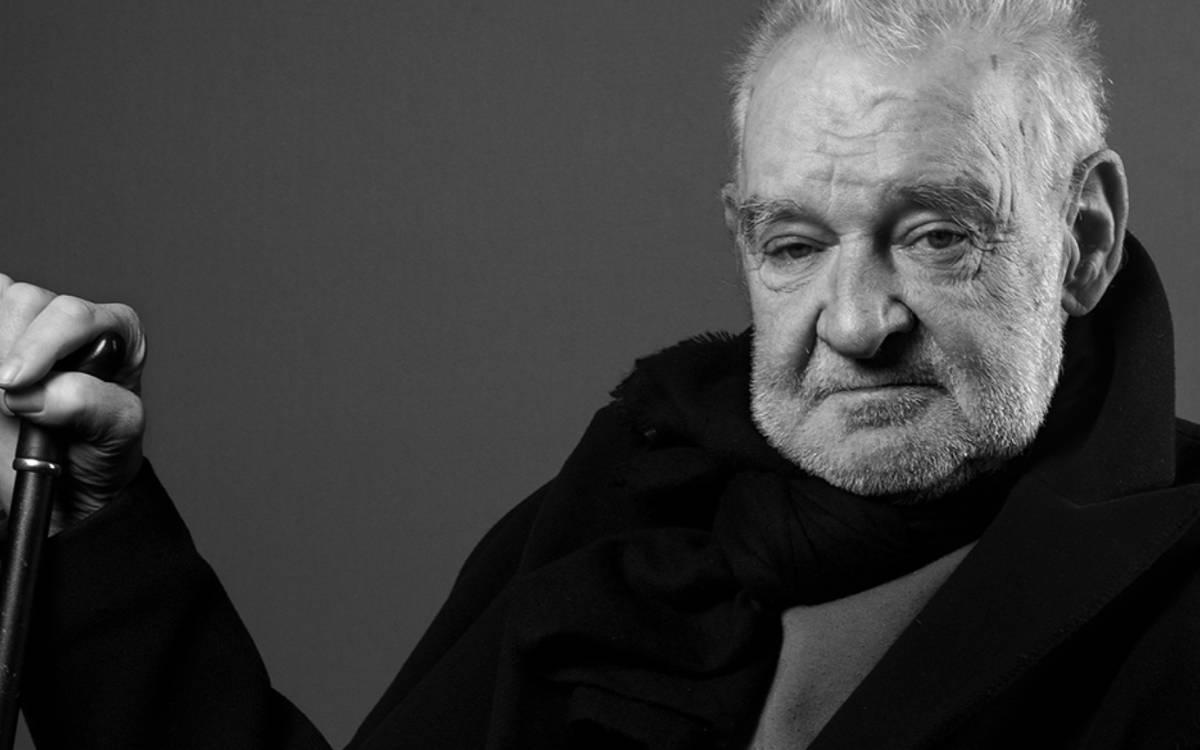
Béla Tarr
Béla Tarr is one of the most important directors in the history of Hungarian cinema. Born on 21 July 1955 in Pécs, he died in Budapest on 6 January 2026. Over his career from 1977 to 2011, he directed nine feature films, known for formal choices that fundamentally depart from the traditional cinematic understanding of time and space. His films are characterized by black-and-white cinematography, extremely long takes (sequence shots), and the absence of conventional narrative structures. His work
EN
Mehmet Ali Kapan

Peter Zumthor and Therme Vals: The Sensory Architecture of Stone, Light, and Water
Peter Zumthor’s architectural approach transcends the purely rational and visually oriented templates of modernism, embodying a sensory depth. Zumthor’s philosophy defines space not merely as a physical form but as an “atmosphere” experienced through all human senses. This perspective presents a phenomenological stance that opposes the Cartesian dominance of vision, placing bodily experience and the intrinsic meaning of materials at its center. The architect treats architecture not only as an ar
EN
Kübra Gül Sol
Psychologism
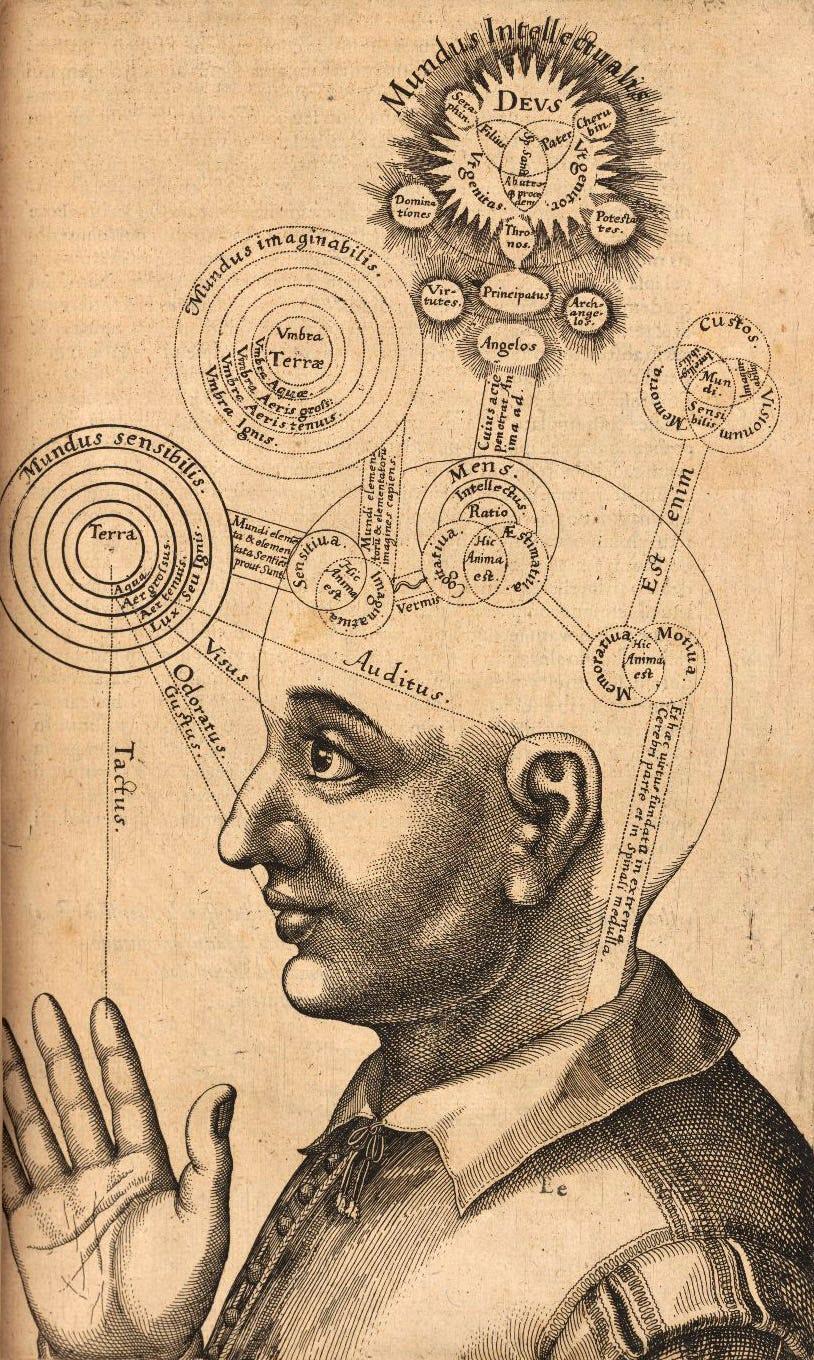
Psychologism is a stance in the philosophy of logic that fundamentally reduces logical and mathematical truths to psychological facts. For instance, the psychologistic position holds that the laws of logic themselves carry no intrinsic meaning but are merely psychological laws describing how the mind thinks. Historically, those who advocated psychologism as an intellectual movement adopted this stance. This current of thought characterizes certain attitudes displayed by some thinkers in 19th-cen
EN
M. Esad Çetin

Ontology (Phenomenology)
Phenomenology is a philosophical approach and qualitative research method that seeks to understand the essence of phenomena and the meanings attributed to them by starting from individuals’ lived experiences. The term “phenomenology” is derived from the Greek words “phainomenon” (appearance) and “logos” (reason, discourse) and can be defined in its broadest sense as “the knowledge of appearances.” Edmund Husserl, regarded as the founder of this approach, developed phenomenology as a method focus
EN
Melahat Pamuk
Adlerian Therapy
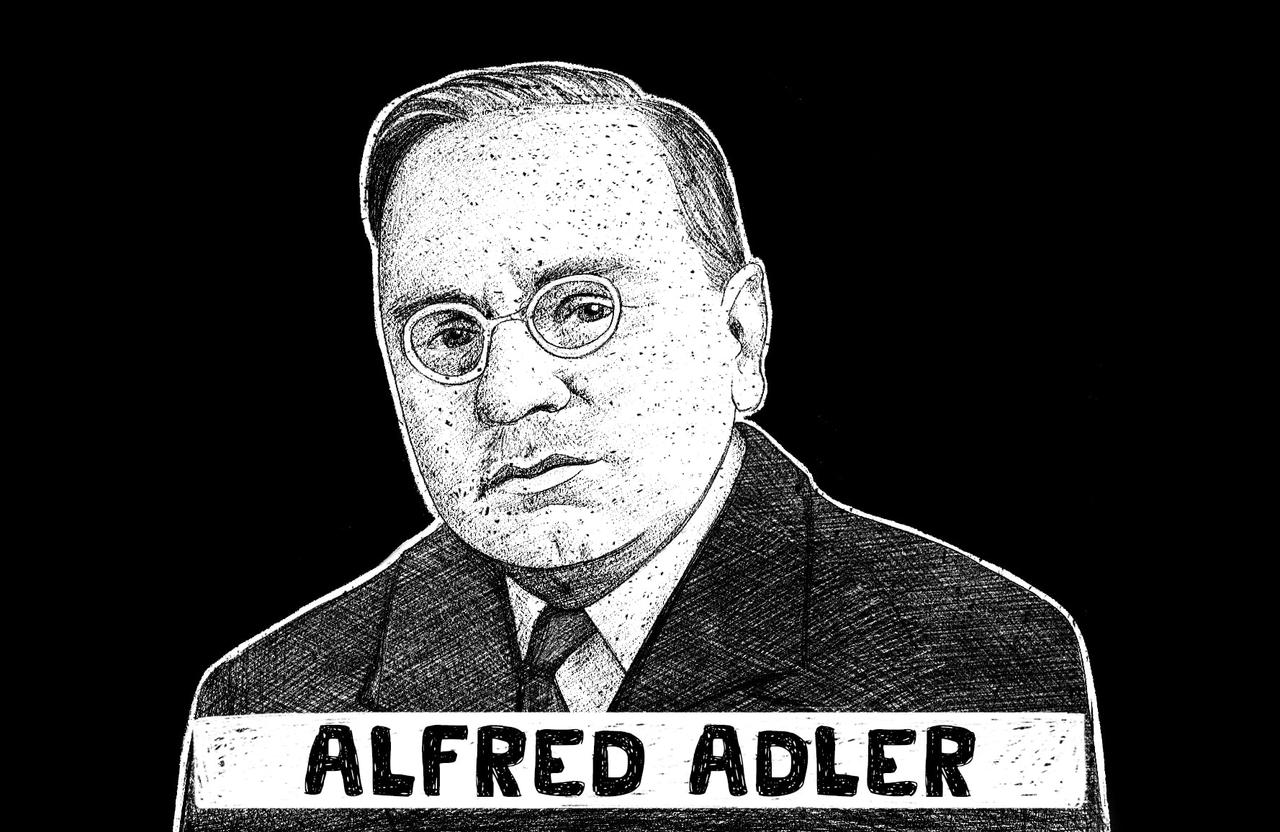
Adlerian Therapy is a psychotherapeutic approach developed by Alfred Adler, the founder of individual psychology, which emphasizes understanding the individual within their social context. This therapy method seeks to understand and resolve psychological issues by analyzing the individual’s lifestyle, early childhood experiences, and relationships within their social environment. According to Adler, the individual strives for effort to overcome an innate feeling of inferiority and to achieve sel
EN
Dilşah Ertan