

`petroleum` Related Article Results
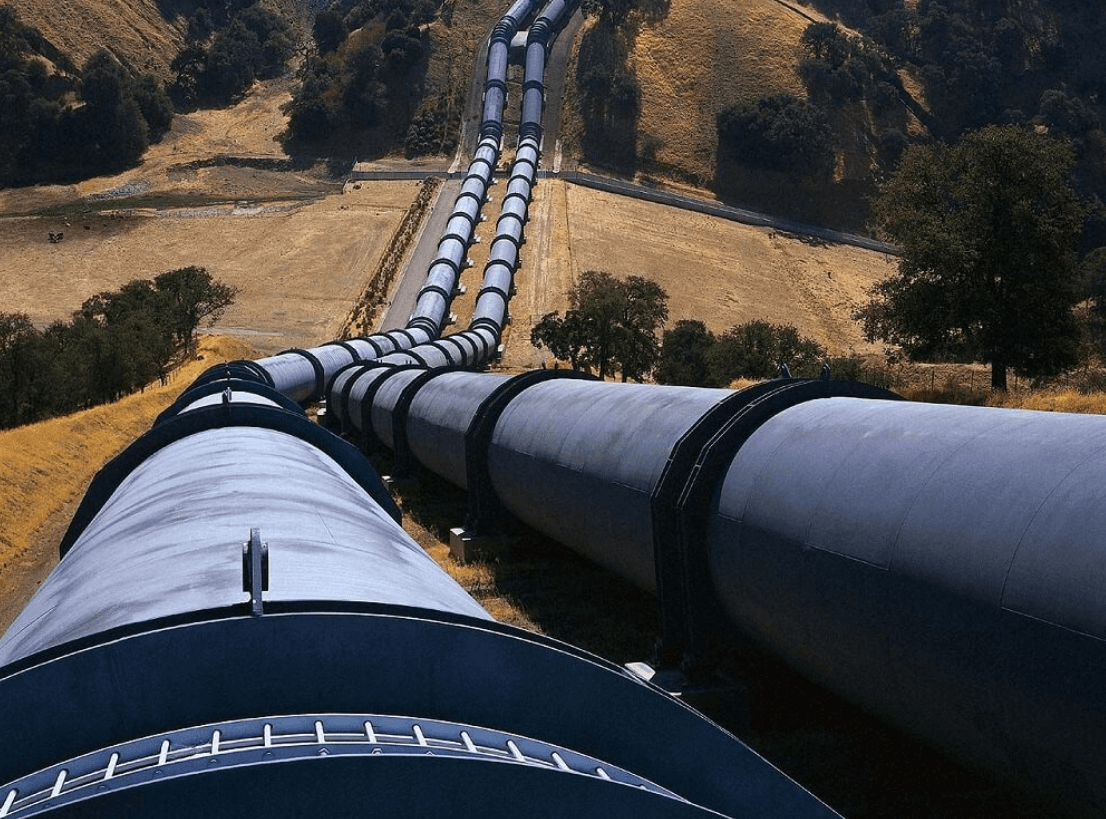
Pipeline Transportation
Pipeline transportation is a critical transport system that enables the economic, fast and reliable movement of energy resources. It is a mode of transport used for the conveyance of crude oil, natural gas, gas, gasoline, and diesel like. It was pioneered in the late 19th century by Vladimir Shukhov and Branobel (the Nobel Brothers). This method method is effective in transporting large volumes of oil and natural gas economically to other regions. Pipelines can also be constructed underwater; ex
EN
Sümeyra Uzun
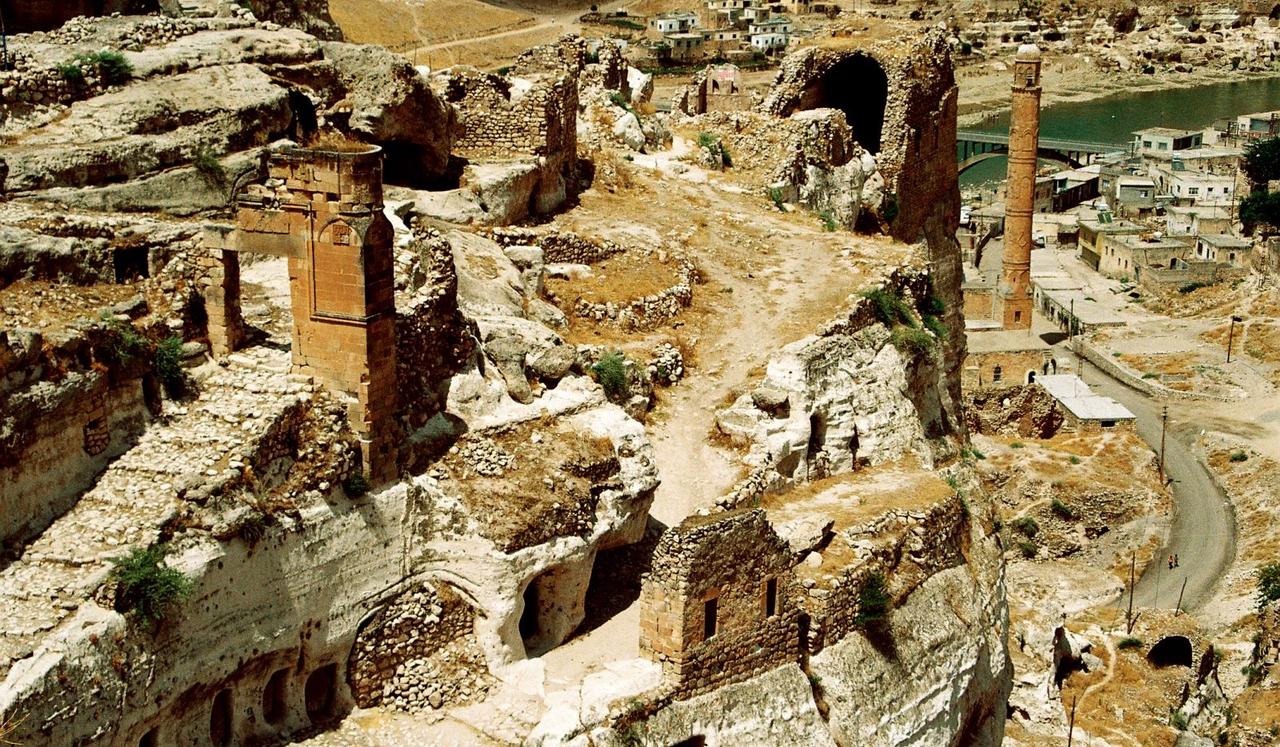
Batman (Province)
Batman is one of the rapidly developing cities in Türkiye’s Southeastern Anatolia Region. Located in the basin between the Tigris River and its tributaries, the Batman and Garzan streams, the province attracts attention for both its historical richness and industry potential. Due to its fertile lands part of Mesopotamia, it has been home to numerous civilizations throughout history and holds significant cultural heritage, particularly through its Hasankeyf like historical settlements. Industrial
EN
Mehmet Salih Çoban
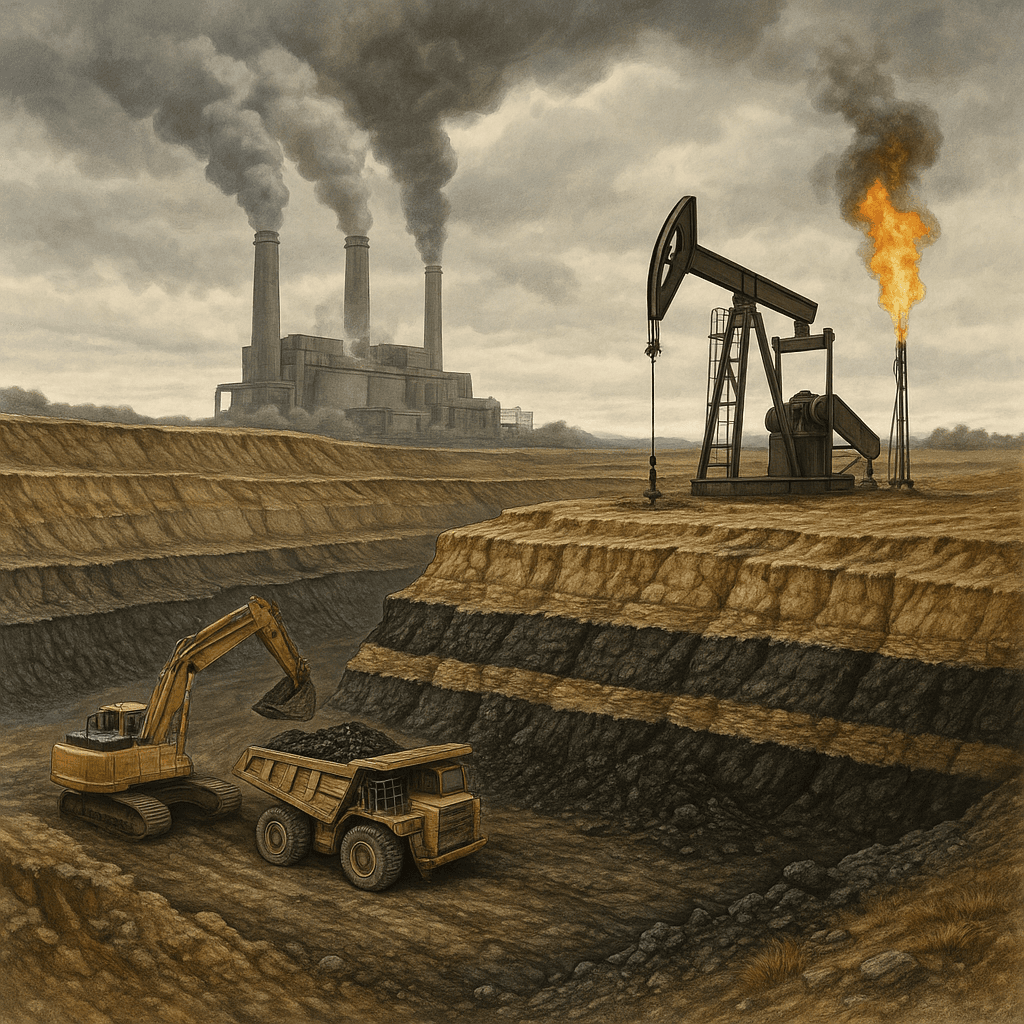
Fossil Fuels
Fossil fuels are non-renewable natural energy sources formed through the chemical transformation of remains of living organisms such as plants and animals that lived millions of years ago, under high pressure and temperature in an oxygen-free environment beneath the Earth’s crust. These fuels are rich in carbon and hydrocarbons. Since they release large amounts of energy when burned, they have become the primary energy source of the modern world since the Industrial Revolution. The most common a
EN
Ömer Said Aydın
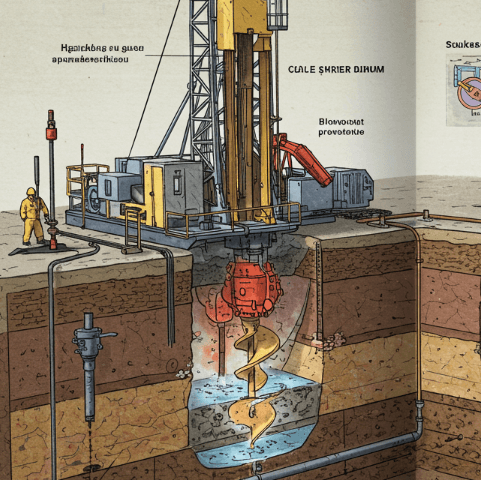
Drilling Technologies
Drilling technology encompasses the methods, equipment, and processes used to bore holes into the Earth’s crust for the purpose of exploring, researching, evaluating, and extracting subsurface resources. This technology serves as a fundamental tool for identifying, extracting, and sustainably managing resources such as oil, natural gas, water, minerals, and geothermal energy. Supported by geological research and engineering knowledge, drilling operations play a critical role across a wide spectr
EN
Elyesa Köseoğlu
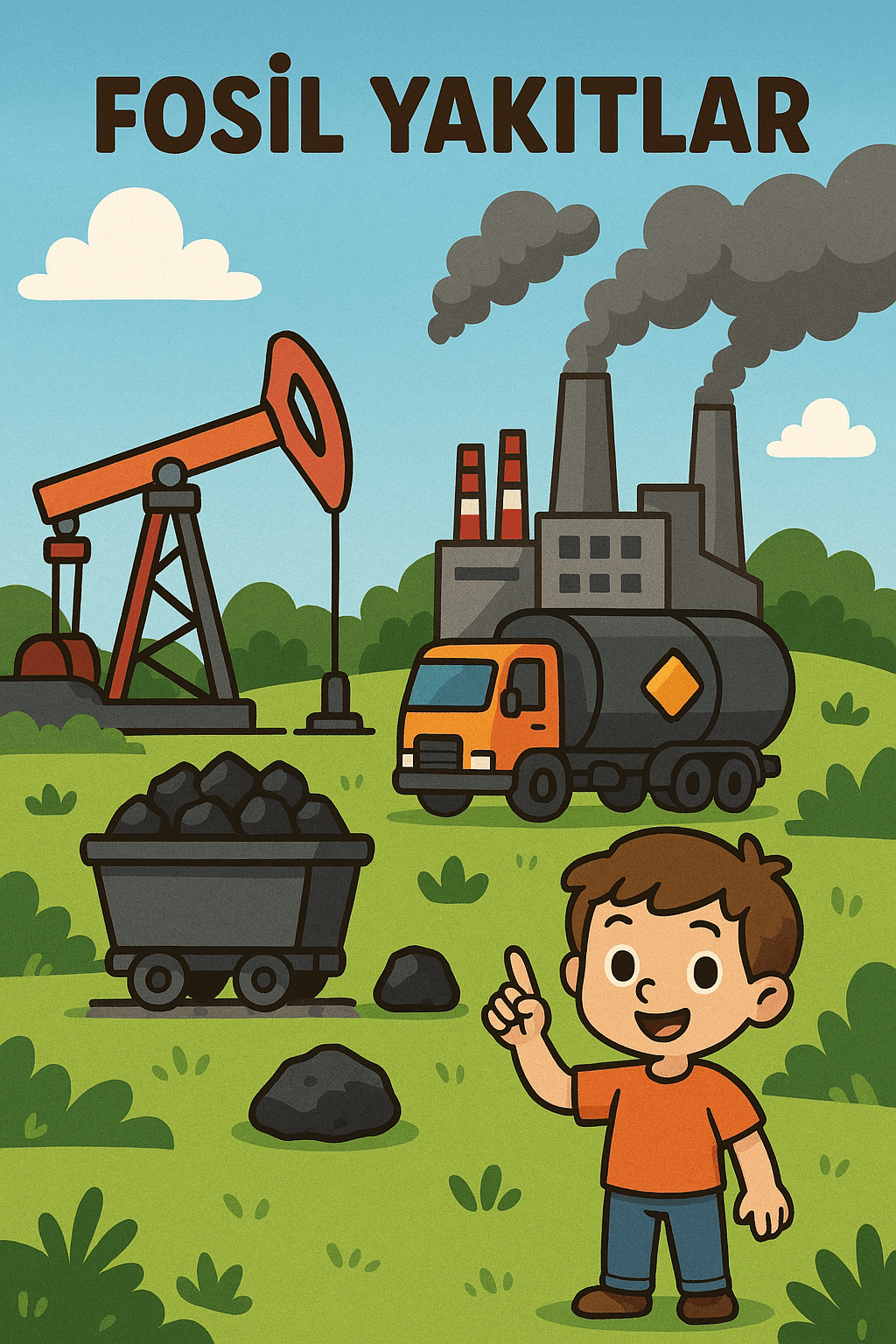
Fossil Fuels
Fossil fuels form when plants and animals that lived millions of years ago were compressed underground and gradually transformed into coal, oil, and natural gas. These fuels are like stored energy hidden deep within the Earth. But this energy can harm the environment. Coal Coal forms when vast forests that existed millions of years ago were buried underground and transformed over time into a hard, rock-like substance. The trees and plants in these forests, deprived of oxygen while submerged in m
EN
Elif Laçin
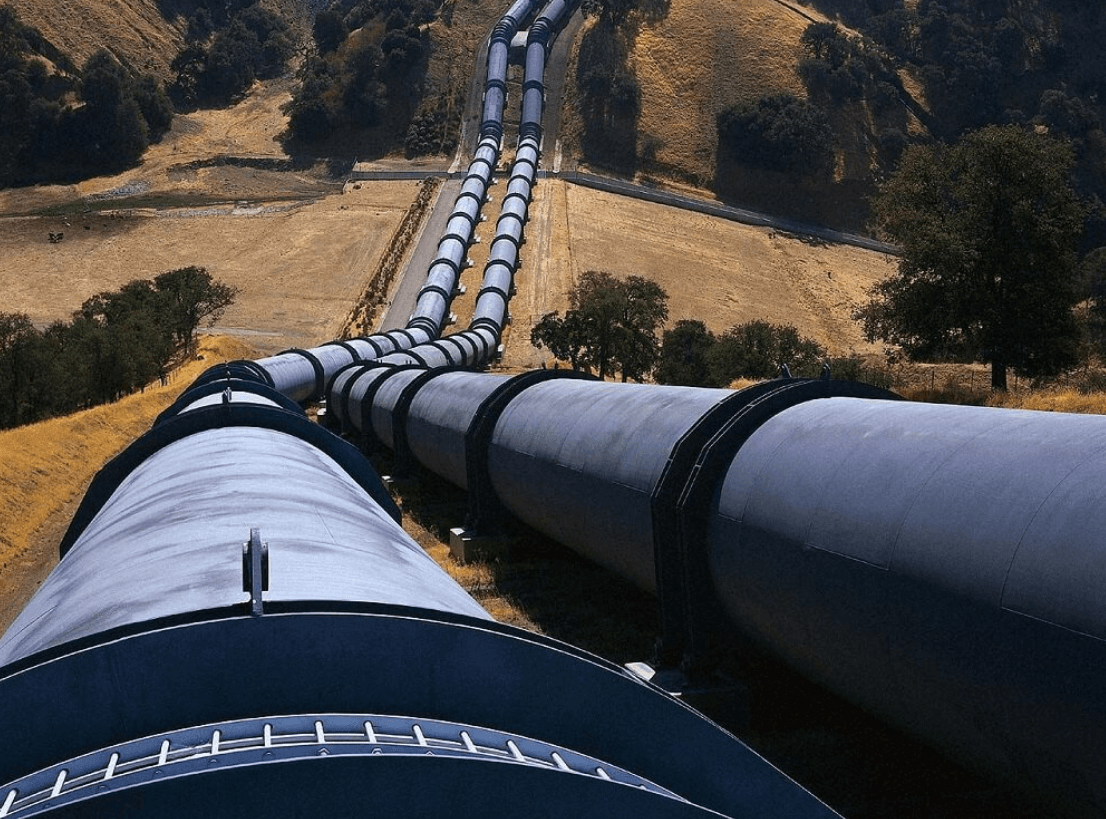
Pipeline Transportation
Pipeline transportation is a critical transport system that enables the economic, fast and reliable movement of energy resources. It is a mode of transport used for the conveyance of crude oil, natural gas, gas, gasoline, diesel and other energy materials. It was pioneered in the late 19th century by Vladimir Shukhov and Branobel (the Nobel Brothers). This method is effective for transporting large volumes of oil and natural gas economically to other regions. Pipelines can also be constructed be
EN
Sümeyra Uzun
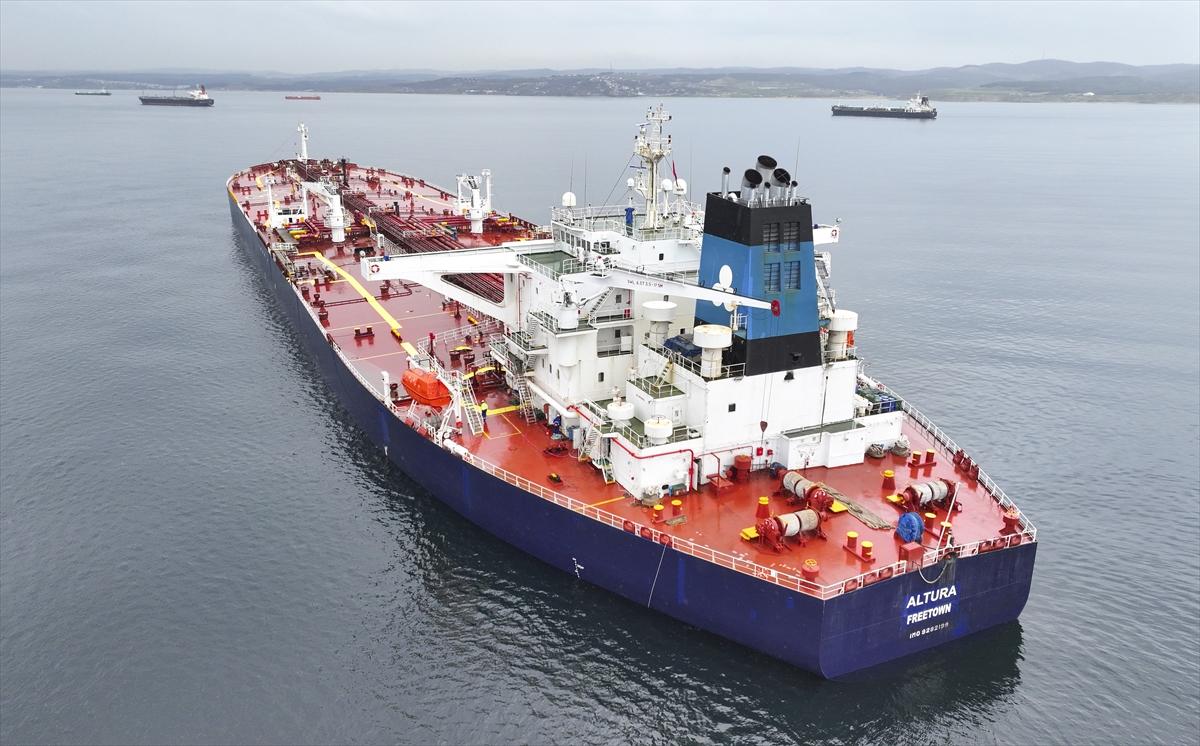
ALTURA Attack on Crude Oil Tanker (2026)
ALTURA crude oil tanker attack is a maritime attack reported to have occurred on 26 March 2026 in the Black Sea approximately 14 nautical miles from the Bosporus Strait, targeting a Turkish-operated crude oil tanker. The attack is said to have involved an external explosion directed at the ship’s engine room, with no casualties or injuries reported. Following the attack, the tanker was anchored off Kilyos, north of Istanbul, under security precautions. Vessel and Voyage Information The tanker na
EN
Edanur Karakoç
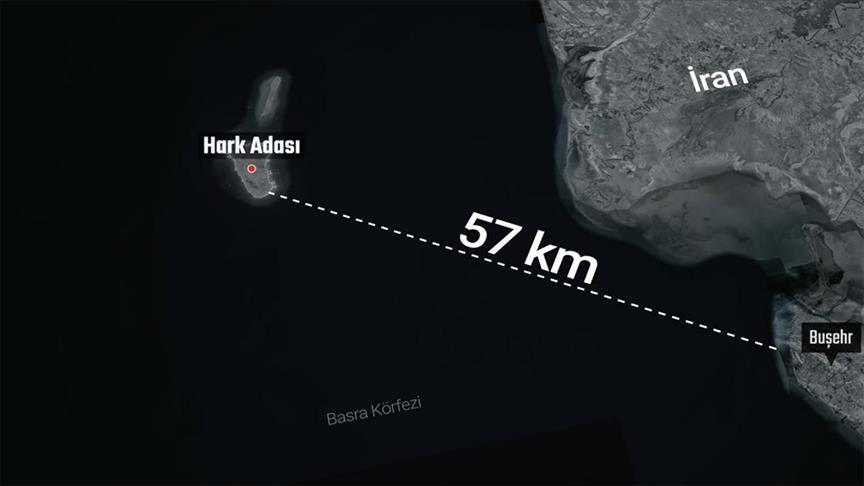
Hark Island
Hark Island is the primary energy terminal and logistics hub located off the coast of Bushehr Province in Iran, in the Persian Gulf, through which the majority of the country’s crude oil exports are conducted. Geographical Location and Physical Characteristics Hark Island occupies a strategic position in the Persian Gulf, off the coast of mainland Iran. It lies approximately 30 kilometers from the Iranian mainland and about 55 kilometers from Bushehr Port. With an area ranging between 20 and 22
EN
Zeynep Gül

The Withdrawal of the United Arab Emirates from OPEC and OPEC+
The United Arab Emirates (UAE) has announced its decision to withdraw from the Organization of the Petroleum Exporting Countries (OPEC)Organization of the Petroleum Exporting Countries (OPEC) and the OPEC+ framework, effective 1 May 2026. The UAE has been a member of OPEC since 1967 and is the fourth largest producer within the organization, producing approximately 3.4 million barrels of crude oil per day. The UAE’s departure is regarded as one of the largest producer exits in OPEC’s history. Hi
ENEdanur Karakoç
 Oi
OiOil and Petroleum in the Ottoman Empire (Book)
Oil and Petroleum in the Ottoman Empire, by Volkan Ş. Ediger, is a research documenting the historical processes of the discovery, licensing, and exploitation of oil and petroleum resources within the territories of the Ottoman Empire. The first edition was published in 2005 by ODTÜ Development Foundation Publishing, and the work was reissued in May 2022 by Dergâh Yayınları as number 102 in its History Series. Content and Thematic Structure The chapters of the book examine the historical evoluti
EN
Muhammed Samed Acar