

`periodic-table` Related Article Results
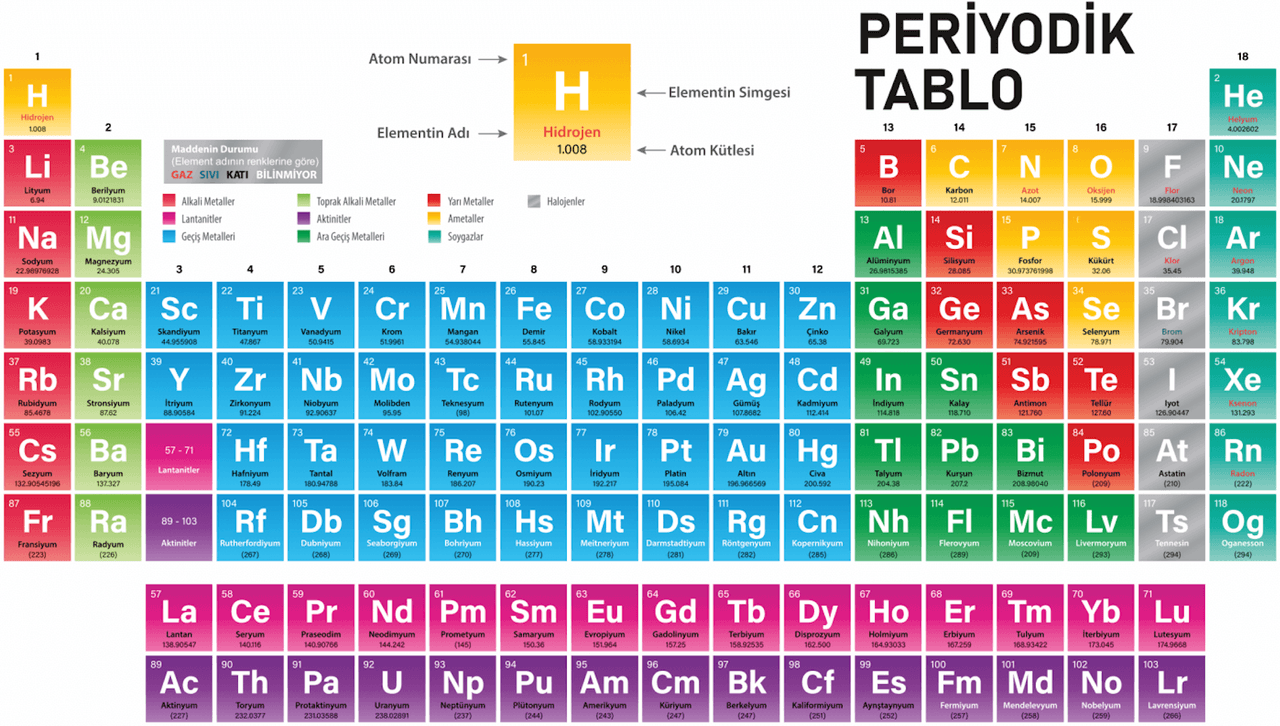
Element
An element is a pure chemical substance composed entirely of atoms of a single type, pure. Each atom in an element is defined by its atomic number, which represents the number of proton in its nucleus. This atomic number distinguishes one element from another; in other words, each element has a unique atomic number. For example, all atoms with six protons are carbon (C), while those with eight protons are oxygen (O). Elements are the fundamental building building blocks of all matter in the univ
EN
Fatih Birinci
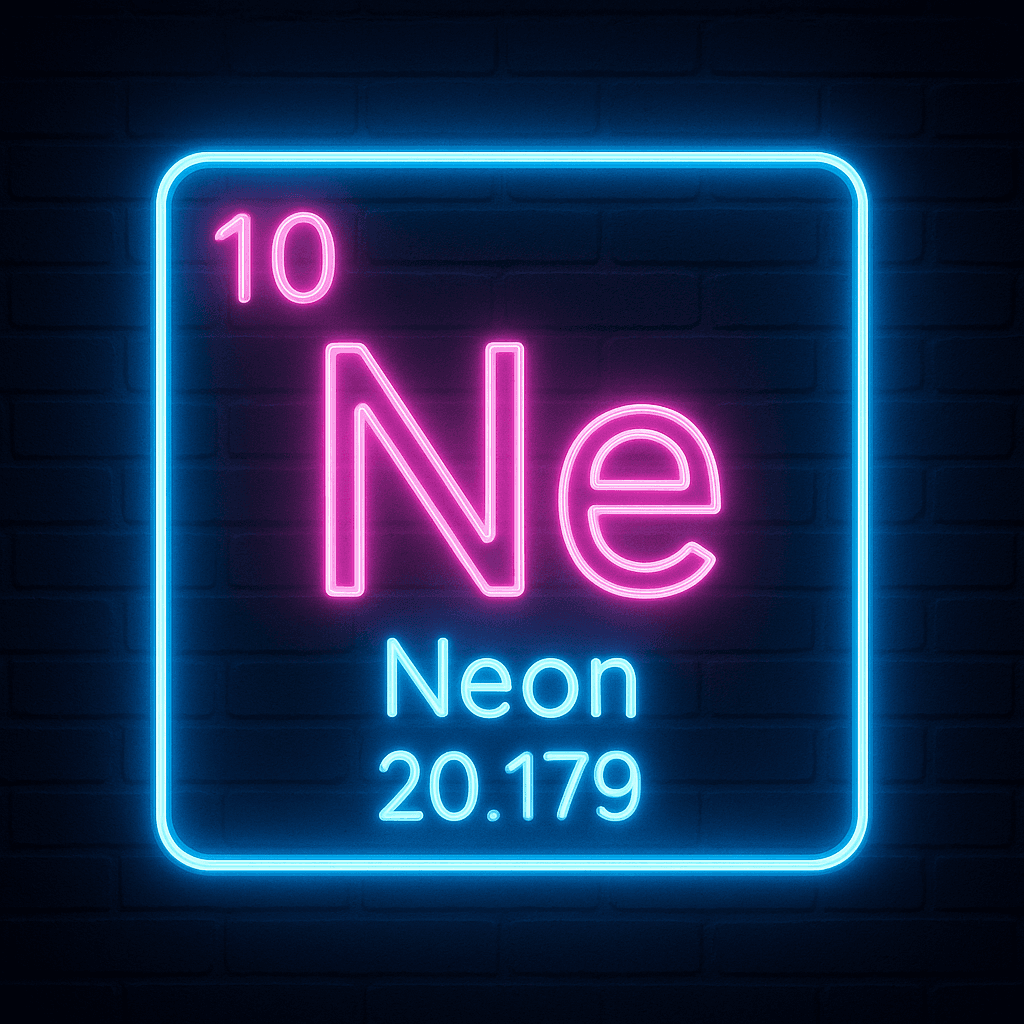
Neon (Ne)
Neon is an element belonging to the noble gas group, located in group 18 of the periodic table with an atomic number of 10. Its atomic mass is approximately 20.18 g/mol. Under standard conditions it exists as a colorless odorless and tasteless gas. Although present in the atmosphere in very low concentrations (approximately 0.0018% by volume) its distinctive spectral properties and chemical inertness make it useful in various scientific and technological applications. Discovery Neon was discover
EN
Zehra Yayla
 Be
BeBeryllium
History Beryllium was first discovered in 1798 by the French chemist Louis Nicolas Vauquelin in the minerals beryl and emerald oxide. In 1828, its metallic form was isolated independently by Friedrich Wöhler and Antoine Bussy. The commercial use of beryllium increased at the beginning of the 20th century when its value as an alloying agent was recognized difference. Beryllium is a light and hard alkaline earth metal located in group 2A of the periodic table place. This rare element is typically
ENSafiye Gül Saygılı
OxOxygen
Oxygen (O) is a chemical element with atomic number 8 and a highly reactive nonmetal in the chalcogen group of the periodic table place. Oxygen is a colorless, odorless, and tasteless gas that constitutes approximately 21% of World Earth’s atmosphere and is one of the fundamental pillars of biological life. Ranked as the third most abundant element in the universe common element, it comes after hydrogen and helium hydrogen. History The discovery of oxygen played a critical role in laying the fou
EN
Ömer Said Aydın
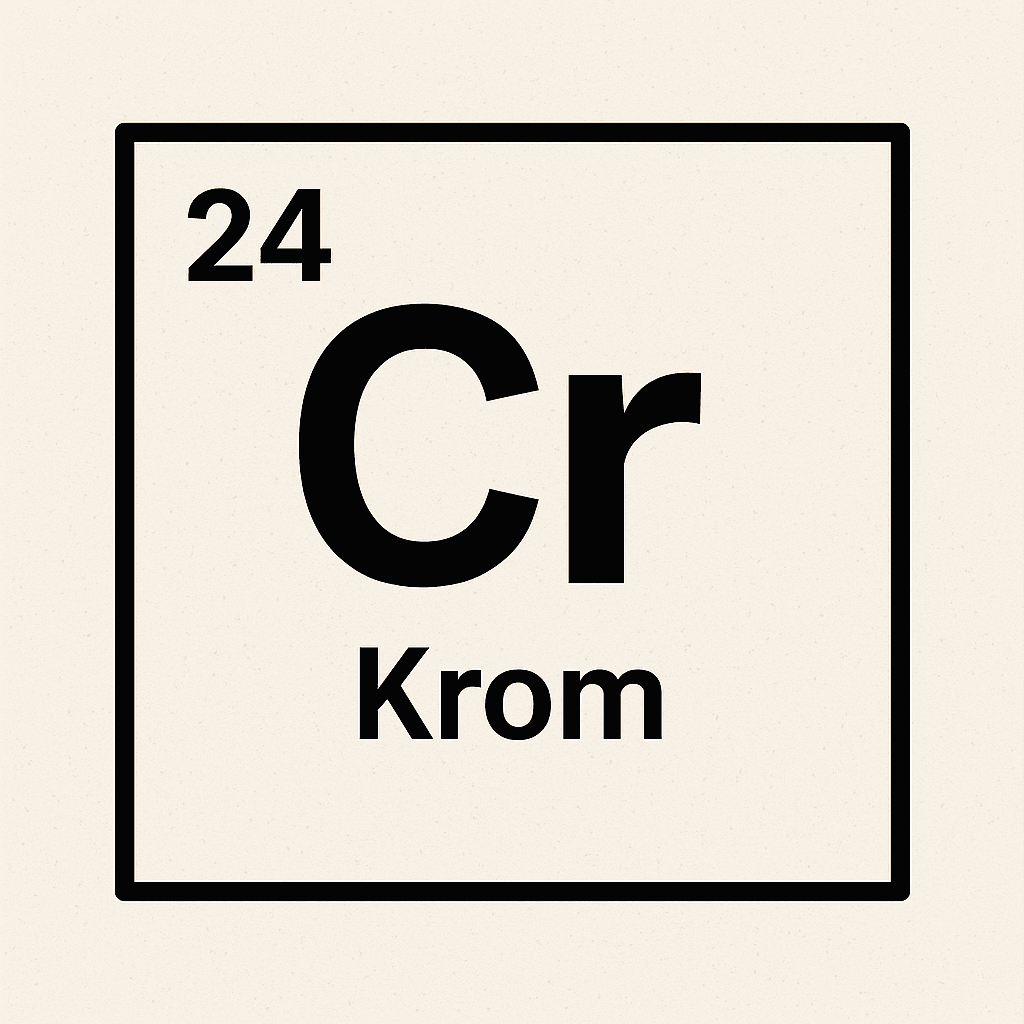
Chromium (Cr)
Chromium is a transition metal with atomic number 24 located in group 6 of the periodic table. This element is recognized for its shiny surface high hardness and resistance to corrosion and plays important roles in both industrial and biological systems. Its name is derived from the Greek word “chroma” meaning color because its compounds exhibit a wide variety of vivid colors. Chromium is indispensable especially in stainless steel production plating technologies and the pigment industry. Discov
ENZehra Yayla
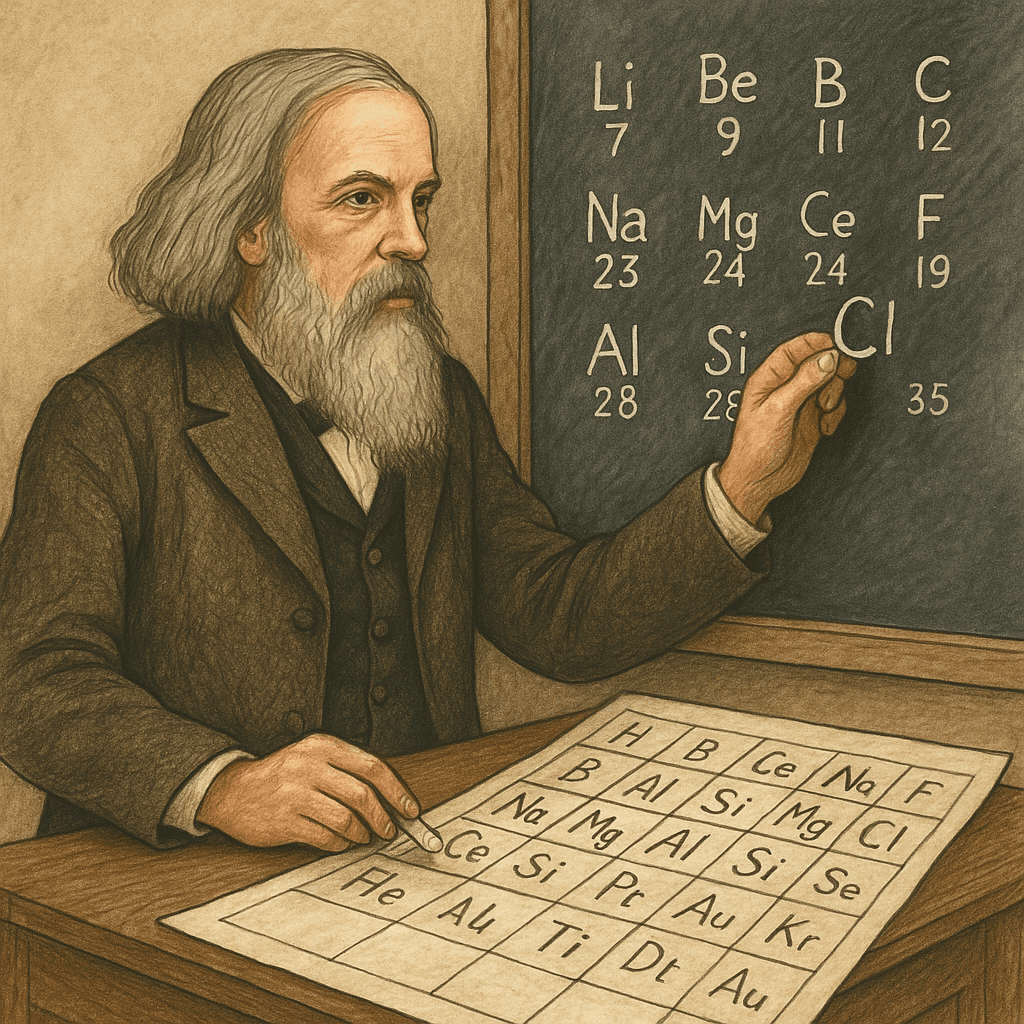
How Was the Periodic Table Discovered?
Throughout history, humans have examined the materials around them and attempted to classify them. Although in ancient times substances such as water, air, earth, and fire were considered “classical elements,” the discovery of true elements began only after the 1600s. An element is a pure substance that cannot be broken down into smaller components. (Periodic Table: Türkiye Kimya Derneği) " image-element-format="right" image-source="https://cdn.t3pedia.org/media/uploads/2025/08/06/kuOmJ7PRwKcLWM
EN
Hikmet Can Urhan
Oganesson (Og)
Oganesson is the heaviest element synthesized to date and occupies the 118th position in the periodic table. It is an artificial, highly radioactive and unstable element discovered in 2006 and named after Russian nuclear physicist Yuri Oganessian. Most of its properties are based on observations of the extremely small number of atoms produced and theoretical calculations. Classification and Fundamental Properties Oganesson (Og) is an element located at the end of the seventh period and in group
EN
Caner Sefa Koçyiğit
Tennessine (Ts)
Tennessine is a synthetic and highly radioactive element located at position 117 in the periodic table. It was discovered in 2010 and named after the U.S. state of Tennessee. Most of its properties are based on observations of the extremely small number of atoms produced to date and theoretical calculations. Classification and Fundamental Properties Tennessine (Ts) is an element in period 7 and group 17 (the halogen group) of the periodic table. Its expected electron configuration is [Rn] 5f¹⁴6d
ENCaner Sefa Koçyiğit
Hassium (Hs)
Hassium is a synthetic and highly radioactive element located at the 108th position in the periodic table. It was discovered in 1984 at the GSI Helmholtz Centre for Heavy Ion Research in Germany and derives its name from the German state of Hesse where the research center is located. To date, only a few atoms of this element have been produced, and its properties are largely based on theoretical calculations. Classification and Fundamental Properties Hassium (Hs) is a transition metal in the 7th
ENCaner Sefa Koçyiğit
Seaborgium (Sg)
Sg, the 106th element in the periodic table, is a synthetic and highly radioactive element. It was discovered in 1974 at the Lawrence Berkeley National Laboratory in the United States and is named after American chemist Glenn T. Seaborg (1912–1999), recognized for his pioneering work in nuclear chemistry and his role in the discovery of numerous transuranium elements. Classification and Basic Properties Seaborgium (Sg) is a transition metal located in period 7 and group 6 of the periodic table.
ENCaner Sefa Koçyiğit