

`patience` Related Article Results
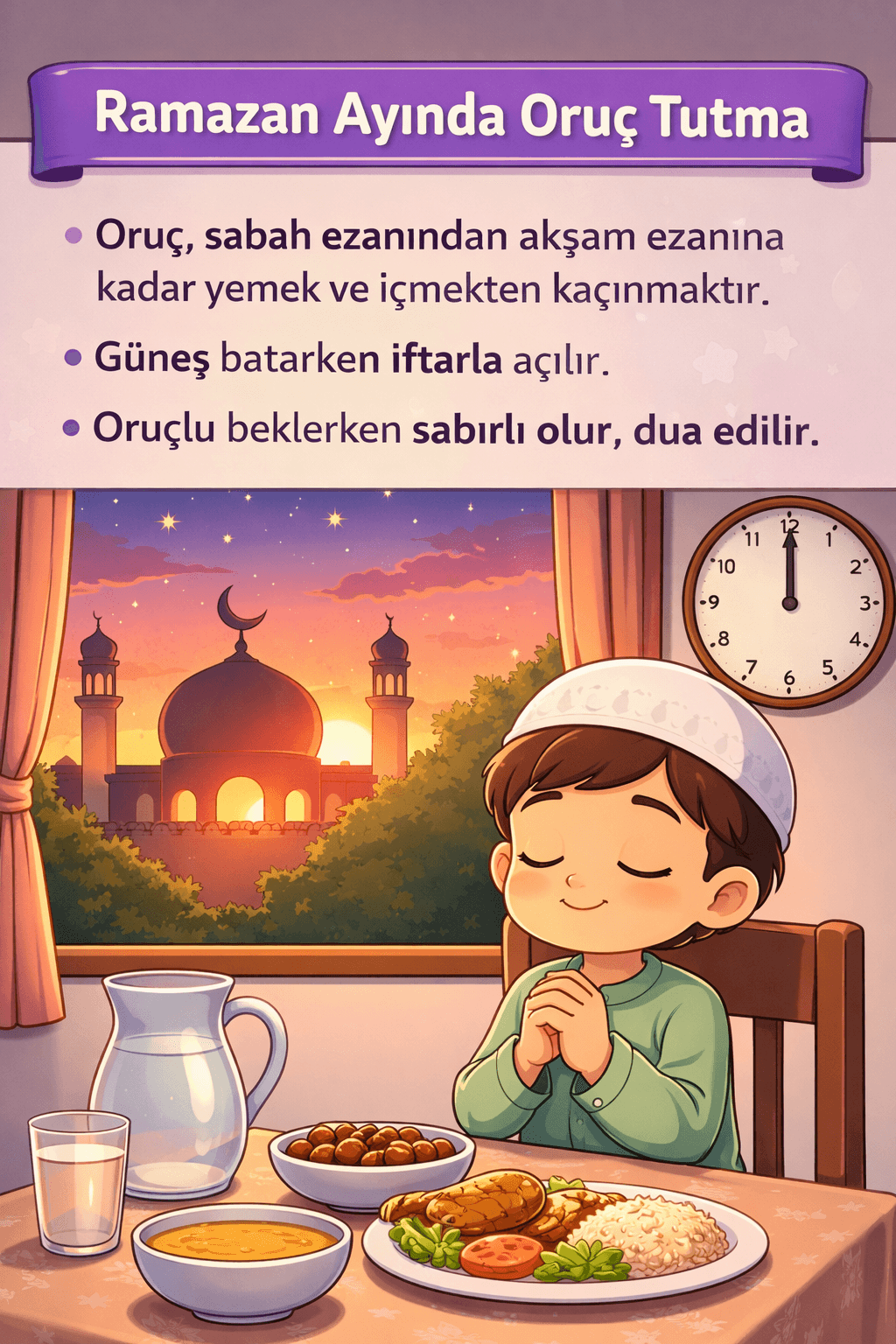
Fasting
Fasting means abstaining from food and drink with the intention of worship from the break of dawn until sunset. In many parts of the world, people of various faiths observe fasting at specific times according to their beliefs. You may have seen people around you waking up for sahur during the month of Ramadan or eagerly waiting for the time of iftar. What Is Fasting and How Is It Observed? In Islam, fasting lasts from the pre-dawn time known as imsak until sunset. Those who fast do not eat or dr
EN
Rabia Çiftci

We About Youth 3 (Book)
Regarding Youth 3 is the third volume in the "Regarding Youth" series of books prepared by the Directorate of Religious Affairs targeting young people. It aims to raise awareness among youth on fundamental religious and cultural topics such as life, gratitude, patience, death, and the afterlife, and is developed at an academic level to answer their questions on these subjects. Subject The book guides young people through questions they may encounter in daily life. It explores the relationship be
EN
Berranur Öksüzömer

Drop by drop, a lake is formed
Have you ever thought that a single drop of water could fill a lake? The proverb “Damlaya damlaya göl olur” illustrates how small things, when accumulated, can lead to great results. This proverb is used to teach the importance of patience and persistent effort, demonstrating in everyday life how minor actions can transform into major achievements. What Does This Proverb Mean? This proverb expresses how small steps can, over time, produce a significant impact. For example, if you read one page o
EN
Ayşe Hümeyra Akkanat
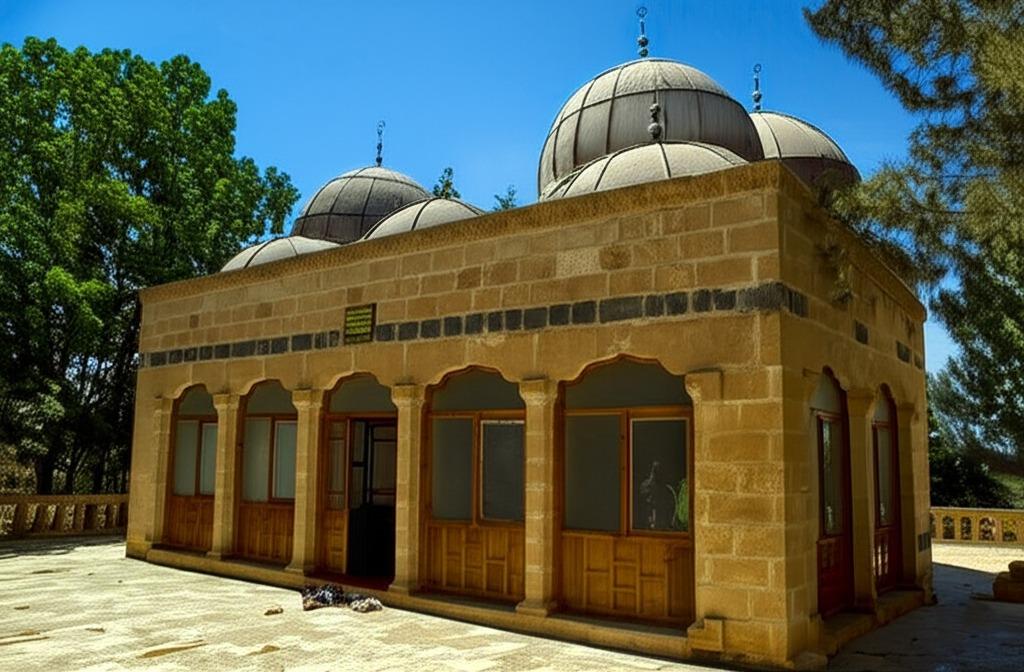
Prophet Job (Hz. Eyüp) Station of Patience
Prophet Job and the Station of Patience Hello dear friend! Have you ever had to wait patiently for something you deeply desired? Or perhaps you waited for the day you would recover from an illness? Today, I will tell you the story of Prophet Job, one of the first names that comes to mind when we think of patience, and the Station of Patience associated with him. His life shows us how important it is to never lose hope, even in the hardest times. Prophet Job was a man deeply devoted to Allah, wit
EN
Kasım Emre Anıl

Brave, Determined, and Fearless Woman: Hazreti Sümeyye
Hazreti Sümeyye is one of the most important women in Islamic history. She was among the first Muslims to accept Islam and demonstrated great determination for the values she believed in. For this reason, Muslims regard her as the first female martyr of Islam. Her full name is Sümeyye bint Hubbat. She lived at a time when most people worshipped idols and the belief in one God had not yet spread widely. Islam was only beginning to be taught, and those who accepted it were few in number. People wh
EN
Nida Öztürkmen

The Parts of Life Accelerated
The coffee was finished while still hot. The steam rising from the cup still hung in the air, but the person at the table had long since risen. He was not actually late for where he was going. There was no real rush either. Yet everything had felt a little too fast. The taste of the coffee was no longer clearly remembered. The rain outside the window had gone unnoticed. The faces of people passing by the table had not been recognized. The coffee had been drunk, but it had not truly been experien
EN
Ebrar Sıla Peri

Water finds its course
Su akar yatağını bulur is a proverb that beautifully expresses the idea that something or someone will ultimately find their natural and correct path. Sometimes, things may seem to go wrong or problems may appear unsolvable. It is in such moments that this saying from our ancestors whispers to our ears, encouraging us to be patient. (Generated by artificial intelligence) " image-element-format="right" image-height="1024" image-source="https://cdn.t3pedia.org/media/uploads/2026/02/26/spwOZqmqR3er
ENElif ezgi Güneri
What is Iftar?
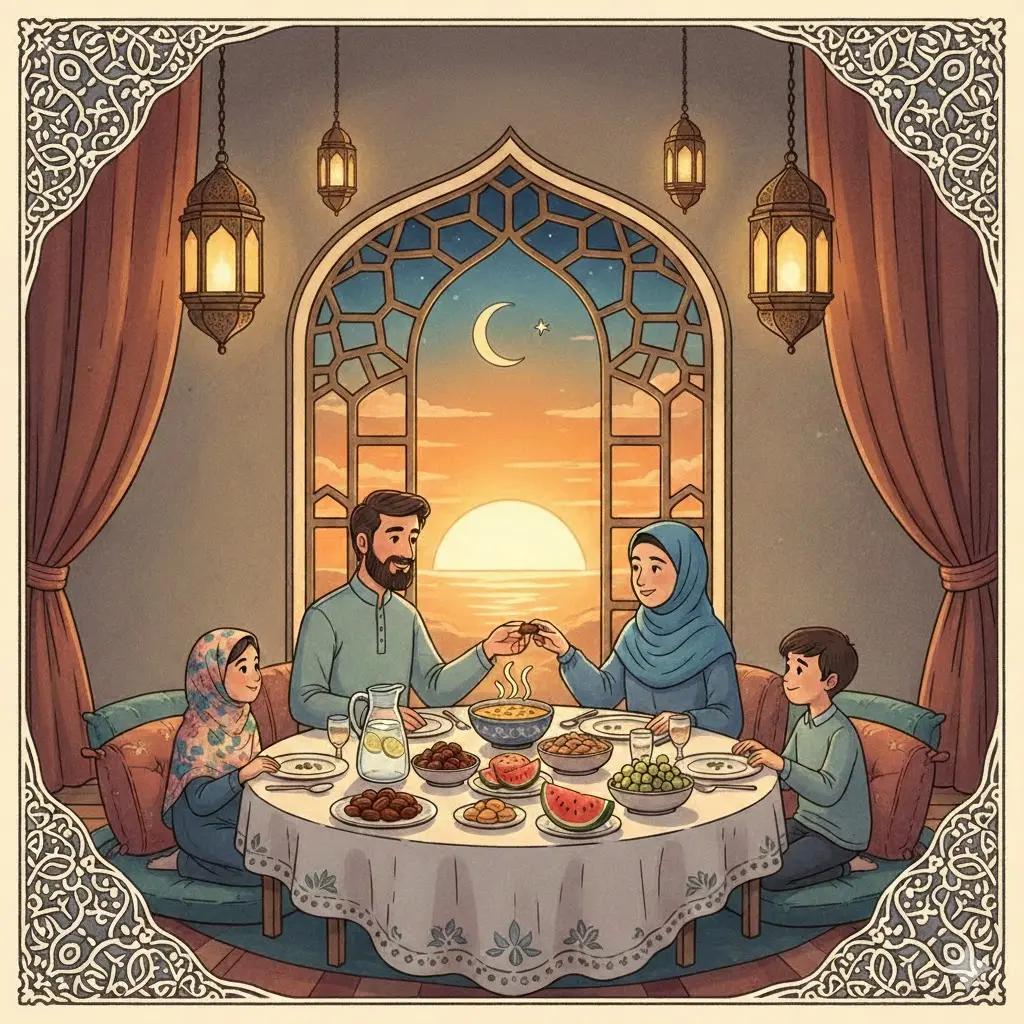
İftar is derived from the Arabic root "fatr", which means "to break" or "to open," particularly in the sense of breaking the fast. As a religious term, iftar refers to the act of properly ending the fast, which Muslims observe from dawn until sunset for worship. Generated by Artificial Intelligence. " image-element-format="right" image-height="1024" image-source="https://cdn.t3pedia.org/media/uploads/2026/02/16/hxHqpvCLd9WRQaT6fvLLp01Gfph2x51s.jpg" image-width="1024"> Timing and Practice of I
EN
Miray GÜR

To endure patiently
Have you ever felt that seconds drag on endlessly while waiting for your favorite toy to be repaired or for the cookies in the oven to bake? In those moments, the most important thing you need is the feeling of patience. However, there are times when waiting or enduring becomes so difficult that our patience runs out. What Is Patience? Patience is the ability to endure a difficult situation without giving up immediately, without complaining, and without losing hope. In fact, patience is the skil
ENRezzan Polat
To endure
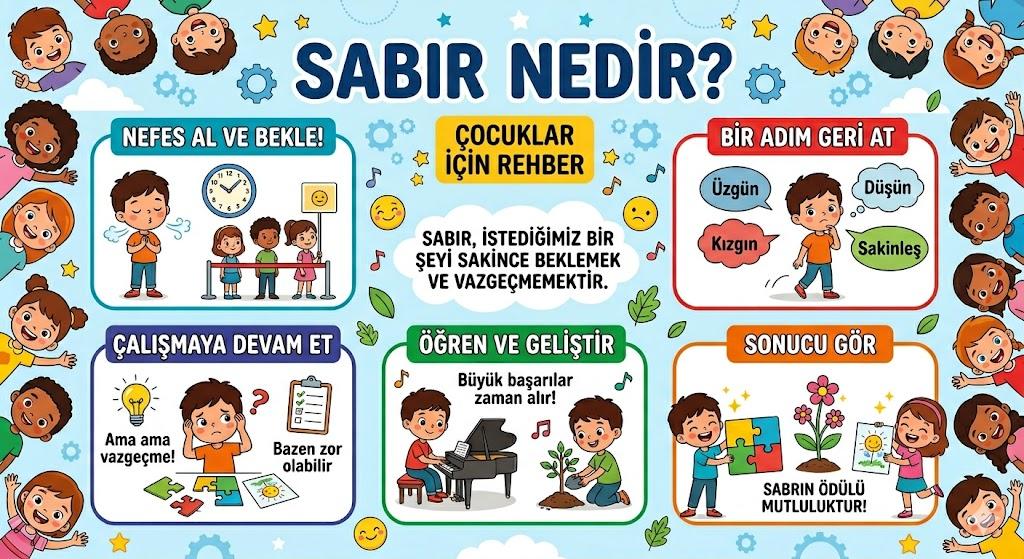
Patience is the ability of individuals to maintain calmness and resilience when facing difficulties, sad situations, or delays in their lives. In dictionary terms, it is defined as "to restrain" or "to be strong and resilient."A person’s act of waiting without haste while controlling their emotions is called patience. What Is Patience? Patience is not merely waiting; it also involves demonstrating metanet to transform negative situations into positive ones. This concept implies protecting onesel
ENRabia Çiftci