

`paris-agreement` Related Article Results

Carbon Neutral Energy Systems
Carbon-neutral energy systems are technological and managerial frameworks that aim to eliminate human-induced greenhouse gas emissions through integrated production, consumption and conversion processes. The primary objective of these systems is to eradicate net carbon emissions arising from energy production and consumption. In the context of combating climate change, carbon neutrality requires the transformation of not only the energy sector but also numerous other sectors including transporta
EN
Sümeyye Akkanat Terzioğlu
Climate Policies
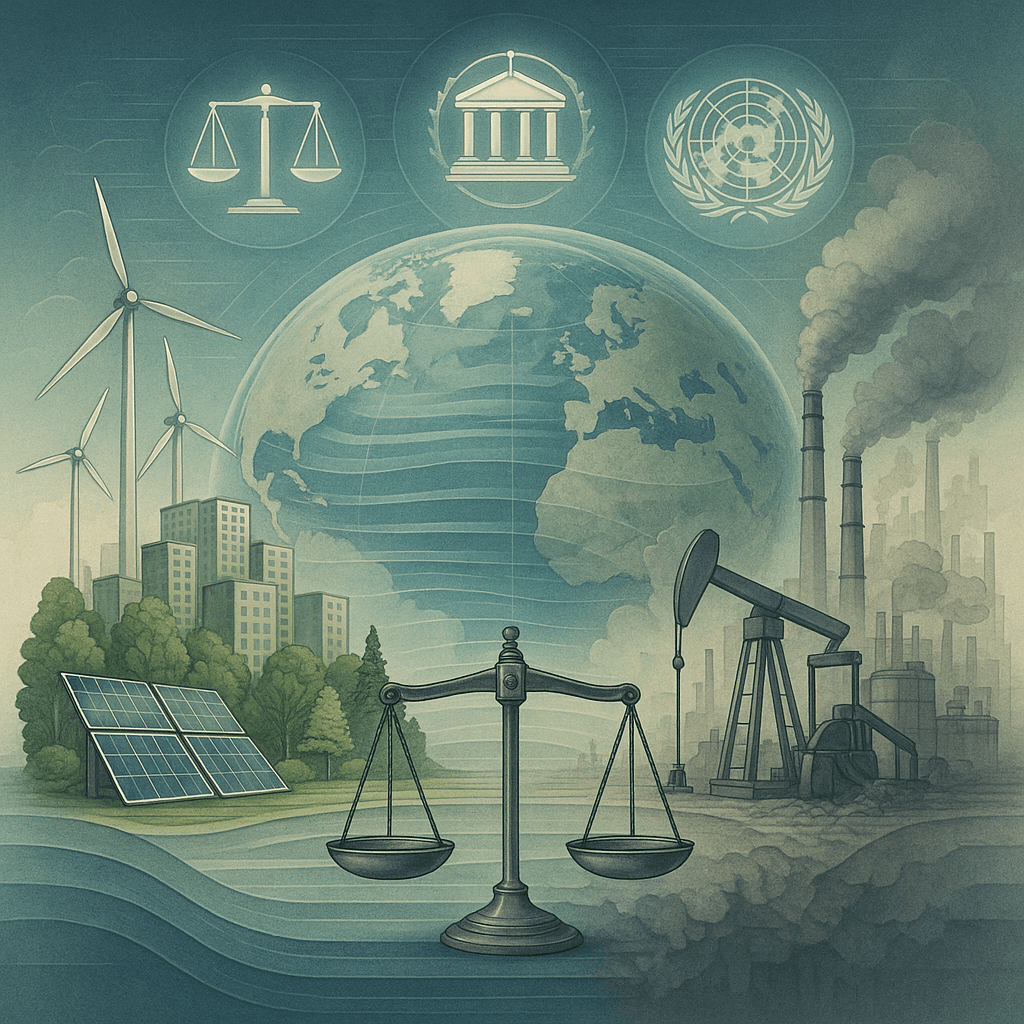
Climate policies are sets of legal, economic, technological, and social measures implemented with the contribution of various stakeholders—including governments, international organizations, the private sector, civil society organizations, and local authorities—to limit the causes of climate change and manage its impacts. The primary objective of these policies is to slow global warming by reducing greenhouse gas emissions resulting from human activities (mitigation) and to strengthen the capaci
EN
Ömer Said Aydın
Paris Climate Agreement
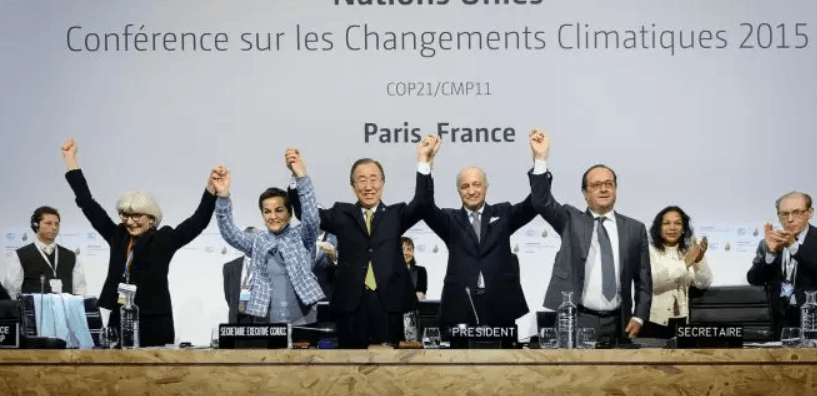
The Paris Climate Agreement is an accord adopted unanimously by 195 countries at the 21st Conference of the Parties (COP21) held in Paris on December 12, 2015. The agreement aims to limit the global temperature increase to 1.5°C above pre-industrial levels while striving to ensure that the temperature increase does not exceed 2°C. It also calls for each country to submit its national contributions (INDC) for reducing greenhouse gas emissions and for these contributions to be reviewed every five
EN
Sümeyra Uzun