

`palace` Related Article Results
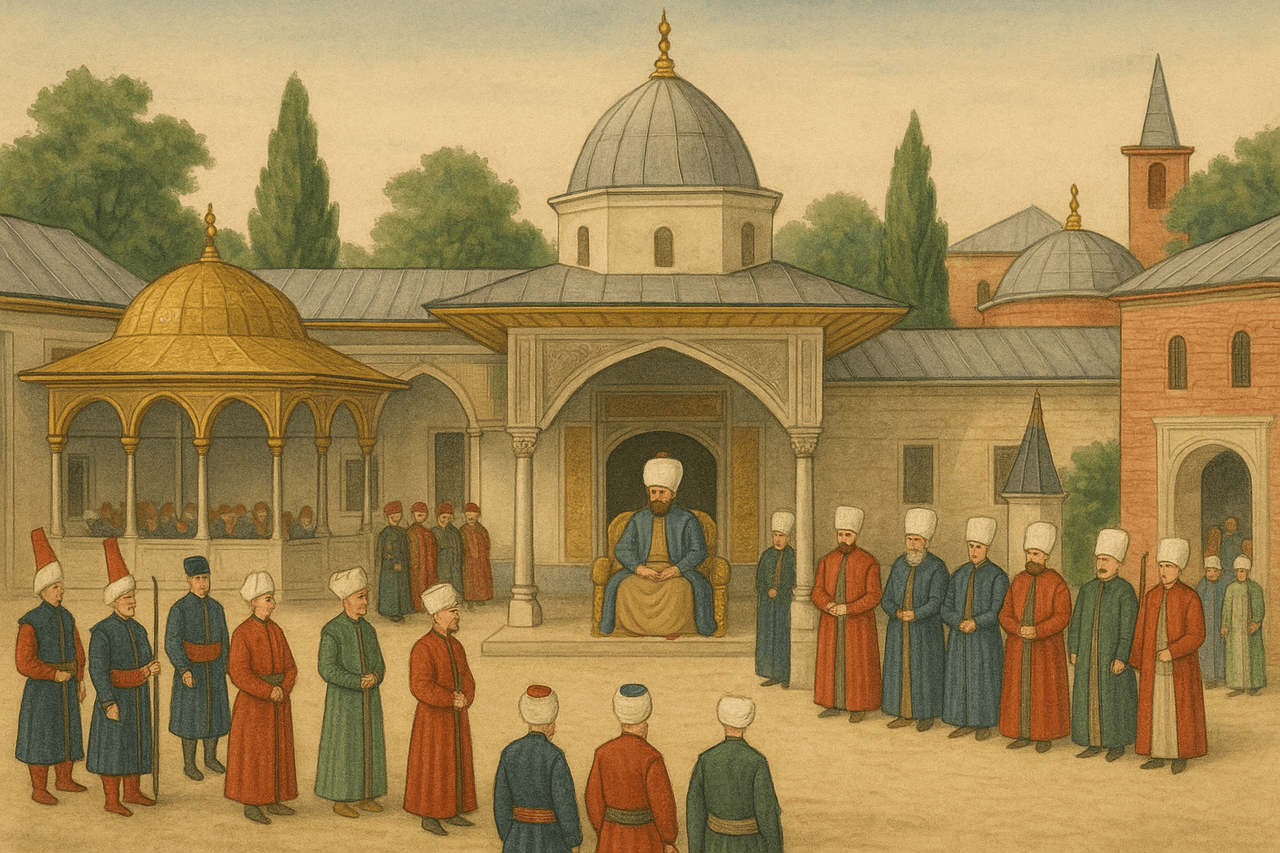
Ottoman Palace Ceremonies and Protocol Rules
Palace Ceremonies and Protocol Rules in the Ottoman Empire constituted a sophisticated and deeply rooted system central to the functioning of the state and society. The term “teşrifat,” literally meaning methods of honoring and showing respect, referred in institutional terms to the hierarchical and behavioral codes that state officials, envoys, and court personnel were required to observe on official days, during audiences, holidays, and when entering the sovereign’s presence. It also regulated
EN
Yunus Emre Yüce
Kaftan
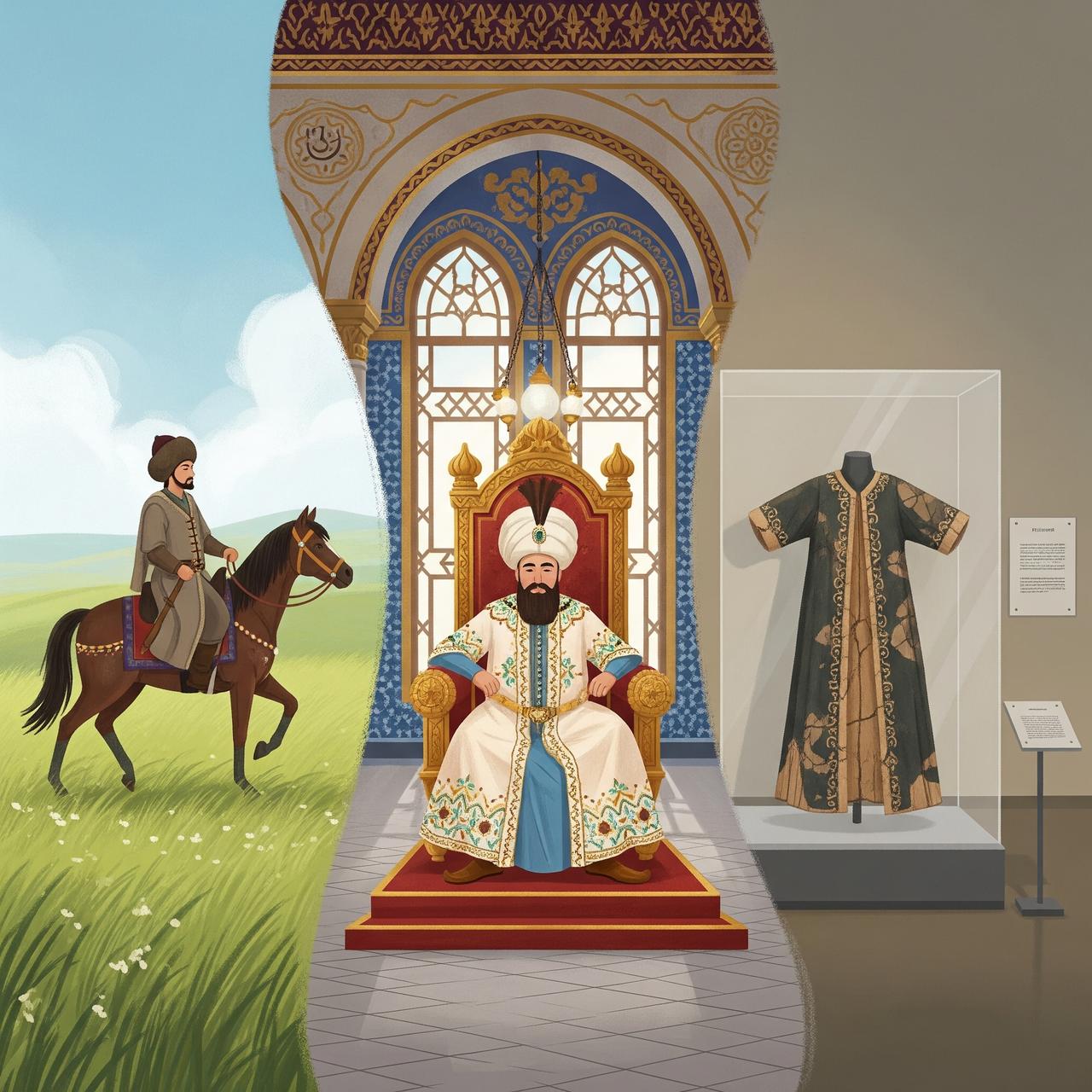
Kaftan,Have you ever seen the elaborate, long, and ornate garments worn by sultans in museums? These garments are called kaftans! A kaftan is not merely a piece of clothing; it was also a symbol of wealth, power, and high status. This distinctive garment, worn by kings, sultans, and heroes in the past, resembles a work of art woven in fabric. A kaftan is typically a long-sleeved, open-front upper garment that reaches down to the feet, made from valuable fabrics such as silk or velvet. What makes
EN
Kasım Emre Anıl
Tekfur Sarayı
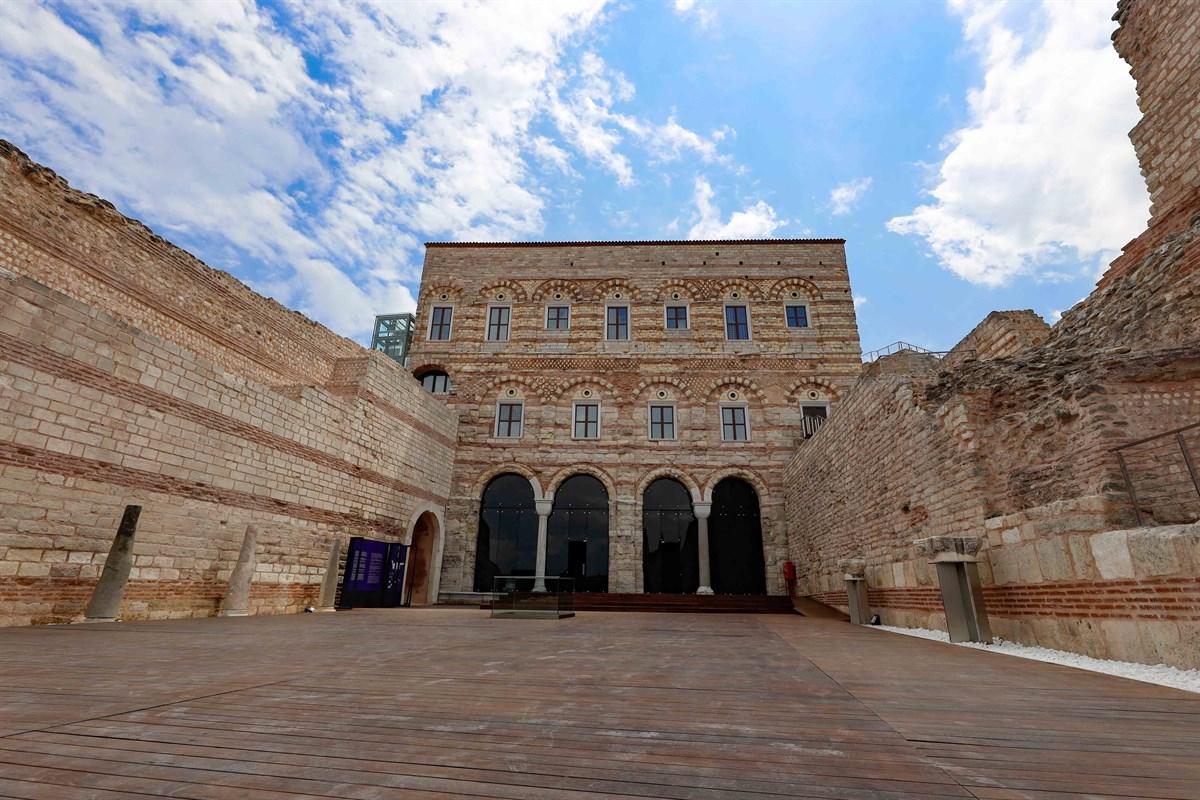
Tekfur Sarayı is a historical palace structure located adjacent to the land walls of the Edirnekapı and Ayvansaray (Eğrikapı) areas in the Fatih district of Istanbul. The building, part of the Blakhernai Palace Complex of the Byzantine Empire, is the only palace in Istanbul that has reached the present day with its architectural integrity preserved from the Byzantine period. The gate associated with the structure, known as the Tekfur Sarayı Gate (Porphyrogennetos Gate), measures 3.50 meters in w
EN
Betül Kantarcı
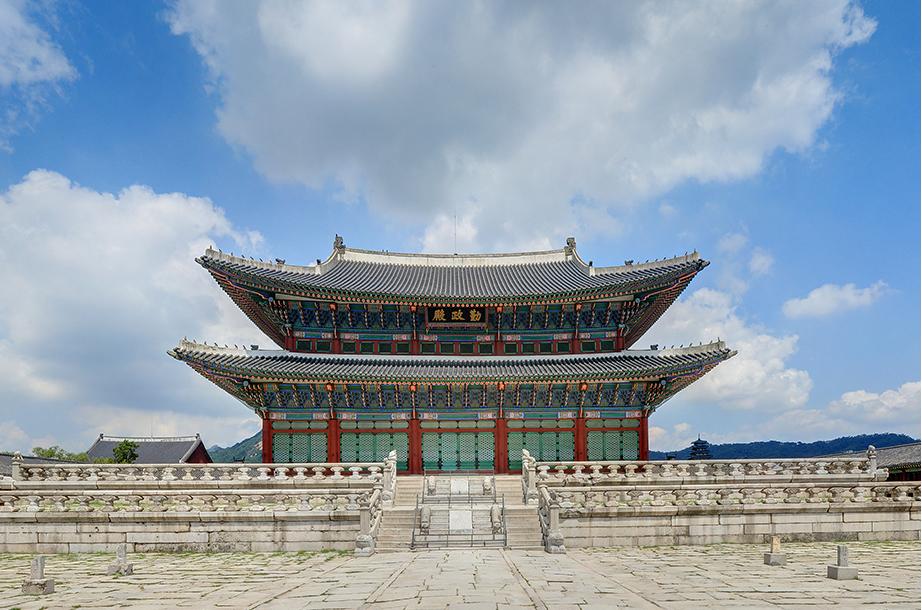
Gyeongbokgung Palace
Gyeongbokgung Palace, constructed in 1395 by Taejo, the founder of the Joseon Dynasty, is the principal palace (Beopgung) among Seoul’s five major palaces. 【1】 The name Gyeongbokgung, meaning "palace of great blessing and prosperity for the new dynasty," served as the administrative center and royal residence of the dynasty. 【2】 During the 1592 Japanese invasion (Imjin War), the palace was completely destroyed and remained in ruins for approximately 270 years. It was reconstructed during the rei
EN
Yağmur Binici
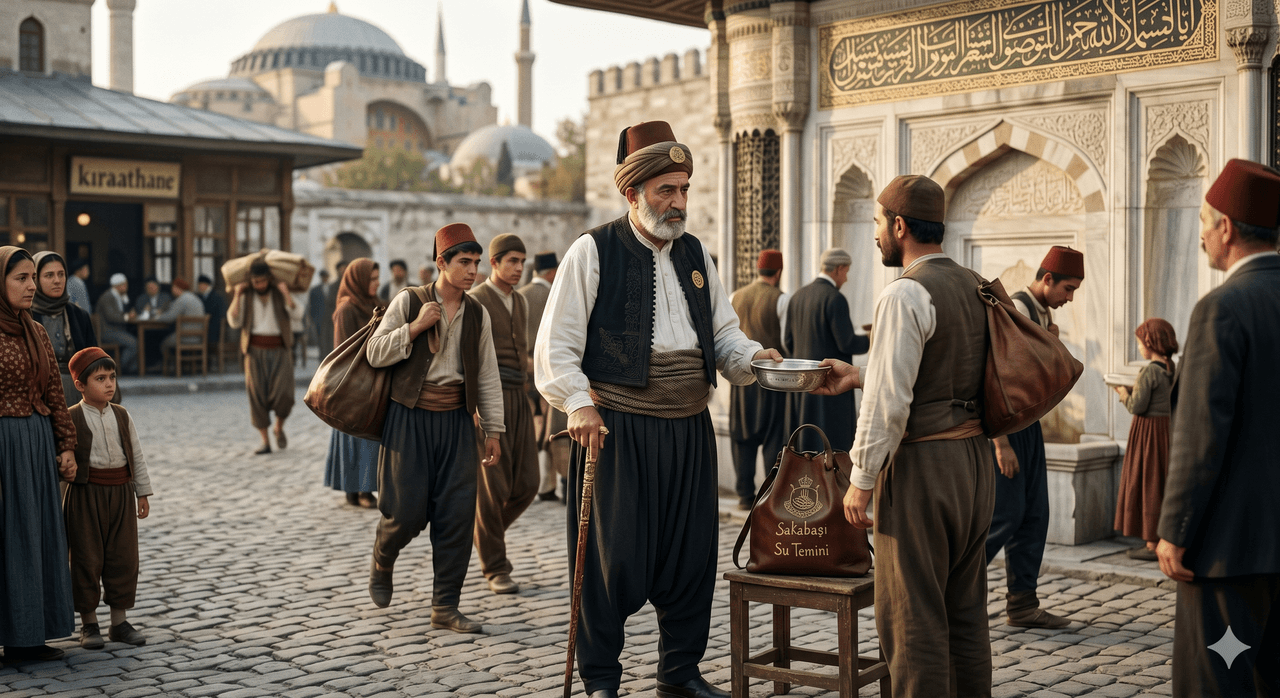
Sakabaşı
Sakabaşı is the title given to the official in charge of the Ottoman palace organization who oversaw water services. The palace population’s water needs were met by kitchen sakas, who were employed in the palace’s sakahâne. The sahâne functioned as the unit responsible for supplying water within the palace, and its administration was under the authority of the sakabaşı. The sakabaşı was not among officials directly responsible for food production but was classified among the support staff connec
EN
Ayşegül DEMİRCİ