

`oxygen` Related Article Results
 Ox
OxOxygen
Oxygen (O) is a chemical element with atomic number 8 and a highly reactive nonmetal in the chalcogen group of the periodic table place. Oxygen is a colorless, odorless, and tasteless gas that constitutes approximately 21% of World Earth’s atmosphere and is one of the fundamental pillars of biological life. Ranked as the third most abundant element in the universe common element, it comes after hydrogen and helium hydrogen. History The discovery of oxygen played a critical role in laying the fou
EN
Ömer Said Aydın
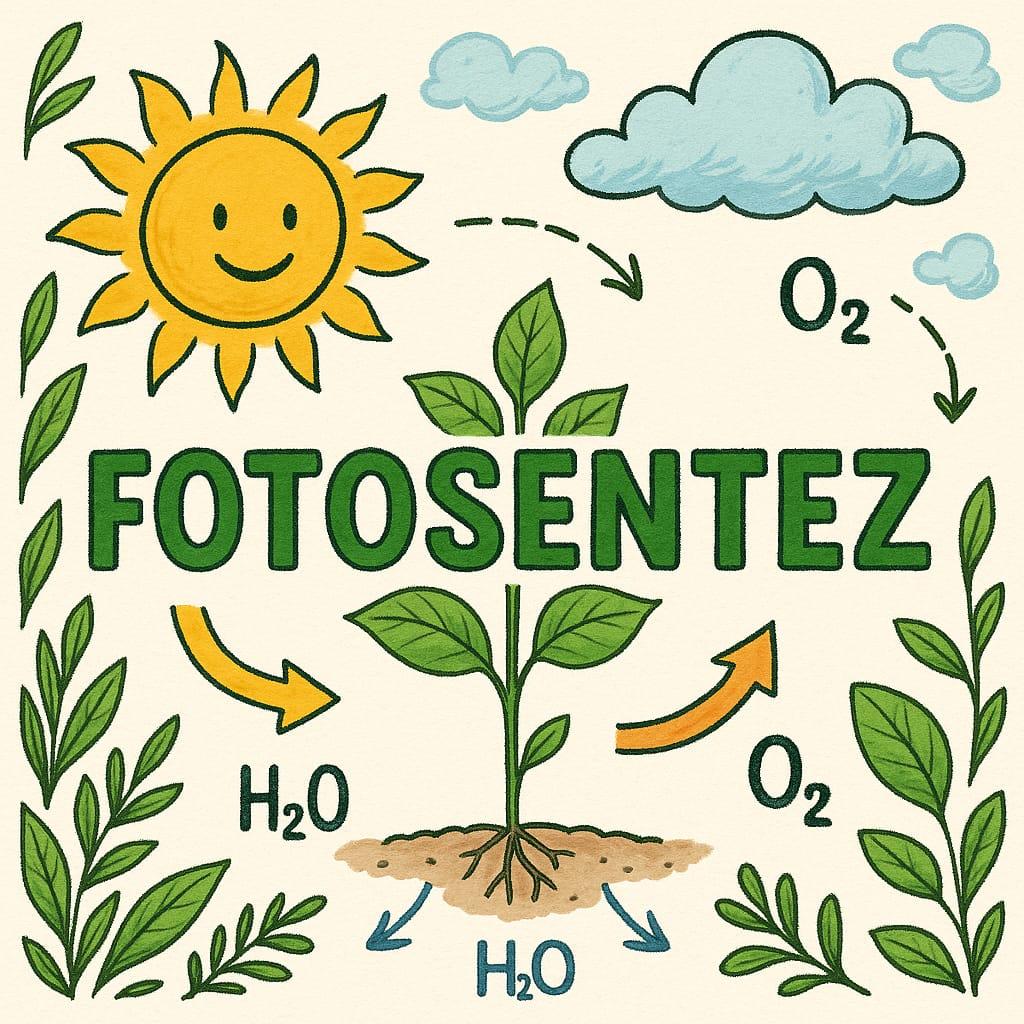
What Is Photosynthesis?
Photosynthesis is the process by which plants, certain algae, and bacteria produce food using sunlight. These organisms combine carbon dioxide (CO₂) from the air and water (H₂O) absorbed from the soil, using sunlight to produce glucose (sugar) and oxygen (O₂). What Is the Purpose of Photosynthesis? The purpose of photosynthesis is to produce the food glucose that the plant needs. This glucose provides energy for the plant’s growth and survival. At the same time, oxygen is released into the envir
EN
Fatma Köroğlu
What Is Oxygen?
Oxygen is a gas found in the atmosphere and is essential for life. It is colorless, odorless, and tasteless. In chemistry, it is represented by the symbol "O" and has an atomic number of 8. In nature, it is most commonly found as O₂ (a diatomic molecule). (Generated by Artificial Intelligence.) " image-element-format="right" image-source="https://cdn.t3pedia.org/media/uploads/2025/08/02/5qOuqRCNr5vRy05OZCRBnarlFYmKpMZ9.jpg"> Why Is Oxygen Important? Humans, animals, and some microorganisms su
EN
İbrahim Filiz
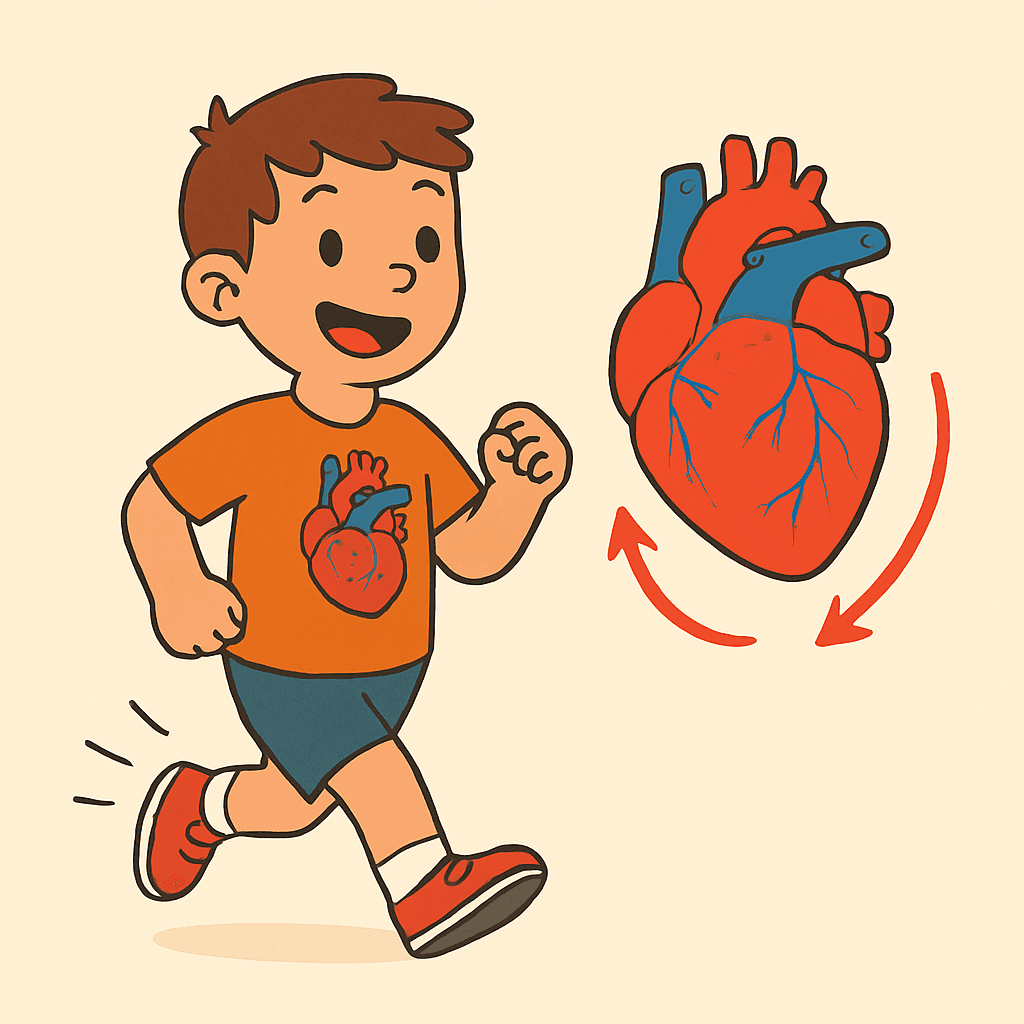
What is the heart for?
The heart is a powerful organ that pumps blood throughout our body. Thanks to the heart, blood is delivered to all tissues; cells receive oxygen (the gas that enables the body to produce energy) and nutrients (substances obtained from food necessary for the body). Waste products are also removed from the body. The heart also helps maintain the body’s temperature (the heat that enables energy production and healthy functioning). Pumping Blood The heart muscles continuously contract and relax to c
ENFatma Köroğlu