

`ottoman-tombstones` Related Article Results
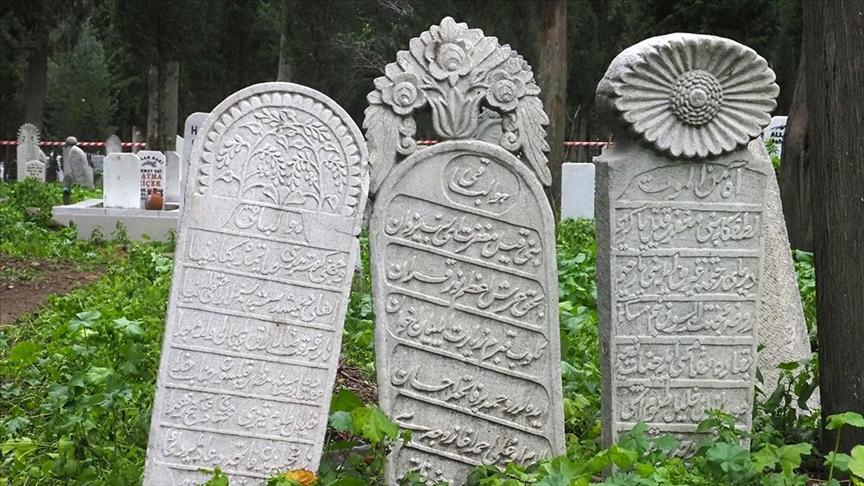
Ottoman Tombstones
Ottoman tombstones are important cultural heritage elements that reflect the aesthetic understanding of Turkish-Islamic art and provide information about the social, cultural, and religious life of their time. These stones contain details regarding individuals’ identities, professions, statuses, and life stories, while also serving as artistic objects enriched by calligraphy, stone craftsmanship, and symbolic motifs. Throughout history, these monuments, which evolved from Central Asian tradition
EN
Elif Laçin
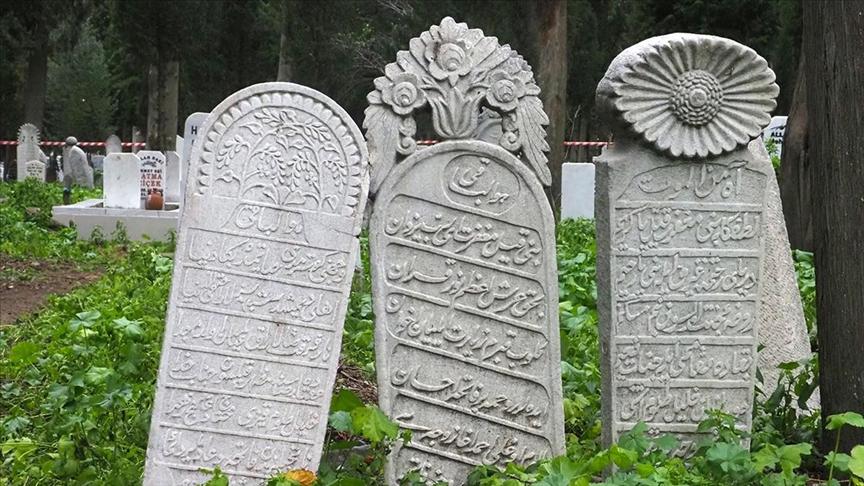
Ottoman Tombstones
Ottoman tombstones are important cultural heritage elements that reflect the aesthetic understanding of Turkish-Islamic art and provide information about the social, cultural, and religious life of their time. These stones contain details regarding individuals’ identities, professions, statuses, and life stories, and constitute artistic objects enriched with calligraphy, stonemasonry, and symbolic motifs. Throughout history, these monuments, which evolved from Central Asian traditions and merged
EN
Elif Laçin
 Iz
IzIzmir (Smyrna) Agora
The İzmir (Smyrna) Agora is located in the Namazgâh neighborhood of İzmir. Situated at the heart of ancient Smyrna, it functioned as a civic agora where commercial, political and social activities took place. The rectangular structure consists of a large central courtyard surrounded by colonnaded galleries and a basilica. History and Development by Period The initial construction of the İzmir Agora took place at the end of the 4th century BCE, shortly after the time of Alexander the Great. Throu
EN
Meryem Şentürk Çoban
IzIzmir (Smyrna) Agora
The İzmir (Smyrna) Agora is located in the Namazgâh district of İzmir. Situated at the heart of ancient Smyrna, it functioned as a commercial, political and social agora. The site is laid out in a planned manner, featuring a large central courtyard surrounded by colonnaded galleries and a basilica. Agora (Photo: Meryem Şentürk Çoban) " image-alternate="" image-element-format="right"> History and Development Through Periods The initial construction of the İzmir Agora took place at the end of t
EN
Meryem Şentürk Çoban