

`ottoman-art` Related Article Results
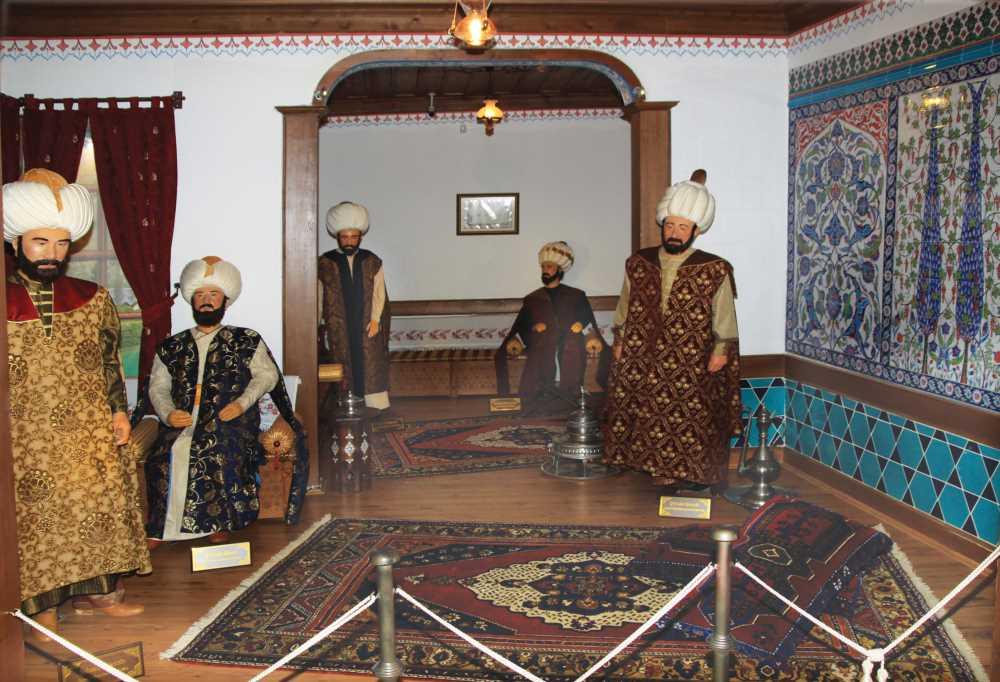
Museum of Princes
The Princes’ Museum is located in the Hatuniye Neighborhood of Amasya Province, on the banks of the Yeşilırmak River, built atop the remnants of the old city walls. The museum is housed in one of the Yalıboyu houses, constructed in the 1800s and demolished in 1986. It was reconstructed in 2007 according to its original design by the Amasya Governorate and opened to the public in 2008. The museum presents the princely history of the OttomanEmpire and its sultans during that period. The Princes’ M
EN
Ahsen Güneş
 St
StStar Ceramic and Porcelain Factory
Yıldız Çini ve Porselen Fabrikası is a porcelain manufacturing facility established within the gardens of Yıldız Sarayı as part of the Ottoman Empire’s industrialization efforts initiated by Sultan Abdülhamid II (1876–1909). Commencing production in 1894, the factory operated to meet the porcelain needs of the Ottoman palaces, serving as a counterpart to European court porcelain manufactories such as Sèvres, and aiming to introduce Ottoman porcelain art and the sultan’s identity to the world. Fo
EN
Meltem Saraç
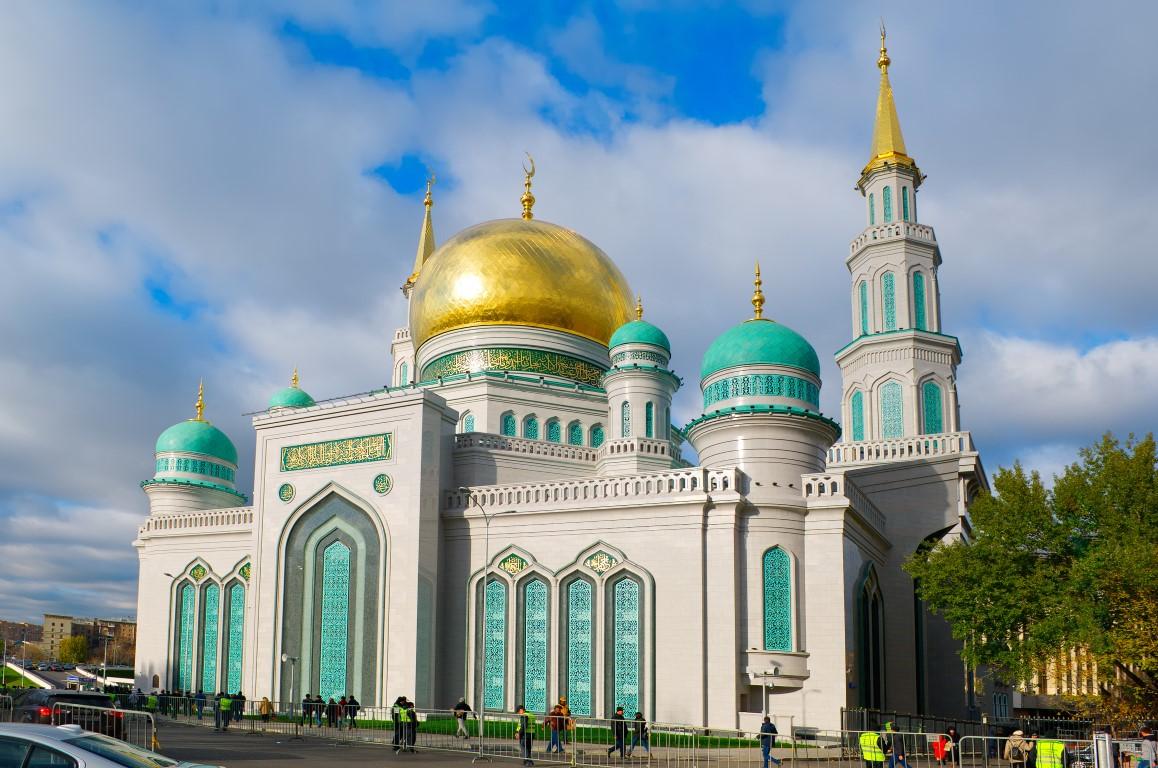
Moscow Central Mosque
The Moscow Central Mosque is a structure located in Moscow, the capital of Russia, and is regarded as one of the country’s most important Islamic places of worship. Built by the Russian Muslim Religious Administration, the mosque draws attention for its architectural features, interior decorations, and large capacity. Moscow Central Mosque – General Exterior View (Türkiye Diyanet Foundation) " image-alternate="" image-element-format="right"> Construction Process and Opening The construction o
EN
Nurten Yalçın
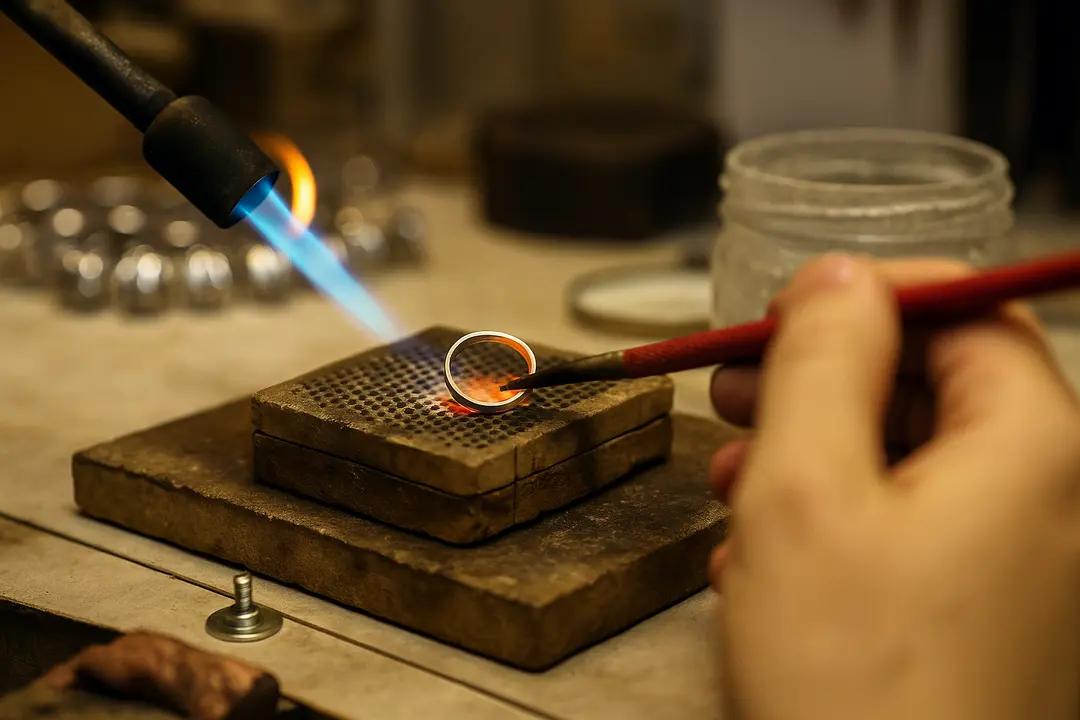
Sadekârlık
Sadekârlık is an ornamental and craftsmanship art that developed especially during the Ottoman period and afterwards. It is a traditional craft involving the decoration and engraving of metal surfaces (primarily copper, brass, and silver) with geometric, botanical, or calligraphic patterns. The term "Sadekâr" is of Persian origin and means "one who performs simple work," but in the context of Ottoman craft terminology, sadekârlık refers to a craft that involves working and decorating precious me
EN
Sümeyye Akkanat Terzioğlu
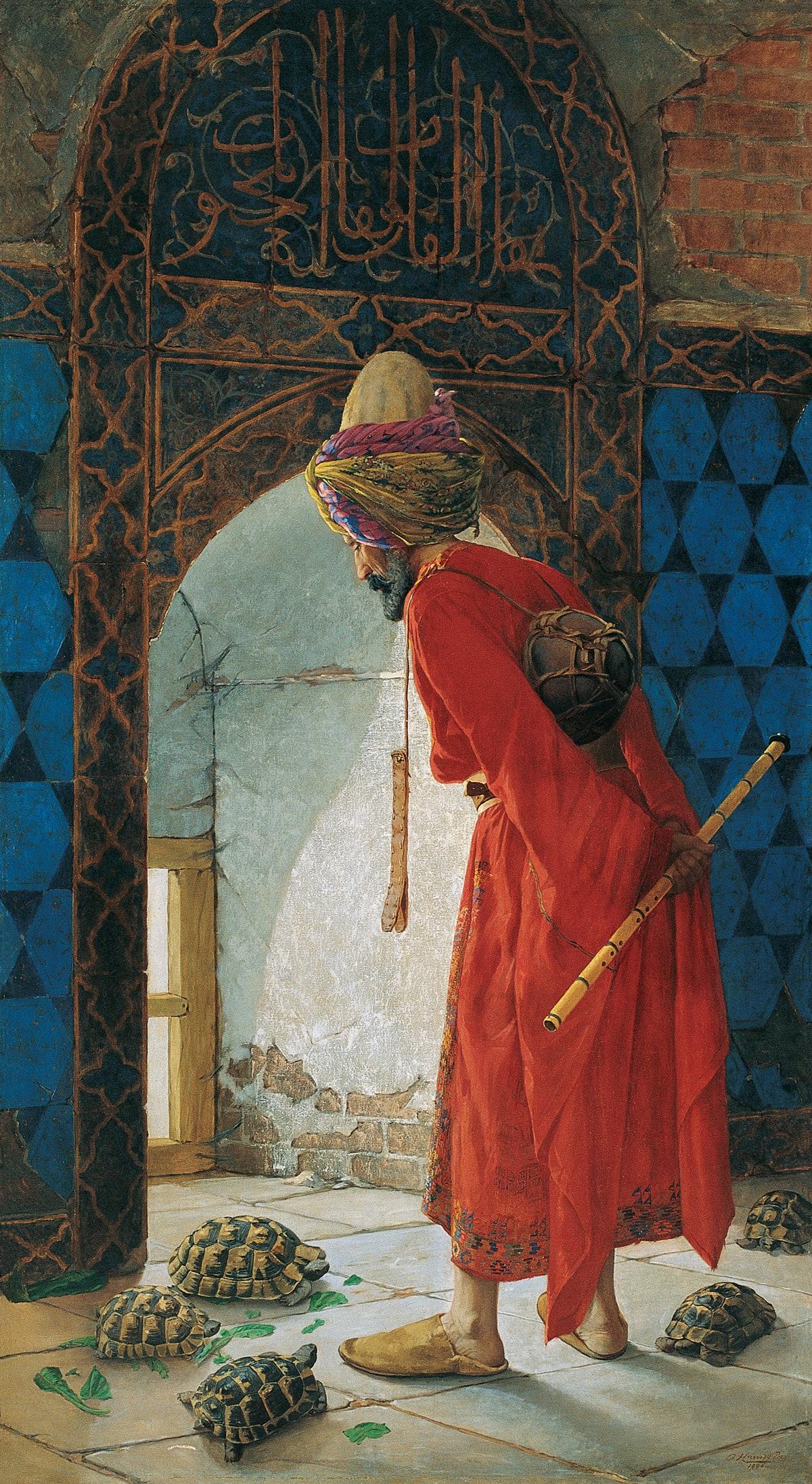
The Tortoise Trainer
The Tortoise Trainer is a painting created by Osman Hamdi Bey in 1906. It is one of the artist’s most renowned works and is believed to offer an allegorical depiction of the modernization process of Ottoman society. Today, the painting is exhibited at the Pera Museum in Istanbul, Türkiye. Subject and Composition The painting depicts a man dressed in Ottoman-era attire, observing tortoises while holding a ney (a reed flute) in his hand and carrying a nakkare (a type of percussion instrument) on h
EN
Edanur Karakoç
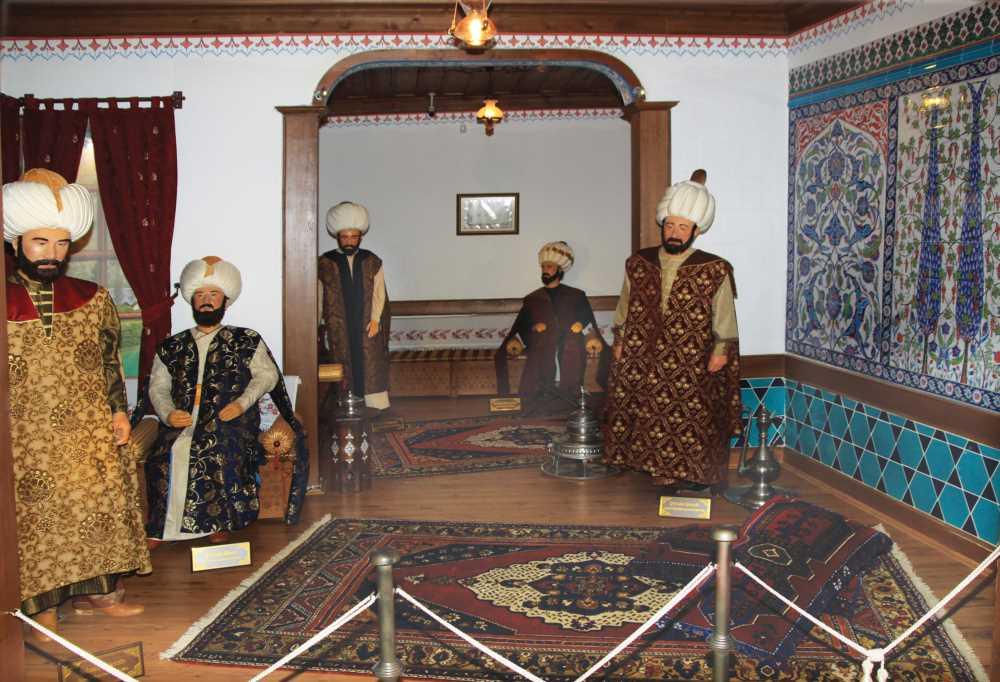
Museum of Princes
The Princes’ Museum is located in the Hatuniye Neighborhood of Amasya, built atop the old city walls along the banks of the Yeşilırmak River. The museum is housed in one of the Yalıboyu houses, constructed in the 1800s and demolished in 1986. It was reconstructed in 2007 according to its original design by the Amasya Governorate and opened to the public in 2008. The museum presents the princely heritage of the Ottoman Empire and its rulers during that period. Museum Structure and Layout The muse
EN
Ahsen Güneş