

`oral-culture` Related Article Results
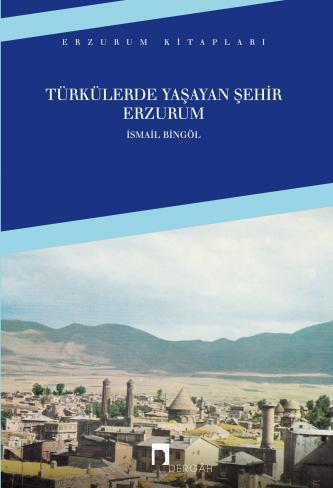
The City Alive in Folk Songs: Erzurum (Book)
"The City Alive in Folk Songs: Erzurum" is an essay and research book written by İsmail Bingöl and published as part of Dergâh Publications' "Erzurum Library" series. It explores Erzurum’s cultural identity, its people, its architecture, and its language through folk songs. In the face of the city’s changing face, the work reflects a deep love for Erzurum and a sense of cultural responsibility, described as "the writings of a sensitive and loyal pen." First published in 1999, the book comprises
EN
Muhammed Samed Acar
Proverb
🔍 “A little overeating, carefree head”: But what do these sayings mean? Folk sayings are concise, formulaic expressions that have emerged over centuries from the accumulated experiences of societies, offering advice and encapsulating life principles. They typically state the consequence of an action and articulate a rule for living. Their originators are unknown; they arise among the people and are passed down from generation to generation. (Generated by artificial intelligence.) " image-altern
EN
Zozan Demirci
Eşref Bey Türküsü
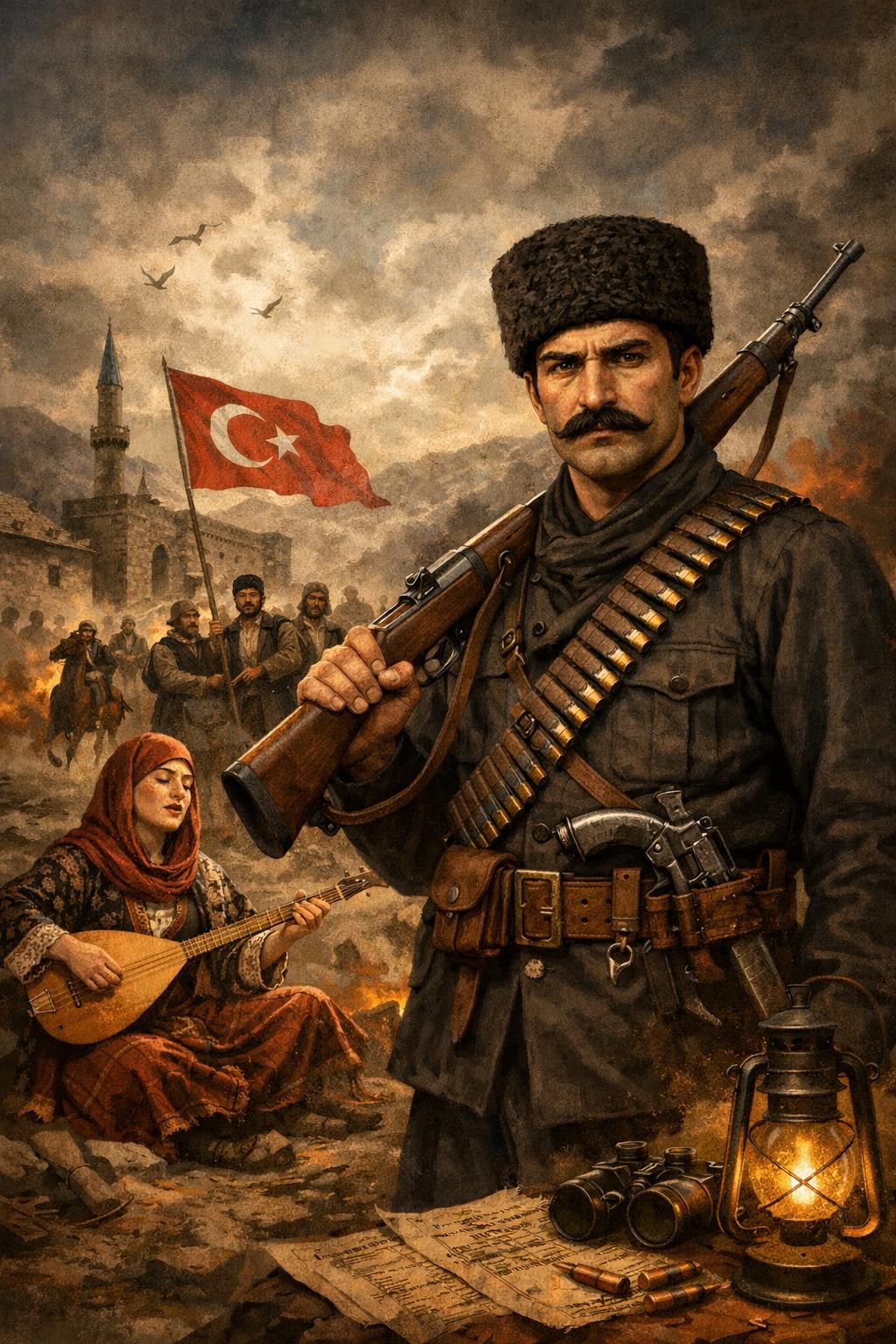
The ballad known as Eşref Bey Türküsü, which emerged around the murder case in Giresun that resulted in the death of Eşref Gedikali, is one of the examples in oral culture where laments sung at funerals gradually crystallized into the ballad form. Connection to the Event Eşref Bey Türküsü is directly linked to the killing of Eşref Gedikali, who was born in the Piraziz district of Giresun and belonged to the Gedikalizade family【1】. Eşref Gedikali, who operated a hazelnut factory alongside his bro
EN
Ayşenur Doğan
Proverb
🔍 “A little overeating, carefree head”: But what do these phrases mean? Proverbs are concise, formulaic folk sayings that have developed over centuries through the accumulated experiences of societies. They offer advice, express life principles, and are often rooted in collective wisdom. Their origin is typically unknown; they emerge from the people and are passed down from generation to generation. (Generated by artificial intelligence.) " image-element-format="right" image-source="https://cdn
EN
Zozan Demirci
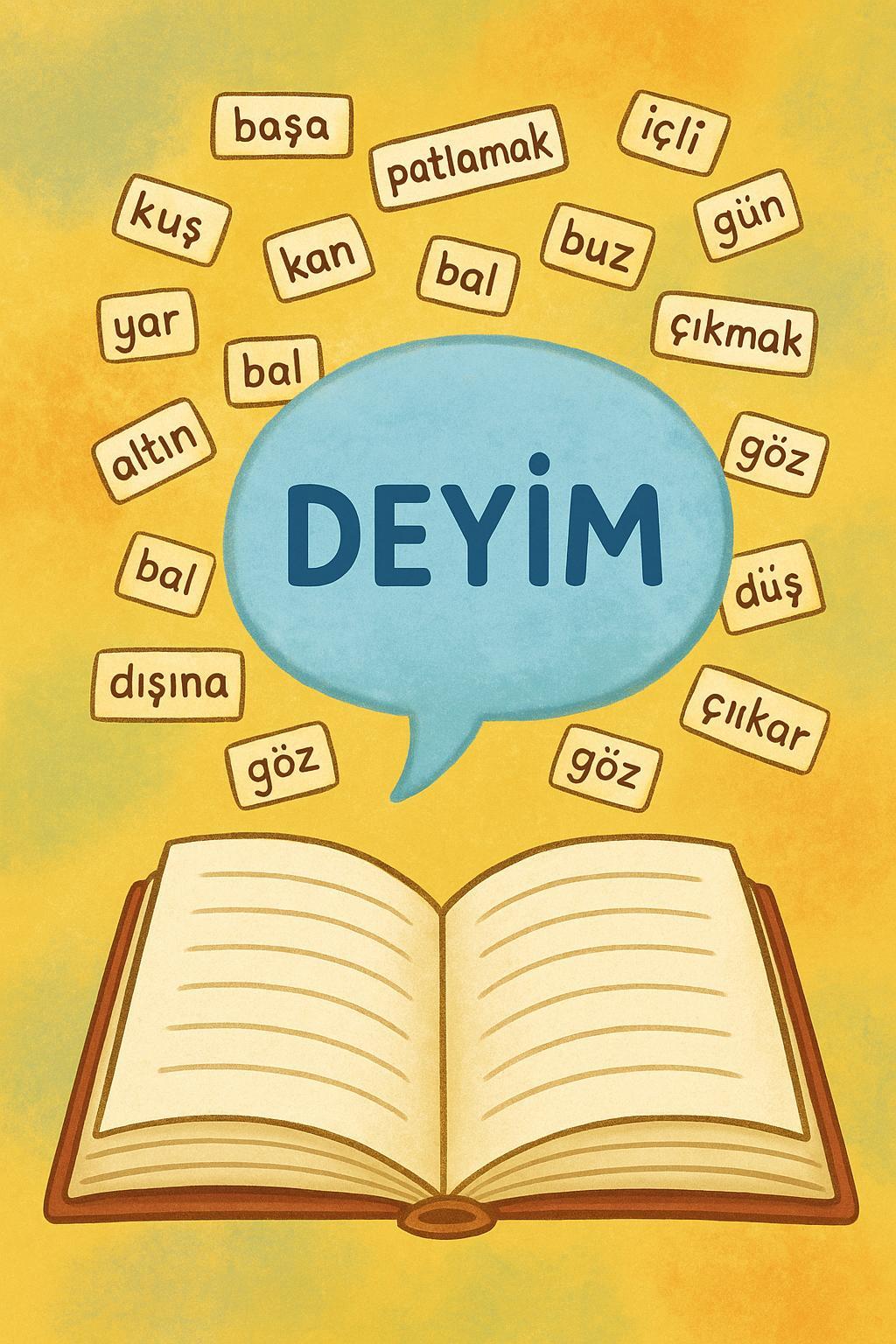
Idiom
What Is an Idiom? An idiom is a fixed expression that conveys a thought in a brief, effective, and often metaphorical way. Idioms are frequently used in daily life and express events or emotions with vivid language. They typically carry a meaning different from their literal interpretation. For example, the phrase “ağzı kulaklarına varmak” does not mean the mouth actually reaching the ears, but rather to be extremely happy. The Origin of Idioms: Language from Oral Culture and Everyday Life Idiom
ENZozan Demirci
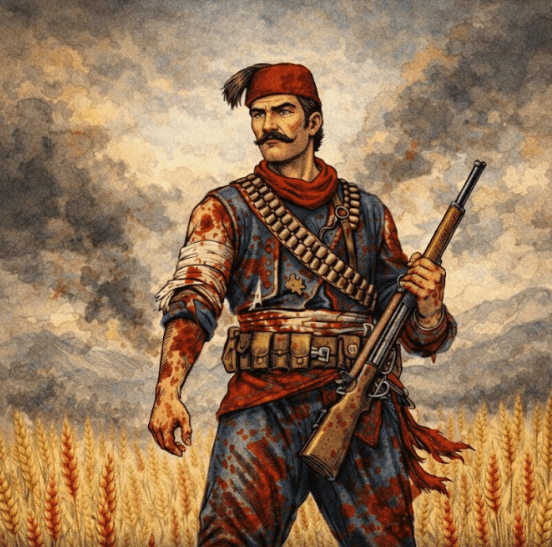
Red Wheat (Folk Song)
Red Wheat is a folk song belonging to the oral culture tradition of the Aegean Region, associated with the years of the National Struggle. The song is centered around a historical event and the local resistance leader Ali Osman Efe; through oral transmission, it developed into different variants and has reached the present day in two distinct versions. The song, which combines historical narrative elements with themes of love and longing, is one of the documented examples of folk music in repert
EN
Elif Laçin
 Kü
KüKürsübaşı Tradition
The "Kürsübaşı" tradition can be defined as a cultural practice observed particularly in Elazığ and its surrounding areas, where elements of oral folk narratives, music, and conversation come together. This practice offers a space for social interaction, typically during the winter months, in a room or house where individuals gather around a stove or hearth. It serves as a setting in which traditional oral culture elements are transmitted, social communication is maintained, and certain social r
EN
Sümeyye Akkanat Terzioğlu
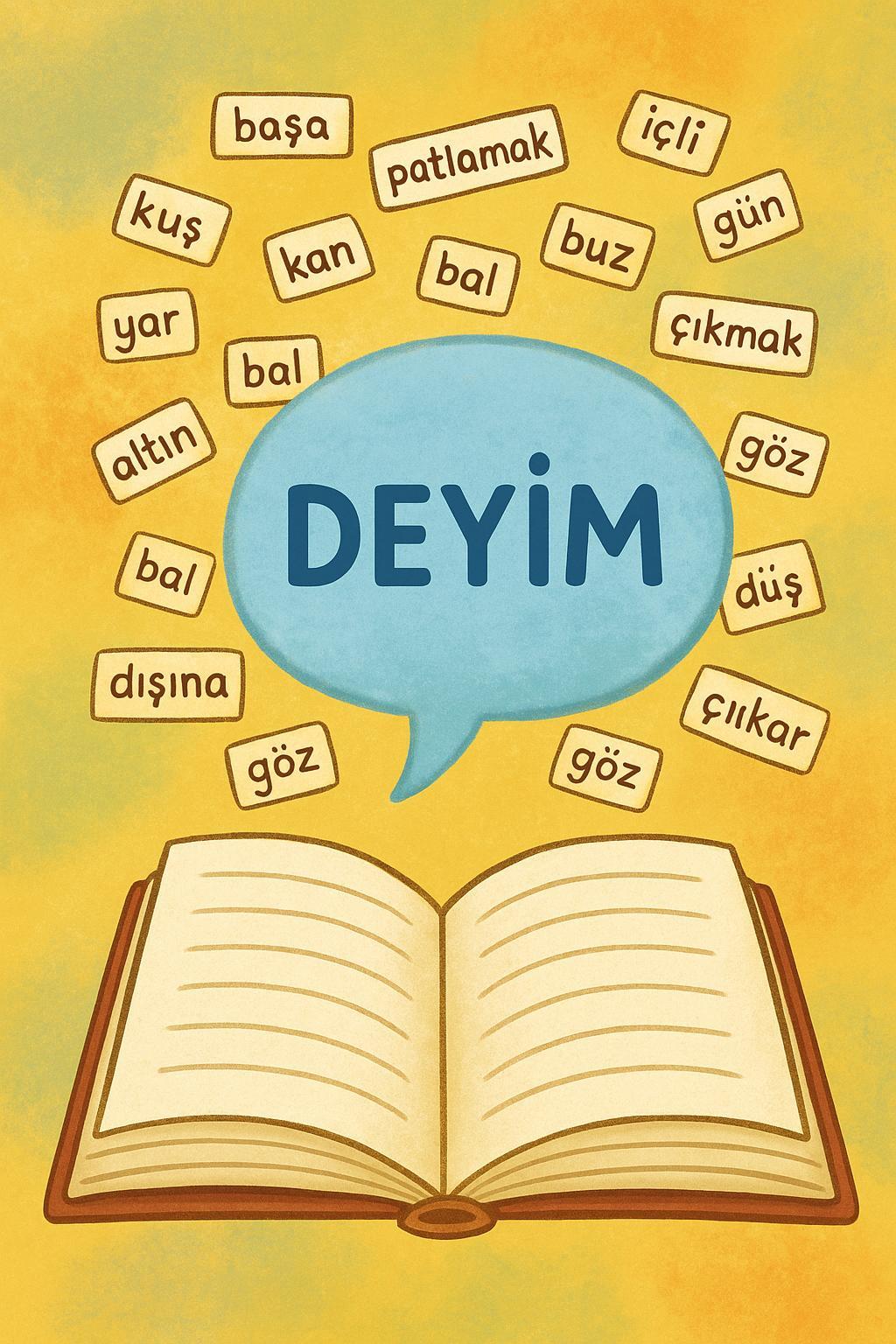
Idiom
What Is an Idiom? An idiom is a fixed phrase that expresses an idea briefly, effectively, and often metaphorically. Idioms are frequently used in everyday speech and convey events or emotions in a vivid manner. They typically carry a meaning different from their literal interpretation. For example, the phrase “ağzı kulaklarına varmak” does not mean that someone’s mouth has physically reached their ears, but rather that they are extremely happy. Origins of Idioms: Language from Oral Culture and E
ENZozan Demirci
TaTavern keeping
Meyhanacılık is an oral performance art based on the principle of several individuals spontaneously reciting poetry, either in syllabic or aruz meter, accompanied by rhythm, using a selected or provided rhyme (foot). In meyhane settings, satire and humor are emphasized. The opening two lines of each piece are repeated by the audience as a refrain. The performer’s ability to “improvise on a randomly assigned rhyme, adhering to specific metrical rules and patterns” is the defining characteristic o
EN
Duygu Şahinler

Gıyıdan Türküsü
Gıydıvan Türküsü, Kastamonu region’s oral cultural products, distinguished by its integration with local narratives, regional speech patterns, and anonymous character, is a traditional Turkish folk song that powerfully conveys themes of love, separation, and fate through a compelling expressive language. Hasan Yılmaz - Gıydıvanın Kızları (Cihan Müzik) " youtube-video-element-format="right" youtube-video-id="1xserXx1UIs"> Origin and Naming of the Folk Song Gıydıvan Türküsü’s origins are rooted
EN
Beyza Başar