

`oghuz-turks` Related Article Results
 Kü
KüKültöbe Inscription
Kültöbe Inscription is an important archaeological and philological find in the context of Central Asian Turkic history and epigraphy. It is the only known single-line runic Turkic inscription attributed to the early Oghuz Turks, dated to the 9th–10th centuries. The inscription was discovered within the historical Oghuz settlement of Kültöbe, located within the boundaries of the village of Orañğay (Oranğay), near the city of Turkistan, in southern Kazakhstan. Image of the Kültöbe Inscription (TR
EN
Duygu Şahinler
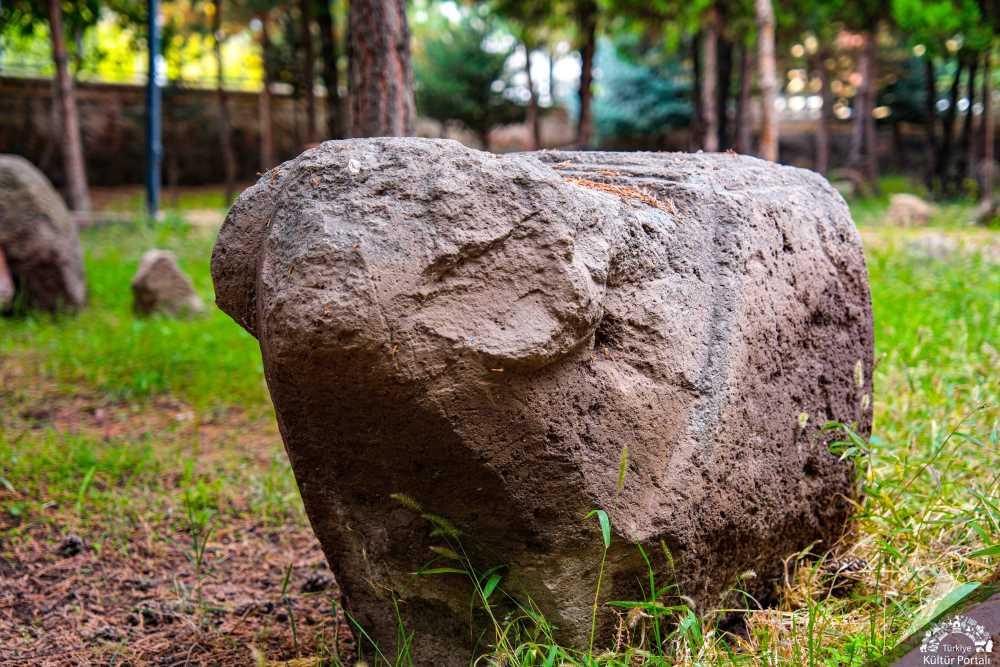
Koçbaşlı Grave Stones (Iğdır)
Koçbaşlı mezar taşları are stone structures shaped like the head of a ram, regarded as a reflection of the nomadic Turkic culture transmitted from Central Asia to Anatolia. They were typically erected on graves to symbolize heroism, bravery, social status, and the memory of young men who died prematurely. These stones are found primarily in cemetery areas within the boundaries of Iğdır Province, especially in the district of Karakoyunlu and surrounding villages. An open-air museum displaying the
EN
Neriman Çalışkan
KüKültöbe Inscription
Kültöbe Inscription is an important archaeological and philological find in the context of Central Asian Turkic history and epigraphy, representing the only known single-line runic Turkic inscription attributed to the early Oghuz Turks and dated to the 9th–10th centuries. The inscription was discovered within the historical Oghuz settlement of Kültöbe, located within the boundaries of the village of Orañğay (Oranğay), in the Sawran district, near the city of Turkistan in southern Kazakhstan. The
EN
Duygu Şahinler