

`nutrients` Related Article Results
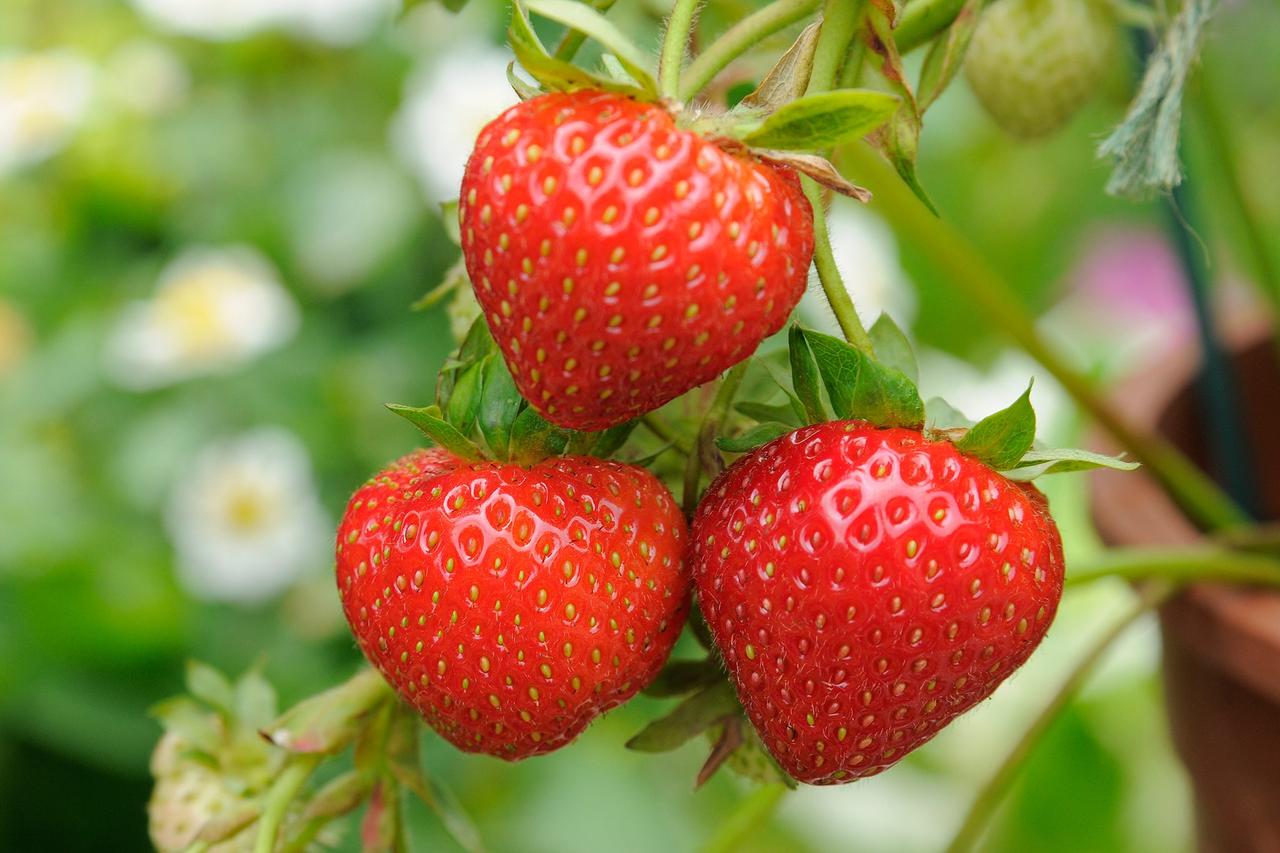
Strawberry (Fragaria)
Strawberry is a small, red fruit produced by a low-growing plant. The edible part of the strawberry is an enlarged flower receptacle, while the true fruits are the small achenes on the surface. The modern garden strawberry (Fragaria × ananassa) originated in the 18th century as a natural hybrid between two wild species native to North and South America. Since then, it has been cultivated and selectively bred for fruit size, yield, and other agricultural traits. Fig.1.strawberry fruit(Hussain et
EN
Betül Sena Kırval
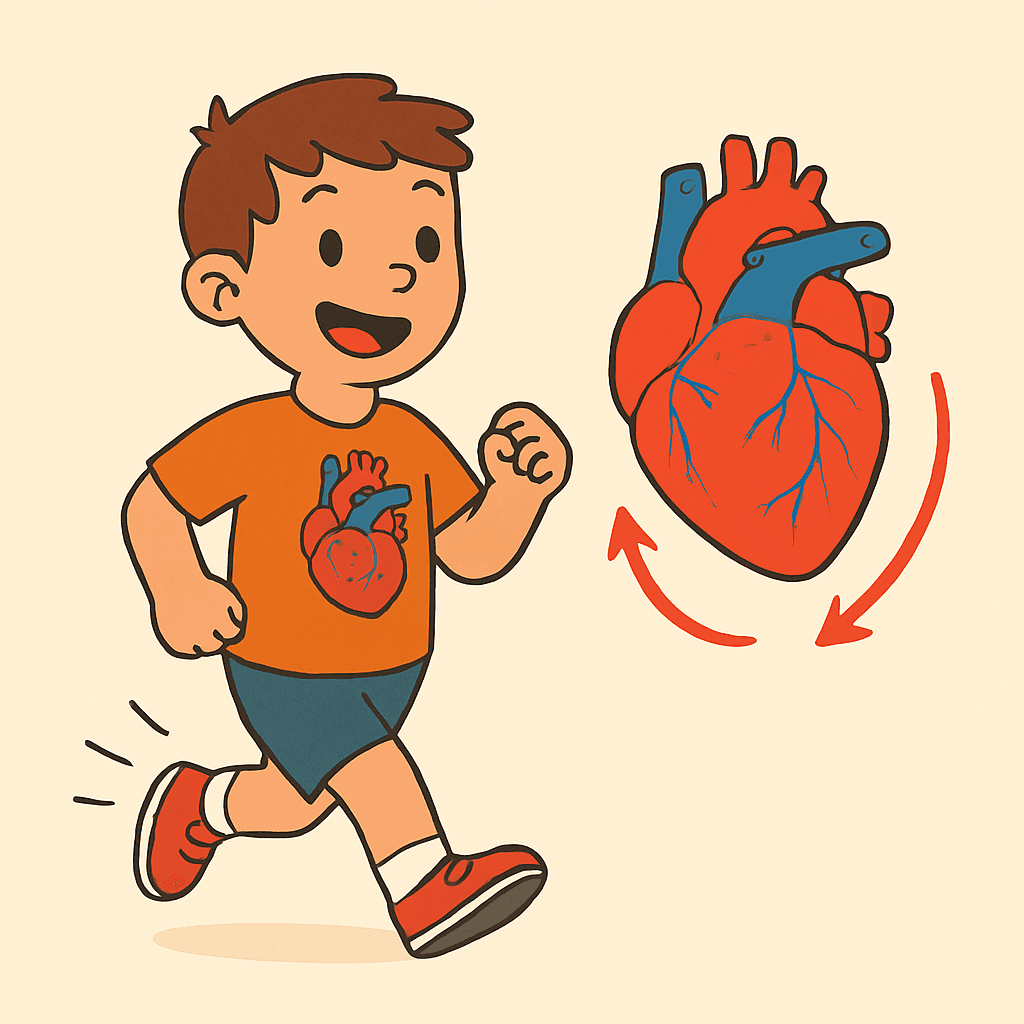
What is the heart for?
The heart is a powerful organ that pumps blood throughout our body. Thanks to the heart, blood is delivered to all tissues; cells receive oxygen (the gas that enables the body to produce energy) and nutrients (substances obtained from food necessary for the body). Waste products are also removed from the body. The heart also helps maintain the body’s temperature (the heat that enables energy production and healthy functioning). Pumping Blood The heart muscles continuously contract and relax to c
EN
Fatma Köroğlu

Complementary Nutrition
Complementary feeding refers to the process of introducing solid foods alongside breast milk or formula after the first six months of life. This period represents a critical window for optimal growth and development, maturation of the immune system, and neurological and psychological development. The first two years of life are a formative period for long-term health, metabolic programming, and the establishment of eating habits. Improper management of complementary feeding may create a foundati
EN
Nursena Güller
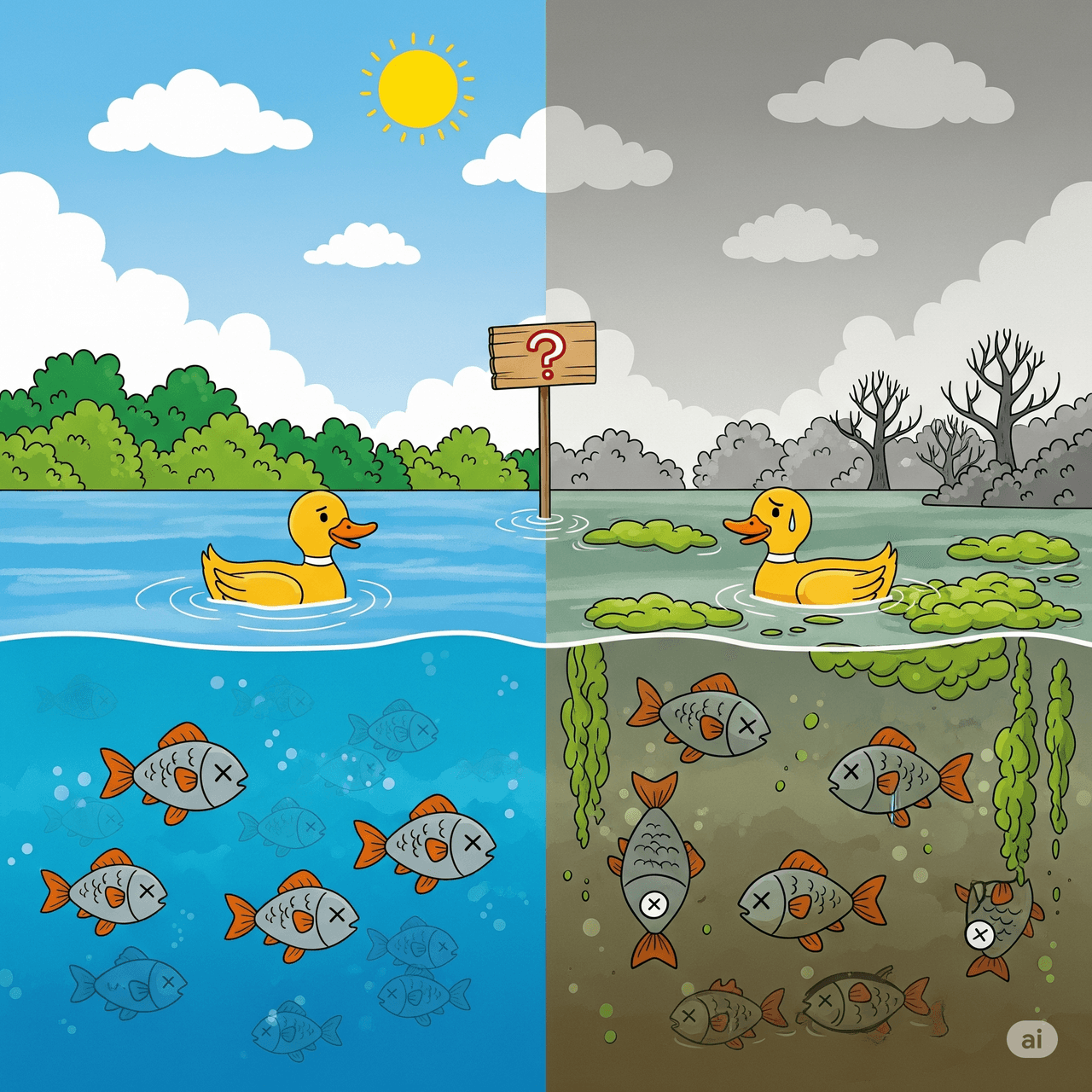
What Is Eutrophication?
Eutrophication is a process caused by the excessive increase of nutrients in water bodies such as lakes, rivers, or seas, particularly nitrogen and phosphorus. This disrupts the natural balance of the water and leads to changes in the ecosystem. Fertilizers and waste materials especially accelerate this process. If this balance is disturbed, the water’s ability to regenerate itself diminishes and the ecosystem loses its health. How Does It Occur? Fertilizers from agricultural fields, domestic wa
EN
Rüya Dumlu