

`nuclear-safety` Related Article Results
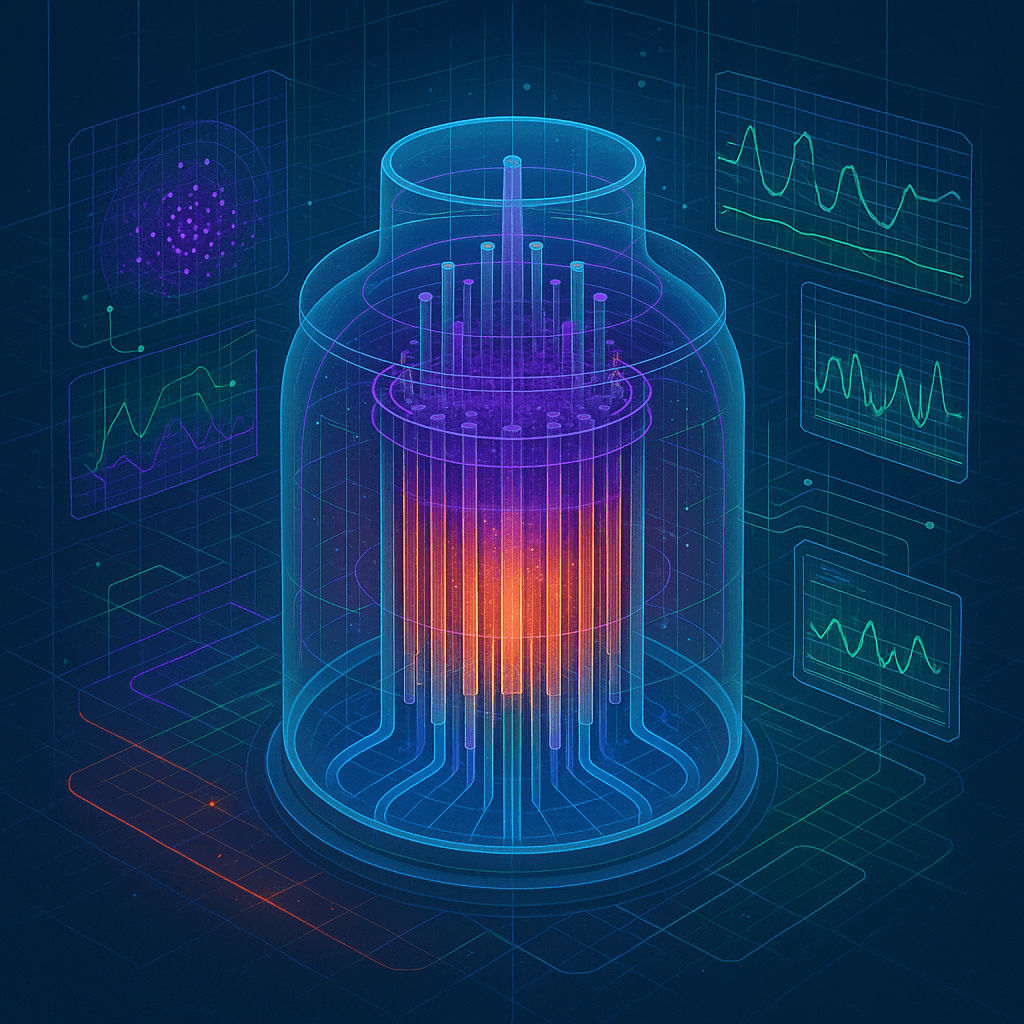
Reactor Simulation
Reactor simulation is the process of examining, predicting, and optimizing the behavior of highly complex systems such as nuclear, chemical, or biological reactors using mathematical models and numerical methods in a computer environment. This approach is based on recreating the fundamental physical and chemical processes occurring within the reactor in a virtual setting. These processes include nuclear fission and fusion reactions, heat transfer mechanisms, fluid dynamics, mass transfer, phase
EN
Ömer Said Aydın
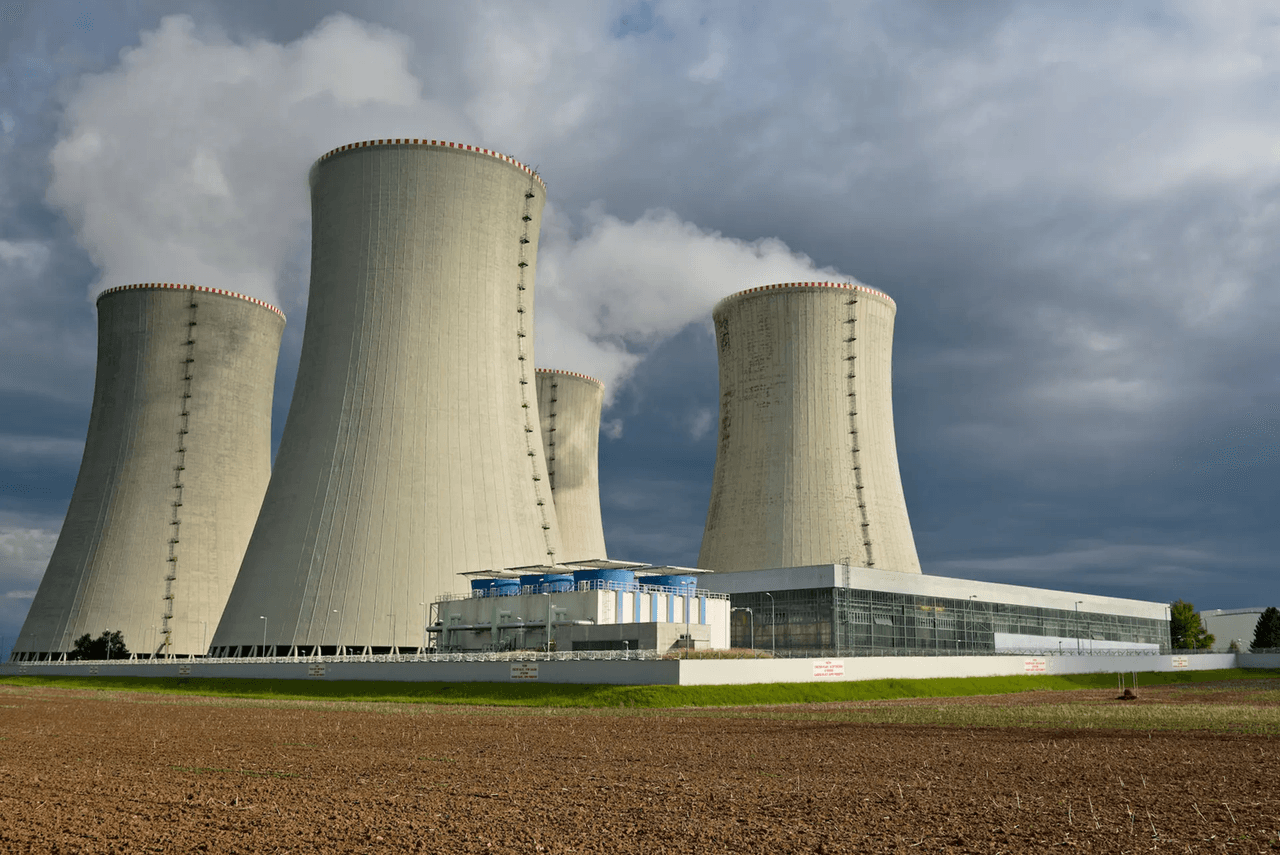
Fourth Generation Molten Salt Reactors
Fourth-generation Molten Salt Reactors (MSR) are an advanced class of reactors that use a mixture of molten salts as either the primary coolant or the fuel carrier in nuclear fission energy production. As one of the six advanced reactor technologies identified by the Generation IV International Forum (GIF), MSRs are distinguished from conventional light water reactors by their potential for high thermal efficiency, passive safety systems, and conversion of nuclear waste. In these systems, the fu
EN
Mürselat YÜRÜMEZ
 Ur
UrUranium and Nuclear Technology
Uranium is a metal found in nature. radioactive is a heavy element that plays a critical role in energy production and the defense industry. Its atomic number is 92. It is one of several substances used in nuclear fission reactions. Uranium is one of the main components of nuclear fuels used for energy production on a scale comparable to world and also holds strategic importance in military and medical applications as a important place. Naturally occurring uranium has several isotopes, most nota
EN
İbrahim Furkan Eraslan

Valeri Alekseyevich Legasov
Valeri Alekseyevich Legasov (Russian: Валерий Алексеевич Легасов; 1 September 1936 – 27 April 1988) was a Soviet inorganic chemist and member of the Academy of Sciences of the USSR. He specialized in nuclear physics and plasma methods, the synthesis and study of new compounds involving elements under abnormally high oxidation states, nuclear and plasma technologies, energy conservation technologies, and hydrogen energy. He is known for his work on the commission investigating the Chernobyl Nucle
ENAli Cahit Özdil
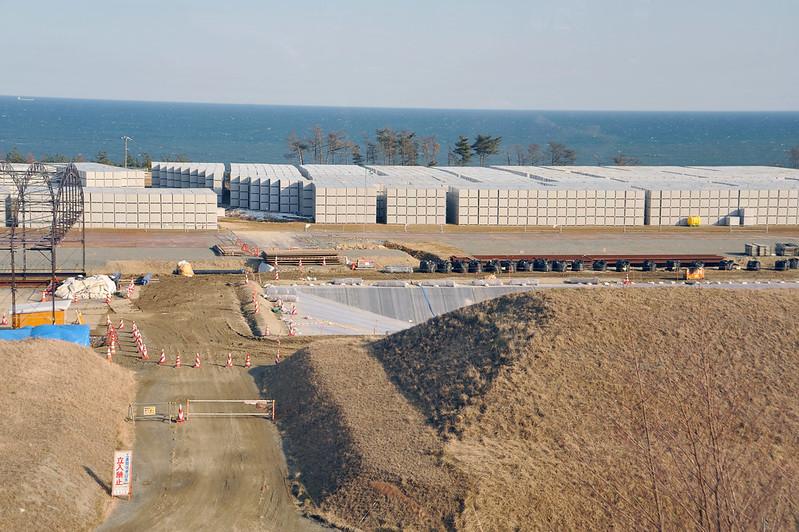
Fukushima Daiichi Nuclear Power Plant Accident
The Fukushima Daiichi Nuclear Power Plant Accident, is a major nuclear disaster triggered by a 9.0 magnitude earthquake off the coast of Japan’s Tōhoku region on 11 March 2011 and the subsequent tsunami that damaged the plant, leading to a series of technical failures and radioactive leaks. It has been classified as level 7, the highest on the International Nuclear and Radiological Event Scale (INES). Fukushima Daiichi Nuclear Power Plant The plant is located on Japan’s eastern coast and is oper
EN
Onur Çolak
RaRadiological Risk Assessments and Nuclear Energy Facilities
Radiological assessment is the process of calculating the dose received by humans from radioactive materials in the environment and the associated risks. Radioactive materials are released from either anthropogenic or natural sources. These materials can be transported in the environment and detected at specific concentrations. At this stage, calculations are not based on a random individual but on the Critical Group—the population subgroup most sensitive to radiation or most exposed due to loca
ENAybüke Yılmaz