

`nuclear-reactor` Related Article Results
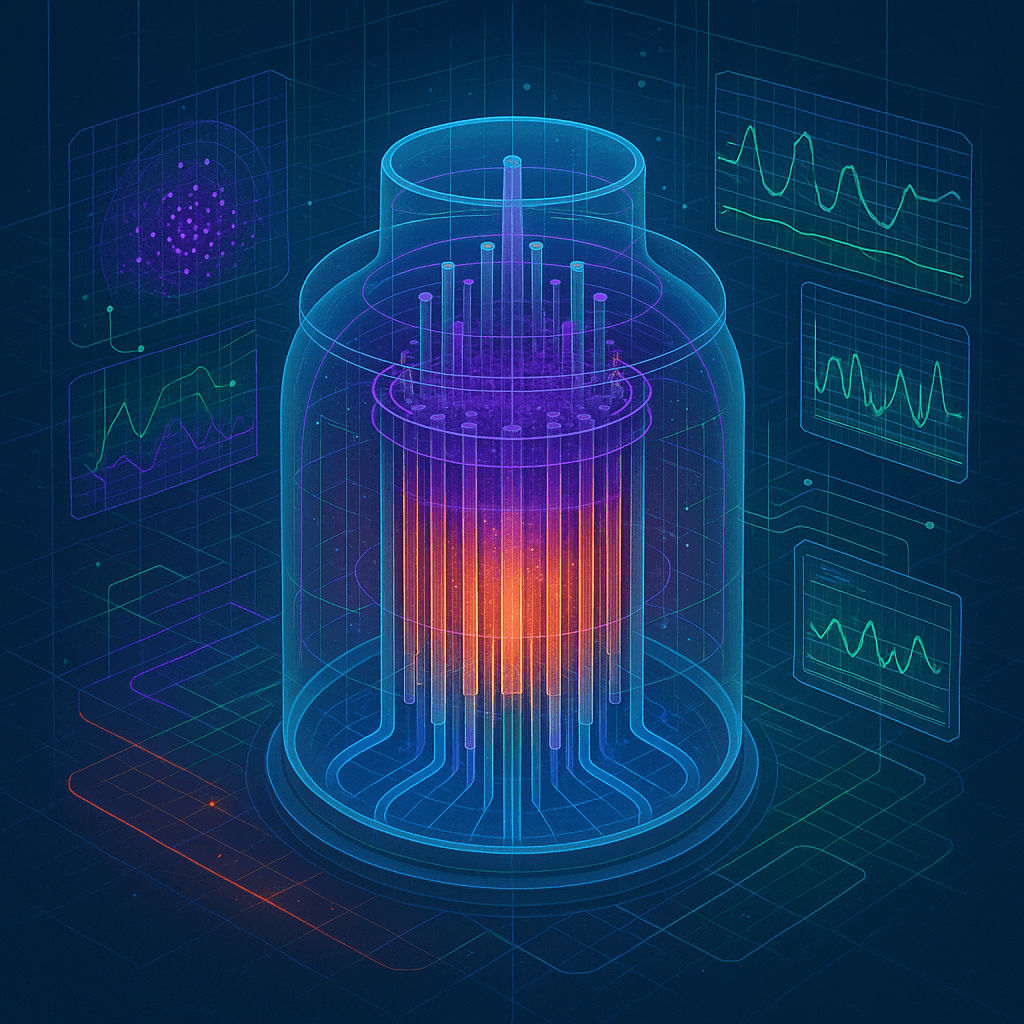
Reactor Simulation
Reactor simulation is the process of examining, predicting, and optimizing the behavior of highly complex systems such as nuclear, chemical, or biological reactors using mathematical models and numerical methods in a computer environment. This approach is based on recreating the fundamental physical and chemical processes occurring within the reactor in a virtual setting. These processes include nuclear fission and fusion reactions, heat transfer mechanisms, fluid dynamics, mass transfer, phase
EN
Ömer Said Aydın
What is Protactinium?
Protactinium is a rare and radioactive element in the periodic table. It occurs in very small amounts in nature, and scientists study it in laboratories for research purposes. Discovery and Name Protactinium was discovered in 1913. Its name derives from Greek words meaning "pre-actinium," as it exhibits properties very similar to the element actinium. Properties Protactinium is a metallic and radioactive element. It has a silvery appearance but is extremely rare in nature. Its chemical propertie
EN
Rüya Dumlu
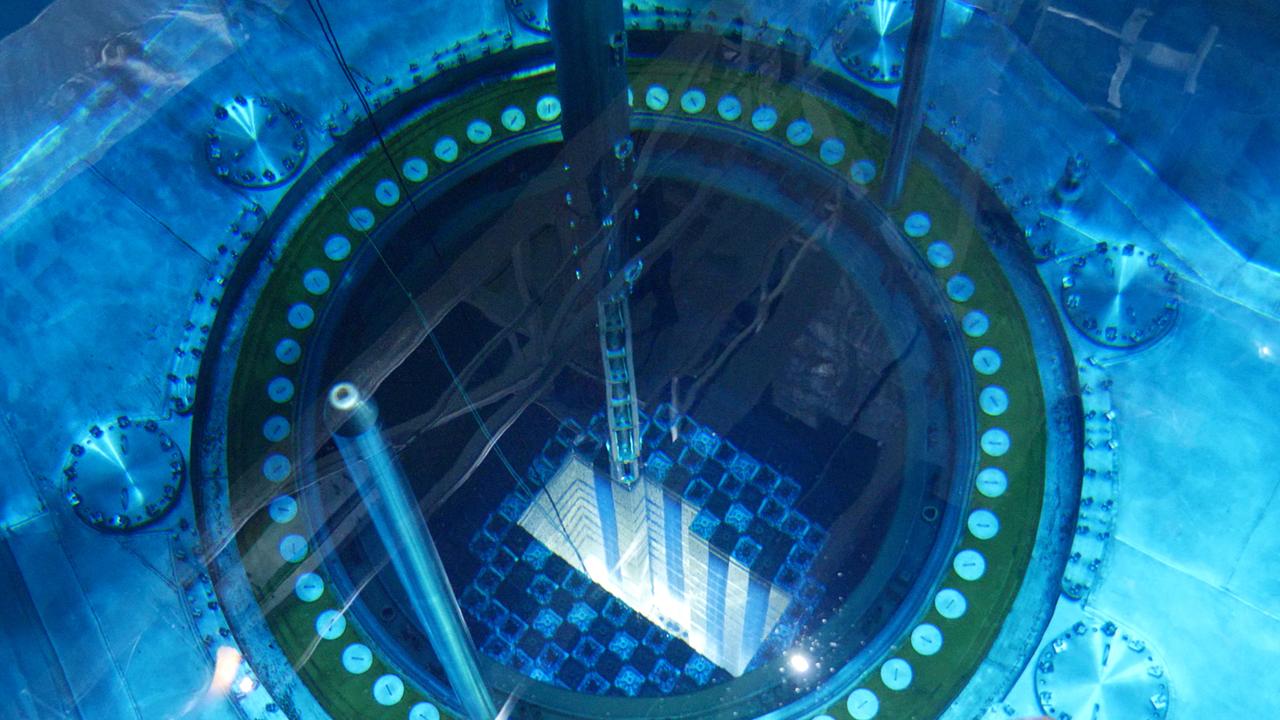
Refueling Operation in Reactors
In nuclear reactors, refueling—the planned removal of spent fuel assemblies from the reactor core and their replacement with fresh fuel, alongside the strategic rearrangement of remaining fuel assemblies—is a critical core management process that directly affects reactor reactivity control, power distribution, safety margins, and economic operation. In Pressurized Water Reactors (PWRs), periodic fuel replacement operations are essential for continuous and safe energy production. The fundamental
EN
Alper Şahin
 Ur
UrUranium Enrichment
Uranium enrichment is the artificial process of increasing the proportion of uranium-235 (U-235), the isotope found in natural uranium that enables energy production in nuclear reactors. This process is carried out to produce fuel for nuclear reactors or to obtain material for nuclear weapons. Natural uranium consists primarily of two different types (isotopes) of uranium: Uranium-238 (U-238): Makes up approximately 99.3 percent of natural uranium. This isotope cannot be used directly for energy
ENYunus Emre Yüce
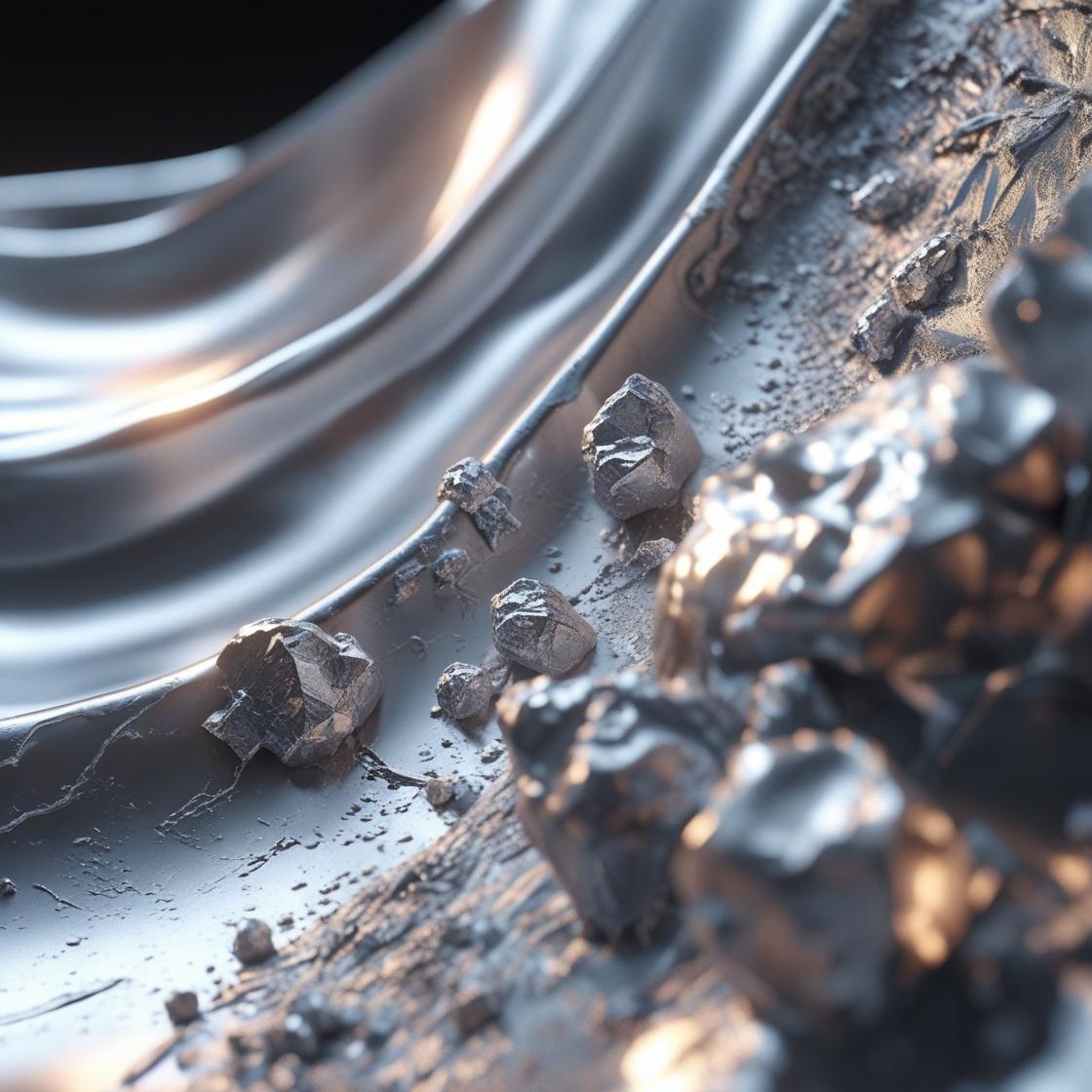
Gadolinium (Gd)
Gadolinium is a silvery-white metal with atomic number 64, belonging to the lanthanide series. It was discovered in 1880 by the Swiss chemist Jean Charles Galissard de Marignac and named after the Finnish chemist Johan Gadolin. It is particularly used for its magnetic properties in nuclear reactors and medical imaging applications. Classification and Basic Properties Gadolinium (Gd) is an element located in the 6th period of the periodic table within the lanthanide group. Its electron configurat
EN
Caner Sefa Koçyiğit
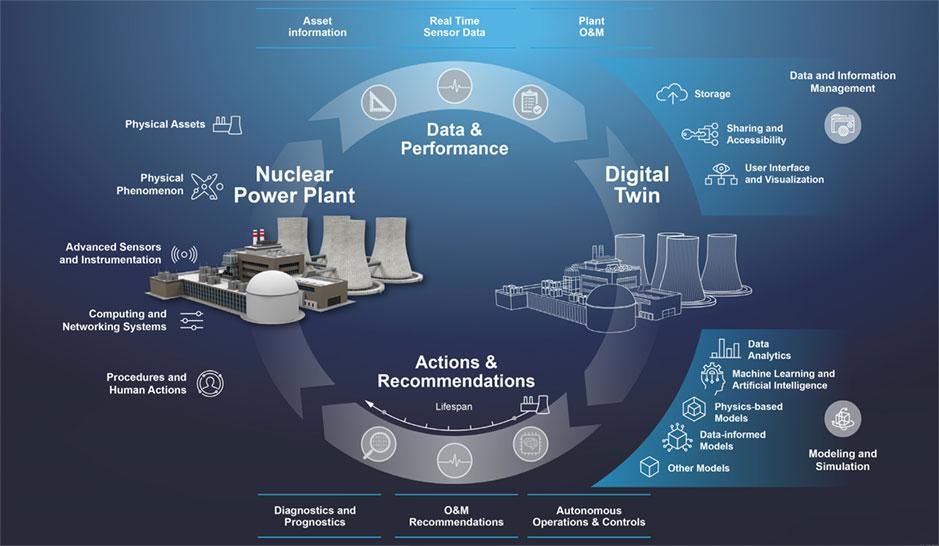
Digital Twins and Invisible Experiments: How Do We "Run" a Nuclear Reactor Before Building It?
Imagine you are building a nuclear reactor. It requires billions of dollars in investment, tens of thousands of tons of concrete and steel, and above all a safety culture with zero tolerance for error. In the past, engineers often had to construct expensive and time-consuming physical prototypes to verify their theories. Today, however, during this period of renaissance for next-generation nuclear reactor designs, power plants begin operating at full capacity in a virtual environment—inside supe
ENAybüke Yılmaz