

`nuclear-physics` Related Article Results

What is Fermium?
Fermium is a highly specialized element that appears in the periodic table. It is a very heavy and radioactive metal. It does not occur naturally; scientists produce it in laboratories. For this reason, it is a rare and valuable element. Discovery and Name Fermium was discovered in 1952 through reactions involving uranium and other elements. It is named after the renowned physicist Enrico Fermi, in honor of the contributions made by scientists. Properties Fermium is a very heavy element and is r
EN
Rüya Dumlu
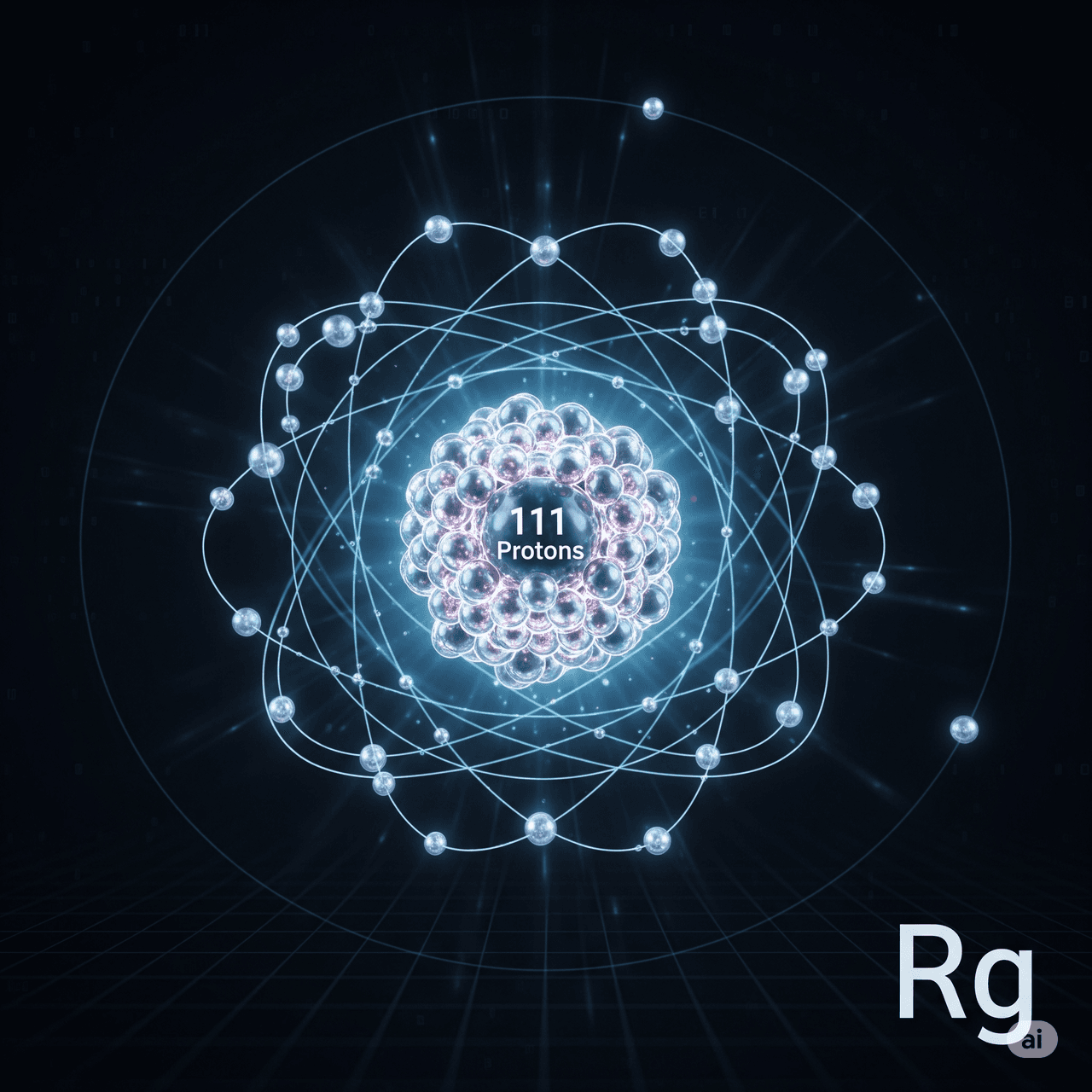
Roentgenium Element
Roentgenium is an artificial element with the symbol Rg and atomic number 111. It does not occur naturally and is produced only in laboratories. It is radioactive and has a very short half-life. Scientists study this rare element to understand the properties of superheavy elements. History Roentgenium was discovered in 1994 in Germany. Its name is derived from the renowned physicist Wilhelm Conrad Röntgen who discovered X-rays. The discovery of this element marked a significant milestone in rese
EN
İbrahim Filiz
Moscovium (Mc)
Moscovium is a synthetic and highly radioactive element located at position 115 in the periodic table. It was first synthesized in 2003 and derives its name from Moscow, the capital of Russia. Known properties are based on observations of only a few atoms produced and theoretical calculations. Classification and Fundamental Properties Moscovium (Mc) is an element in period 7 and group 15 (the pnictogens) of the periodic table. Its expected electron configuration is [Rn] 5f¹⁴6d¹⁰7s²7p³. This conf
EN
Ali Hakyol
What is Einsteinium?
Einsteinium is an artificial element belonging to the actinide group in the periodic table. It does not occur naturally; it can only be produced during nuclear explosions or in specialized laboratories. It is named after the renowned scientist Albert Einstein. Discovery and Name Einsteinium was discovered in 1952 as a result of reactions involving uranium and other elements. It is named after the famous physicist Albert Einstein. This name was given to honor Einstein’s immense contributions to s
ENRüya Dumlu
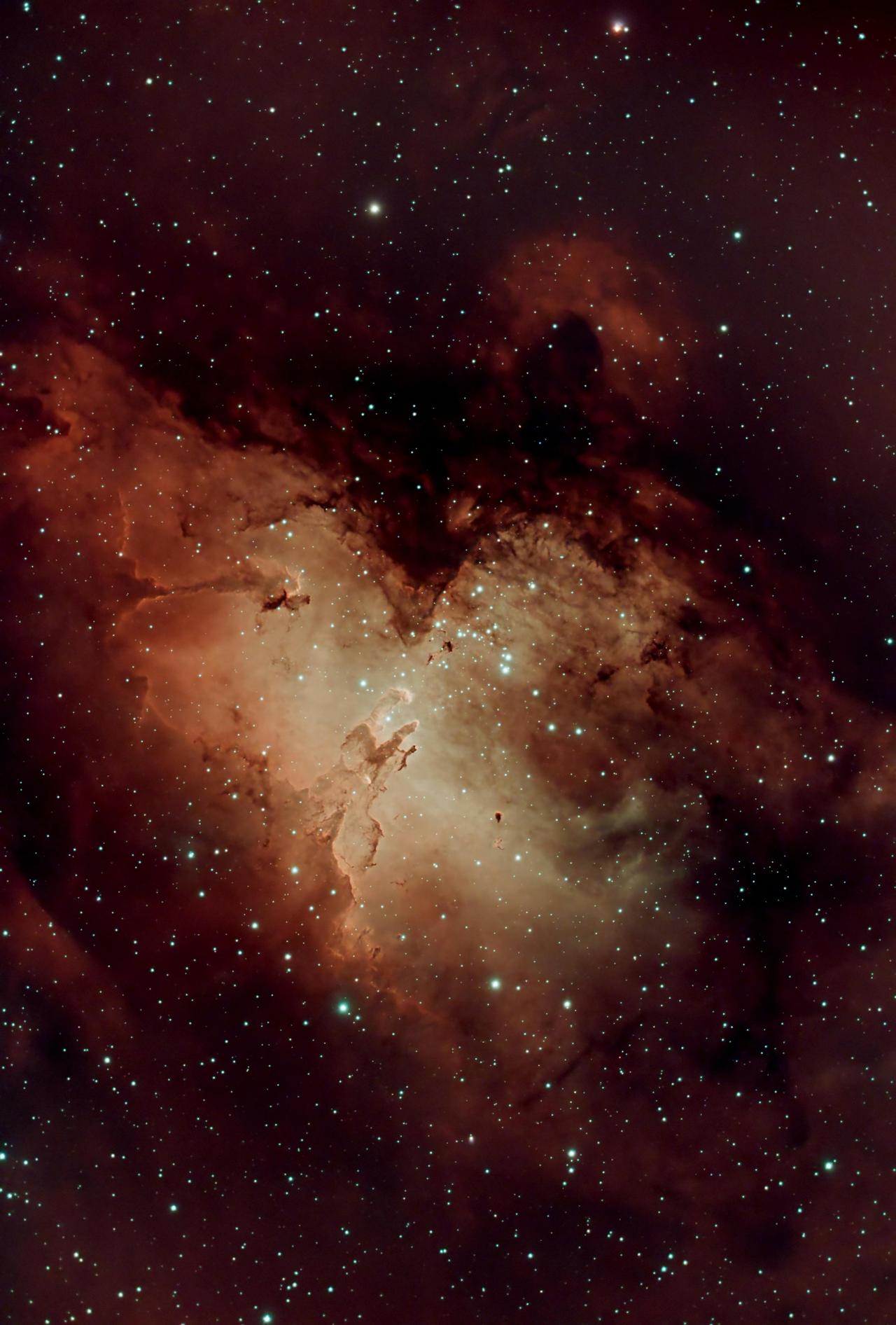
Astrophysics
Astrophysics is a scientific discipline that applies the laws of physics and chemistry to understand the nature, origin, development, and future of the universe and the celestial bodies within it. This field has examined the processes from birth to death of planets, galaxies, nebulae and other cosmic structures. Astronomy focuses on measuring the positions, motions and brightnesses of celestial objects, while astrophysics has developed theories to explain the physical properties of these objects
EN
Aykut Laçın