

`nuclear-fusion` Related Article Results
Nuclear Fusion
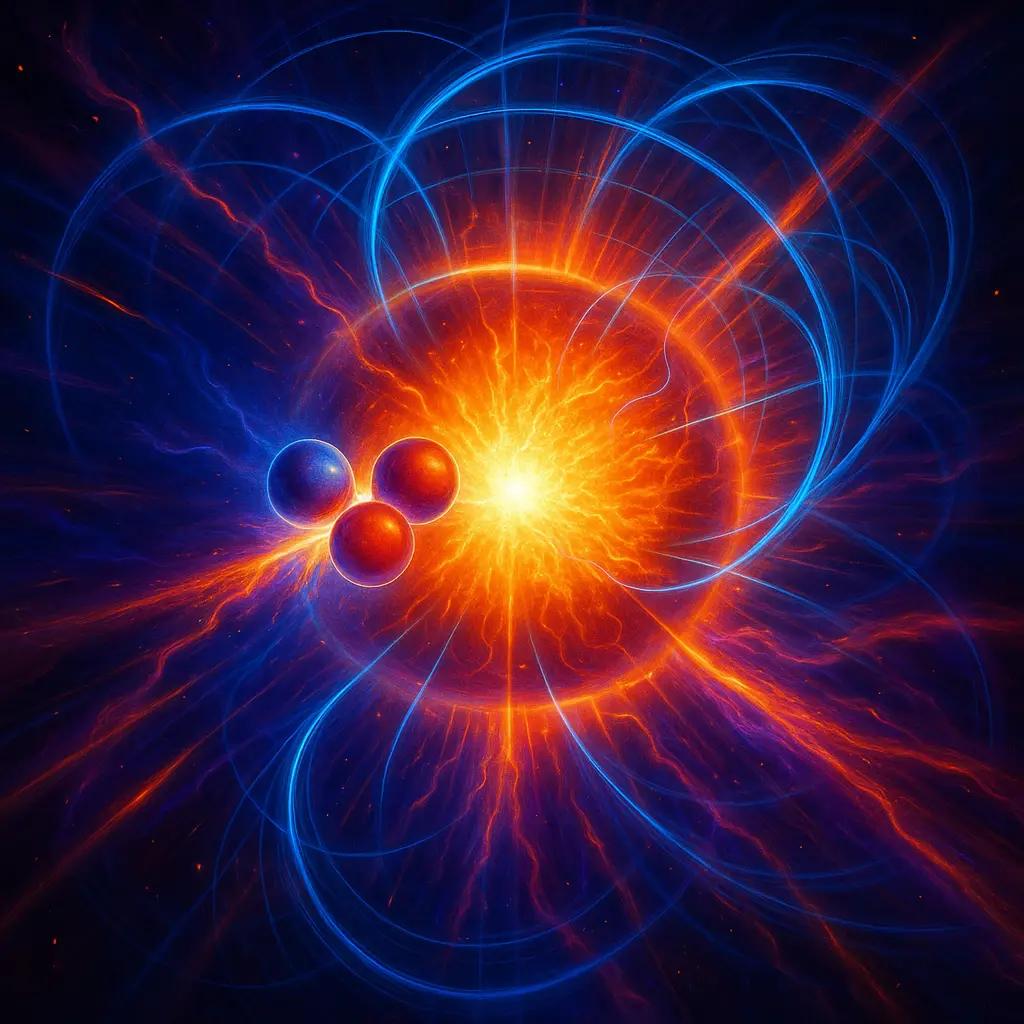
Fusion is the process by which two light atomic nuclei combine under extremely high temperature and pressure to form a heavier nucleus. Because mass is converted into energy during this process, the amount of energy released is substantial. For example, when the hydrogen isotopes deuterium and tritium combine under suitable conditions, a helium nucleus is produced and free energy is released. This energy derives directly from nuclear binding energy and, as in astrophysical processes, attains ver
EN
Ömer Said Aydın
ITER Project
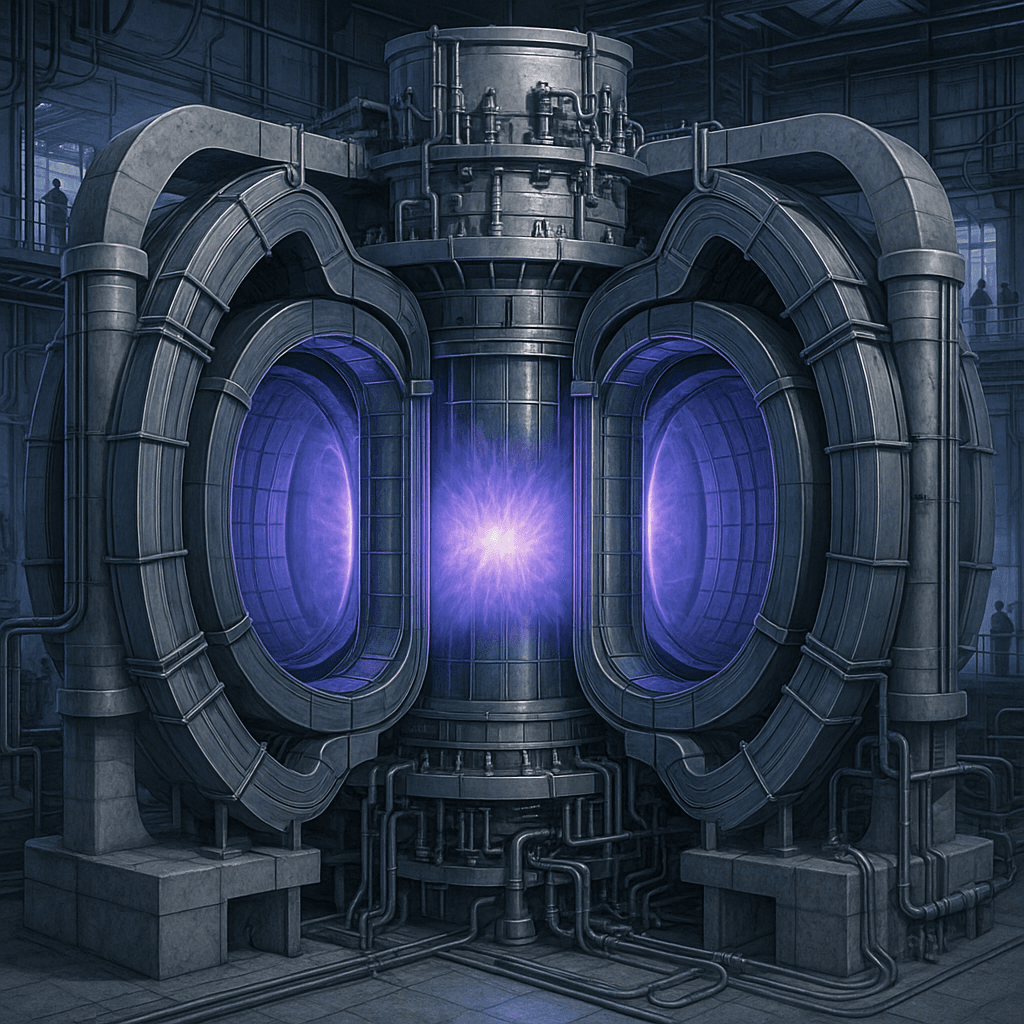
The International Thermonuclear Experimental Reactor (ITER) is a scientific and engineering endeavor aimed at reproducing on Earth the nuclear fusion process that powers stars under controlled conditions. The project’s primary objective is to establish the scientific evidence and technological infrastructure necessary to demonstrate the future viability of fusion energy as a sustainable, safe, and environmentally friendly power source. In this context, ITER encompasses the construction of a fusi
EN
Ömer Said Aydın
ITER Project
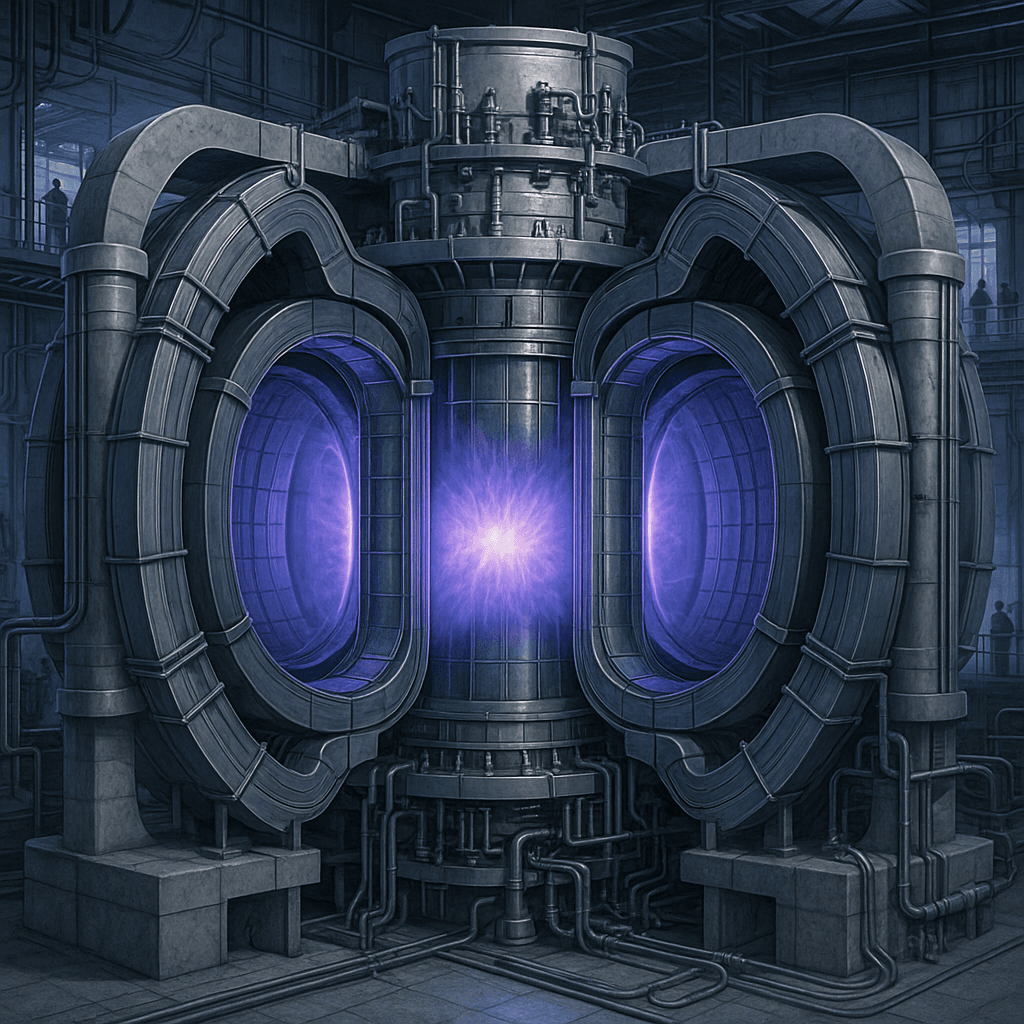
The International Thermonuclear Experimental Reactor (ITER) is a major scientific and engineering endeavor aimed at reproducing on Earth the nuclear fusion process that powers stars under controlled conditions. The project’s primary goal is to establish the scientific evidence and technological infrastructure necessary to demonstrate the future viability of fusion energy as a sustainable safe and environmentally friendly power source. To this end ITER encompasses the construction of a fusion rea
ENÖmer Said Aydın
Global Energy Reserves and Future
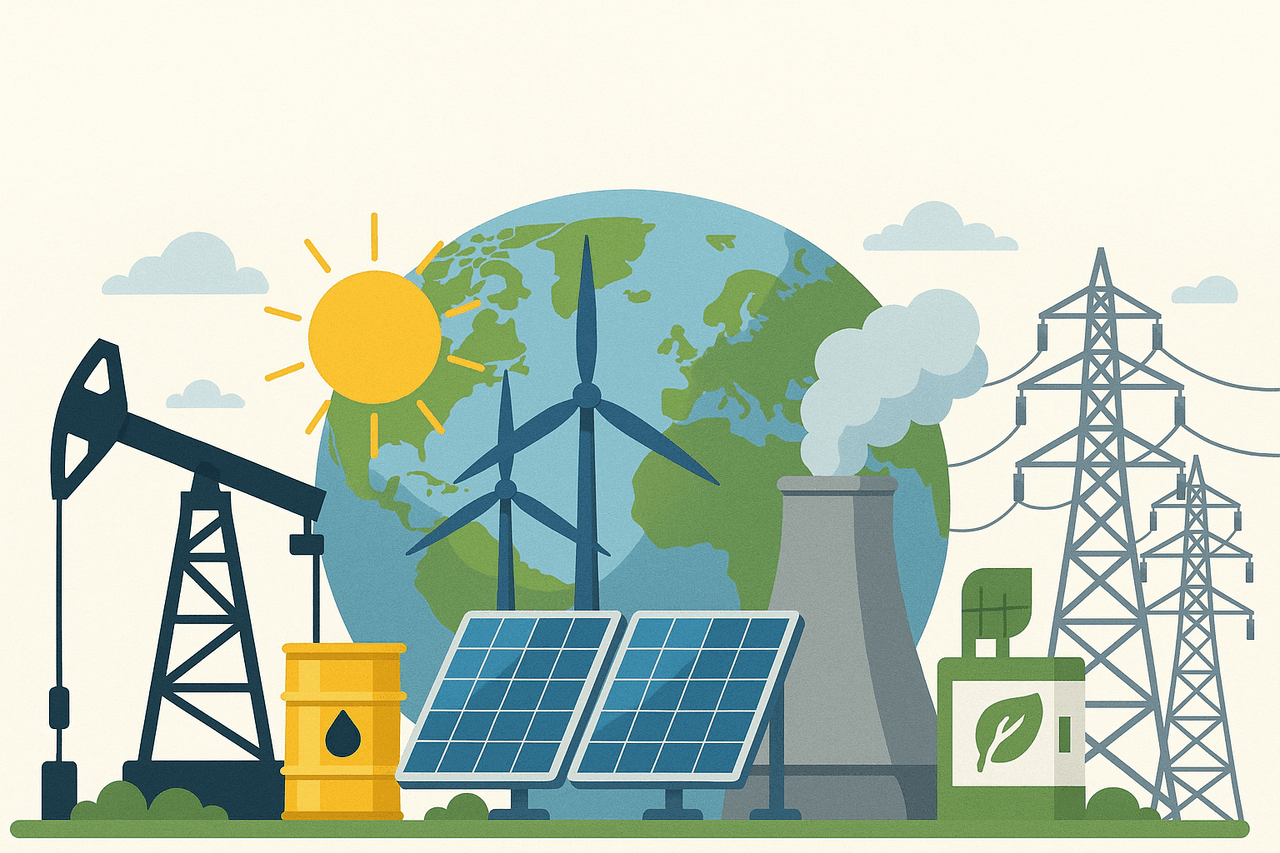
Global energy systems form a multi-layered structure encompassing production, transmission, and consumption processes. These systems are shaped by objectives of economic growth, energy security, and environmental sustainability. Global energy consumption has increased significantly over the past 50 years in parallel with economic growth and population expansion. Annual energy consumption, which stood at approximately 63 trillion kilowatt-hours (TWh) in the 1970s, reached about 180 trillion TWh b
EN
Rakib Kağan Özyürek