

`nowruz` Related Article Results
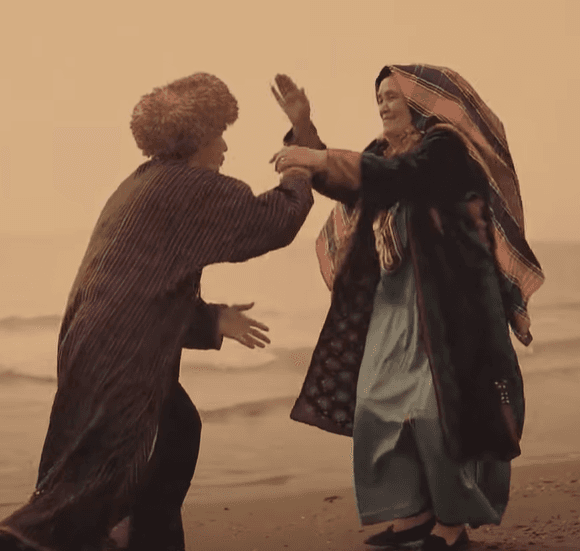
The term "Küştdepti" appears to be a misspelling or non-standard form. There is no recognized word or proper noun in Turkish
Küştdepdi is a folk dance from Turkmenistan that combines song (aydım) and rhythmic movements, performed communally as an essential part of weddings, holidays, and official ceremonies. It was inscribed on UNESCO’s Representative List of the Intangible Cultural Heritage of Humanity during the 12th Intergovernmental Committee for the Safeguarding of the Intangible Cultural Heritage, held on 4–9 December 2017 on Jeju Island, South Korea. Küştdepti Dance (Atajan Caryyarow) Name and Etymology The nam
EN
Duygu Şahinler
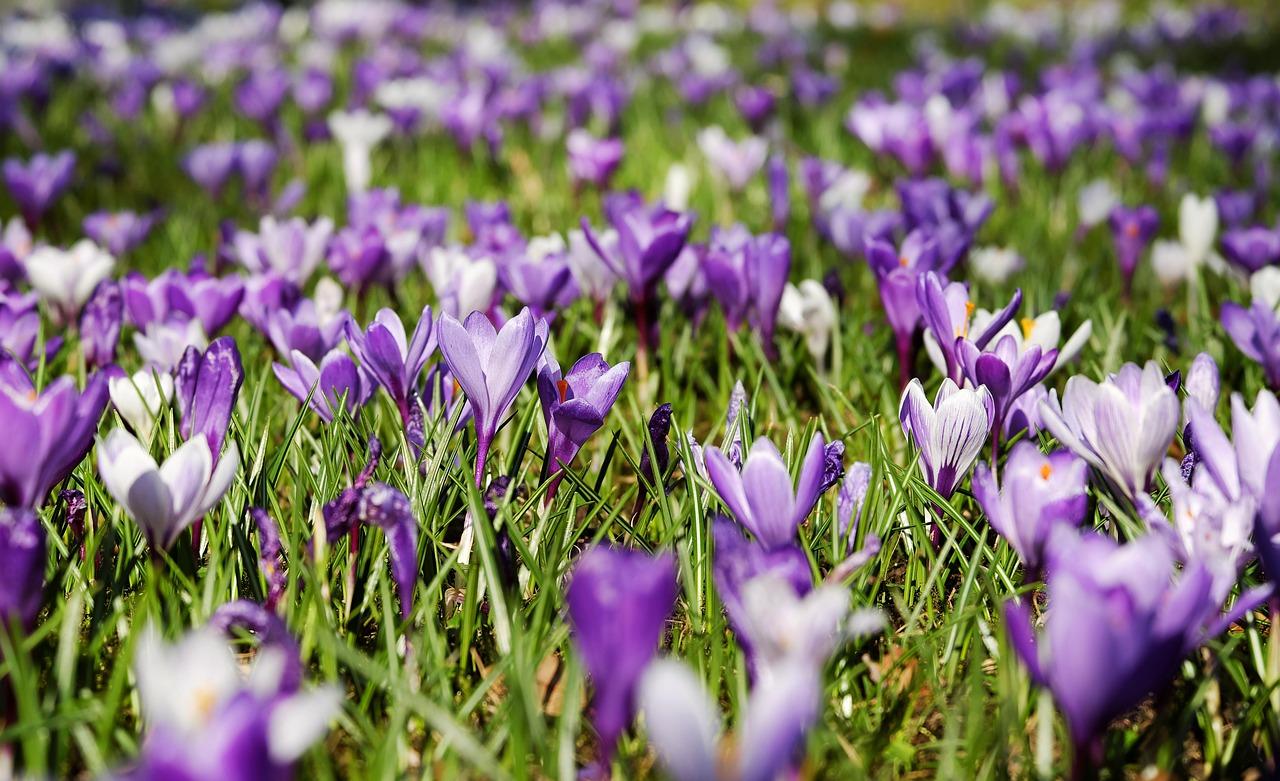
Nowruz Festival
Nowruz is a great holiday that holds an important place in the historical and cultural heritage of the Turkic peoples, symbolizing the arrival of spring and the awakening of nature. This holiday has been celebrated by different cultures starting from Central Asia and spreading to Anatolia, the Balkans, and wider geography, and has been shaped according to the traditions of each society. Meaning and Origin of Nowruz Nowruz is a Persian word meaning “new day”. It begins to be celebrated on March 2
EN
Ayşe İkbal Özsakın
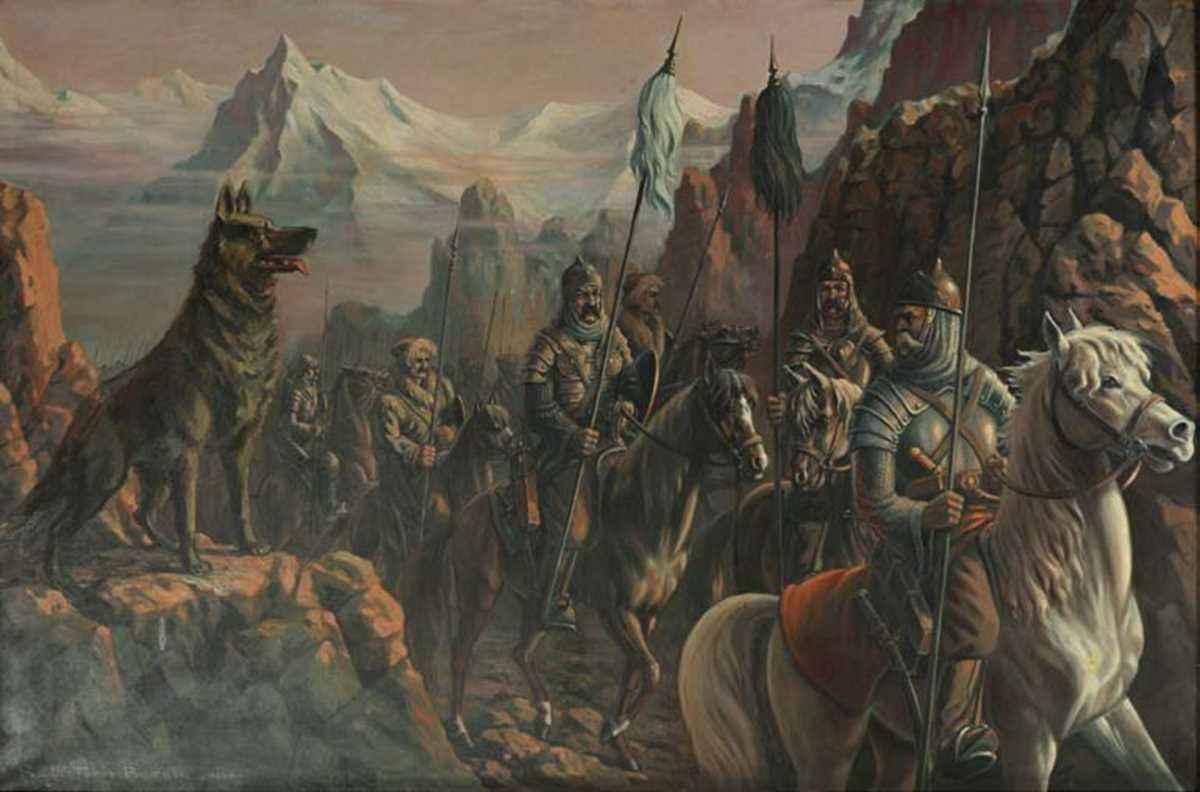
Ergenekon Epic
The Ergenekon Epic is one of the oral narratives in Turkic mythology that recounts a society’s deliverance from a historical crisis. In the epic, the Turks, after a devastating defeat, take refuge in a mountain-enclosed region, regain their strength there, and eventually escape under the leadership of a blacksmith among them. During this exit, a sacred wolf, sent by God, guides the people. The epic symbolizes the rebirth, liberation, and restoration of independence of the Turks. Narrative of the
EN
Ufuk Yarar
 Ma
MaMarch
March (n.): March is the third month of the Gregorian calendar and marks the transition into the spring season. While it signifies the arrival of spring in the Northern Hemisphere, it heralds the beginning of autumn in the Southern Hemisphere. March has 31 days and is known for the lengthening of daylight hours. Etymology The word "March" originates from the Latin Martius, named after Mars, the Roman god of war. In ancient Rome, March was considered the beginning of the war season, which is why
EN
Furkan Üresin