

`nonmetal` Related Article Results
Chlorine (Cl)
Chlorine is an element located in the halogen group of the periodic table with an atomic number of 17. This element, commonly found in nature and used for various industrial purposes, is notable for its chemical properties and high reactivity. Chlorine is an important element in life and environmental sciences and is a component of many compounds. Discovery The element chlorine was first isolated in 1774 by Swedish chemist Carl Wilhelm Scheele as a greenish-yellow gas produced by the reaction of
EN
Zehra Yayla
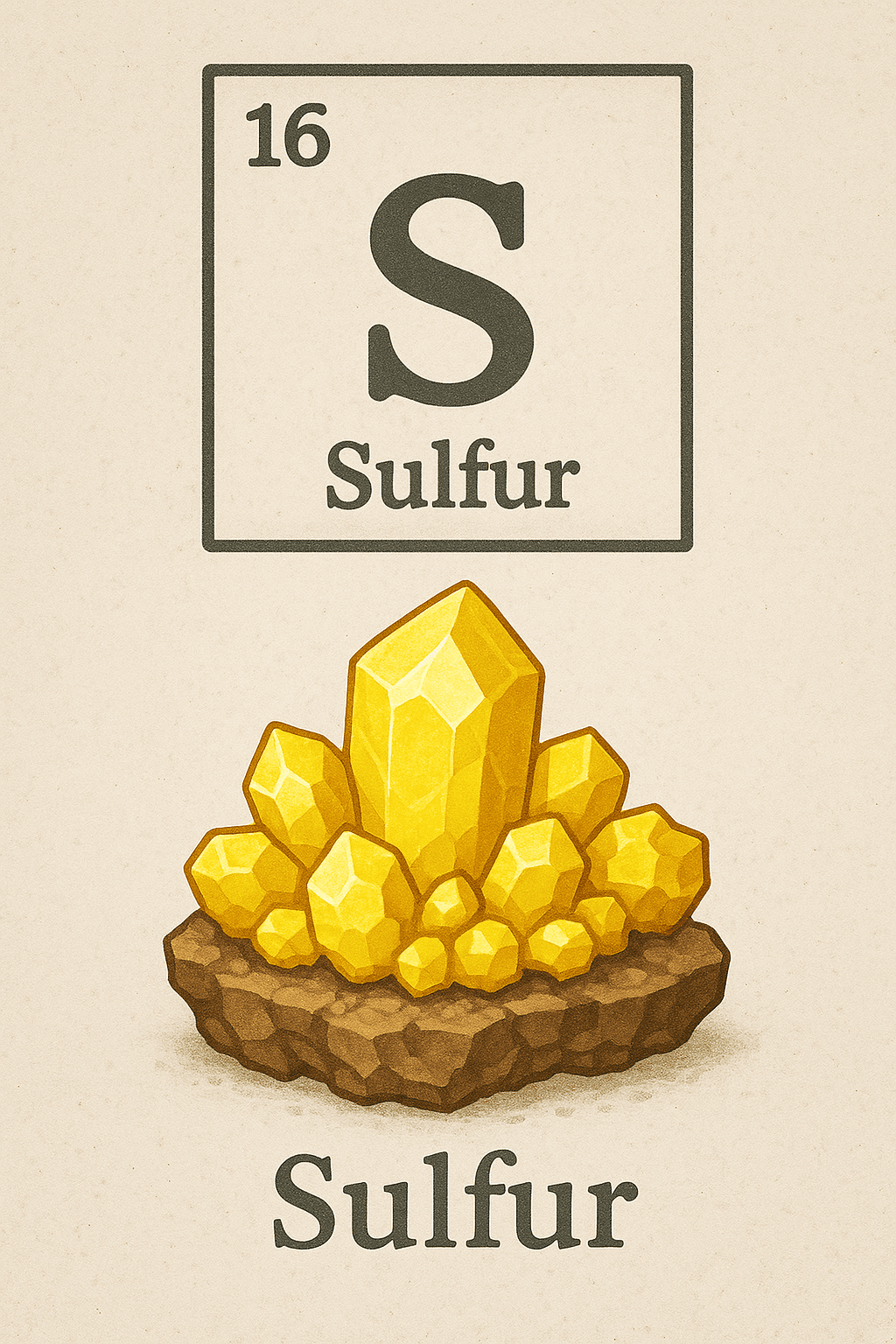
Sulfur (S)
Sulfur is a nonmetal element located in the 3rd period and the 16th group (Group VI-A, chalcogens) of the periodic table. It is commonly found in nature both in its free form and in various compounds. Its chemical symbol is "S," and its atomic number is 16. Sulfur is a versatile element with fundamental roles in biological systems and wide-ranging applications in industrial chemistry. Representative image of the sulfur element. (Generated by artificial intelligence.) " image-element-format="righ
ENZehra Yayla
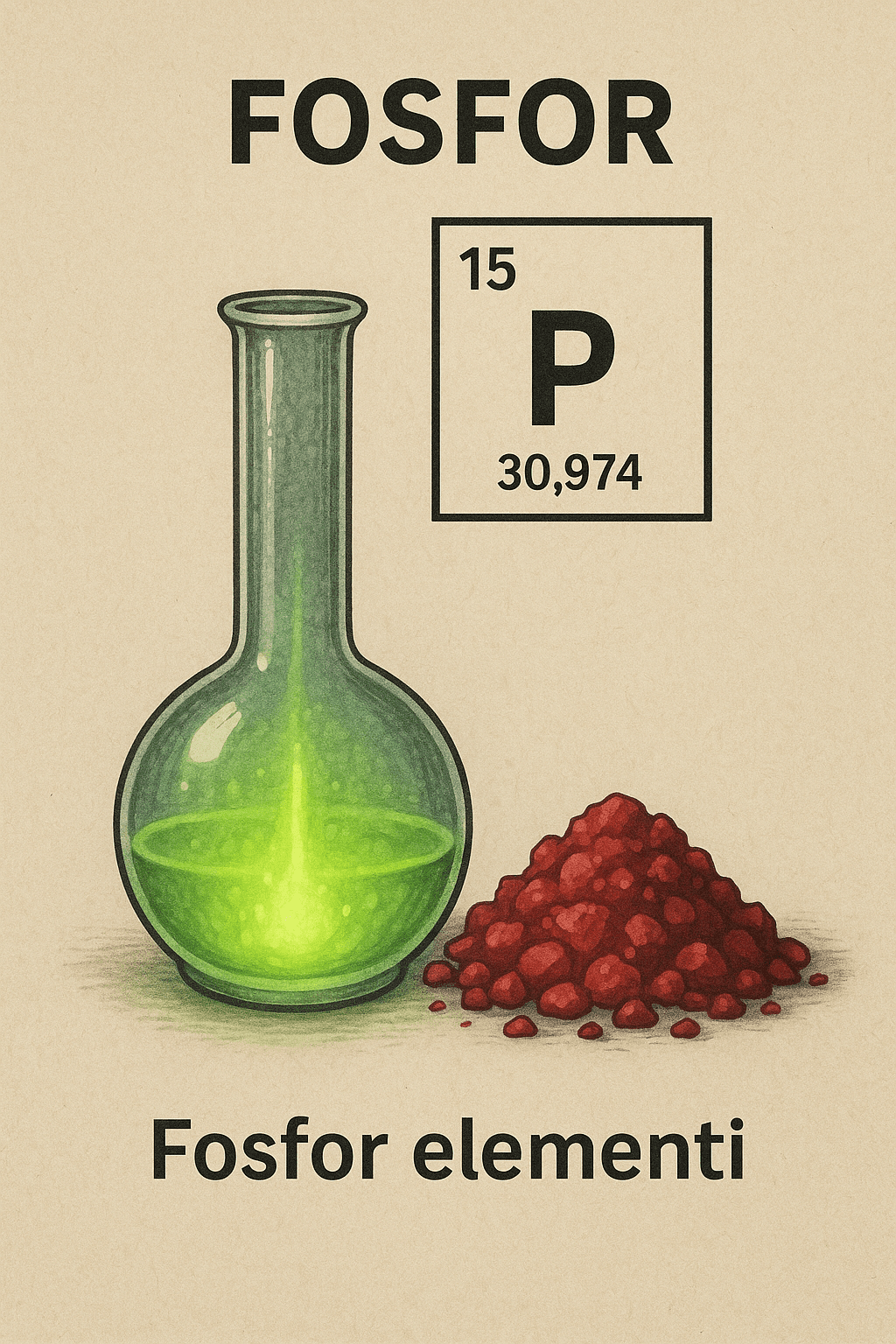
Phosphorus (P)
Phosphorus (P), with atomic number 15, is a widely occurring element in nature but is not found in its free elemental form. It is a nonmetal essential for fundamental biological functions, being a structural component of biomolecules such as DNA, RNA, and ATP. Industrially, phosphorus has broad applications ranging from agriculture to the chemical industry. Discovery Phosphorus was first discovered in 1669 by the German alchemist Hennig Brand. Brand obtained a glowing substance by evaporating hu
ENZehra Yayla
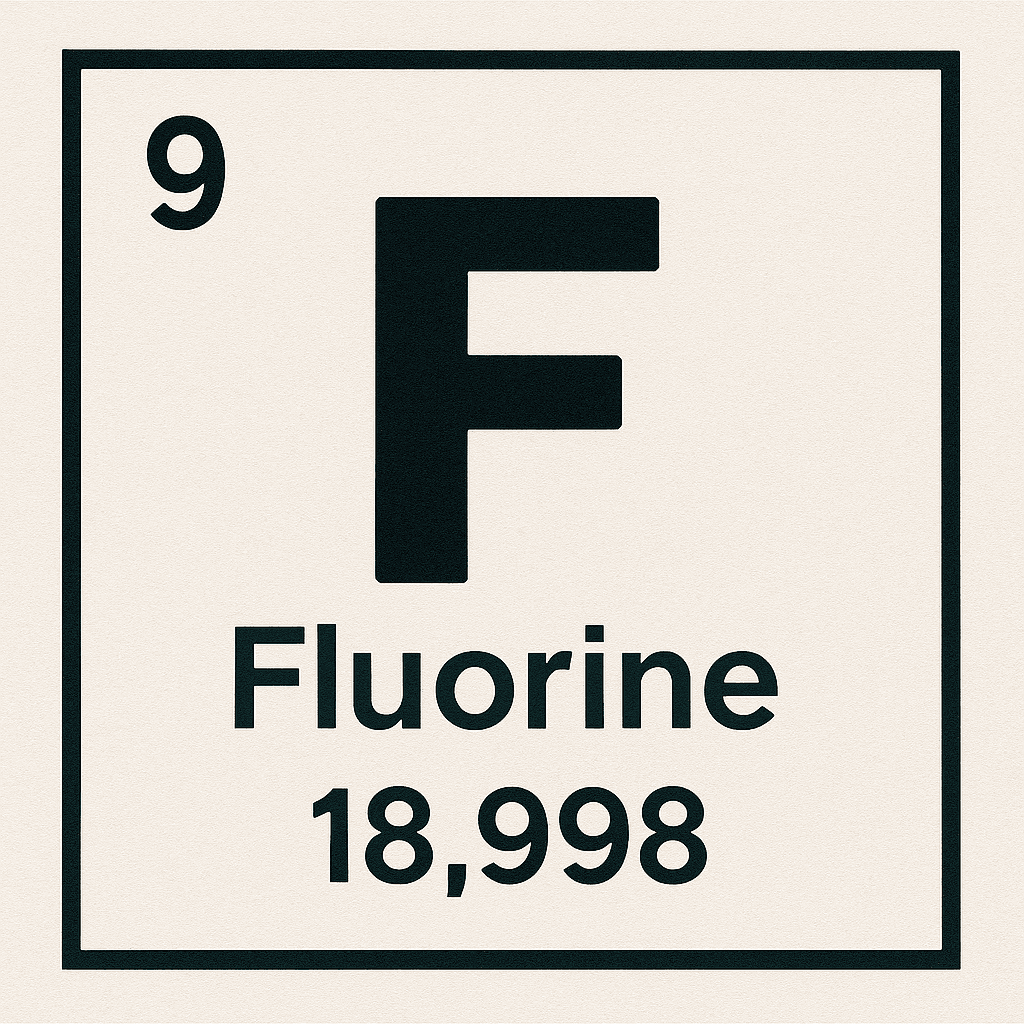
Fluorine (F)
Fluorine is a highly reactive nonmetal element located in Group 7A of the periodic table. Due to its high electronegativity and strong oxidizing power in chemical bonds, it forms significant compounds. It is commonly found in nature in compound form and has various applications in industry. Classification and Basic Properties The element fluorine has an atomic number of 9 and an atomic mass of approximately 18.9984 g/mol. Its electron configuration is 1s² 2s² 2p⁵. It is located in the second per
ENZehra Yayla
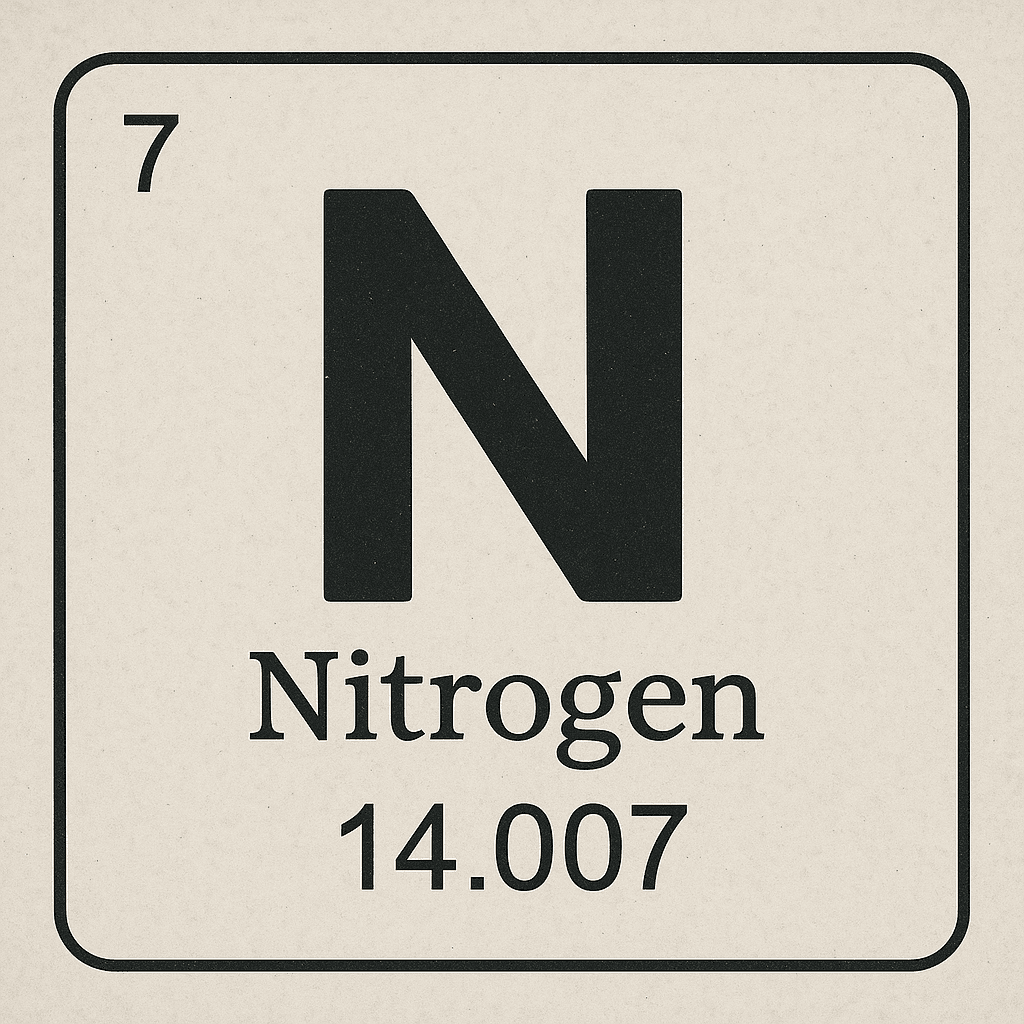
Nitrogen (N)
Nitrogen, also known as dinitrogen, is a nonmetallic element in Group 15 of the periodic table, with an atomic number of 7. Its atomic mass is approximately 14.00674 g/mol. Under standard conditions, nitrogen exists as a diatomic gas (N₂) that is colorless, odorless, and tasteless. It constitutes about 78% of the Earth’s atmosphere by volume. Nitrogen is an essential component of fundamental biomolecules such as DNA, RNA, and proteins, playing a critical role in the structure and function of liv
ENZehra Yayla
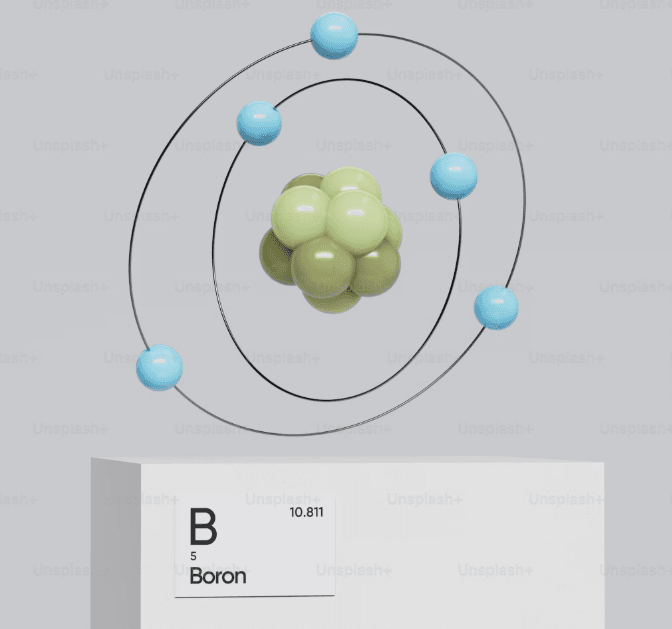
Boron Element
Boron is a chemical element classified among the nonmetals in the periodic table and is utilized in various industrial processes. It does not occur freely in nature but is instead found in the form of compounds, primarily in borate minerals. Definition and General Properties Boron (B) is a nonmetal with the atomic number 5, exhibiting semiconducting properties. Physically, it can be found in either a brittle, crystalline form or in an amorphous structure. Due to its high thermal resistance, chem
ENZehra Yayla