

`nomadic-societies` Related Article Results
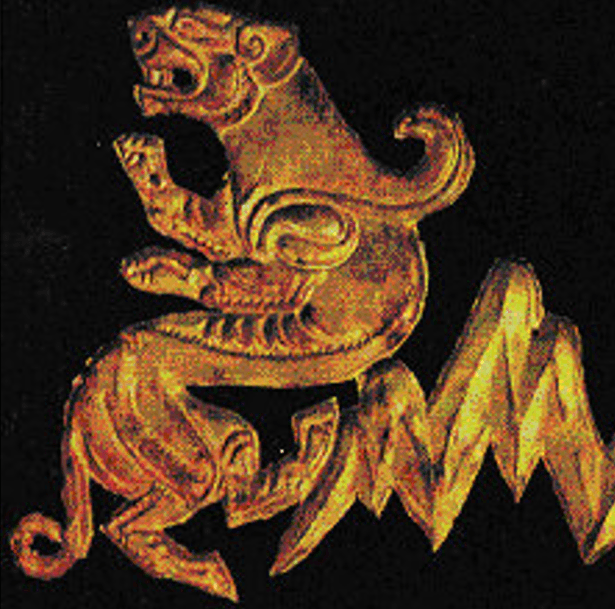
Animal Style
Animal Style is the general term for animal motifs used in the artistic works of Turkic communities that adopted a nomadic lifestyle and formed the steppe culture. Scythians, Huns, Göktürks and other steppe communities transmitted this style from Turkistan westward into Europe and eastward into China, employing animal figures crafted from metal, wood, bone, leather, textiles and stone. Animal Style is based on the stylized or naturalistic representation of animals in artistic works. These figur
EN
Neriman Sena Külünk
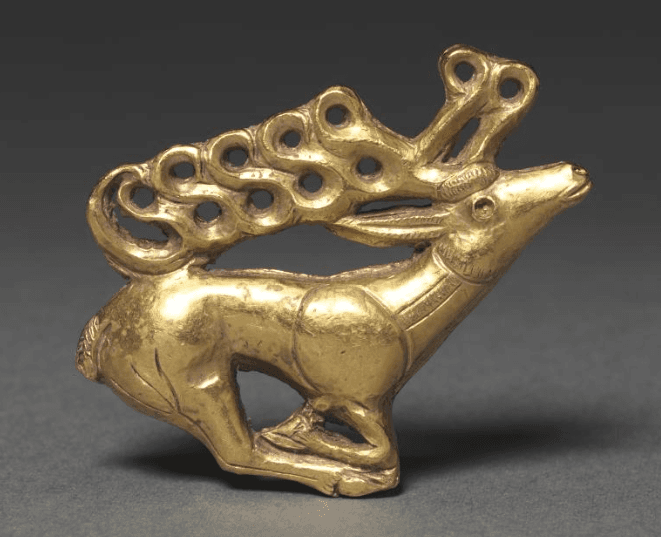
Scythians (Sakas)
The Scythians (Sakas) were a warrior people who became dominant across the Eurasian steppes beginning in the 8th century BCE and were known for their nomadic lifestyle. Originating in Central Asia, the Scythians exerted influence over a vast territory stretching from the Chinese borders in the east to the Danube River in the west, from Siberia in the north to Iran and Mesopotamia in the south. Their military power, based on mounted cavalry, their animal-style art, and their rich burial cultures
EN
Duygu Saka
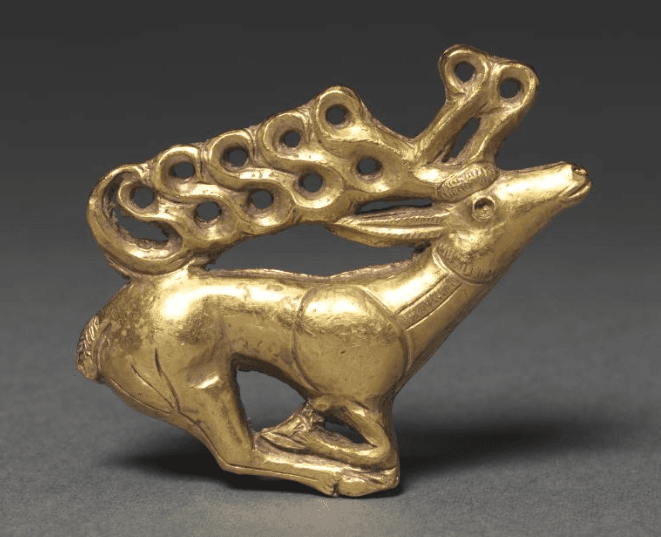
Scythians (Sakas)
The Scythians (Sakas) were a warrior people who dominated the Eurasian steppes from the 8th century BCE onward and were known for their nomadic lifestyle. Originating in Central Asia, the Scythians exerted influence across a vast territory stretching from the Chinese borders in the east to the Danube River in the west, from Siberia in the north to Iran and Mesopotamia in the south. Their military power based on mounted cavalry, their animal-style art, and their rich burial cultures left a lastin
ENDuygu Saka
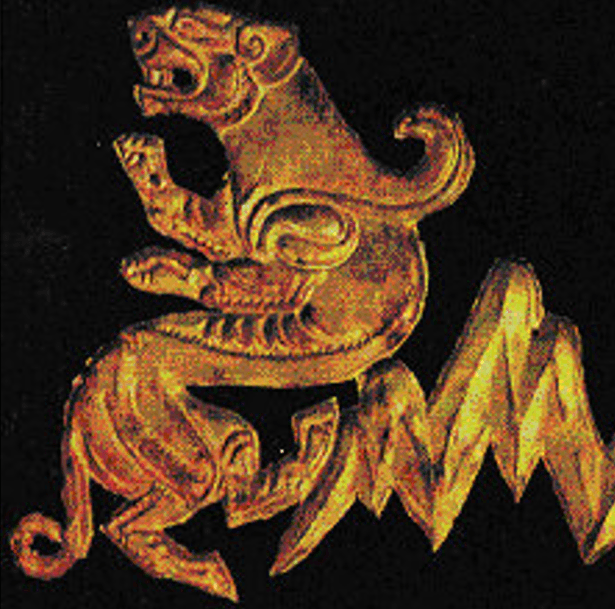
Animal Style
Animal style is the general term for animal motifs used in the artistic works of Turkic communities that adopted a nomadic lifestyle and formed the steppe culture. Through the intermediary of Scythians, Huns, Göktürks and other steppe groups, this style spread from Turkistan westward into Europe and eastward into China, featuring animal figures crafted using metal, wood, bone, leather, textile, and stone techniques. Animal style is based on the stylized or naturalistic depiction of animals in ar
EN
Neriman Sena Külünk
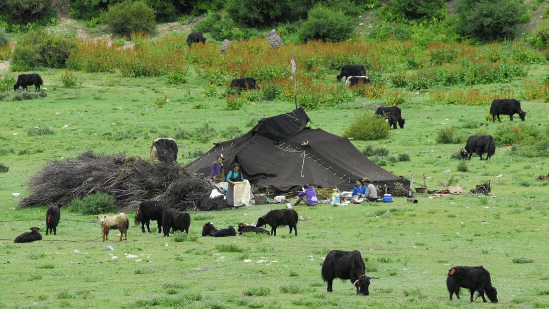
Nomadic Societies (Düzenleniyor)
Nomads are human communities that constantly move from place to place without being tied to a fixed settlement, in order to meet their economic and environmental needs. This lifestyle developed as an adaptation to natural conditions and became widespread in various geographical regions, particularly in steppes, deserts, and mountainous areas. In the nomadic way of life, livelihoods are generally sustained through activities such as animal husbandry, hunting, and fishing. Unlike settled agricultu
EN
Sümeyra Uzun