

`nomadic-culture` Related Article Results
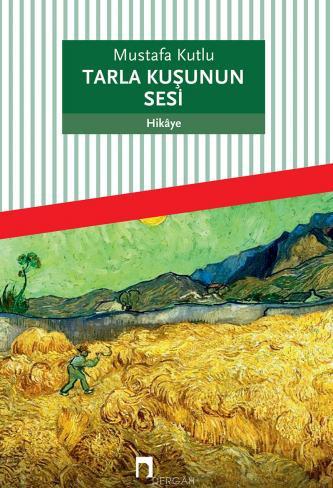
The Call of the Field Bird (Book)
The Voice of the Field Bird is one of Mustafa Kutlu’s lengthy narratives that examine social transformation through the lens of the individual and the family, woven with historical realities. The novel depicts the transition of Anatolia’s nomadic culture to a settled way of life, while simultaneously presenting a broad historical panorama spanning from the late Ottoman period to the Republican era. Subject The story begins with Molla Murat, a bright and agile child raised in the mountains who ca
EN
Mehmet Denizhan

Mongolia
Mongolia is a vast landlocked steppe country located in the interior of East Asia. Throughout history it has been one of the political and cultural centers of Central Asia. Bordered by Russia to the north and China to the south this country with an area of 1,564,116 square kilometers ranks among the world’s largest landlocked nations. With a population of around 3.5 million it is also the least densely populated country on Earth. Most of its territory has been inhabited for thousands of years by
EN
Berk Büyükarslan
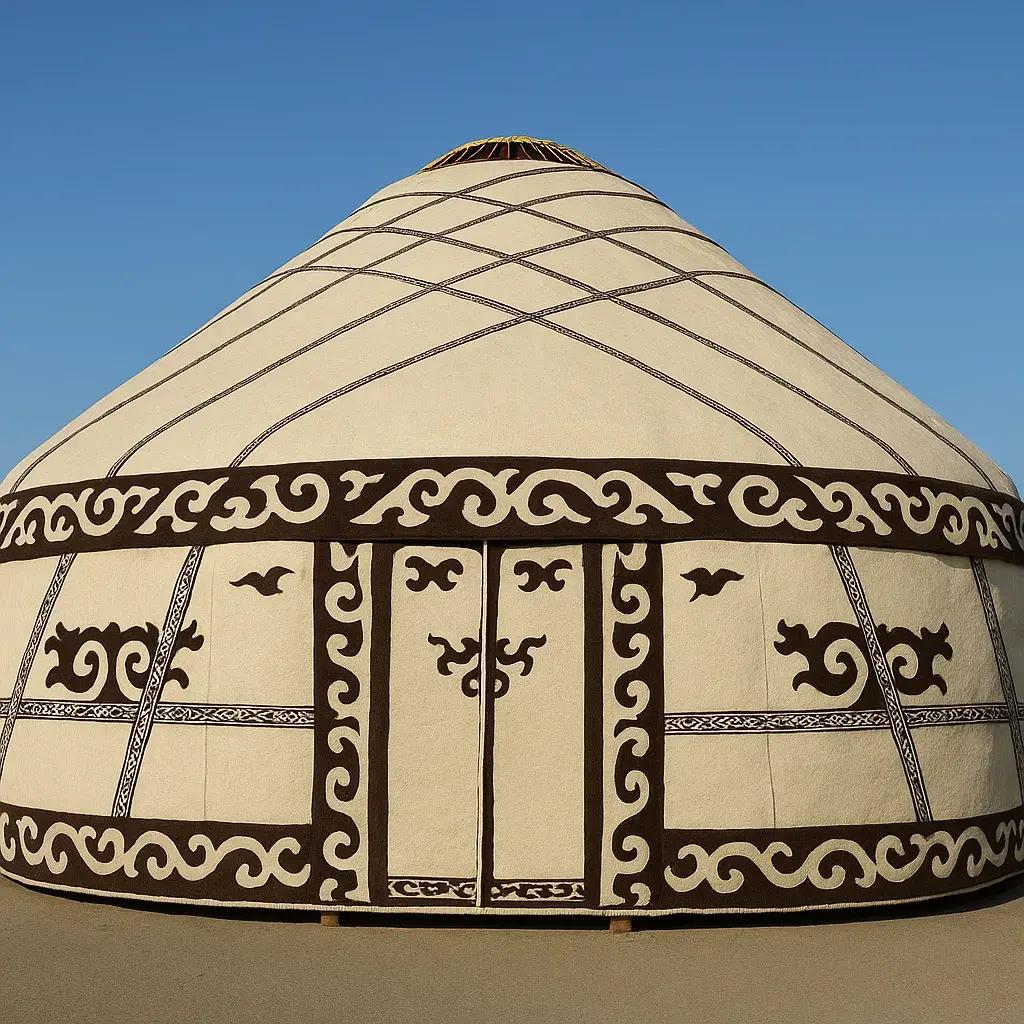
Boz Üy
Boz üy, a portable type of dwelling, is integrated with the historical and social structure of Turkish nomadic culture. The word "Boz" in Old Turkish means "steppe, open area," and when combined with "üy" (house), it refers to tent structures used in open areas, which are disassemblable, portable, and re-erectable. This type of structure has been the basic dwelling unit for various Turkic tribes, especially those living in the Central Asian steppes. Historical and Cultural Background Boz üy has
EN
Sümeyye Akkanat Terzioğlu
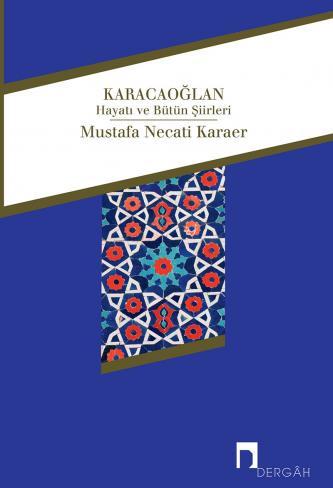
Karacaoğlan: His Life and Complete Poems (Book)
Karacaoğlan: His Life and Complete Poems (Karacaoğlan Hayatı ve Bütün Şiirleri) is a work that compiles the poems of the 17th-century Turkish folk poet Karacaoğlan and offers a comprehensive analysis of his life. Edited by M. Necati Karaer and published by Dergâh Publications as part of its Turkish Classics series, the book features an extensive introductory essay with literary, historical, and cultural evaluations of Karacaoğlan’s poetic language, themes, and the period in which he lived. This
EN
Muhammed Samed Acar
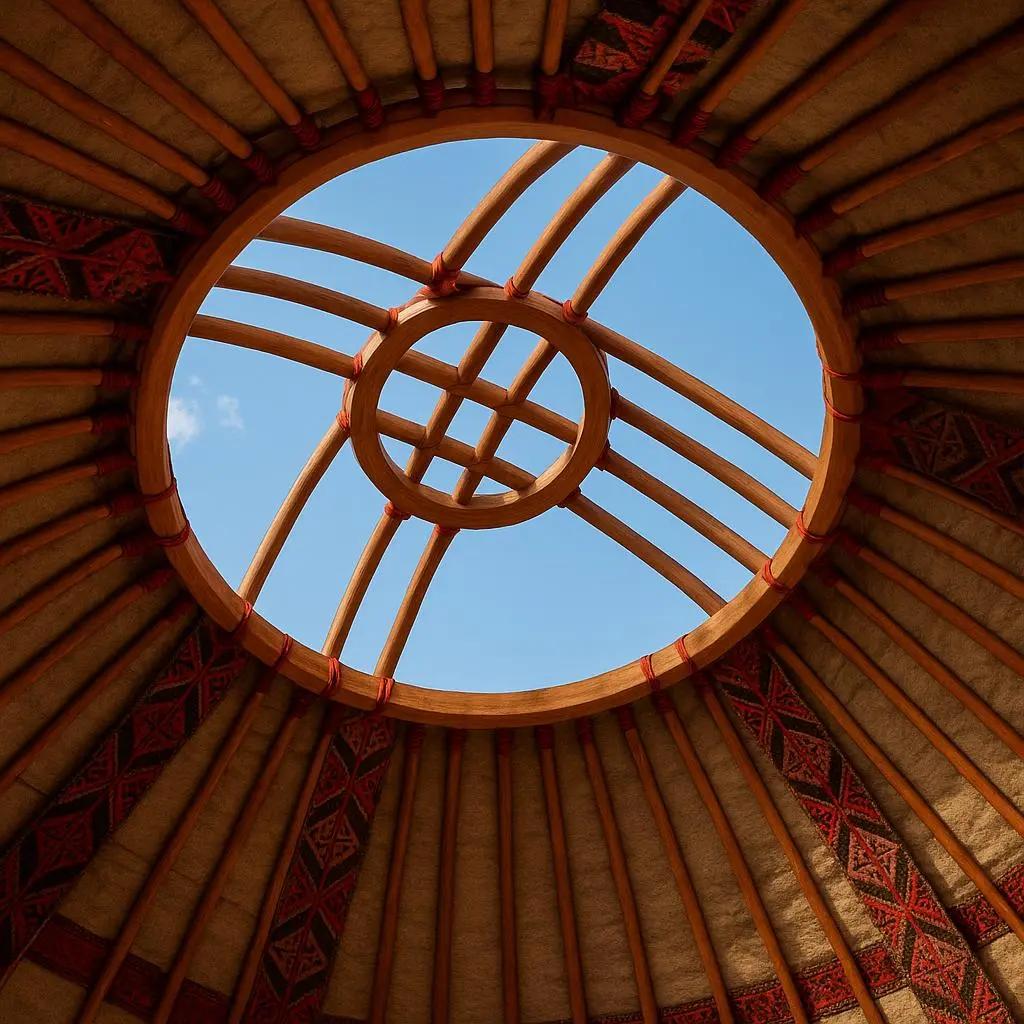
Shanirak
Shanirak is the circular wooden structural element located at the top of traditional felt tents (yurts) belonging to Kazakh, Kyrgyz, and other Central Asian Turkic communities. Positioned at the highest point of the tent, it supports the dome of the structure and allows light and air to enter the interior. Usually made from durable types of wood, the shanirak serves as the central point where the roof’s wooden struts converge. In addition to its structural function, it holds symbolic significanc
ENSümeyye Akkanat Terzioğlu