

`nocturnal` Related Article Results
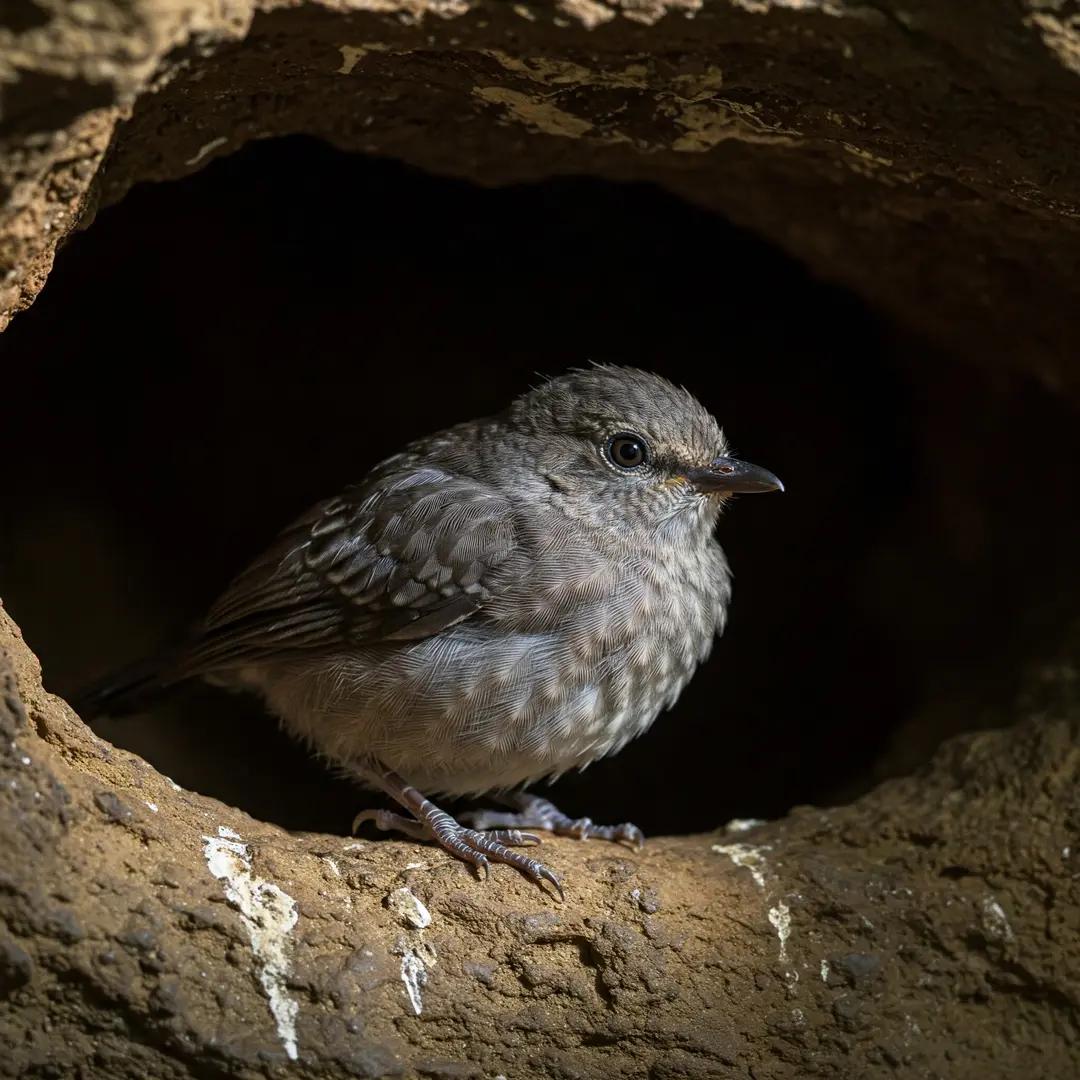
Oilbird (Steatornis caripensis)
The Oilbird (Steatornis caripensis) is the only known nocturnal, frugivorous bird species inhabiting northern South America and the Caribbean. It is the sole representative of both the family Steatornithidae and the order Steatornithiformes. Notable for its colony-based cave dwelling, echolocation ability, and long-distance seed dispersal, the oilbird plays an essential role in tropical forest ecosystems. Morphological and Physiological Characteristics Taxonomy and Evolutionary Position The oilb
EN
Fatih Atalay
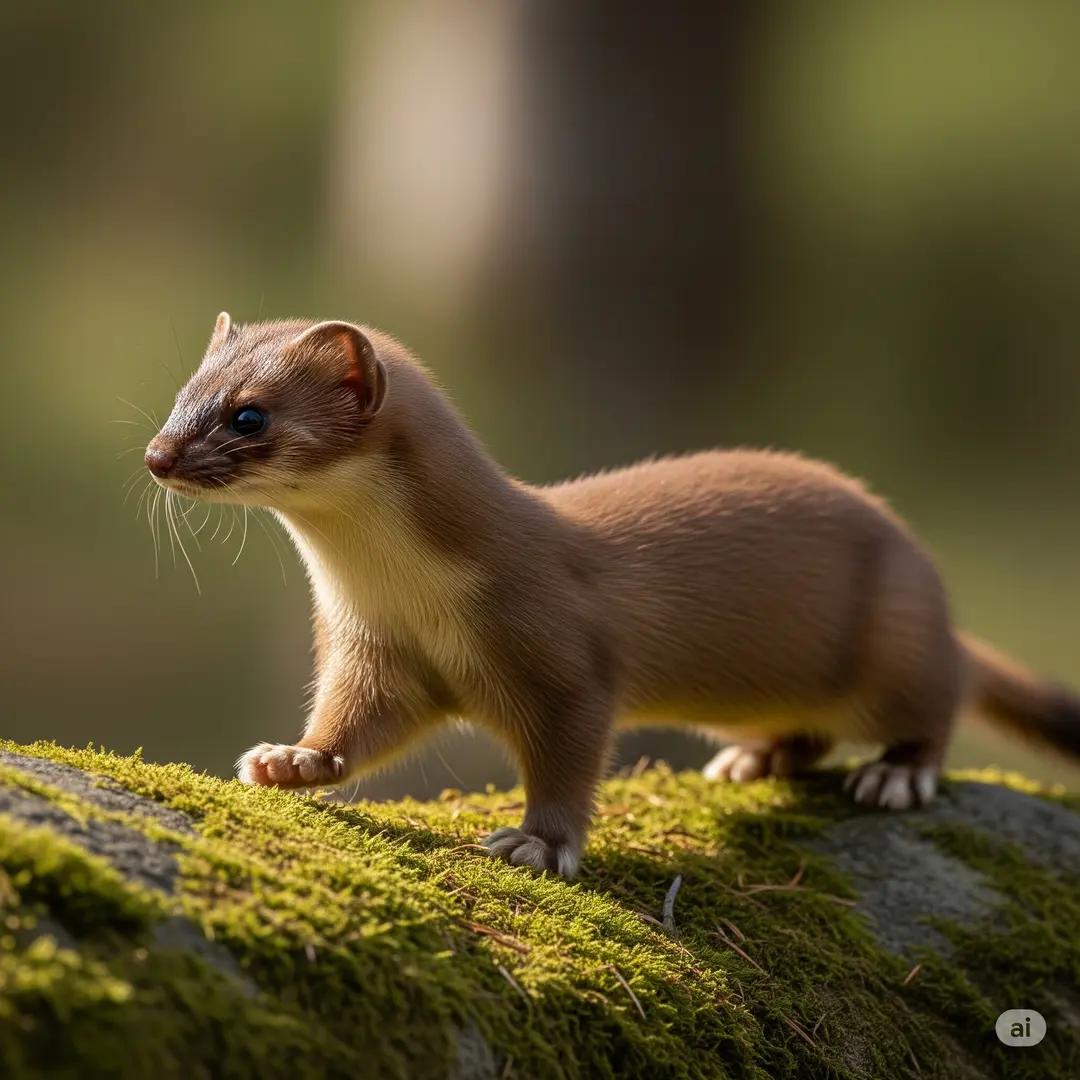
Marten (Martes martes)
The marten (Martes martes) is a medium-sized carnivore of the family Mustelidae, widespread in forested areas of Europe and western Asia. Known for its high climbing ability, agility, and nocturnal behavior, this species plays an important role in ecosystems. The marten has an omnivorous diet, consuming both carnivorous and fruits. Habitat preferences, behavioral characteristics, and ecological importance have been studied in detail in various scientific studies. Morphological Features and Taxon
AZ
Okan Kanpolat
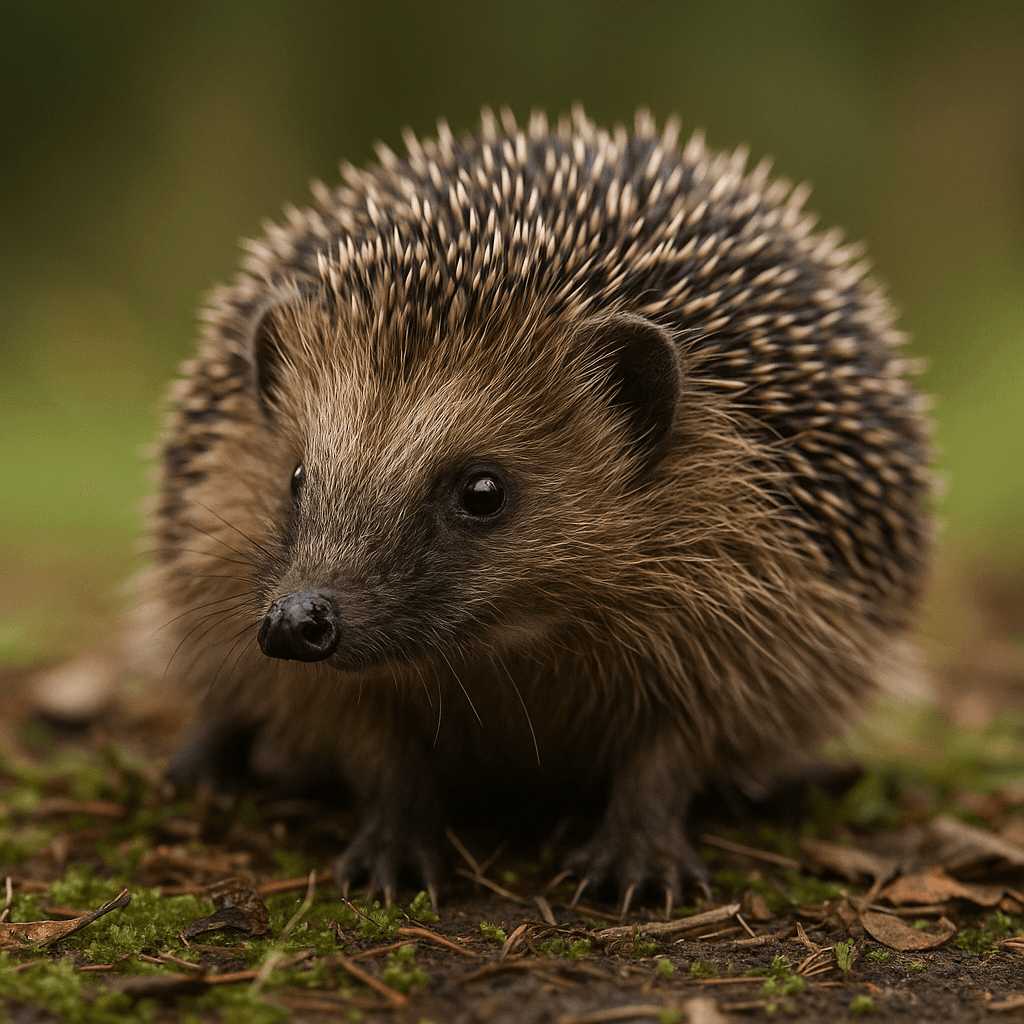
Kirpi (Erinaceus)
Kirpiler, Erinaceidae familyasında sınıflandırılan ve özellikle dikenli vücut yapısıyla tanınan küçük ila orta boyutlu memelilerdir. Avcılardan korunmak için geliştirdikleri savunma mekanizmaları, geniş beslenme repertuarları ve çeşitli habitatlara uyum sağlayabilme yetenekleri, bu hayvanları memeliler içinde dikkate değer hale getirmiştir. Genellikle gece aktif olan bu türler, doğada böcek popülasyonunun dengelenmesine katkı sağlayarak ekosistem işleyişinde rol üstlenirler. Kirpilerin Biyolojik
TROkan Kanpolat
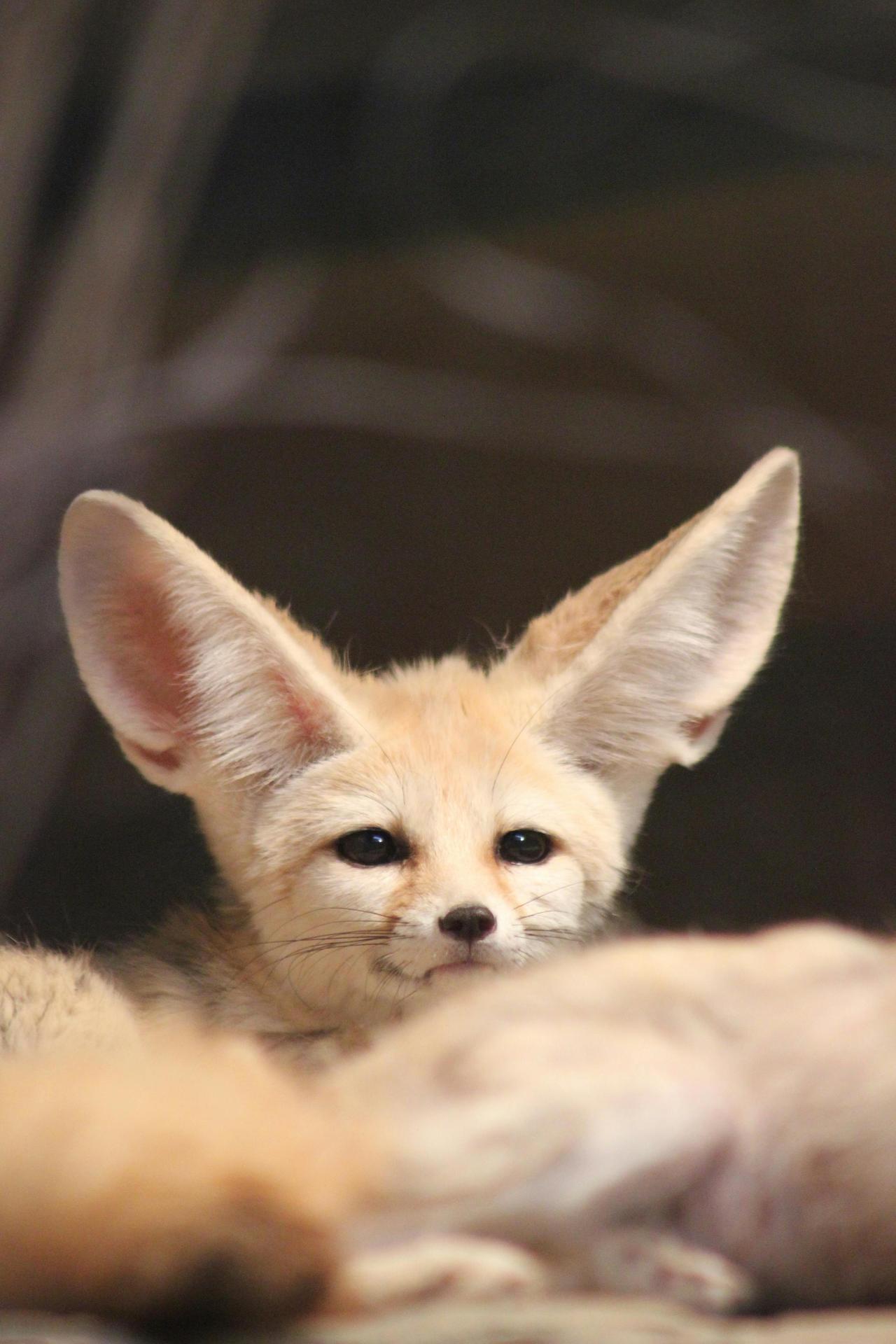
Fennec Fox (Vulpes zerda)
The Fennec Fox (Vulpes zerda) is the smallest member of the dog family (Canidae) and is a desert-adapted mammal native to North Africa's Sahara Desert and surrounding semi-arid regions. Nocturnal by nature, fennec foxes primarily feed on insects, rodents, and fruits, obtaining most of their water from these food sources. Known for their monogamous behavior, they live in complex burrow systems and are classified as “Least Concern” by the IUCN. Morphological Characteristics The head and body lengt
EN
Beyza Yurttutan
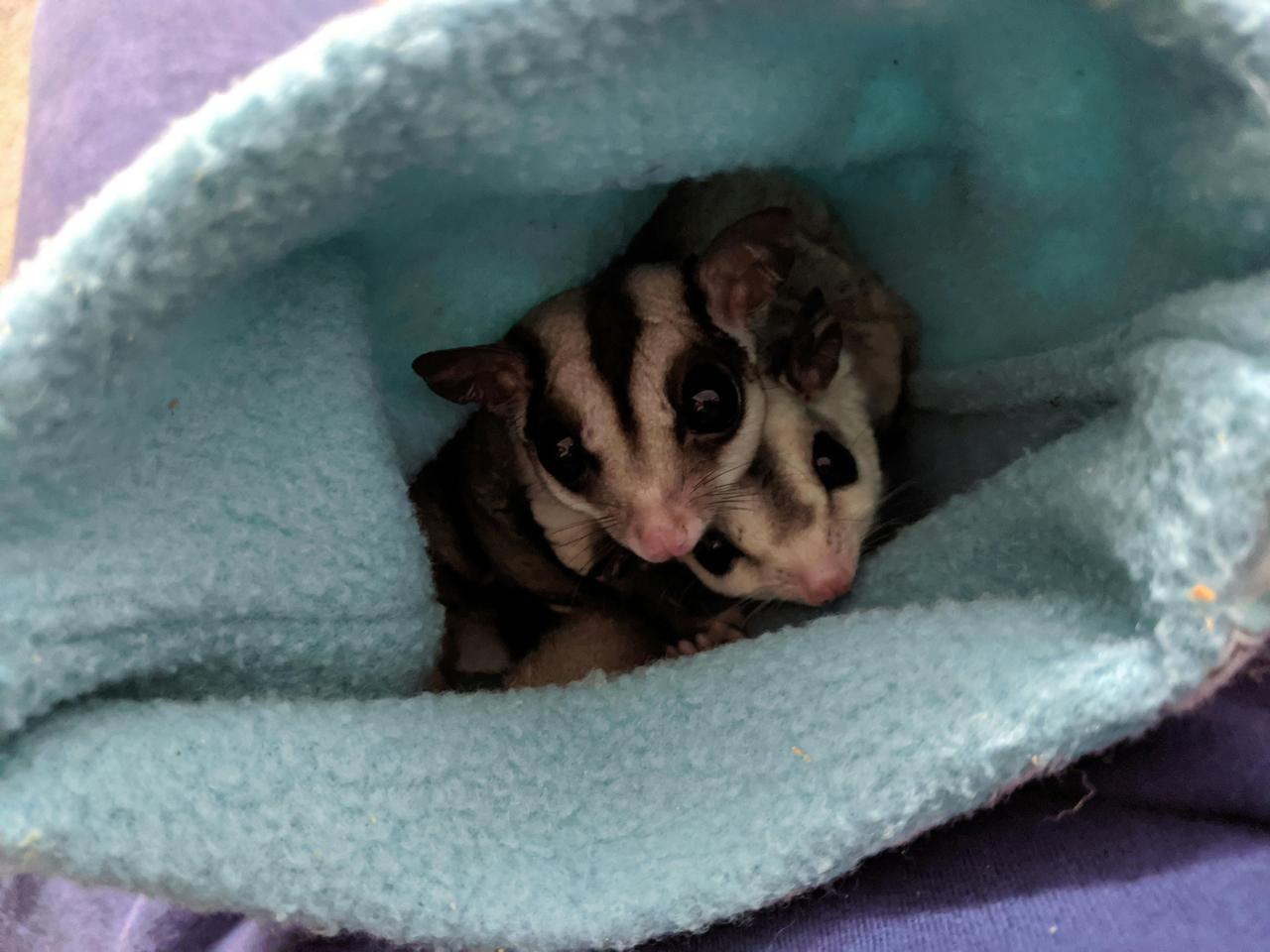
Sugar Planner
The sugar glider (Petaurus breviceps) is a small, marsupial, arboreal mammal belonging to the family Petauridae. Its most striking feature is the patagium, a membrane of skin extending between its fore and hind limbs, which allows it to glide between trees. It derives its name from its strong preference for sweet plant sap and nectar. Physical Characteristics Body weight ranges from 60 to 150 grams. Head-body length measures 115–210 mm, and tail length is 150–210 mm. The fur is soft and dense; t
ENBeyza Yurttutan