

`new-zealand` Related Article Results
 Gi
GiGiant Weta (Deinacrida spp.)
Deinacrida spp., more commonly known as Giant Weta, is a genus consisting of large insect species endemic to New Zealand. These insects are among the largest in the world, with some species reaching body lengths exceeding 10 cm. Members of the genus Deinacrida are typically nocturnal and inhabit tree hollows, crevices between rocks, or other natural shelters. Unlike most other insects, these species possess large and striking physical features. Their enormous size has made them one of the most r
EN
Mustafa Özdemir
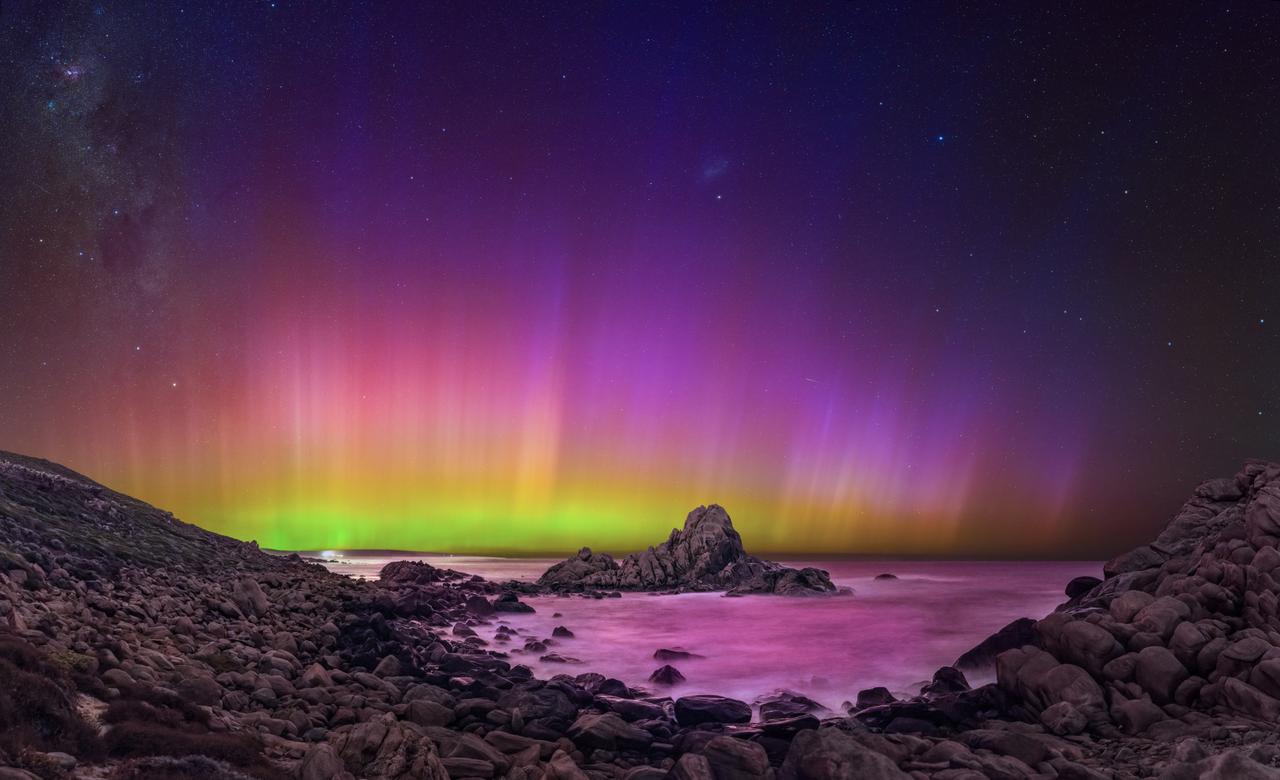
Southern Lights (Aurora Australis)
Southern Lights or Aurora Australis is a natural light phenomenon that occurs around the South Pole as a result of charged particles from the Sun interacting with Earth’s magnetic field and atmosphere. The name is derived from the Latin words aurora, meaning “dawn,” and australis, meaning “southern.” Aurora Australis - New Zealand (Flickr) " image-element-format="right" image-height="3232" image-source="https://cdn.t3pedia.org/media/uploads/2026/02/13/td1VuaS89UQFqcGkPUqhKgxtRpOoabLA.jpg" image-
EN
Milena Bennu CAN
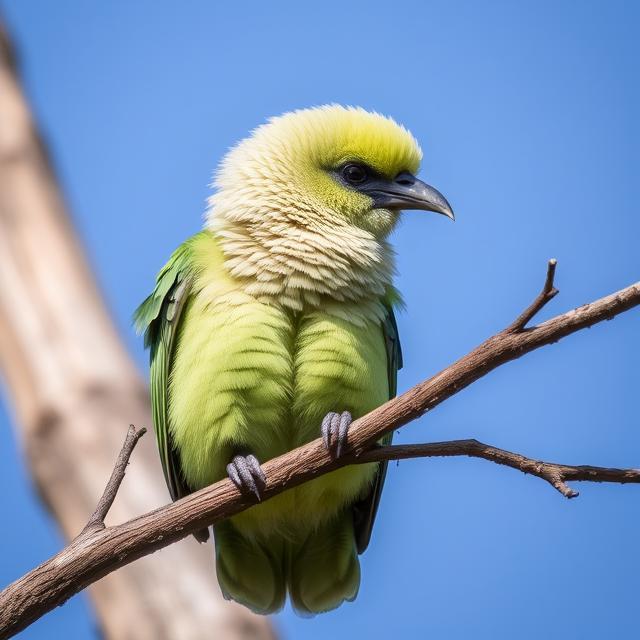
Kakapo (Strigops habroptilus)
The kakapo (Strigops habroptilus) is a flightless, nocturnal parrot species endemic to New Zealand. It belongs to the family Strigopidae within the order Psittaciformes. This species is taxonomically unique and the only member of the genus Strigops. It is also an evolutionarily ancient and highly isolated species. Morphology and Physical Characteristics The kakapo is approximately 60 cm in length and weighs between 2 and 4 kg. Its feathers are greenish-yellow with black markings, providing camou
ENMustafa Özdemir
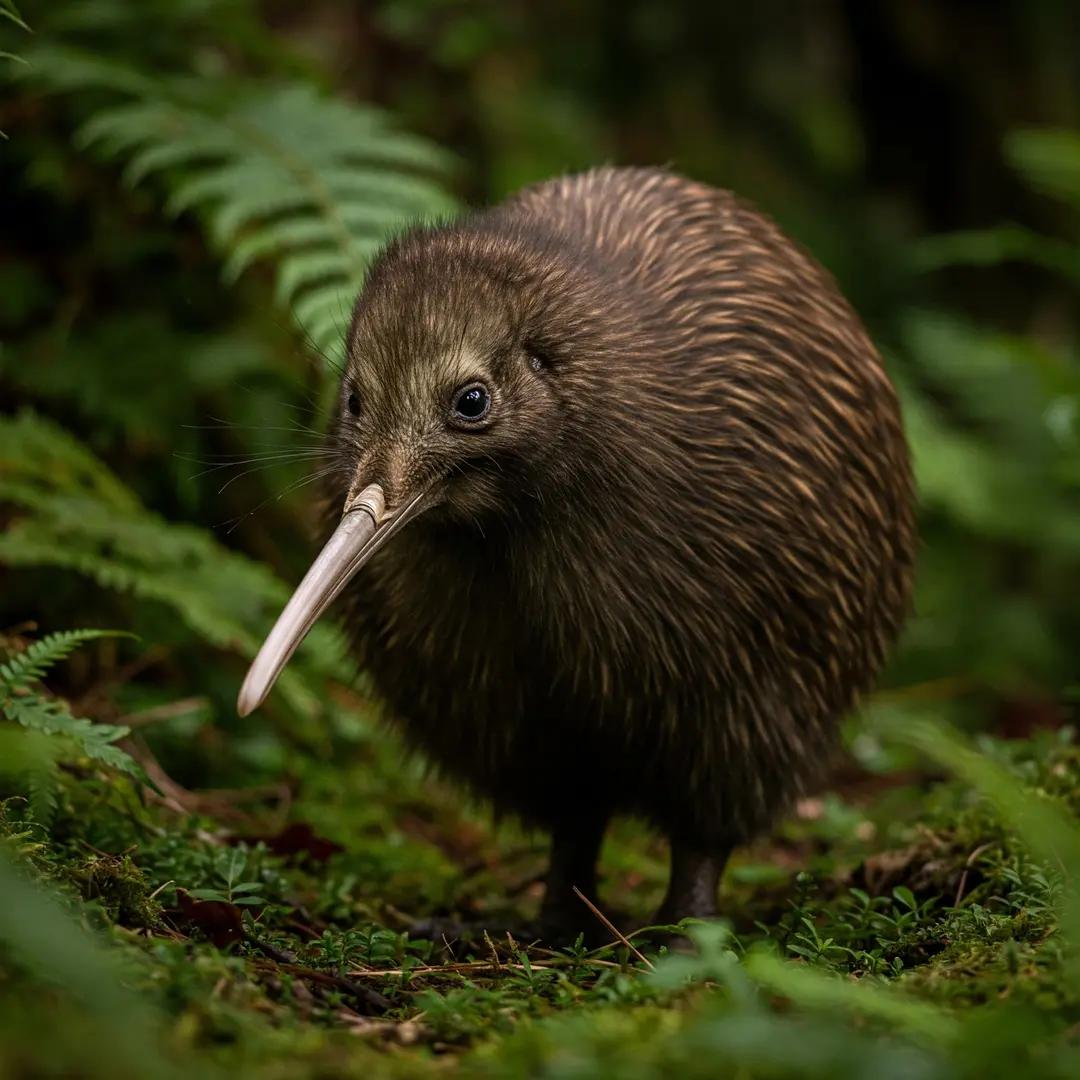
Kiwi Bird
The kiwi bird (Apteryx spp.) is a species native to New Zealand, characterized by its flightlessness and nocturnal lifestyle. Belonging to the family Apterygidae, these birds are members of the primitive bird group known as paleognaths, which also includes other flightless birds like ostriches and emus. The kiwi bird stands out with its unique morphological and behavioral traits; for example, it lays the largest egg relative to its body size among birds and is known for its highly developed sens
EN
Fatih Atalay
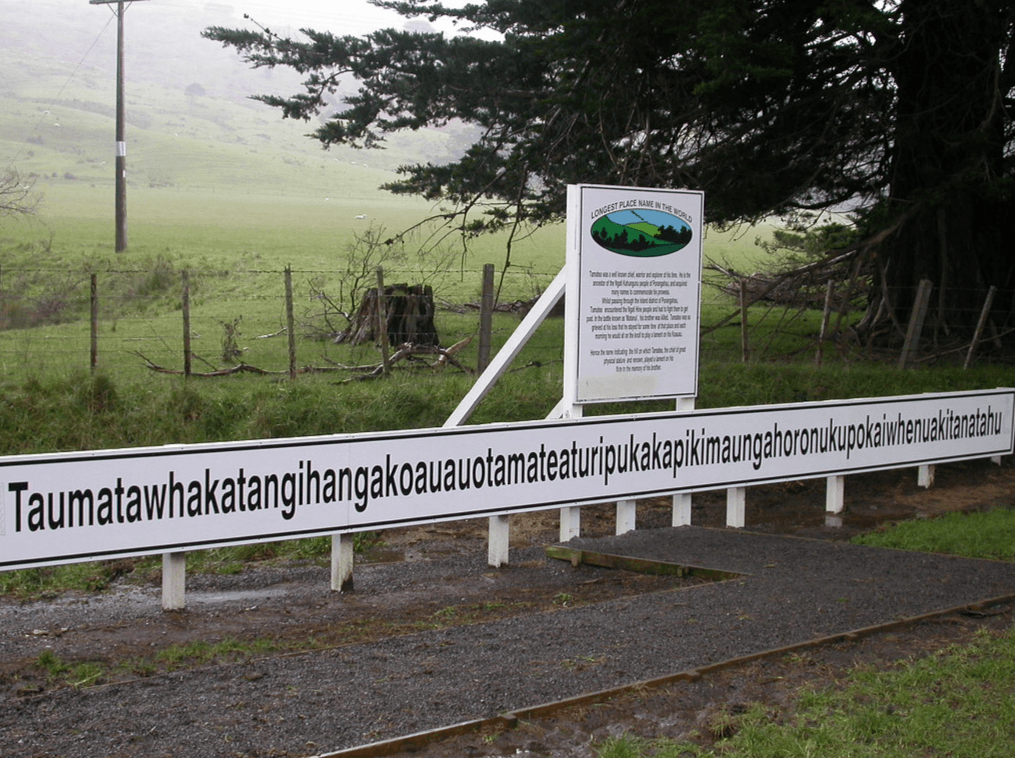
Taumatawhakatangihangakoauauotamateaturipukakapikimaungahoronukupokaiwhenuakitanatahu
Taumatawhakatangihangakoauauotamateaturipukakapikimaungahoronukupokaiwhenuakitanatahu, commonly known as Taumata or Taumata Hill, is a small hill located in the Hawke’s Bay region of New Zealand’s North Island, near Pōrangahau. The hill rises approximately 305 metres above sea level and is renowned for having one of the longest geographical names in the world. This 85-character Māori name has been officially recognized by Guinness World Records as the longest place name in the world. Due to its
EN
Sabiha Meyra Şahinler
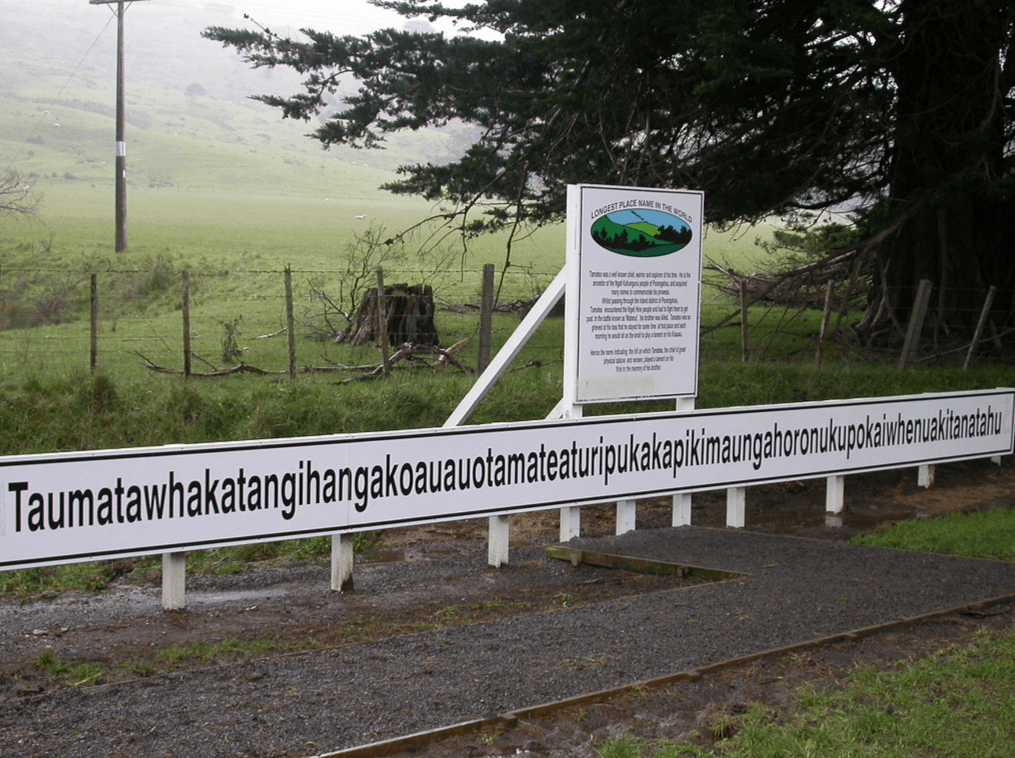
Taumatawhakatangihangakoauauotamateaturipukakapikimaungahoronukupokaiwhenuakitanatahu
Taumatawhakatangihangakoauauotamateaturipukakapikimaungahoronukupokaiwhenuakitanatahu, also known briefly as Taumata or Taumata Hill, is a small hill located in the Hawke’s Bay region of New Zealand’s North Island, near Pōrangahau. The hill rises approximately 305 metres above sea level and is known for having one of the longest geographical names in the world. This 85-character Māori name has been officially recognized by Guinness World Records as the longest place name in the world. Due to its
EN
Sabiha Meyra Şahinler
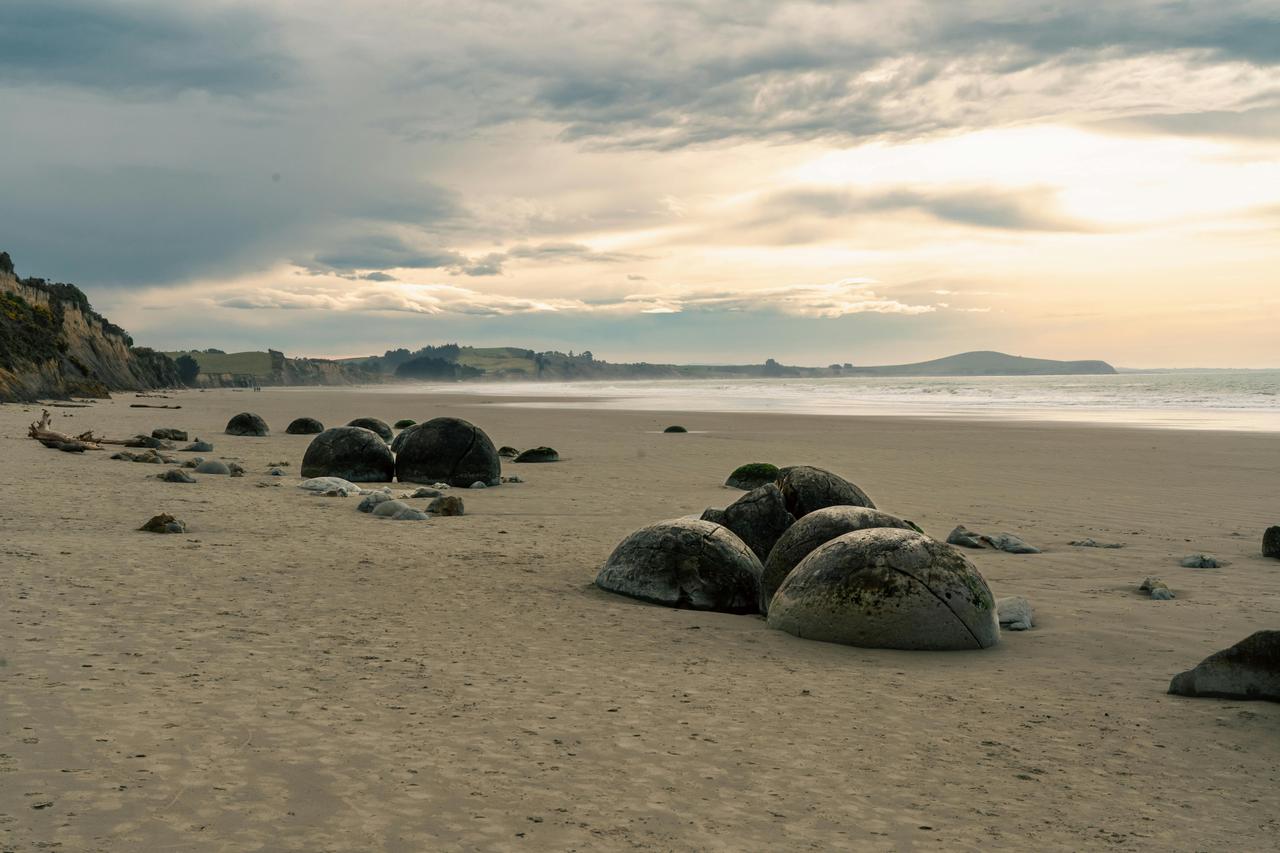
Moeraki Boulders
Moeraki Boulders are septarian concretions located along the Moeraki coast on the South Island of New Zealand. These concretions formed within marine mudstones of the Moeraki Formation during the Paleocene epoch under the influence of shallow marine pore waters. Typically ranging from 1 to 2 meters in diameter, the Moeraki Boulders contain internal fractures that developed over time and are commonly filled with yellowish calcite and rarely dolomite. Their structural and mineralogical properties
EN
Fatmanur Mavibaş