

`neutron-stars` Related Article Results

Feryal Özel
Professor Dr. Feryal Özel is a scientist working in theoretical astrophysics with research focused on black holes and neutron stars. She completed her education in the United States and continues her academic career in this field. As part of international collaborations, she participated in the Event Horizon Telescope project and contributed to the imaging of black holes. Educational Background Feryal Özel was born in Istanbul in 1975. Her interest in science and mathematics began at an early ag
EN
Seviye Nur Gönülölmez
 Ne
NeNeutron Stars
Neutron stars are extremely dense celestial objects formed at the final stage of massive stars’ lives, following a supernova explosion. In the core of a star approximately ten times the mass of the Sun, hydrogen and helium undergo nuclear fusion until they are converted into iron. Since iron cannot be fused to release energy, the star’s core collapses, causing the outer layers to fall inward and triggering a violent supernova explosion. After this explosion, the star’s core contracts dramaticall
EN
Sema Nur Akdağ
Pulsar
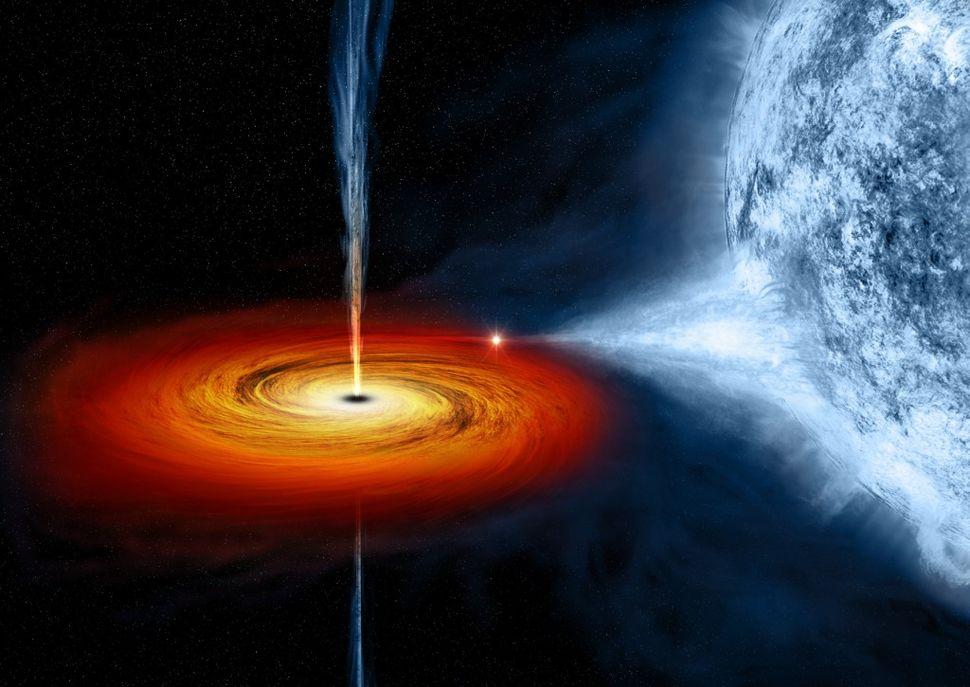
Pulsars are rapidly rotating neutron stars—compact celestial objects typically formed after supernova explosions, characterized by high density, small size, and extremely strong magnetic fields. First discovered in 1967 by Jocelyn Bell Burnell and Antony Hewish, pulsars were identified through their regular radio pulses, which were later determined to originate from rotating neutron stars. Due to their high density, rapid rotation, and emission of electromagnetic radiation, pulsars have become i
EN
Osman Özbay