

`neuroscience` Related Article Results
Mind
Mind is a concept that encompasses the entirety of a living being’s mental processes and activities such as thinking, perceiving, feeling, remembering, understanding, and consciousness. This term, of Arabic origin, constitutes one of the fundamental research subjects in many disciplines including philosophy, psychology, neuroscience, and cognitive science. The mind is a complex structure that shapes an individual’s inner world, guides behavior, and forms the foundation of social interactions. At
EN
Sümeyye Akkanat Terzioğlu
Brain-Based Learning (Caine and Caine)
Brain-based learning is a holistic approach that redefines learning and teaching processes based on the biological, chemical, and functional properties of the brain. This approach argues that education must align with the brain’s operational principles, starting from the fact that learning occurs directly through the brain. It emphasizes that learning is not merely a cognitive activity but also an emotional, physical, and social process. Brain-based learning requires instructional design that ta
EN
Sevgi Kıraç
Psychological Resilience
Psychological resilience refers to individuals’ ability to cope with stressful situations, trauma, crises, or difficulties. This concept is also known as psychological strength (resilience) and is closely associated with the capacity to restore emotional balance. While research indicates that a portion of resilience is linked to genetic predisposition, environmental factors and personal development significantly influence this trait. Factors Influencing Psychological Resilience Problem-Solving S
EN
Nursena Şahin
A Fly's Brain Has Been Transferred to the Digital World
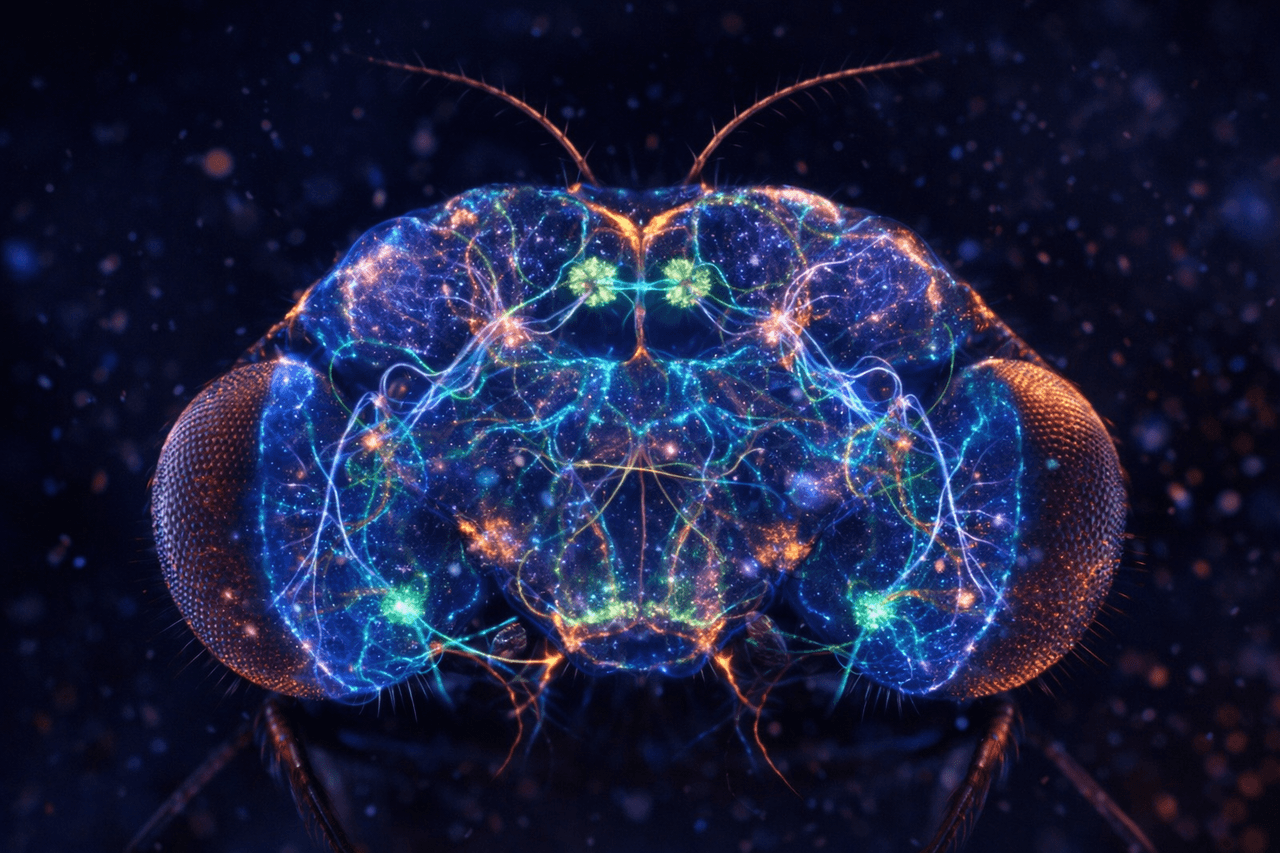
The fruit fly's brain being transferred to a digital environment refers to the process of meticulously mapping the neurons and their connections within the nervous system and modeling them in a computer environment. Various research studies and news reports published in 2024 revealed that researchers successfully recreated the brain of a fruit fly digitally using high-resolution imaging techniques and artificial intelligence assisted data analysis methods. These studies were conducted to underst
EN
Zübeyde Emir

Concept of Anhedonia: Nothing Gives Pleasure Like It Used To
Do the things you once enjoyed no longer bring you joy? Does your favorite food no longer taste as delicious, do you no longer feel like meeting friends, or do you feel no sense of happiness despite achieving a long-held dream? This state can sometimes be a temporary mood that everyone may experience. However, if this feeling persists for a long time, psychology has a name for it: Anhedonia. Anhedonia comes from the Greek words “an” meaning absence and “hedone” meaning pleasure. Literally, it me
EN
Nida Üstün

Incognito: The Secret Life of the Brain
David Eagleman’s book Incognito: The Secret Lives of the Brain examines the boundaries of consciousness, the scope of unconscious processes, and the neurological foundations underlying human behavior within the framework of modern neuroscience. The author argues that a significant portion of perception, decision-making, and response mechanisms in everyday life are carried out automatically by the brain, outside the awareness of the conscious subject. Author’s Background David Eagleman is an Amer
EN
Azra Çiltepe
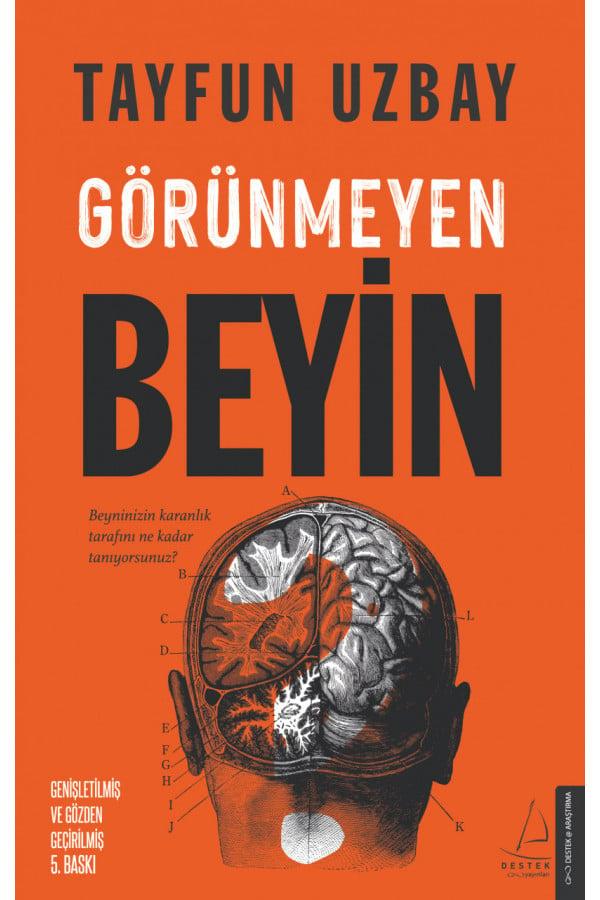
The Invisible Brain (Book)
The Invisible Brain is a popular science work written by Professor Dr. İsmail Tayfun Uzbay and published in 2020 by Destek Yayınları. The book aims to present current scientific questions about the functioning and functions of the brain in an accessible language to a broad readership. The author holds academic and clinical expertise in neuroscience as the Head of the Department of Medical Pharmacology at Üsküdar University Faculty of Medicine and Director of the Neuropsychopharmacology Applicati
EN
Hacer Büşra Aslan
Broca's Brain (Book)
Broca’s Brain (original title: Broca's Brain) is a popular science book written by American astronomer, astrophysicist and science communicator Carl Sagan. The book focuses on neuroscience brain research scientific thinking and human consciousness. Content and Themes The book examines the structure and function of the human brain and the processes of scientific thought. Major themes include: Brain and Consciousness: The anatomy functions and research on consciousness of the human brain are prese
EN
Osman Özbay
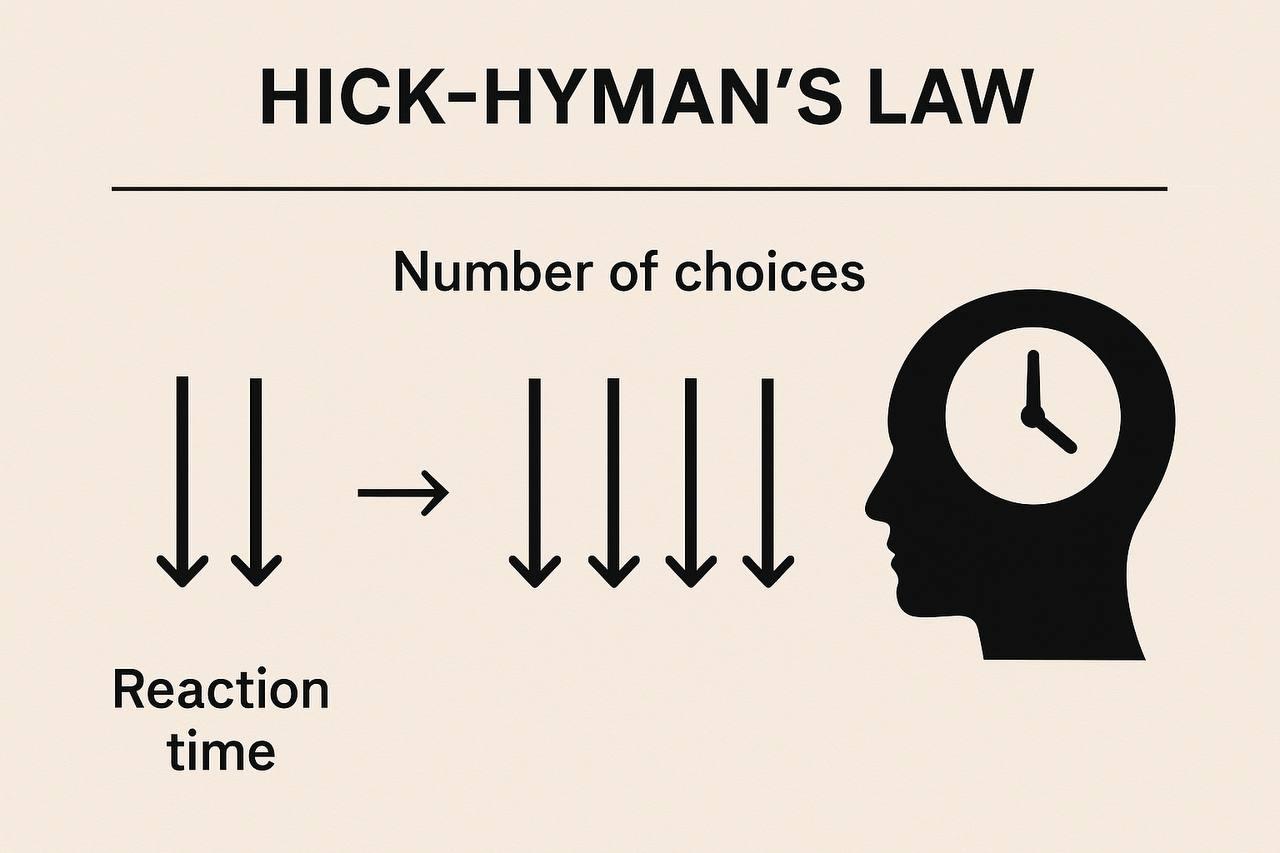
Hick-Hyman Law
The Hick-Hyman law is a psychological principle that predicts that as the number of options individuals face in decision-making processes increases, the time required to make a choice among those options increases linearly. This law emerged from the convergence of two independent studies: one conducted by William Edmund Hick in 1952 and another by Ray Hyman in 1953. Hick empirically supported this relationship, and over time, the law has become a key reference point in numerous fields including
EN
Hatice Mehlika Biten
 Ti
TiTime Perception
Time is measured objectively in physical terms through clocks, while simultaneously being experienced subjectively in human mental processes. The difference between the objective measurement of time and the brain’s perception of it is an important area of research in neuroscience. The brain’s perception of time is shaped by the interaction of various neurological structures and determined by a range of biological factors. Understanding time perception also contributes to our comprehension of how
EN
Mustafa Özdemir