

`neuropsychology` Related Article Results

Where Are the Years Going?
Everyone knows that time speeds up as we age; what is less known is that this acceleration does not continue indefinitely. As children, summer vacations seemed to last forever. Three months appeared almost like a lifetime. Now, years pass and when you look back, you struggle to understand where the time went. Something has changed; but what? This feeling is independent of geography and culture: Japanese grandmothers describe it, Norwegian grandfathers do too. A comprehensive study involving 499
EN
Gökhan Güller

Öget Öktem Tanör
Prof. Dr. Öget Öktem Tanör completed her undergraduate education at the Department of Psychology, Istanbul University, and then pursued graduate studies in psychology and neuropsychology abroad. She specialized in clinical psychology and neuropsychology, becoming recognized as a pioneer of academic research in neuropsychology in Türkiye. Throughout her academic career, she made significant contributions to both clinical practice and the scientific literature, and was also prominent in the strugg
EN
Dilara Yiğit

Doorstep Effect
Doorway effect (Eng. doorway effect) is a cognitive phenomenon that describes the tendency of individuals to forget information or tasks they were holding in mind when moving from one room to another. This effect is supported by experimental findings that demonstrate how memory operates in relation to environmental context and how spatial transitions interfere with mental processing. Experimental Findings and Neuropsychological Explanations Research has shown that passing through a doorway can d
EN
Sümeyye Akkanat Terzioğlu
The Invisible Brain (Book)
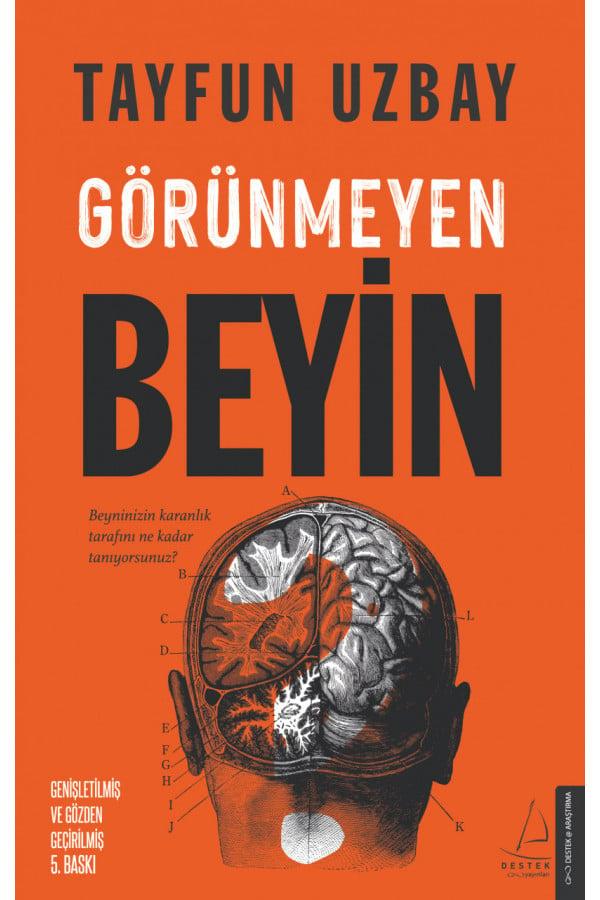
The Invisible Brain is a popular science work written by Professor Dr. İsmail Tayfun Uzbay and published in 2020 by Destek Yayınları. The book aims to present current scientific questions about the functioning and functions of the brain in an accessible language to a broad readership. The author holds academic and clinical expertise in neuroscience as the Head of the Department of Medical Pharmacology at Üsküdar University Faculty of Medicine and Director of the Neuropsychopharmacology Applicati
EN
Hacer Büşra Aslan

Stroop Test
The Stroop test is based on an experimental paradigm first described by John Ridley Stroop in 1935. Stroop investigated the cognitive interaction between word reading and color naming processes, revealing how individuals manage conflict between automatic and controlled cognitive processes. This test has been recognized as a fundamental assessment tool in psychology and neuropsychology. Since its development, numerous adaptations have been created and its validity examined across different cultur
ENHacer Büşra Aslan
Frontal Lobe Syndrome
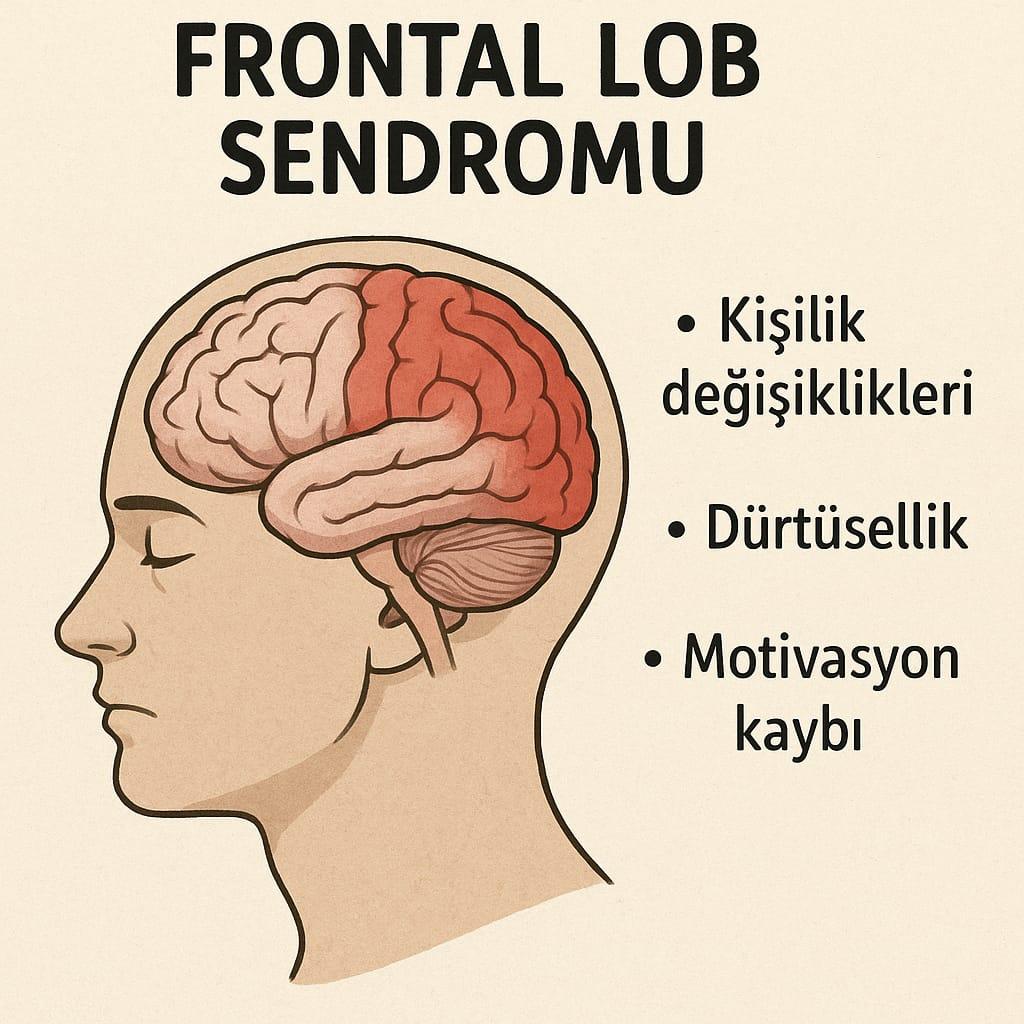
Frontal lobe syndrome is a neurological condition caused by structural or functional damage to the frontal lobe region of the brain. The syndrome is characterized by loss of motivation, impulsive behaviors, social inappropriateness, loss of cognitive flexibility, and emotional disturbances. Dysfunction of the prefrontal cortex, which plays a critical role in regulating cognitive, emotional, and motor functions and encompasses motor and premotor areas, leads to various neuropsychiatric and neurol
ENHacer Büşra Aslan