

`neptune` Related Article Results
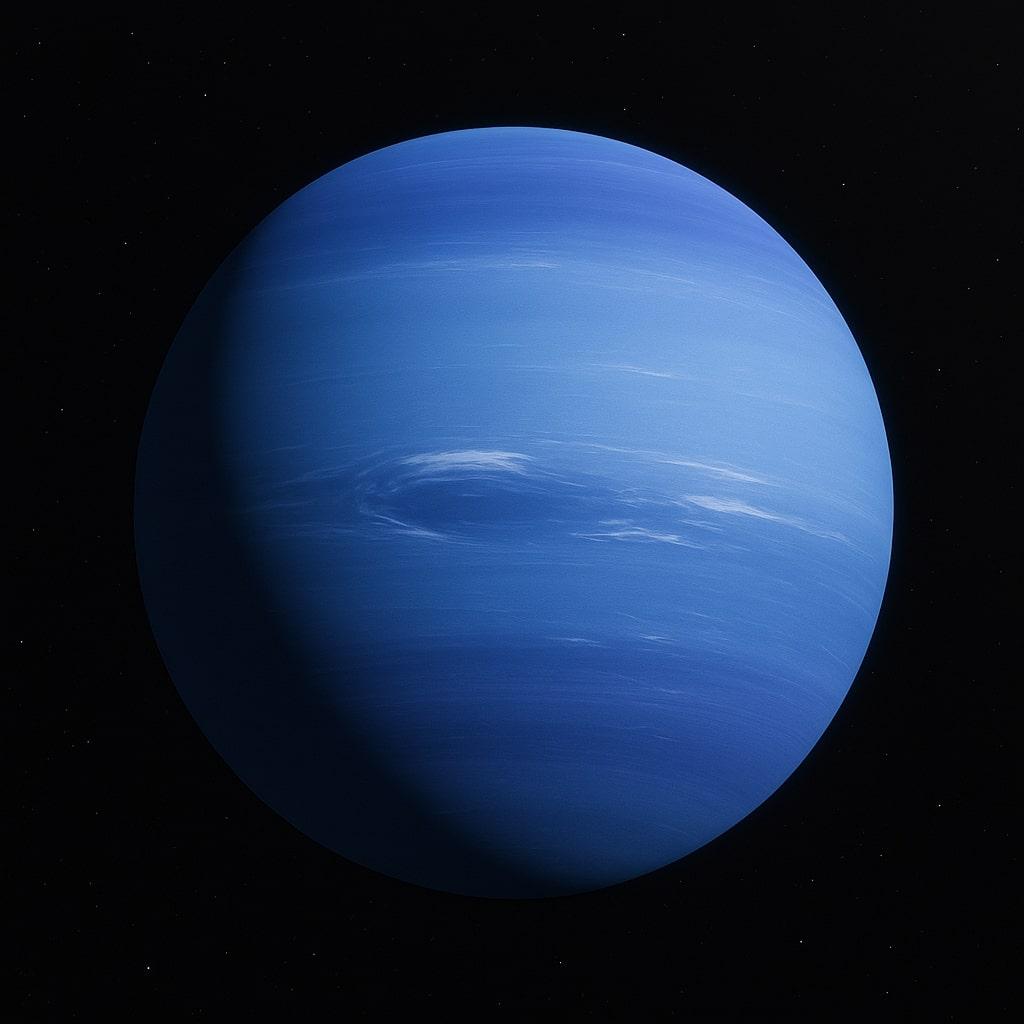
Neptune
Neptune is the eighth and most distant planet from the Sun in the Solar System, located at an average distance of 2.8 billion miles (4.5 billion kilometers). At a distance of 30 astronomical units (AU), this planet was discovered in 1846 by Johann Gottfried Galle, following calculations by French mathematician Urbain Le Verrier. Neptune is the only planet not visible to the naked eye and is notable for its bluish color. This color arises because methane gas in its atmosphere absorbs red light an
EN
Armağan Arda Çakar
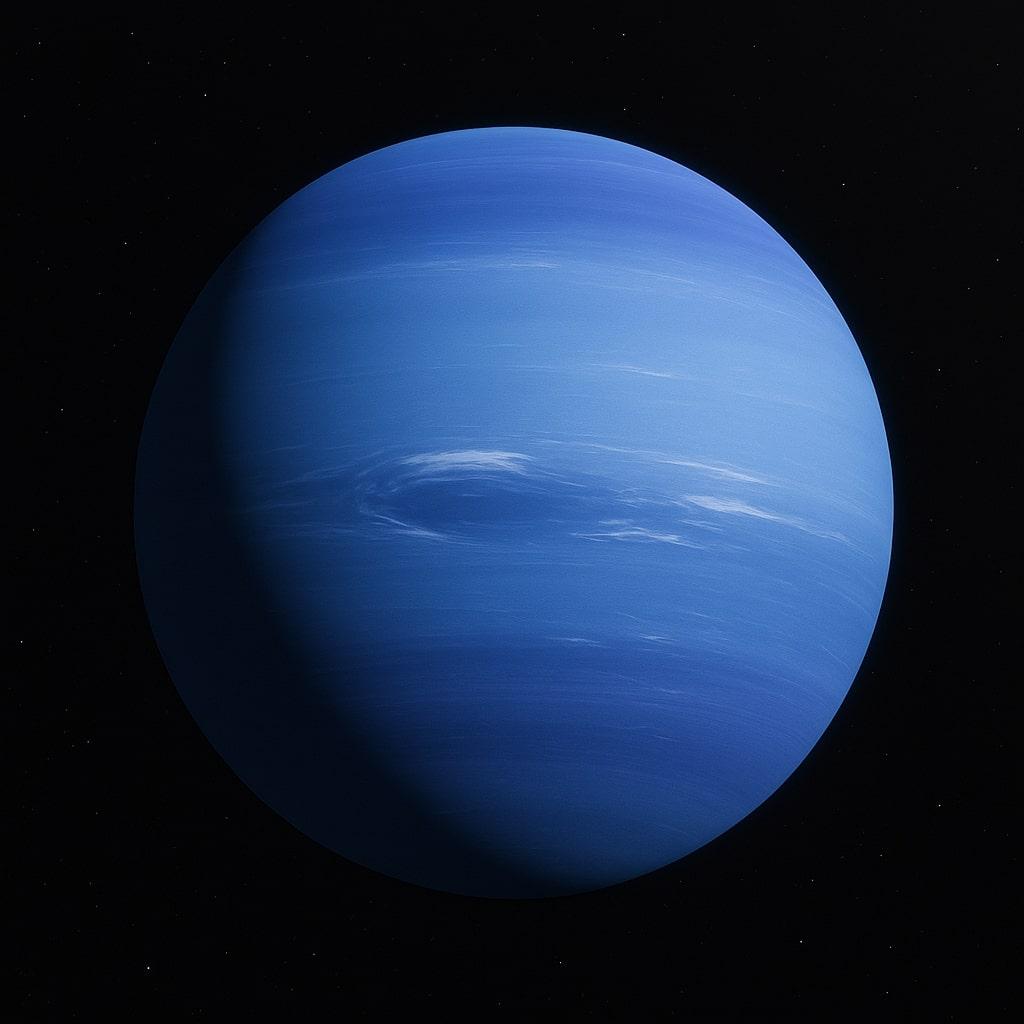
Neptune
Neptune is the eighth and farthest planet from the Sun in the Sun System, orbiting at an average distance of 2.8 billion mile (4.5 billion kilometers). Located at a distance of 30 astronomical units (AU), this planet was discovered in 1846 by Johann Gottfried Galle, following calculations by French mathematician Urbain Le Verrier. Neptune is the only planet not visible to the naked eye and is notable for its bluish color. This color arises from methane gas in its atmosphere absorbing red light a
EN
Armağan Arda Çakar
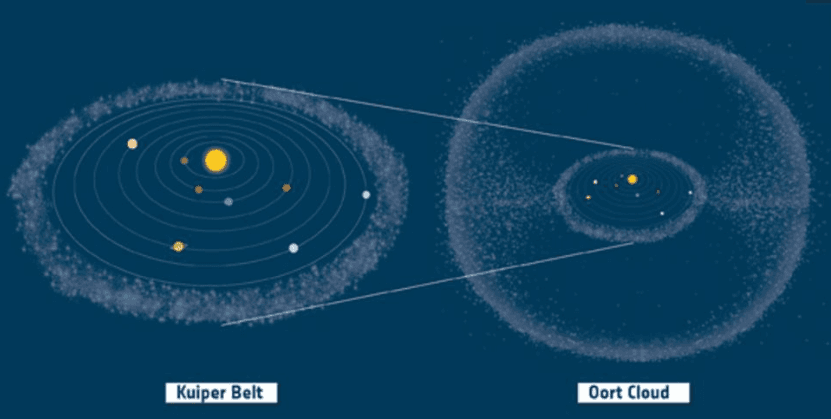
Kuiper Belt
The Kuiper Belt is a flat ring of icy minor bodies orbiting the Sun beyond the orbit of Neptune. It is named after Dutch-American astronomer Gerard P. Kuiper, who proposed that hundreds of millions of such objects—remnants from the formation of the outer planets and orbiting close to the plane of the solar system—must exist. The Kuiper Belt is believed to be the source of most observed short-period comets, particularly those with orbital periods shorter than 20 years around the Sun, as well as o
EN
Beyza Nur Türkü
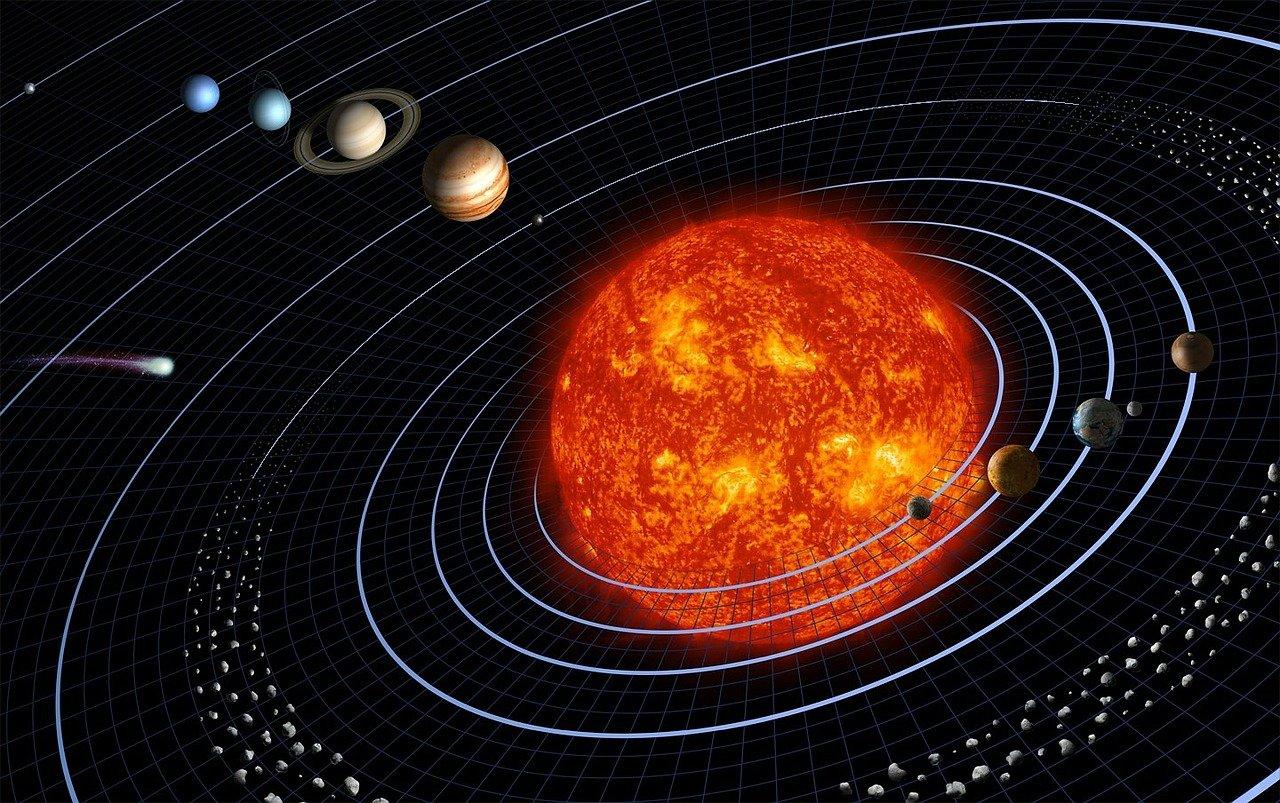
Rotation Periods of the Planets in the Solar System
Each planet has its own rotation period around its axis, known as a “day,” and these vary significantly. On Mercury, one day lasts 176 Earth days, while on Jupiter it can be as short as 9 hours and 55 minutes. On Venus, a day is longer than a year! Factors such as the planet’s distance from the Sun, its mass, and the tilt of its axis determine this duration. You will explore the rotation periods of all planets from Mercury to Neptune, including the differences between sidereal and solar days. Ro
EN
Mehmet Bağcı
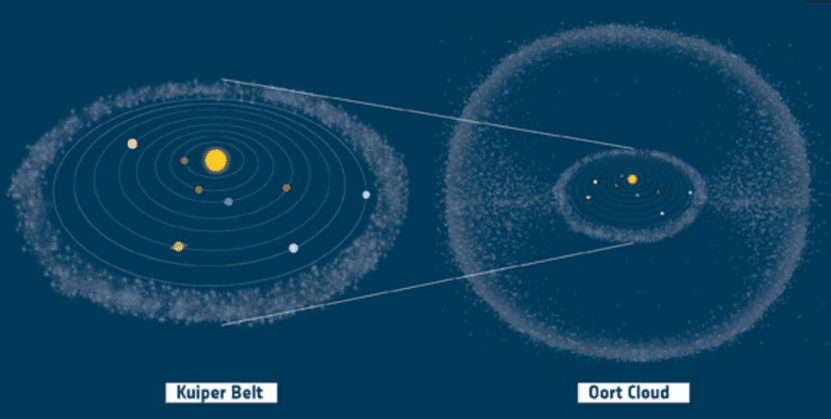
Kuiper Belt
The Kuiper Belt is a flat ring of icy bodies orbiting beyond the orbit of Neptune around Sun. It is named after Dutch-American astronomer Gerard P. Kuiper and consists of hundreds of millions of objects whose orbits lie close to the plane of the solar system and are thought to be remnants from the formation of the outer planets. The Kuiper Belt is believed to be the source of most observed short-period comets, particularly those with orbital periods shorter than 20 years around the Sun and those
ENBeyza Nur Türkü