

`natural-stone` Related Article Results

Lületaşı
Lületaşı is a special stone found in the soils of Eskişehir. It resembles soap in its white, soft, and porous structure. This stone is found underground in a wet state. Once extracted from the soil, its moisture allows it to be easily shaped. As the stone comes into contact with air, it hardens and may develop a slightly yellowish tint. Where Is Lületaşı Found? Lületaşı is most commonly found in certain villages of Eskişehir. These stones lie 30 to 400 meters beneath the surface. Special tunnels
EN
Hasan Emre Uğuzman
Mineralogy
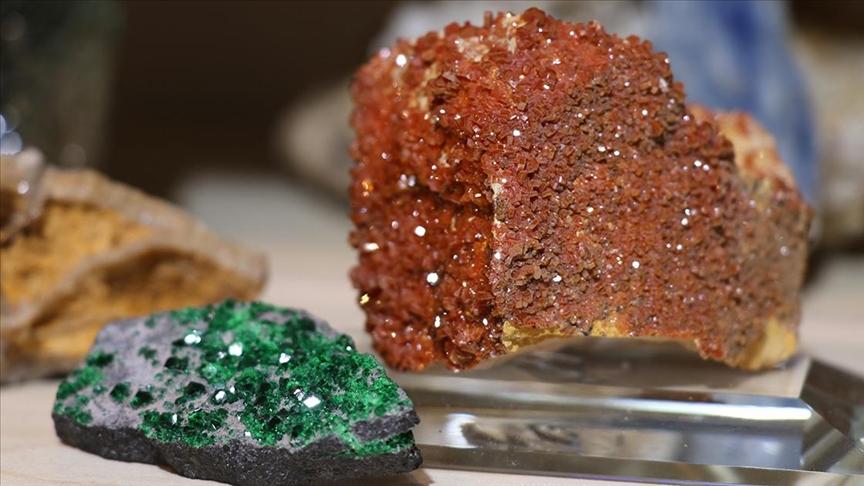
Mineralogy is the scientific discipline concerned with the study of natural elements and compounds that constitute the solid portions of the universe. This field focuses on the chemical, physical, and structural properties of minerals as well as their origins, classifications, and economic applications. Throughout history, mineralogy has developed in parallel with chemistry, physics, crystallography, and earth sciences. Natural Mineral Samples (AA) " image-element-format="right" image-source="ht
EN
Fatma Sümeyra Koray
Amasya Beji Marble
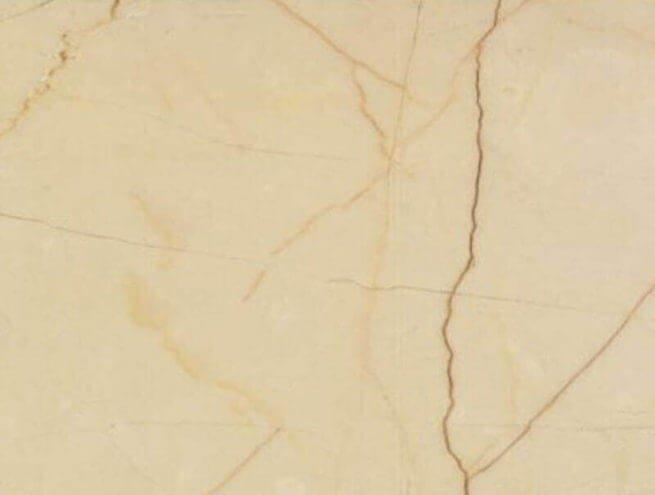
Amasya Beji Marble is a natural stone extracted in the Amasya province of Türkiye, possessing high physical, chemical, and aesthetic properties. It was officially registered as a “Geographical Indication” by the Turkish Patent and Trademark Office on 11 June 2018 and is protected under Law No. 6769 on Industrial Property. Product Description and Distinctive Features Amasya Beji Marble is produced from limestone layers belonging to the Jurassic–Cretaceous-aged Dogdu Formation. Its fresh surface a
EN
Ali Hakyol
Traditional Building Materials
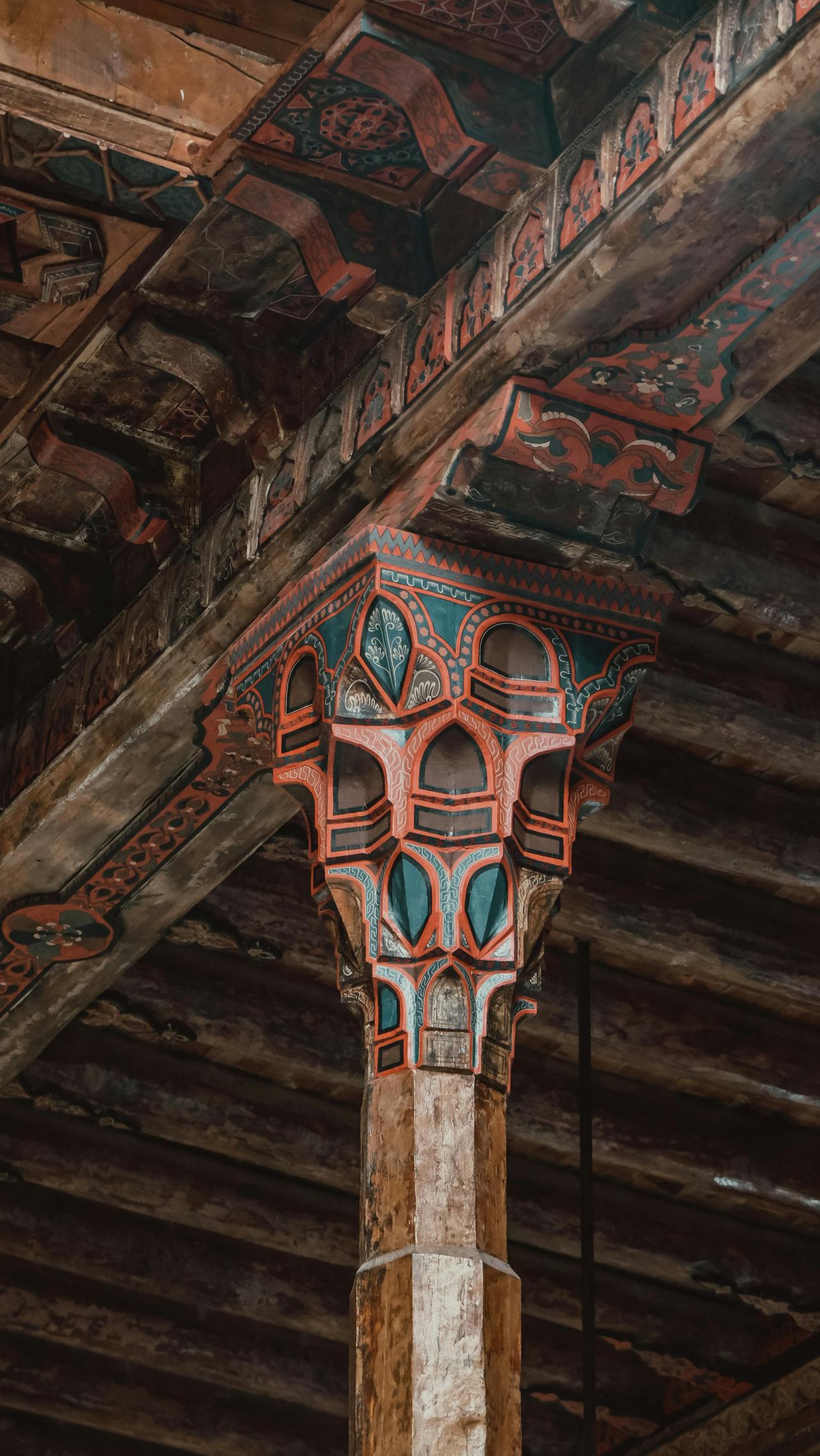
Traditional construction materials consist of substances sourced directly from nature in pre-industrial periods, requiring minimal processing and applied through local craftsmanship. Stone, wood, adobe, bat, brick, plaster, and plant-based additives belong to this category. Material selection is not based solely on economic or practical considerations; it is shaped by a synthesis of environmental and sociocultural factors such as climate, geography, vegetation, and cultural heritage. The presenc
EN
Esra Özkafa
Albanian pavement
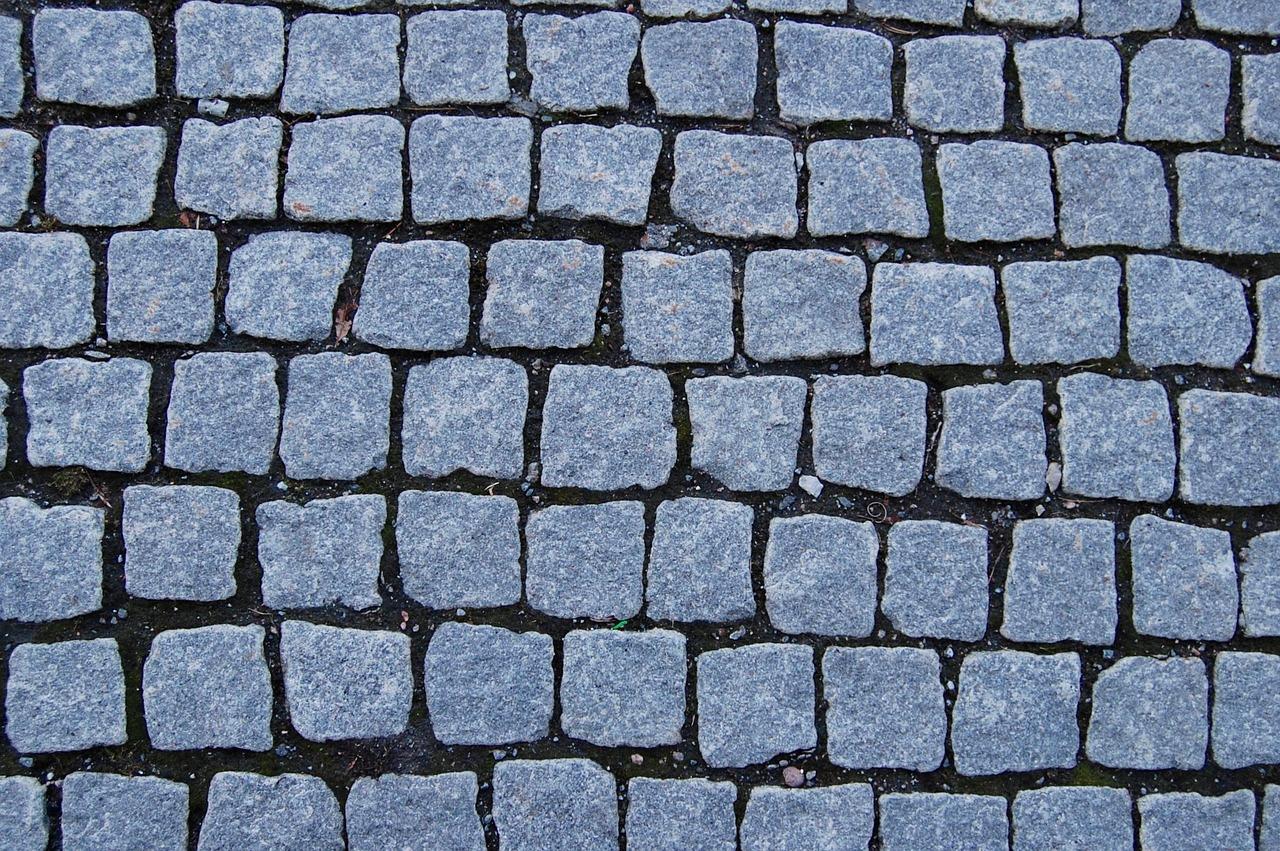
Albanian cobblestone pavement is formed by tightly laying natural stones—typically shaped by hand-breaking to create a slightly convex, dome-like surface—on compacted earth or mortar without gaps. The upper surfaces of the stones are flattened, while their edges are fractured to form polygonal shapes. This paving style facilitates efficient surface water drainage and is notable for its durability. Historically, this method, which commonly employs hard natural stones such as granite, basalt, and
EN
Mürüvvet Doğangün

Elazığ Cherry Marble
Elazığ Vişne marble is a natural stone type unique to Elazığ Province in Türkiye and is used worldwide. It attracts attention from geological, economic, and industrial perspectives due to its distinctive burgundy color, calcite-veined brecciated structure, and exclusive occurrence in Elazığ. Known internationally as “Rosso Levanto,” this stone has found extensive application in architectural decoration since the last quarter of the 20th century. Geological Characteristics and Formation Elazığ Vi
EN
Miray GÜR

Onyx Stone
Onyx stone is a special natural stone formed over many years underground, characterized by a glossy and striated appearance. It typically occurs in black, white, brown, and green tones. The stone attracts attention due to its layered structure in nature and is used as a decorative stone. Where Is It Found in Türkiye? Onyx stone is most extensively mined in Nevşehir and its surrounding areas. These regions contain high-quality varieties of the stone suitable for processing. Similarly, deposits of
EN
İbrahim Filiz