

`nanotechnology` Related Article Results

Nanobots
Nanobots are nano-scale robots, typically operating at dimensions of 1 to 100 nanometers, designed to perform specific tasks and commonly used in medical, environmental, or technological applications. Their purpose is to intervene with high precision by manipulating matter at the atomic or molecular level. Although nanobots are currently still in the experimental stage together, they hold significant potential for future development in areas ranging from medical diagnosis and treatment disease t
EN
Kader Göksu
 Na
NaNanotechnology in Tissue Engineering
Nanotechnology is defined as an engineering field concerned with understanding, controlling, modifying at the atomic level, and functionalizing materials with dimensions between 1 and 100 nanometers. The most distinguishing feature of nanotechnology compared to microtechnology is the ability to manipulate materials at a smaller scale, coupled with the fact that materials exhibit different properties at the nanoscale. The properties of a material change when one or more of its dimensions are redu
EN
Edanur Korkmaz
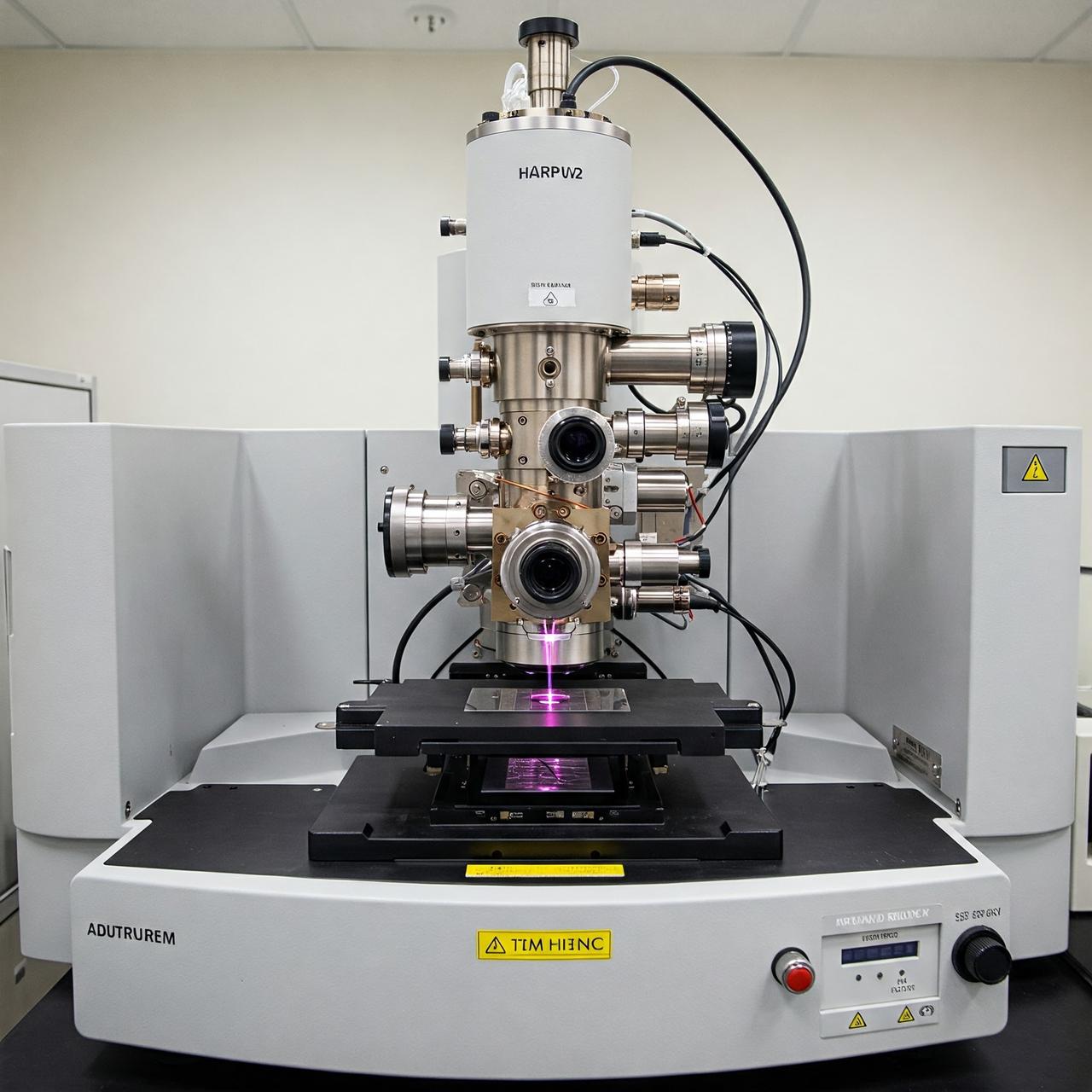
TEM (Transmission Electron Microscope)
Electron microscopy is a type of microscope that achieves high-resolution images by using electrons, which have a much smaller wavelength than light, wave. TEM (Transmission Electron Microscope) is a subcategory of this type of microscope and is used to perform high-resolution structural analyses of samples. TEM is a microscopy technique that enables examination of samples at the atomic level opportunity and is widely used in materials science, biology, nanotechnology, and many other scientific
EN
Kader Göksu
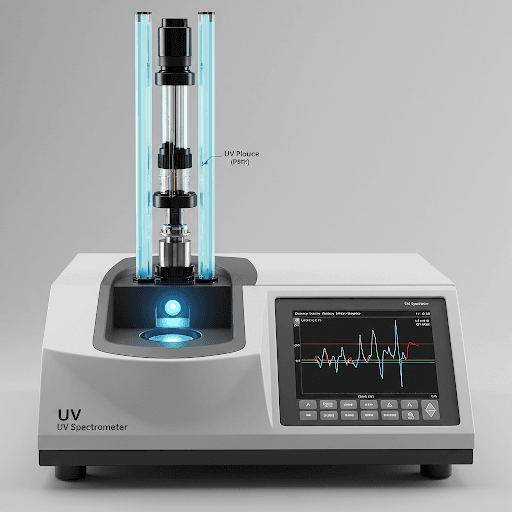
UV Spectroscopy
Ultraviolet (UV) spectroscopy is a analytic technique based on the absorption of light in the UV region of the electromagnetic spectrum, specifically between 200–400 nm. Organic compounds, biomolecules and nanomaterials are among the many different structures analyzed both qualitatively and quantitatively using this method. Due to its high sensitivity and ability to perform fast analysis, UV spectroscopy is a fundamental characterization tool in chemistry, biotechnology, environment science and
ENKader Göksu

Nano Defense Applications
National defense applications refer to the use of nanotechnology—manipulating matter at the atomic and molecular scale (typically between 1 and 100 nanometers)—in military and national security contexts. At this scale, materials exhibit unique and superior physical, chemical, mechanical, optical, and electrical properties not observed in their bulk forms. The defense industry aims to leverage these novel properties to develop lighter, stronger, more durable, and multifunctional equipment, weapon
EN
Ahsen Karakaş

What is Materials Science and Nanotechnology Engineering?
🧪 What is Materials Science and Nanotechnology Engineering? 🔬 This branch of engineering studies and develops the materials that objects are made from. 🌟 Glass, metals, plastics and even extremely small (nanoscale) particles are the subject of this science. 🧠 Materials scientists design lighter stronger and more environmentally friendly materials. What is Materials and Nanotechnology Engineering? (Generated by artificial intelligence.) 🧲 What Do They Do? ⚙️ They develop very light but extre
EN
Veli Orhun Seyhan
QuQuantum Dots
Quantum dots (QDs) are nanocrystals typically 2 to 20 nanometers in diameter. They are most commonly made from semiconductor materials but can also be based on metallic or metalloid elements such as silicon. These structures, containing hundreds to millions of atoms, are also called "artificial atoms" because their electronic band gaps can be tuned by altering their size. Properties The extraordinary optical and electrical properties of quantum dots are explained by a phenomenon known as "quantu
EN
Ayşe İkbal Özsakın
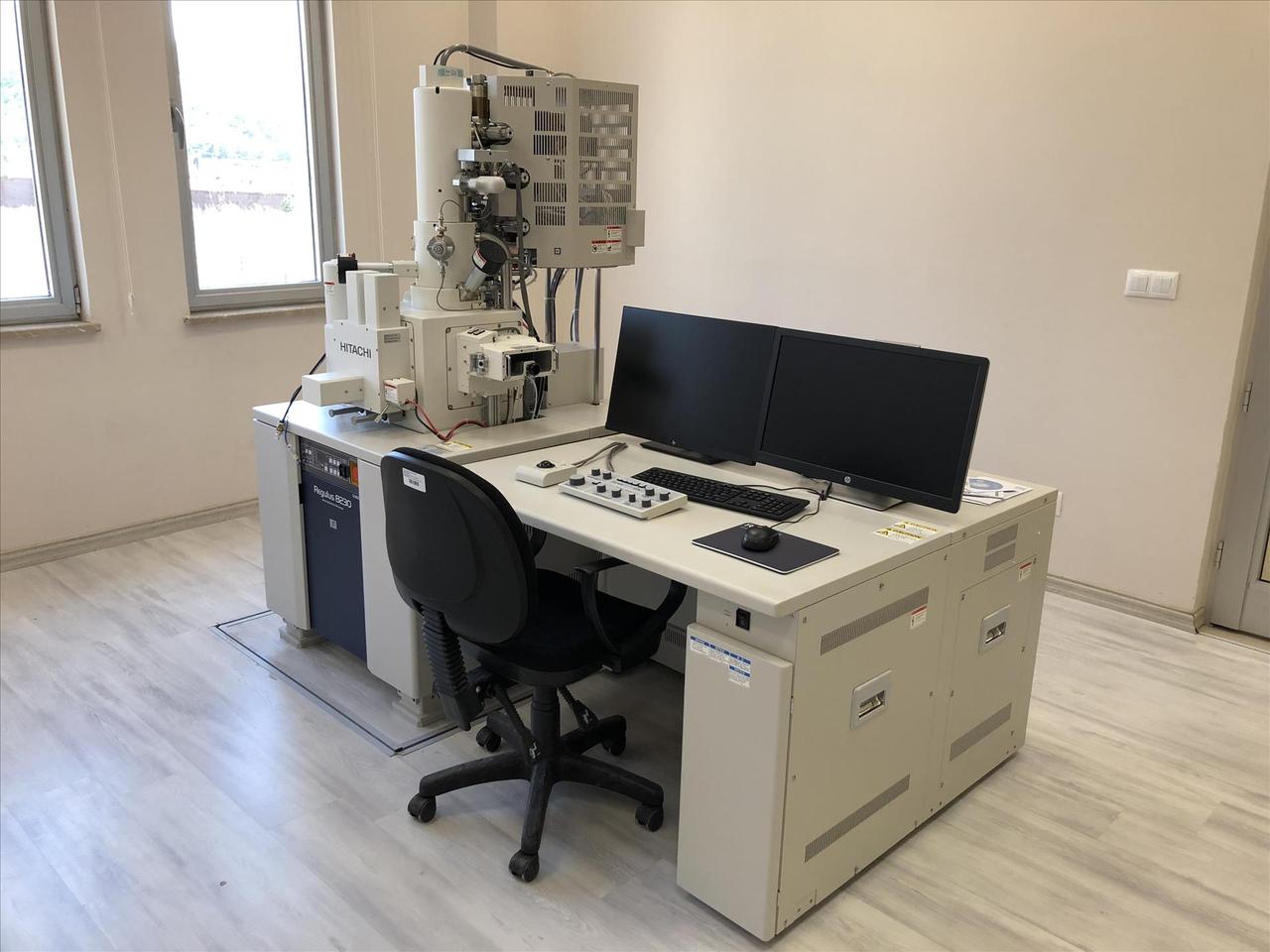
Field Emission Scanning Electron Microscope (FE-SEM)
Field Emission Scanning Electron Microscopy (FE-SEM) is a microscopy technique that offers approximately ten times higher resolution than conventional scanning electron microscopes (SEM). FE-SEM enables sub-nanometer resolution (theoretically up to 0.4 nm) by using a field emission gun (FEG), and its usage rate in nanotechnology has increased by 50% in recent years. This technology plays a critical role in the detailed examination of nanostructures in materials science, electronics, and biomedic
EN
Mürüvvet Doğangün
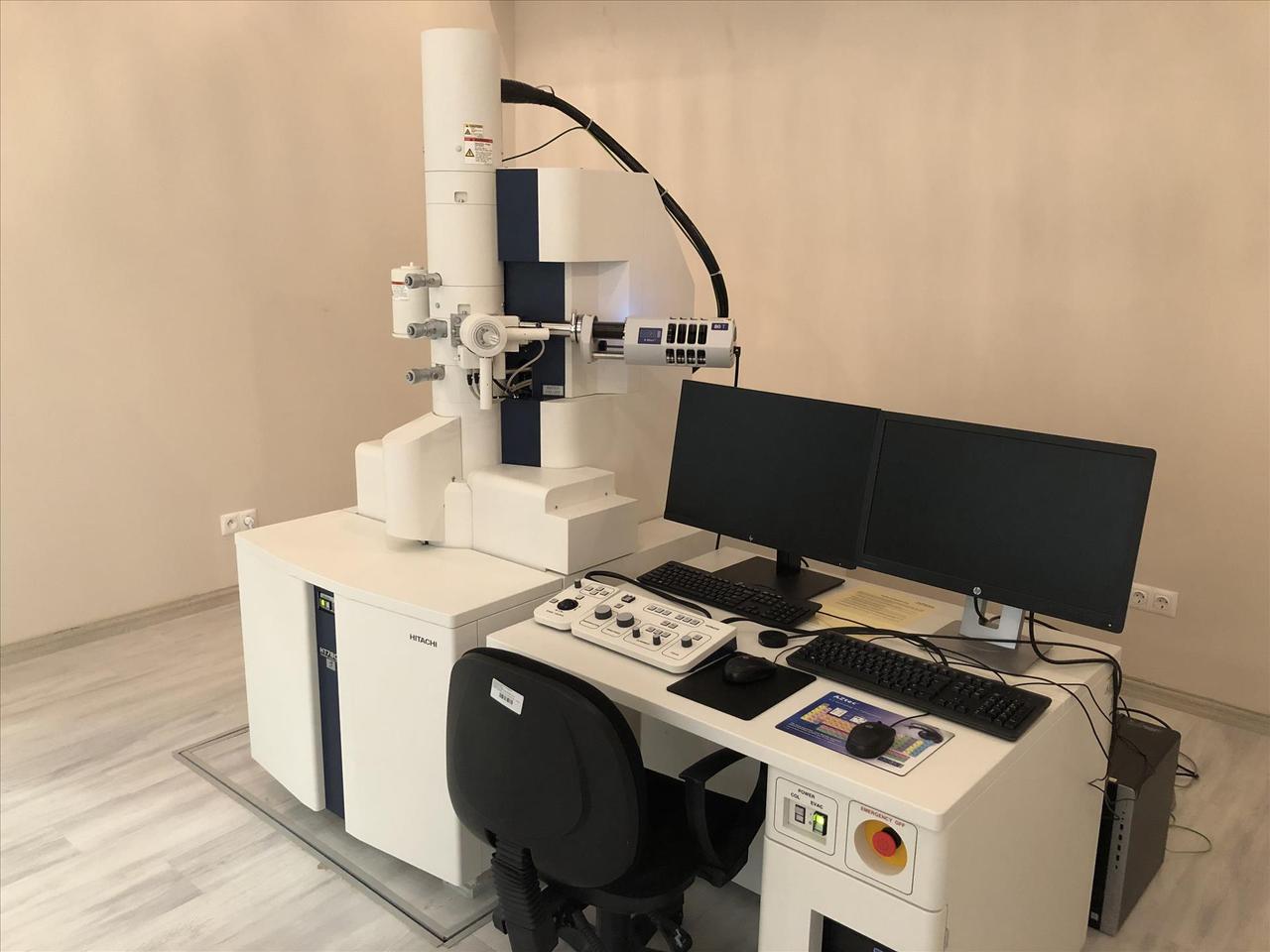
Cryogenic Transmission Electron Microscopy (Cryo-TEM)
Cryo-transmission Electron Microscopy (cryo-TEM) is an advanced imaging technique that enables high-resolution (2–3 Ångström) visualization of biological and soft materials in their native state without disrupting their structure. Unlike conventional transmission electron microscopy, cryo-TEM preserves samples by rapid freezing (vitrification), preventing the formation of crystalline ice, and analyzes them at approximately -180 °C. This method has enabled structural biologists to resolve protein
ENMürüvvet Doğangün

Nanobots
Nanobots are nanoscale robots typically operating at a size of 1 to 100 nanometers designed to perform specific tasks and commonly used in medical environmental or technological applications. Their purpose is to intervene with high precision by manipulating matter at the atomic or molecular level. Although nanobots are still in the experimental stage today birlikte they hold significant potential for future development in areas ranging from disease diagnosis and treatment in medicine to material
ENKader Göksu