

`nanomaterials` Related Article Results
 Na
NaNanotechnology in Tissue Engineering
Nanotechnology is defined as an engineering field concerned with understanding, controlling, modifying at the atomic level, and functionalizing materials with dimensions between 1 and 100 nanometers. The most distinguishing feature of nanotechnology compared to microtechnology is the ability to manipulate materials at a smaller scale, coupled with the fact that materials exhibit different properties at the nanoscale. The properties of a material change when one or more of its dimensions are redu
EN
Edanur Korkmaz
Use of Nanomaterials in Medicine
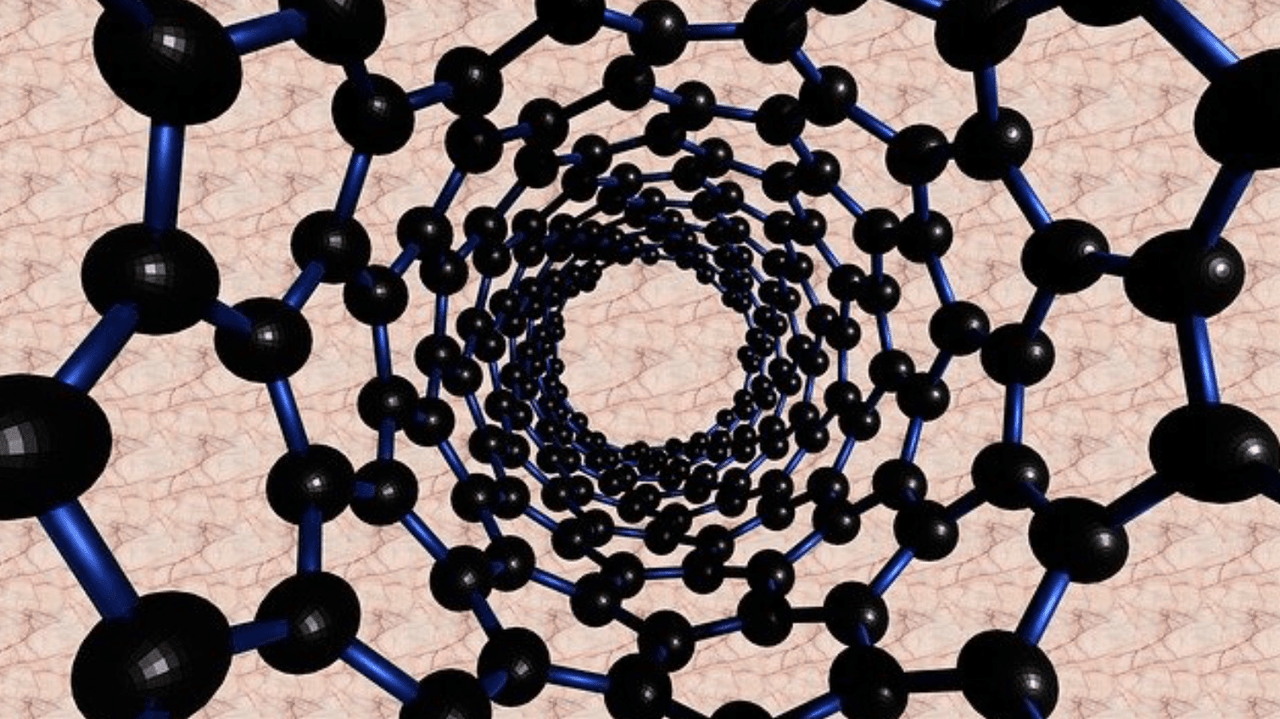
Nanomaterials are materials with dimensions ranging from 1 to 100 nanometers that exhibit distinct physical chemical and biological properties within this size range. These materials have contributed to significant advancements in medicine through nanotechnology and have found extensive application in biomedical applications. The large surface area of nanomaterials enables them to provide solutions in targeted drug delivery tissue engineering and medical imaging like fields active opportunity Me
EN
Rabia Şafak

Nanotechnology
Hello friends! Today, we will explore a very small but incredibly powerful world: Nanotechnology! Nanotechnology works with objects that are incredibly tiny—so small that we cannot see them with the naked eye! So, how small is this tiny world? Let’s find out! What Does Nano Mean? Nano refers to a unit of measurement that is one billionth of a meter. A nanometer (nm) is much smaller than the thickness of a human hair! For example, a single hair strand is about 80,000 nanometers thick. Nanotechnol
EN
Elif Laçin
Nanotechnology
Nanotechnology is an interdisciplinary field concerned with the design, production, and application of materials and devices at atomic and molecular scales. The nanometer (nm) scale typically refers to dimensions between 1 and 100 nm. At this scale, unique physical, chemical, and biological behaviors emerge that lie between macroscopic and molecular properties of matter. History and Development The concept of nanotechnology was first proposed by Richard Feynman in 1959. In his lecture titled "Th
ENKazım Can Özdemir