

`nail` Related Article Results
 Na
NaNail
Köken Arapça kökenli bir kelimedir. Nail kelimesi (ﻧﺎﺋﻞ), Arapça “isteğine erişmek” anlamında kullanılan neyl kelimesinden türemiştir. Kullanım Alanları Başarı / Elde Etme Anlamında: Bir şeye ulaşmak, kavuşmak, başarmak. Dua ve Dileklerde: Olumlu bir dileği ifade ederken kullanılır. Resmî ve Edebi Dilde: Daha çok yazılı ve ağırbaşlı anlatımlarda tercih edilir.
TR
Saliha Turanalp
MaMazhar
Köken "Mazhar" kelimesi Arapça kökenlidir. "zâhir olmak" anlamına gelen "zuhur" kelimesinden türemiştir. Kullanım Alanları Dinî ve Tasavvufî Metinler: İlâhî lütuf, nur veya hikmete erişen kişiler “mazhar” olarak nitelendirilir. Edebiyat: Mazhar olmak, bir duygunun, ihsanın ya da yüceliğin beden bulduğu hâli ifade eder. Günlük Dil: Övgü, makam, görev, sevgi, ilgi gibi olumlu ya da olumsuz bir duruma ulaşmayı belirtmek için kullanılır. İsim: Erkek çocuklarına verilen bir isimdir; “nimete nail olan
TR
Muhammed Said Alevcan

The nail removes the nail
The saying “a nail removes a nail” means attempting to solve a problem or difficulty by using another problem or situation of a similar nature. Just as one might remove a nail driven into wood by striking it with another nail, this expression describes using a method of the same kind to confront a challenge. Sometimes this phrase is also used when trying to fix a bad situation by introducing an even worse one. Where Does It Come From? The origin of this saying comes from the daily practices of c
EN
Nida Üstün
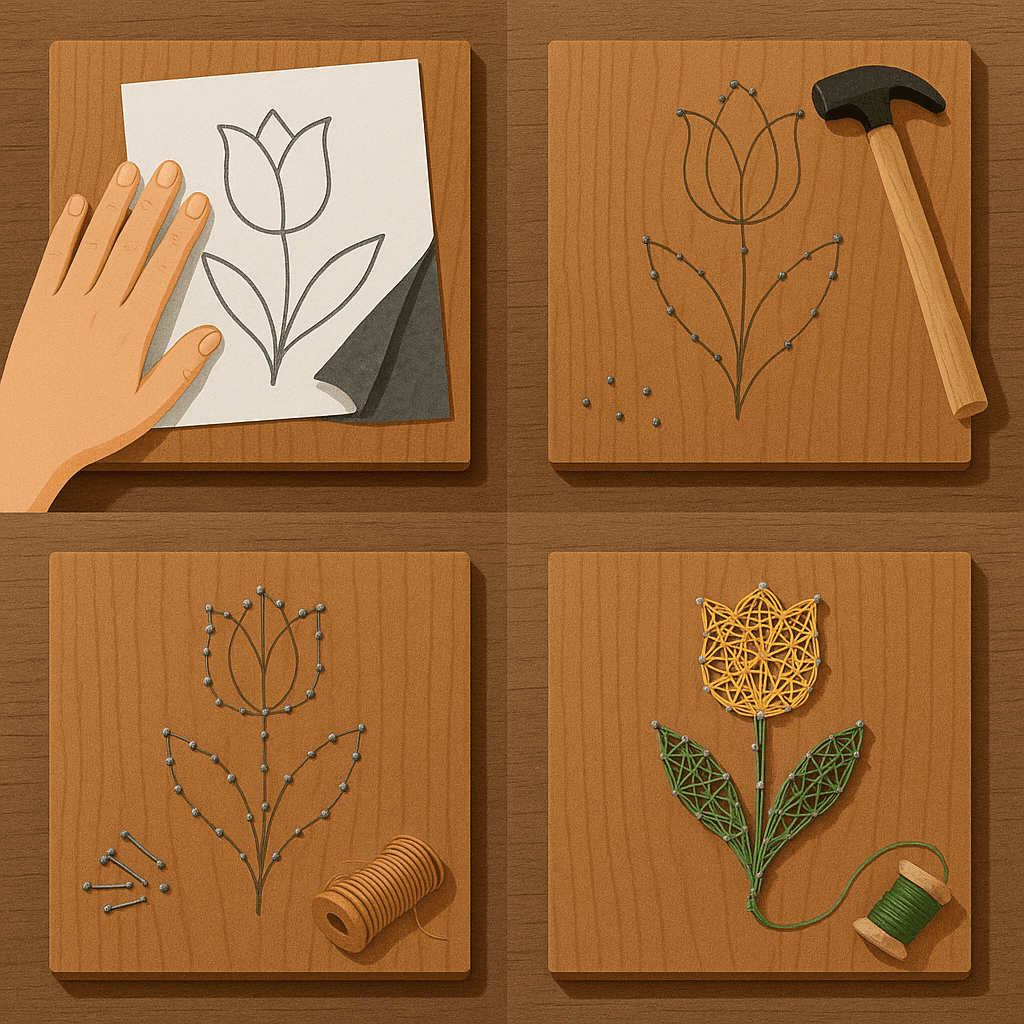
Filigree
What Is Filigree? Filigree is an art form created by hammering nails into a wooden board and winding threads around these nails. When the threads are woven between the nails, they form patterns, letters, and decorative designs. The word originates from Greek: “filo” means thread and “grafi” means to write or draw. Thus, we can briefly describe it as “making pictures with thread”. Historical Origins Although the exact origin of filigree is unknown, it is believed to have emerged in Central Asia a
EN
Sümeyye Akkanat Terzioğlu