

`motion` Related Article Results
 Ou
OuOutrage
Origin İhtizaz is derived from the Arabic word ihtizāz (اهتزاز). The term originates from the iftiʿāl pattern formed from the Arabic verb hazza, meaning “to shake” or “to set in motion,” and carries the meaning of vibration or oscillation. Areas of Use Physics: Used to describe the vibrational and oscillatory motions of objects. Everyday Language: Used to denote mild shaking or trembling. Literature: Employed to depict subtle movements, emotional fluctuations, and atmospheric descriptions. Techn
EN
Fatmanur Mavibaş
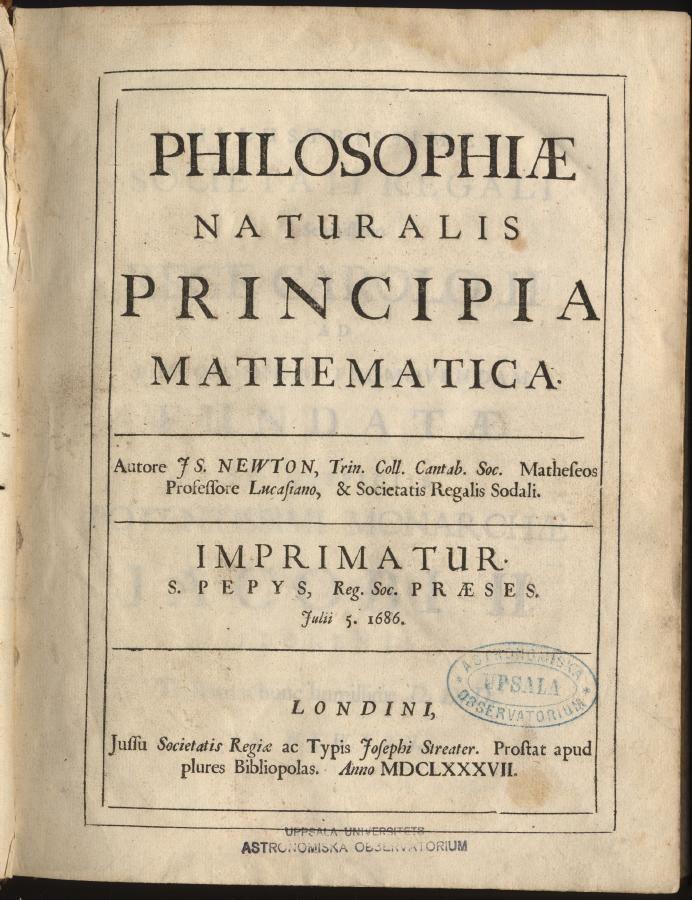
Newton's Laws of Motion
Isaac Newton, modern laid the foundations of physics by establishing three revolution laws concerning the nature of motion and forces. These laws provided not only a new understanding of only classical mechanics but also a profound insight into the workings of the universe. Although Newton’s movement laws appear simple and intuitive, they represented a revolutionary shift in scientific thought. Isaac Newton " image-alternate="" image-element-format="right"> Newton’s Laws of Motion and Their H
EN
Mevlüt Acar

Speed
Speed is a fundamental concept that defines how much distance an object has covered or how quickly an event has occurred within a specific fast movement. In other words, speed indicates how fast something happens or moves. Speed is not limited to physical motion; it also applies to various non-physical phenomena such as the speed of information processing in computers, the speed of sound and light, or how quickly a person can complete a task such as. Speed is a scalar quantity, meaning it has ma
ENFatih Birinci

Inertia of Entry
Do you keep postponing your responsibilities to tomorrow instead of doing them today? When tomorrow arrives, the responsibility you left behind reappears, multiplied—as if it has absorbed the burden of the previous day—and again, you postpone it with a new desire, one that builds upon the reluctance of the day before. I describe this condition as “Inertial Entry”: the weight that forms within us when the initial energy required to begin a task combines with our inner desire for laziness. To bett
ENElyesa Köseoğlu
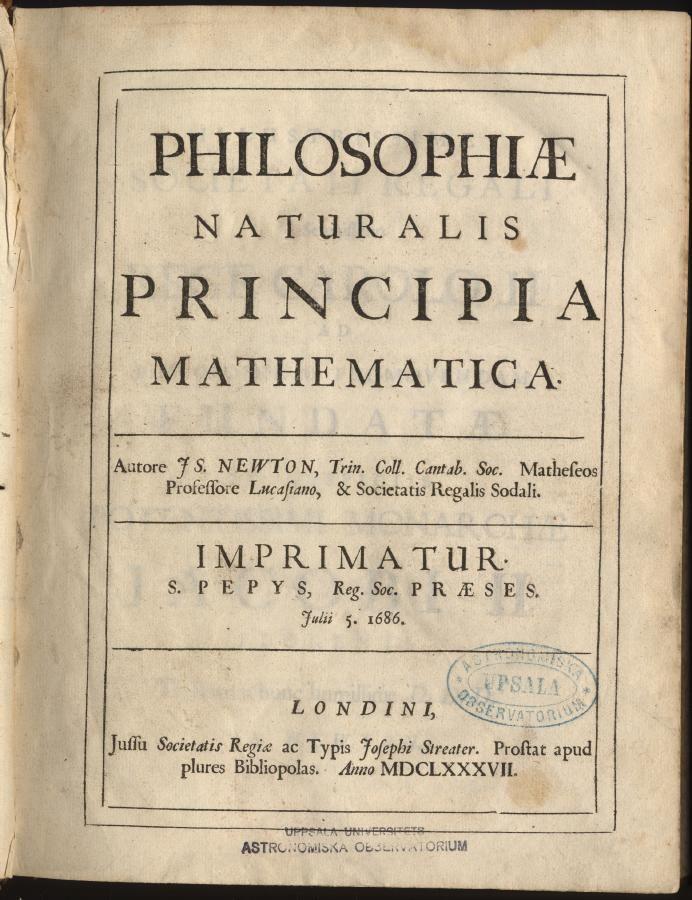
Newton's Laws of Motion
Isaac Newton, while laying the foundations of modern physics, formulated three revolutionary laws concerning the nature of motion and forces. These laws not only established the framework of classical mechanics but also provided a profound understanding of how the universe operates. Although Newton’s laws of motion appear simple and intuitive, they represented a major historical revolution. Isaac Newton" image-alternate="" image-element-format="right"> Newton’s Laws of Motion and Their Histor
ENMevlüt Acar
ZeZeno's Paradoxes
Zeno’s Paradoxes are a series of philosophical arguments developed by the philosopher Zeno, who lived in the 5th century BCE in the city of Elea in Southern Italy. These arguments reveal contradictions between common sense and logical analysis regarding the nature of motion, plurality, space, and time. In the history of philosophy, these paradoxes were designed to defend the monist doctrine of Parmenides, founder of the Eleatic School, who claimed that reality is “One,” unchanging, indivisible,
ENYunus Emre Yüce

Speed
Speed is a fundamental concept that defines how quickly an object moves or how rapidly an event occurs within a specific time. In other words, speed describes how “fast” something happens or moves. Speed is not limited to physical motion; it also applies to various non-physical phenomena such as the rate of information processing in computers, the speed of sound and light, or how quickly a person can complete a taskgibi. Speed is a scalar quantity, meaning it has magnitude but no direction. This
ENFatih Birinci
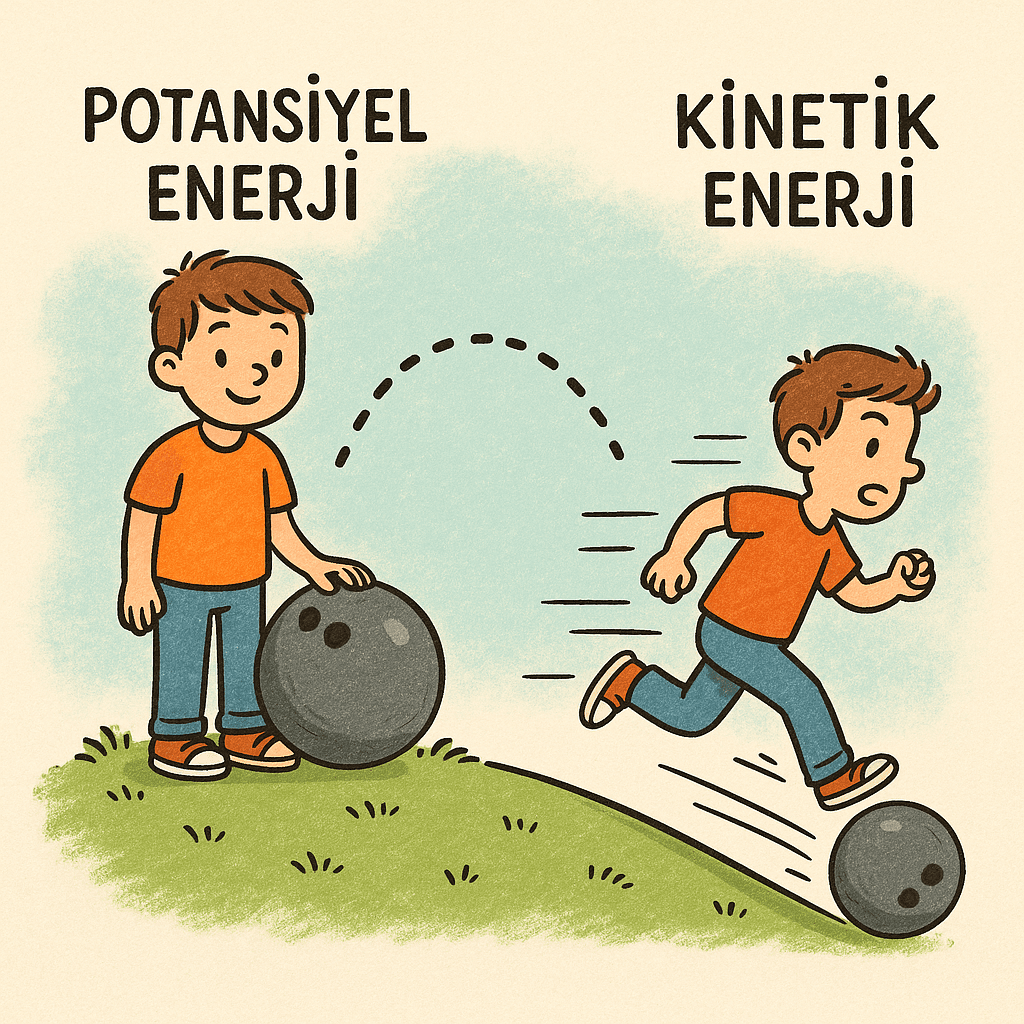
What Is Energy?
Energy, in its simplest definition, is the ability to do work. It is energy that enables you to run, jump, move your toys, and even allows the lamp in your room to emit light. Behind every movement and change we observe around us lies energy. Just as a car needs fuel to move, all living beings, including us, require energy to live. Where does this energy come from, and where is it stored? There are many fascinating types of energy. Let us now explore the two most common ones together: kinetic an
EN
Melahat Pamuk
DyDynamic
Dynamics (n.): The branch of physics that studies the change of systems under the influence of motion and forces. Origin The word "dynamics" is derived from the Greek term "dynamikos," meaning "related to power or motion." This term is used in physics and engineering to explain movement, forces, and equilibrium states. Dynamics gained its modern meaning through Newton’s laws of motion and has found applications in various fields, from engineering to biology. Areas of Use Historical Use: The conc
EN
Furkan Üresin
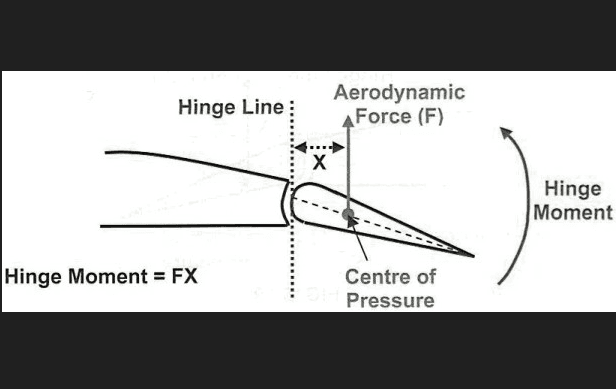
Menteşe Moment
Menteşe is defined as the hinge moment caused by aerodynamic forces acting around the hinge axis of a surface (winglet, elevator, rudder like). This concept is critical in the design of control surfaces for aircraft such as airplane and helicopters. The hinge moment determines the force the pilot must apply to move the control surfaces and directly influences flight characteristics. Technical Definition and Formula The hinge moment is associated with \( M_h = \frac{1}{2} \rho V^2 S c C_h \) \( \
EN
Muhammed Erdem