

`mollusks` Related Article Results
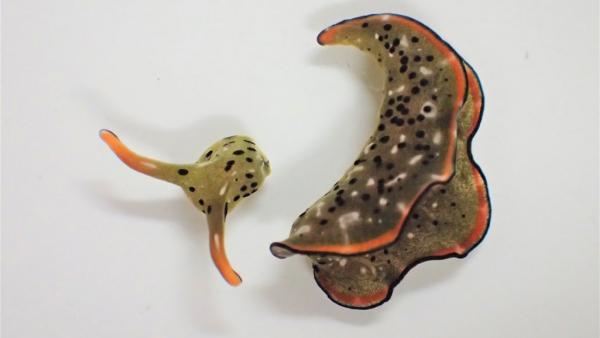
Sea Snail (Rapana venosa)
Sea snail, scientifically known as Rapana venosa, is a gastropod mollusk belonging to the family Muricidae. This shelled marine organism is a predatory species that primarily feeds on bivalves.Kalkınma Kütüphanesi. Deniz Salyangozu Ön Fizibilite Raporu. Ankara, 2019. Erişim tarihi: 6 Ocak 2026. https://www.kalkinmakutuphanesi.gov.tr/assets/upload/dosyalar/deniz-salyangozu-on-fizibilite-raporu.pdf Aydın Adnan Menderes Üniversitesi. “Deniz Salyangozları.” GZT ADÜ. Erişim tarihi: 6 Ocak 2026. https
EN
Furkan Çıracı
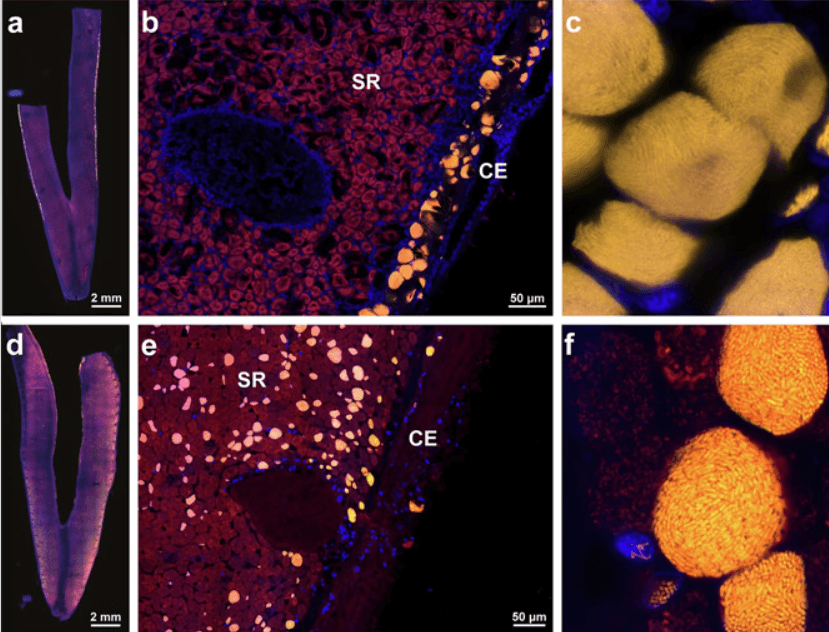
Gene Duplication of the Bacterium Parasitizing the Nucleus of Mollusk Cells
A series of bacteria, cell have adapted to intracellular parasitism, but living within the cell nucleus is exceedingly rare for “high-level parasitism.” Nuclear parasitism is typically carried out by protists via pathogenic bacteria; however, a new study published in Nature Microbiology has identified such a phenomenon in deep-sea snails. ‘Ca. Endonucleobacter’ bacteria live in the gills of the bivalves Bathymodiolus puteoserpentis and Gigantidas childressi, divide within the cell nucleus, and r
EN
Oksana Gülünay
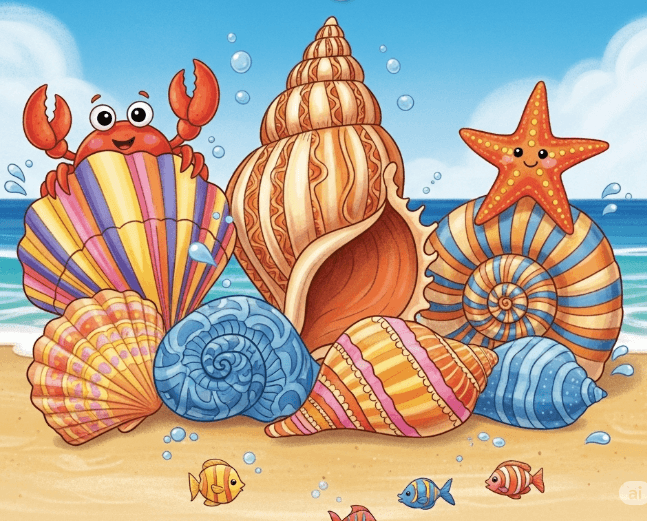
Sea Shells
Seashells are the hard outer skeletons of certain animals that live in the sea. These animals are called mollusks. Because mollusks have very soft bodies, they produce hard shells made of calcium carbonate to protect themselves. These shells act like homes, shielding them from harm. We often see seashells washed up on beaches by the waves. How Are Seashells Formed? Seashells form slowly from a substance called calcium carbonate, secreted by the living organism inside. As the animal grows, the sh
EN
Elif Kavurga