

`miniature` Related Article Results
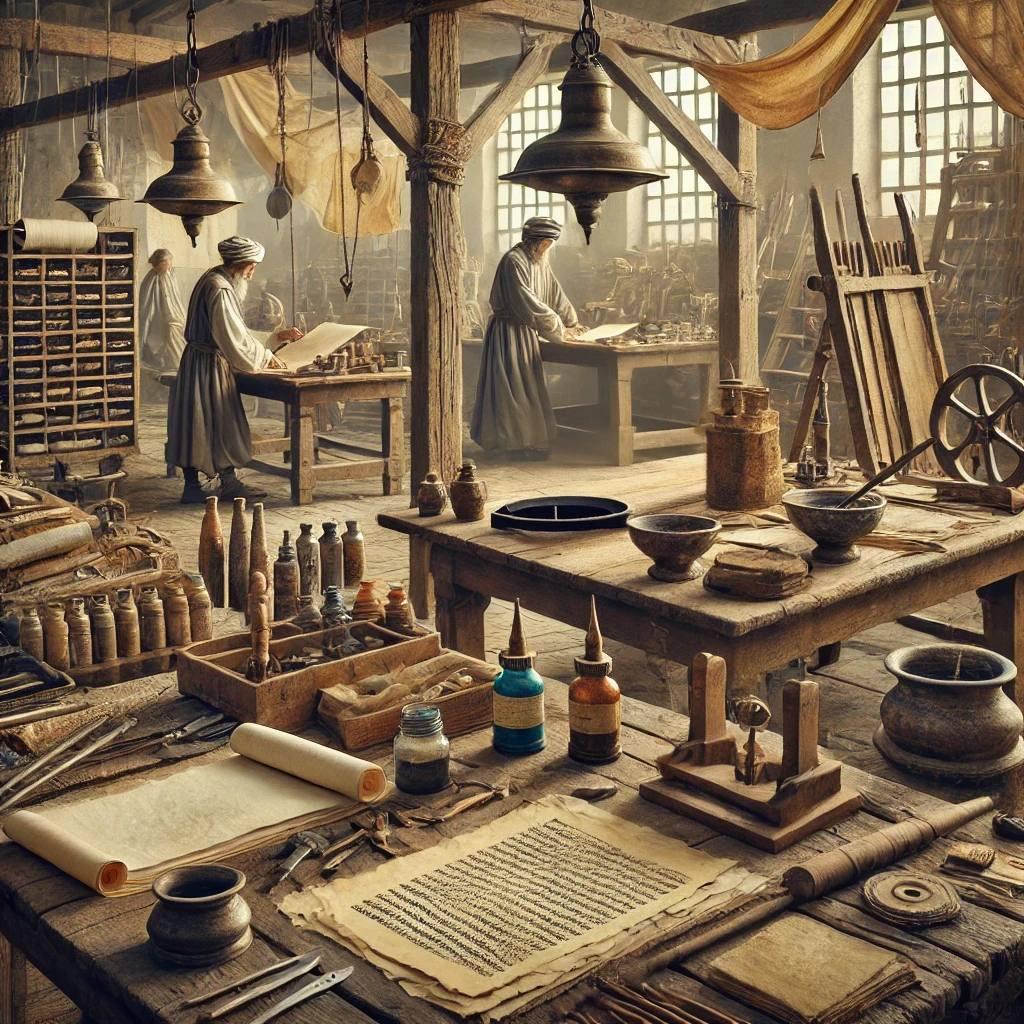
Professions and Specializations in Manuscript Production
Manuscript work culture refers to an ecosystem encompassing not only written texts but also the entire process from their creation to their preservation. Throughout this process, the production, writing, decoration, binding, and preservation of manuscripts such as required every stage stage to involve different areas of expertise and professional groups. These craftsmen and artists involved in manuscript production did not merely fulfill a practical function; they also contributed significantly
EN
Burak Enes
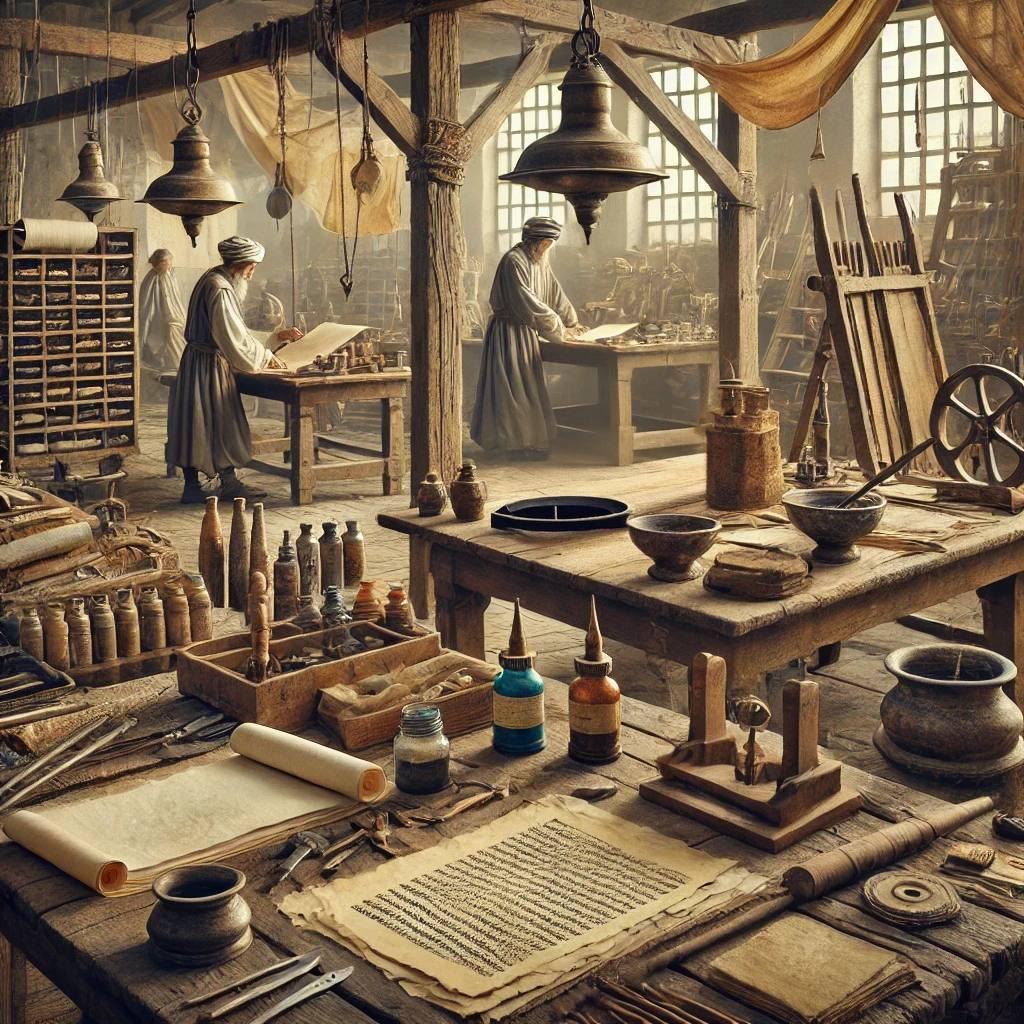
Professions and Specializations in Manuscript Production
Manuscript work culture refers to an ecosystem that encompasses not only written texts but also the entire process from their creation to their preservation. Throughout this process, the production, writing, decoration, binding, and protection of texts each require different areas of expertise and professional groups. The artisans and artists involved in the production of manuscript works did not merely fulfill a practical function; they also made significant contributions to the aesthetic and a
EN
Burak Enes
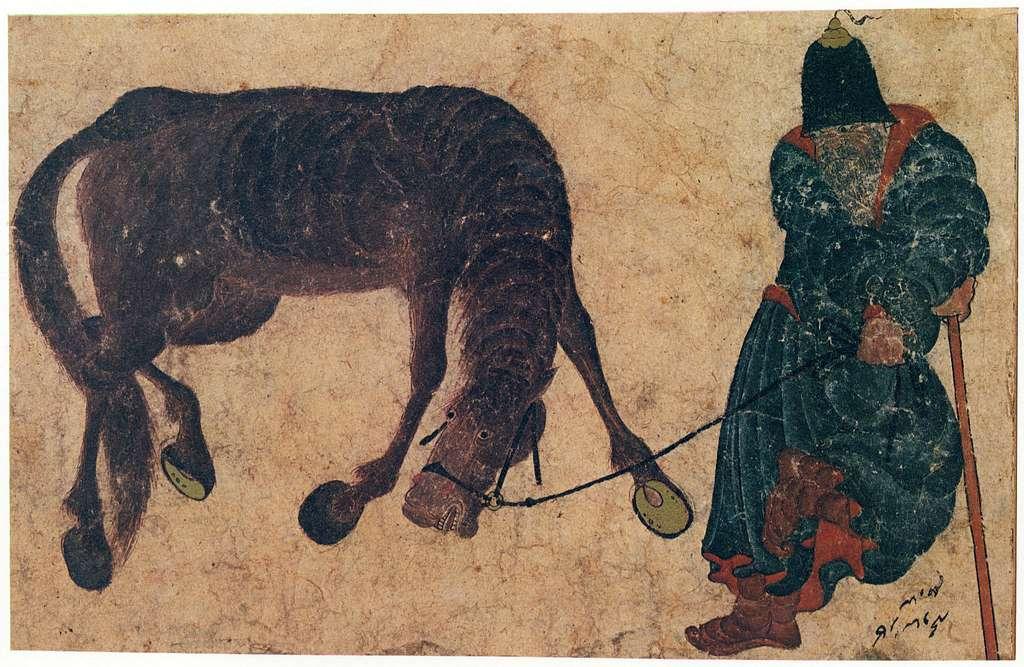
Mehmet Black Pen and Miniatures
Mehmet Siyah Kalem, a 15th-century artist who inspired both Eastern and Western art. His works depict the daily life beliefs and cultural structures of societies through an artistic lens. In his drawings shamanistic and fantastical elements reflect a striking and imaginary world. These pieces reveal not only the artistic understanding of his time but also a creativity that challenges the boundaries of imagination. Nomadic camp. Topkapı Sarayı Hazine Kitaplığı. 2153." image-alternate="" image-ele
ENBurak Enes
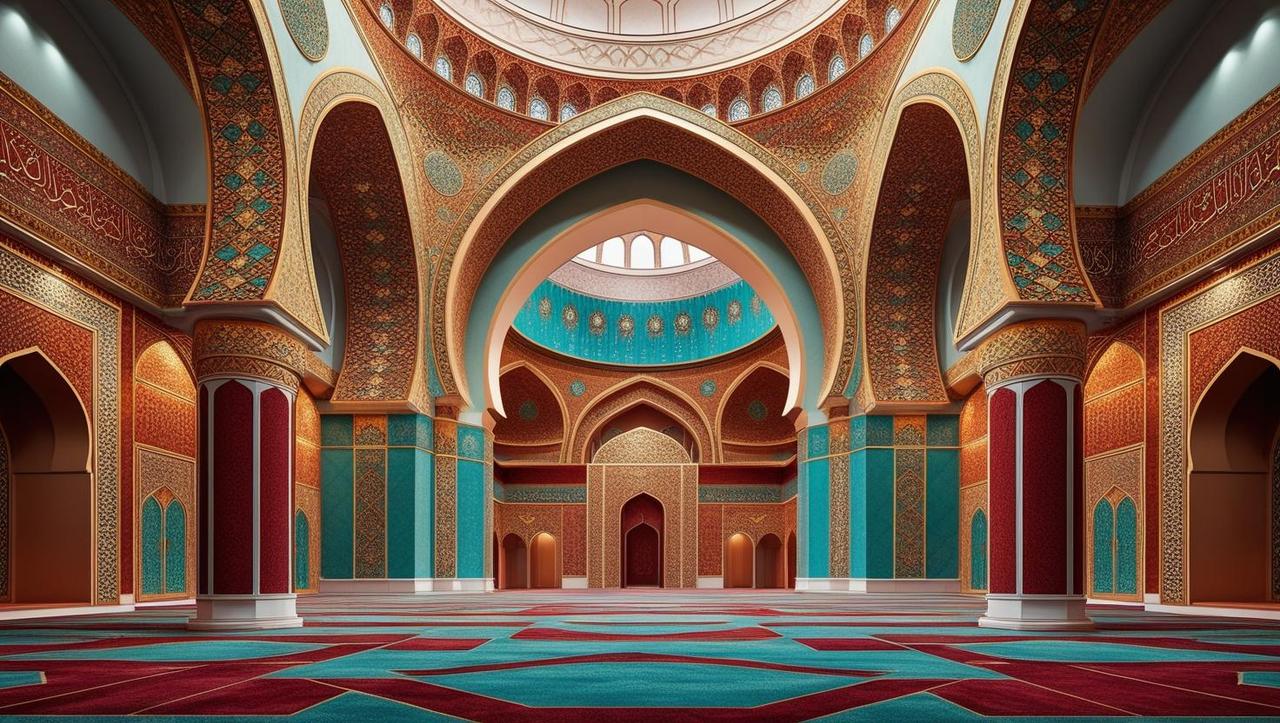
What is Decoration?
Ornamentation is the art of decoration used to adorn and make something beautiful and visually striking. The patterns you can find in books, mosques, palaces, ancient manuscripts, and tiles are part of ornamentation, featuring gold embellishments and colorful motifs. There are many different types of ornamentation. Calligraphy: The art of beautiful writing. Especially in ancient books and mosques, decorations are made using Arabic letters. Ceramic Decoration: Decorations made with colored cerami
EN
Meryem Şentürk Çoban
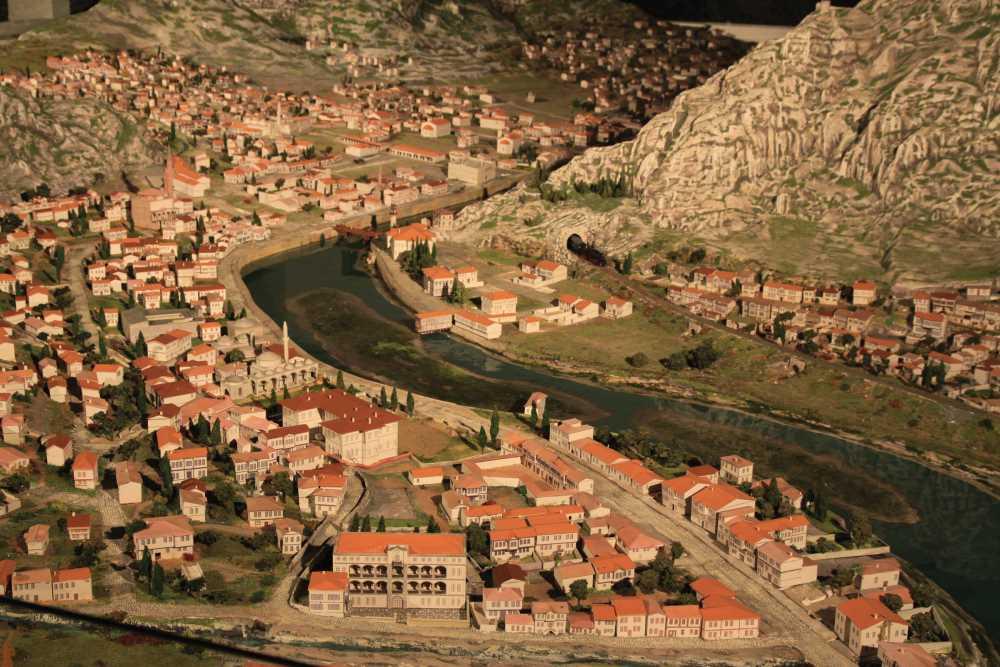
Miniature Amasya Museum
The Miniature Amasya Museum is like stepping into a tiny world! This museum features a large-scale model that depicts Amasya city as it appeared a century ago. Model means a scaled-down replica of something. When you enter the museum, you will see, in the center of a large room, Amasya’s 1914 architecture, its people, its river, and its mountains all rendered in miniature. This model was created to help visitors understand how life in the city unfolded during that period. 🏞️ Where Can You See I
EN
Nida Üstün
Miniature Art
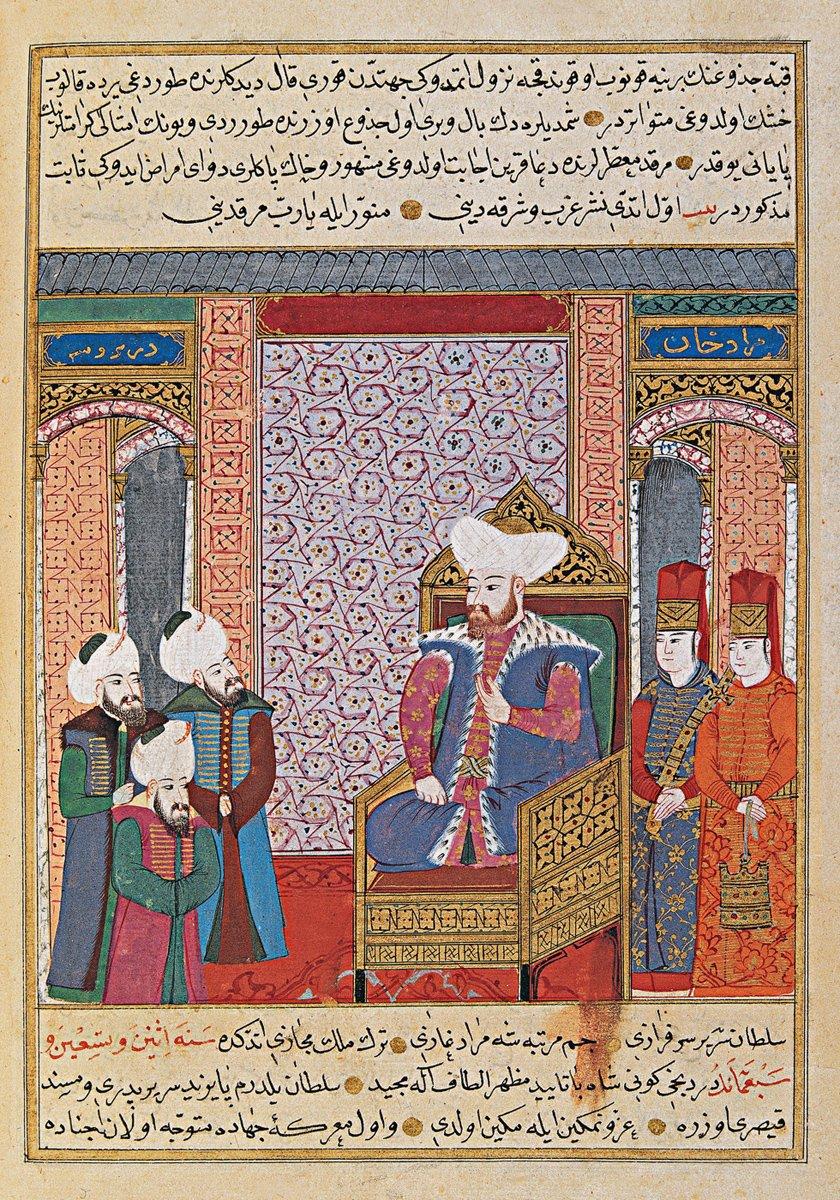
Miniature refers to small-scale, intricately detailed colored paintings. This art form was traditionally used to decorate manuscripts. So, what is miniature art, and how did it emerge? Let’s find out! What Is Miniature? Miniatures are small but highly detailed paintings, typically created to illustrate or embellish handwritten manuscripts. The word “miniature” derives from the Latin term meaning “to paint with red,” as these paintings were originally adorned with red pigment. Over time, the term
EN
Elif Laçin
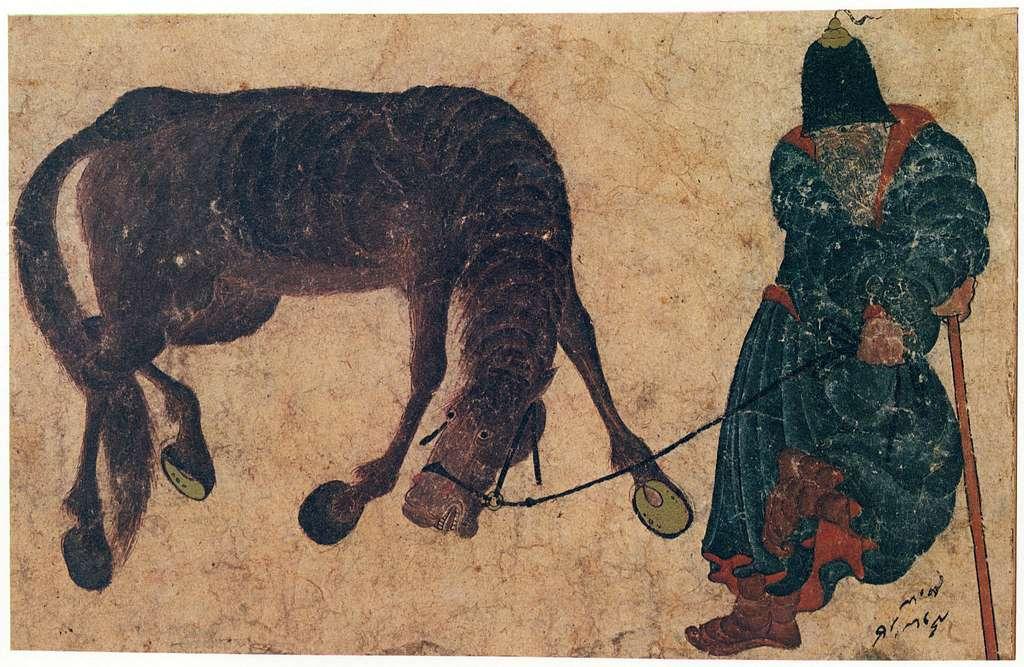
Mehmet Black Pen and Miniatures
Mehmet Siyah Kalem Pen was an artist who lived in the 15th century and inspired both East and West art. His works depict the daily lives beliefs and cultural structures of societies through an artistic lens. In his drawings shamanistic and fantastical elements reflect a striking and imaginative world. These works reveal not only the art understanding of his time but also a creativity that challenges the boundaries of dream. Nomadic encampment. Topkapı Sarayı Hazine Kitaplığı. 2153. " image-alter
ENBurak Enes
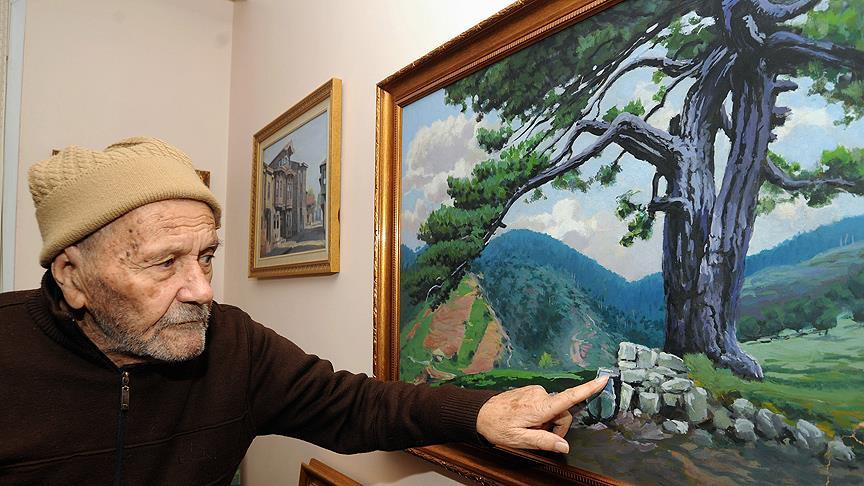
Ahmet Yakupoğlu
Ahmet Yakupoğlu was born in 1920 in the Saray neighborhood of Kütahya and died in 2016. This multifaceted artist, known as a painter, illuminator, and ney player, received his early education at Derviş Paşa Primary School. After completing his academic training in 1945, he studied the ney under masters including Halil Dikmen, Nurullah Kılınç, and Süleyman Erguner. Artistic Contributions and Works Although Yakupoğlu possessed the capacity to hold exhibitions in Paris, he returned to Kütahya and i
EN
Yahya B. Keskin
 Pa
PaPalekh Miniature
Palekh miniatures are one of Russia’s traditional handicrafts—a type of lacquer art derived from the iconography tradition in the early 20th century. After the 1917 Revolution, when the production of religious icons was banned, former icon painters redirected their talents toward a new art form, developing miniature lacquer work. This art is renowned for its detailed hand-painted designs applied to boxes made of papier-mâché, brooches, and decorative items. The miniatures are painted using techn
EN
Nazlı Kemerkaya