
`mind` Related Article Results
 De
DeDescartes' Theory of Ideas
Seventeenth-century thought was a period marked by profound transformations in the fields of epistemology and ontology. One of the central figures in these transformations was René Descartes. As one of the founding figures of modern philosophy, Descartes developed a systematic approach to understanding how knowledge can be attained and how the foundations of reality can be questioned. His philosophy centers on the pursuit of certain knowledge through methodological doubt, in which the concept of
EN
Aslı Öncan
Mind
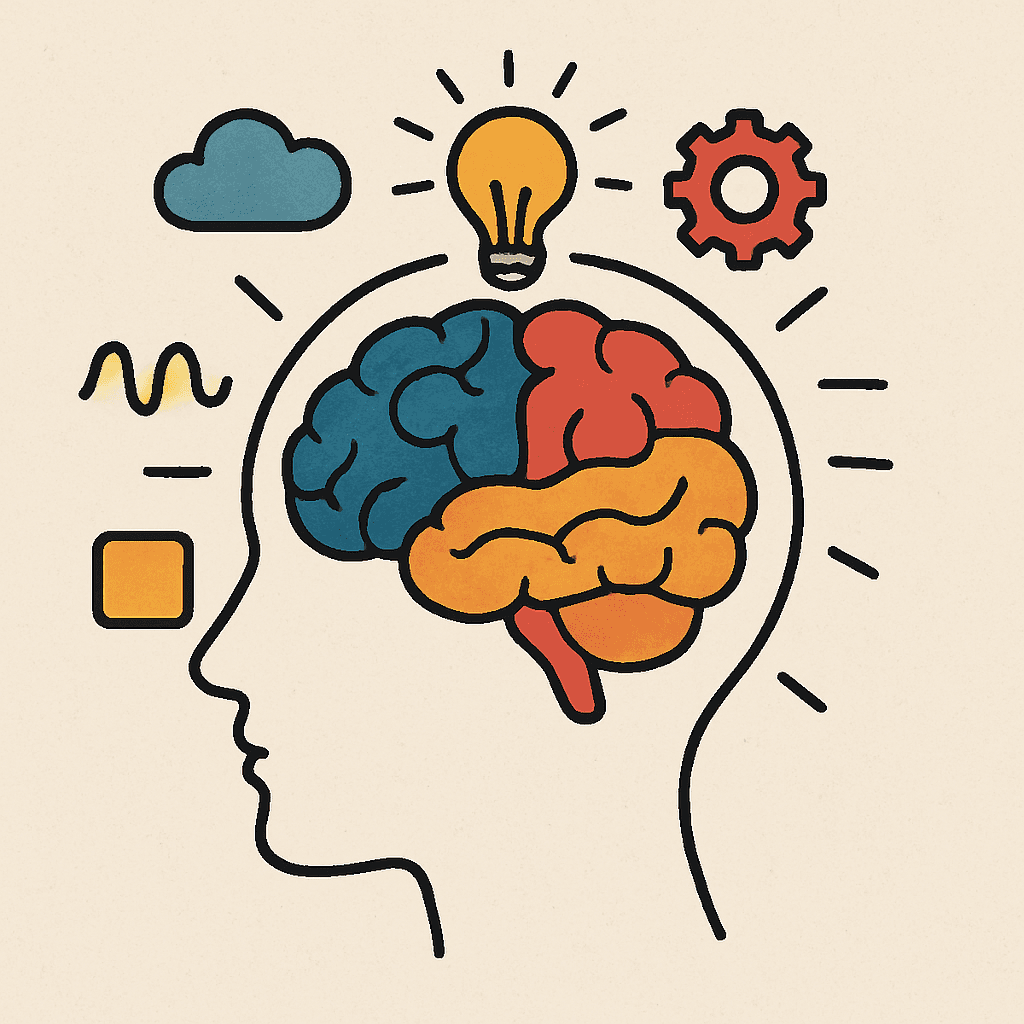
Mind is a concept that encompasses the entirety of a living being’s mental processes and activities such as thinking, perceiving, feeling, remembering, understanding, and consciousness. This term, of Arabic origin, constitutes one of the fundamental research subjects in many disciplines including philosophy, psychology, neuroscience, and cognitive science. The mind is a complex structure that shapes an individual’s inner world, guides behavior, and forms the foundation of social interactions. At
EN
Sümeyye Akkanat Terzioğlu
DR. BRUCE H. LIPTON
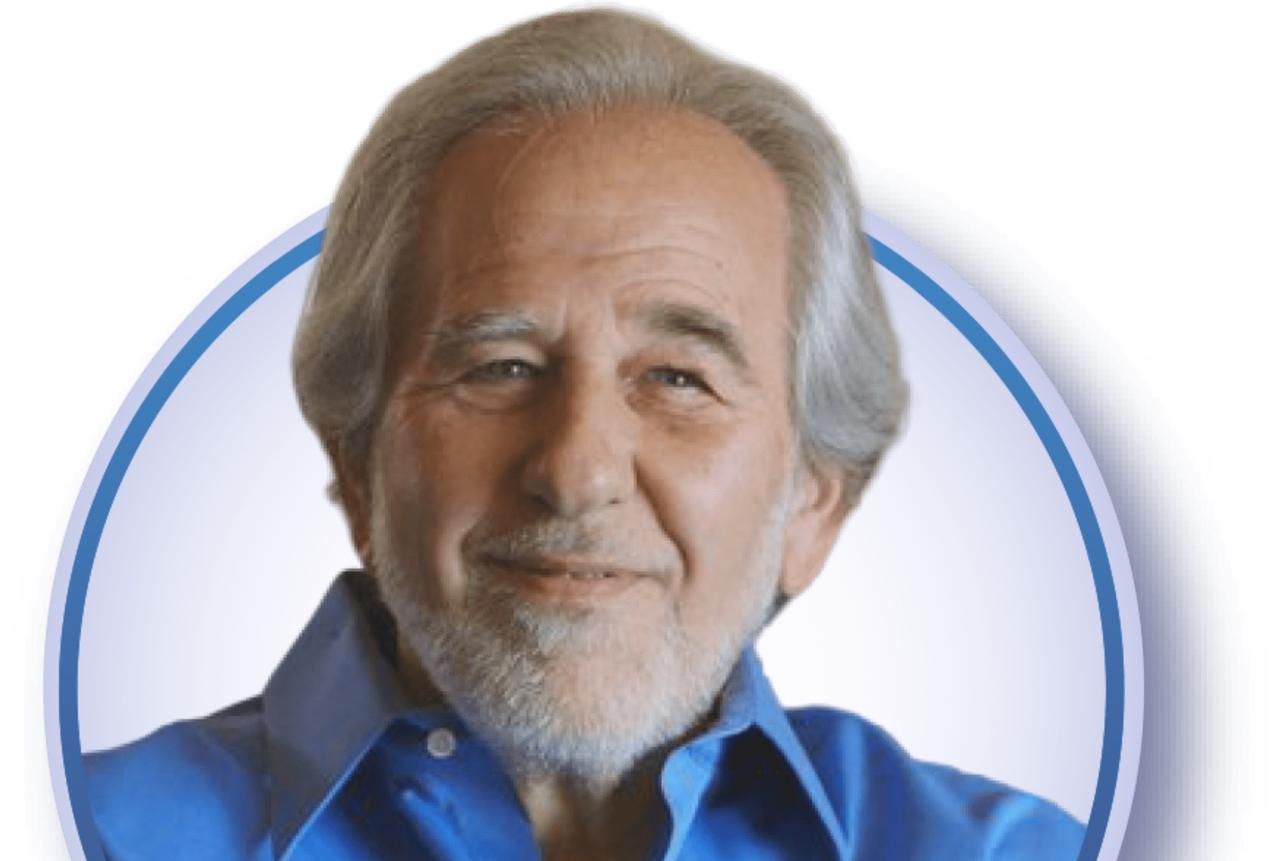
Dr. Bruce H. Lipton is a scientist internationally recognized for his work in cell biology. The success of his book The Biology of Belief has been the most significant factor in bringing him to a wide public audience. Throughout his scientific career, Lipton has examined the molecular structure of the cell, challenged traditional views on the relationship between genetics and environmental factors, and developed a perspective he calls the “new biology.” Academic Career and Early Work After compl
EN
Lale Alp
Do you want to use your mind in a multifaceted way?
Have you ever heard the theory that we only use 3% of our minds? Does this apply universally to everyone? That is uncertain—perhaps some of us use 1%, while others use 4%. What matters here is not the percentage we use, but how efficiently we use it. We ask: while there are thousands of factors in our environment that reduce our mental capacity, how many factors exist that enhance it? In this article, let us explore how we can increase the capacity of our minds. The topic we wish to address conc
EN
T3 Akademi
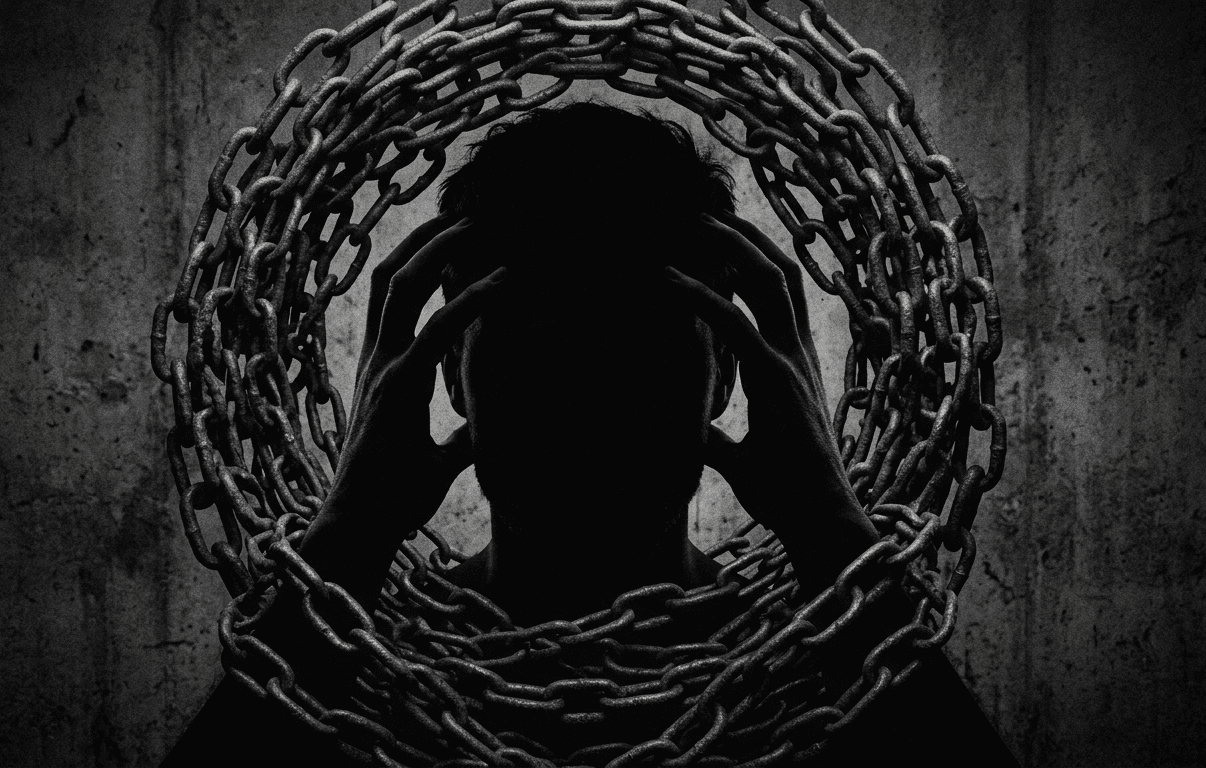
The Art of Freeing Our Minds from Chains: Critical Analytical Thinking
One of the most dangerous conditions spreading through today’s world like a modern epidemic, gnawing at individuals from within, is undoubtedly perfectionism. This ailment, marketed as a standard of success or an admirable discipline, is in essence the heaviest chain we impose on our own minds. Perfectionism is not a motivating force for growth but a serious mental illness that paralyzes individuals with fear of making mistakes and perpetually nourishes the soul with feelings of inadequacy. This
EN
Gözde Cabadak
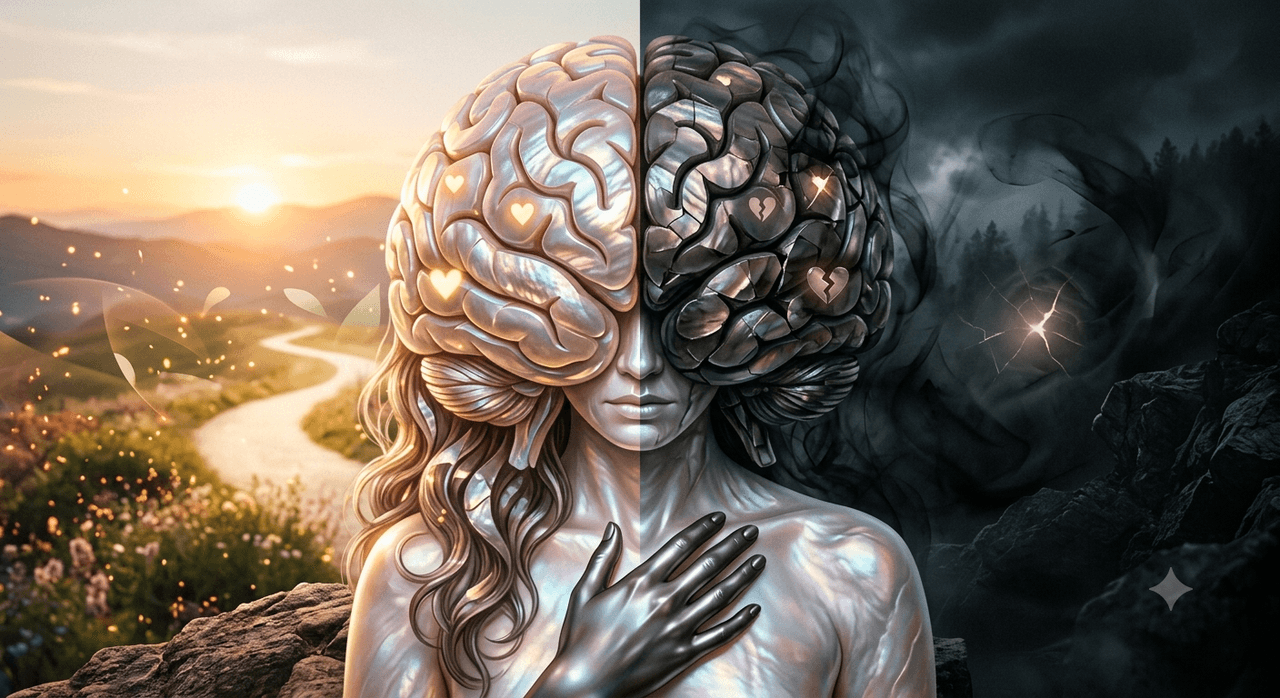
If a feeling has no name, does it not exist?
Everyone seeks meaning in their experiences. Because meaning brings comfort. If we know why something happened, we believe we can cope with it. If we are sad, we want to know why; if we are angry, we want to know the cause; if we feel longing, we want to know whom we miss. But what about feelings with no explanation at all? These are the most exhausting emotions of all. Sometimes nothing has happened. Life continues as usual. Your family is well, you have no major problems at work, your phone ha
EN
Nisa ÜSTÜN
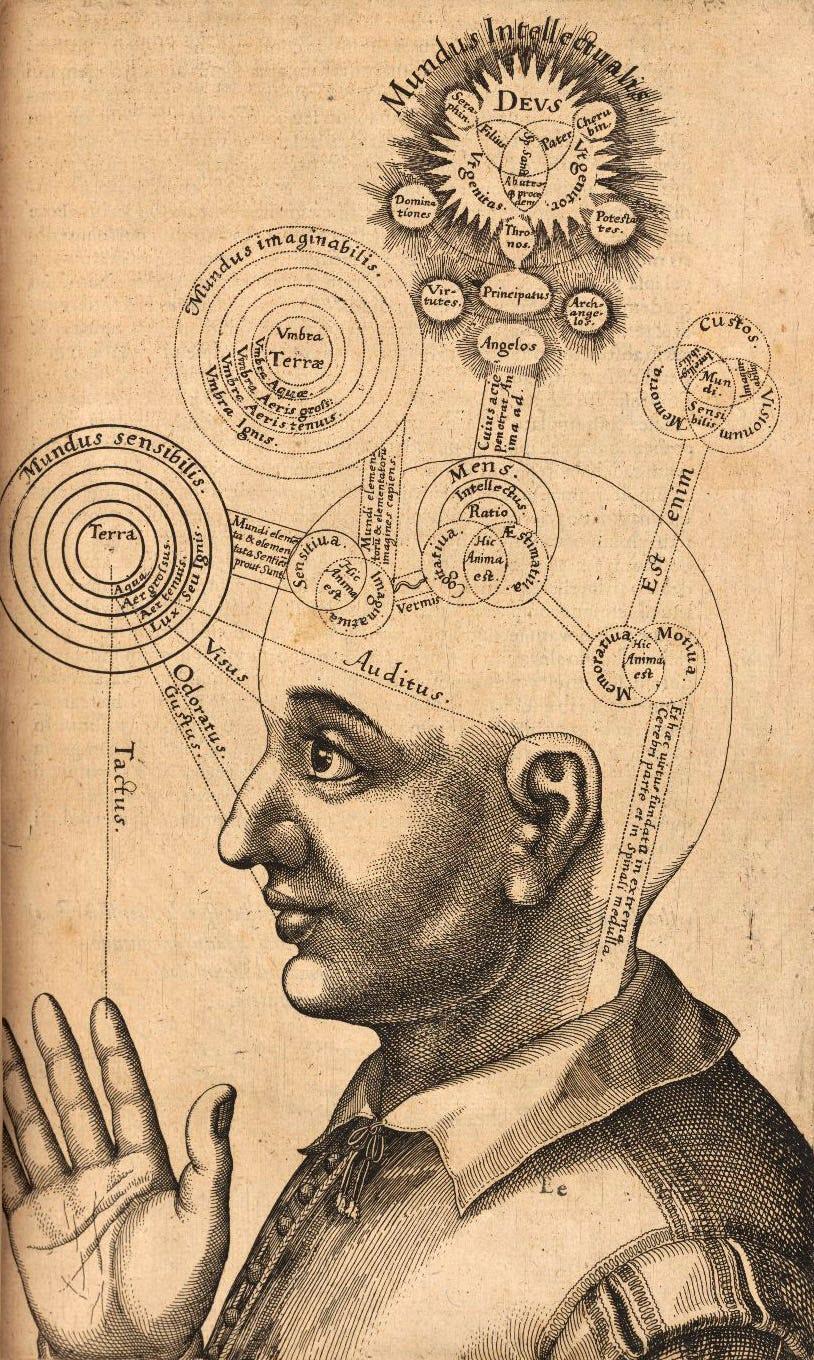
Psychologism
Psychologism is a stance in the philosophy of logic that fundamentally reduces logical and mathematical truths to psychological facts. For instance, the psychologistic position holds that the laws of logic themselves carry no intrinsic meaning but are merely psychological laws describing how the mind thinks. Historically, those who advocated psychologism as an intellectual movement adopted this stance. This current of thought characterizes certain attitudes displayed by some thinkers in 19th-cen
EN
M. Esad Çetin
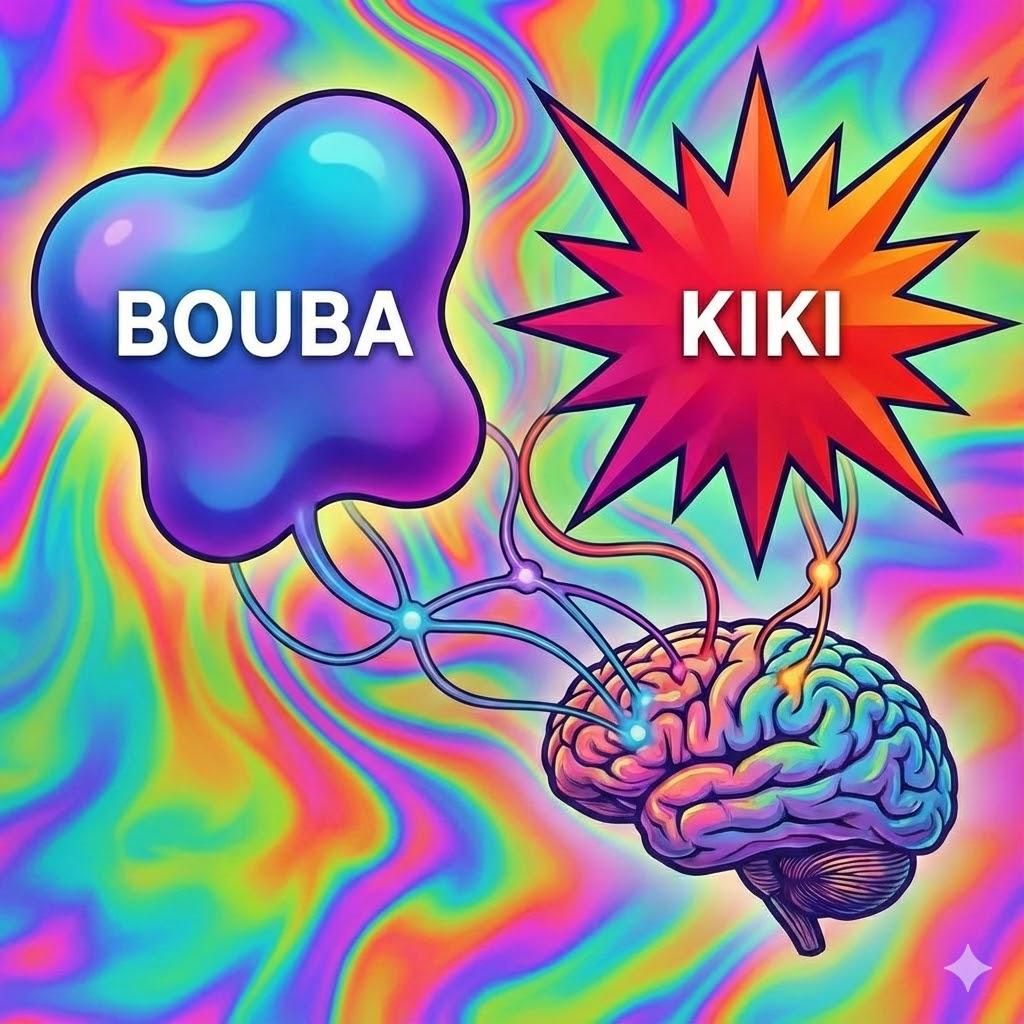
Bouba-Kiki Effect
The Bouba-Kiki Effect, cognitive psychology, is a phenomenological phenomenon identified at the intersection of neurolinguistics and evolutionary anthropology that describes universal, systematic, and non-random mappings established by the human mind between phonetic sound units and geometric shapes of objects. This concept is regarded as the primary evidence for research on “cross-modal perceptual mapping,” which investigates interactions between sensory modalities (auditory and visual). Bouba
EN
Nida Üstün
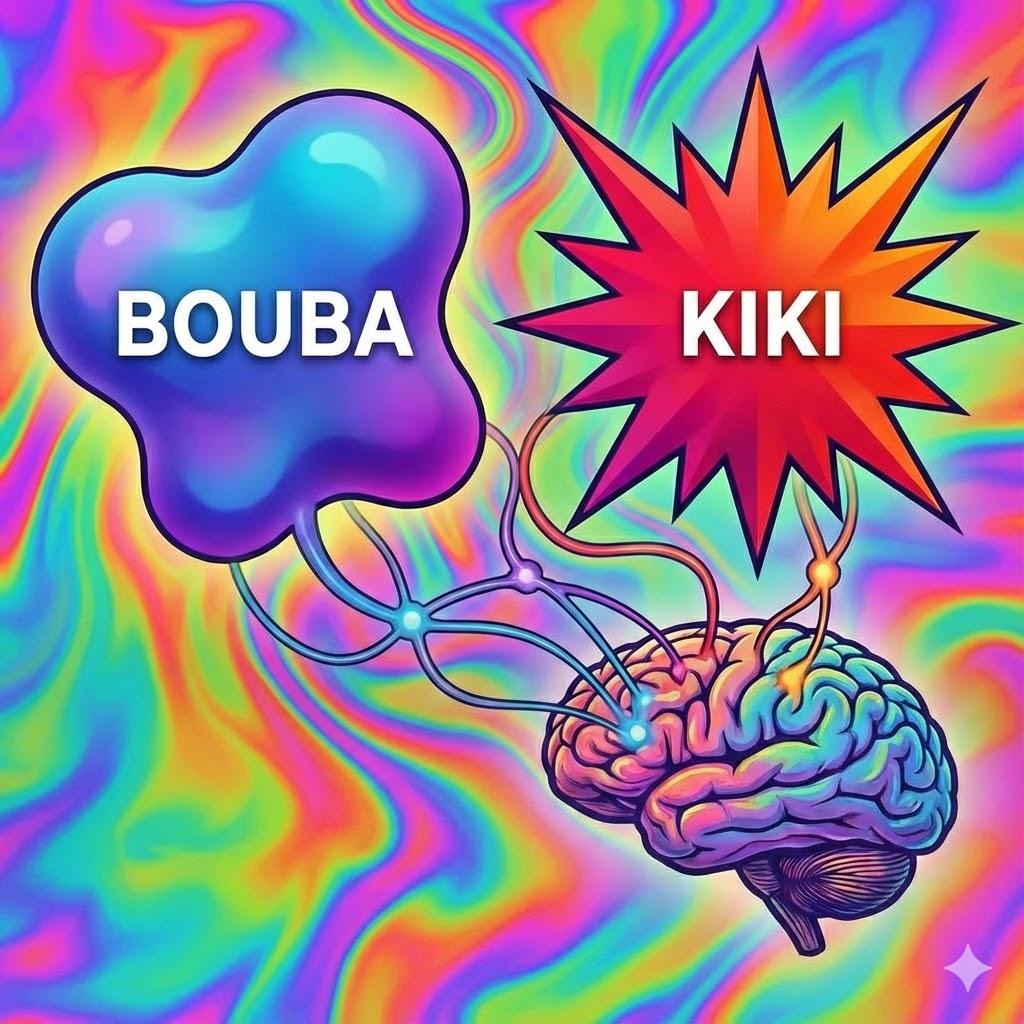
Bouba-Kiki Effect
The Bouba-Kiki Effect, cognitive psychology, neurolinguistics and evolutionary anthropology intersect in a phenomenological phenomenon that describes universal, systematic and non-random mappings between phonetic sound units and geometric shapes in the human mind. This concept is regarded as the foundational evidence for studies on "cross-modal perceptual overlap" (cross-modal mapping), which examine interactions between sensory modalities (hearing and vision). Studies on the Bouba and Kiki Effe
EN
Nida Üstün

Incognito: The Secret Life of the Brain
David Eagleman’s book Incognito: The Secret Lives of the Brain examines the boundaries of consciousness, the scope of unconscious processes, and the neurological foundations underlying human behavior within the framework of modern neuroscience. The author argues that a significant portion of perception, decision-making, and response mechanisms in everyday life are carried out automatically by the brain, outside the awareness of the conscious subject. Author’s Background David Eagleman is an Amer
EN
Azra Çiltepe