

`milky-way` Related Article Results
 Al
AlAlaknanda Galaxy
Alaknanda is a galaxy identified through analysis of data from the James Webb Space Telescope (JWST), dated to the early universe and notable for its prominent spiral structure. The galaxy has been observed at a high redshift value corresponding to a time when the universe was approximately 1.5 billion years old. Its structure provides an important example of the emergence of large, orderly disk galaxies in the early stages of cosmic evolution. Alaknanda is a significant example demonstrating th
EN
Meryem Şentürk Çoban
Andromeda Galaxy
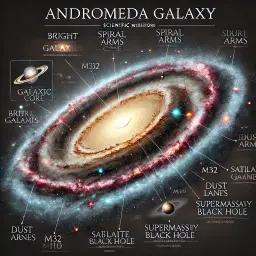
Andromeda Galaxy (M31) is the closest spiral galaxy to the Milky Way and is located approximately 2.5 million light-years away. As the farthest celestial object visible to the naked eye, Andromeda holds great importance for astronomers. Providing critical information about galaxy formation and evolution in the universe, Andromeda is at the center of many scientific studies. Discovery and History Observations of the Andromeda Galaxy date back to ancient times. In 964, the Persian astronomer Abd a
EN
Osman Özbay
AnAndromeda Galaxy
The Andromeda Galaxy (M31) is the closest spiral sky island to the Milky Way and is located approximately 2.5 million light years away. Andromeda, the most distant object visible to the naked eye, holds great importance for astronomers. Andromeda, which provides critical information about the formation and evolution of sky islands in the universe, is at the center of numerous scientific studies. A Detailed Image of the Andromeda Galaxy Generated by Artificial Intelligence." image-alternate="" im
ENOsman Özbay
Galactic Halo Structures
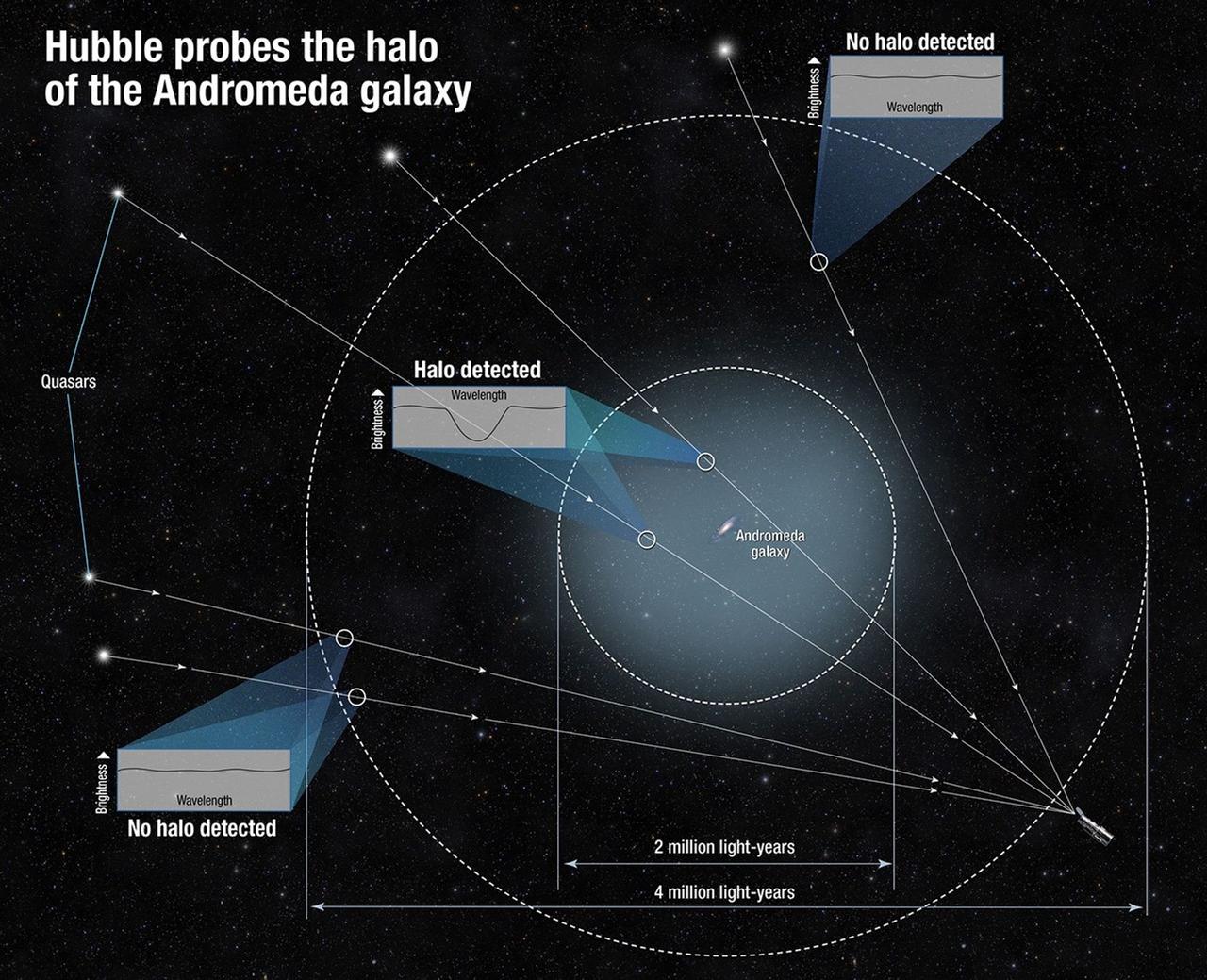
Galactic Halo Structures are extended, spherically distributed formations composed of stars and gas that surround the disk and central regions of galaxies. These structures extend beyond the visible boundaries of galaxies and contain both stellar populations and hot, diffuse, often clustered gas environments. Obtained data demonstrate that galactic halos are directly linked to galaxy evolution, matter circulation, and intergalactic interaction processes. General Structure of the Galactic Halo Un
EN
Ümit Aydın

MASS EFFECT GAME SERIES (CONSOLE AND COMPUTER ROLE-PLAYING GAME)
What Is an RPG Game? RPG is an abbreviation of the English words Role Playing Game, translated into Turkish as Rol Yapma Oyunu. In this type of game, players control a fictional character or characters who undertake a mission within a fictional world. The course of the game and the outcome of the story are determined by the decisions made by the players. This allows RPG games to offer an interactive storytelling experience. Key features of RPG games include: Character Creation: Players typically
EN
Cemal Ayçiçek
Large Magellanic Cloud (LMC)
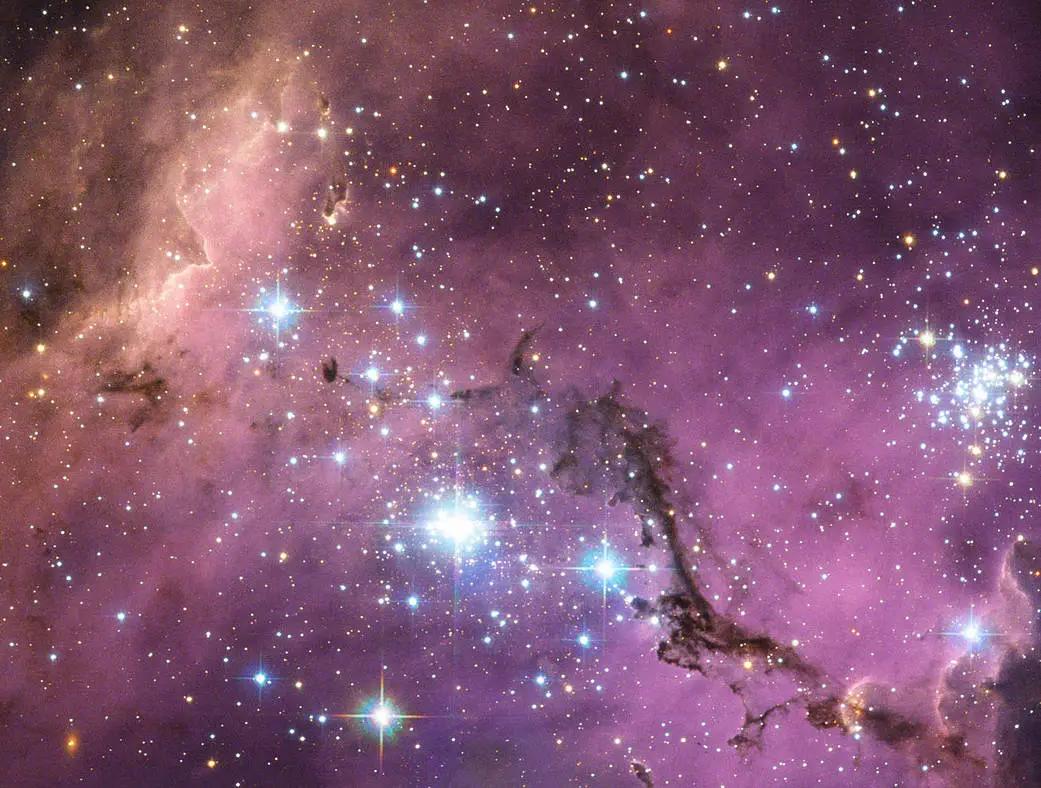
The Large Magellanic Cloud (LMC) is one of the closest neighbors of the Milky Way Galaxy and is classified as an irregular dwarf galaxy. This celestial body, which can be observed with the naked eye from the Southern Hemisphere, is a satellite of the Milky Way. Considered a critical target for astronomical observations and cosmological modeling, the LMC occupies a significant place in astrophysical research with its various structures such as star-forming regions, globular clusters, and supernov
ENOsman Özbay
Milky Way Galaxy
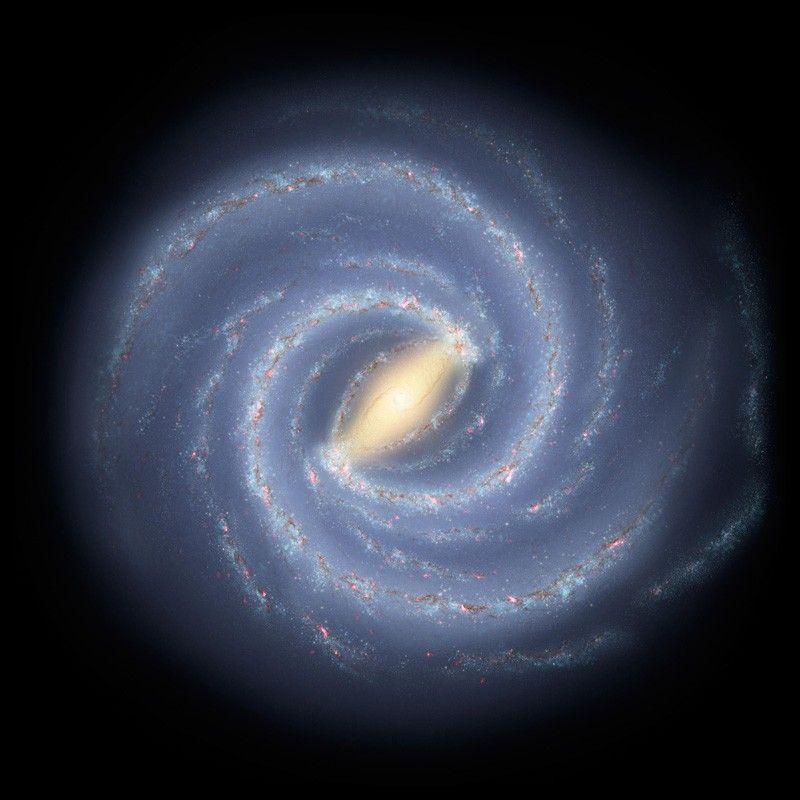
The Milky Way Galaxy, as a product of approximately 13.6 billion years of evolution, is a stellar system distinguished by its dynamic structure, rich components, and cosmic environment. Its spiral structure, bar feature, spiral arms, supermassive black hole at the galactic center, surrounding spherical halo, and interactions with dwarf galaxies make it a highly complex type of galaxy. Galaxies form the fundamental building blocks of the universe. In this context, the Milky Way Galaxy holds a spe
ENOsman Özbay
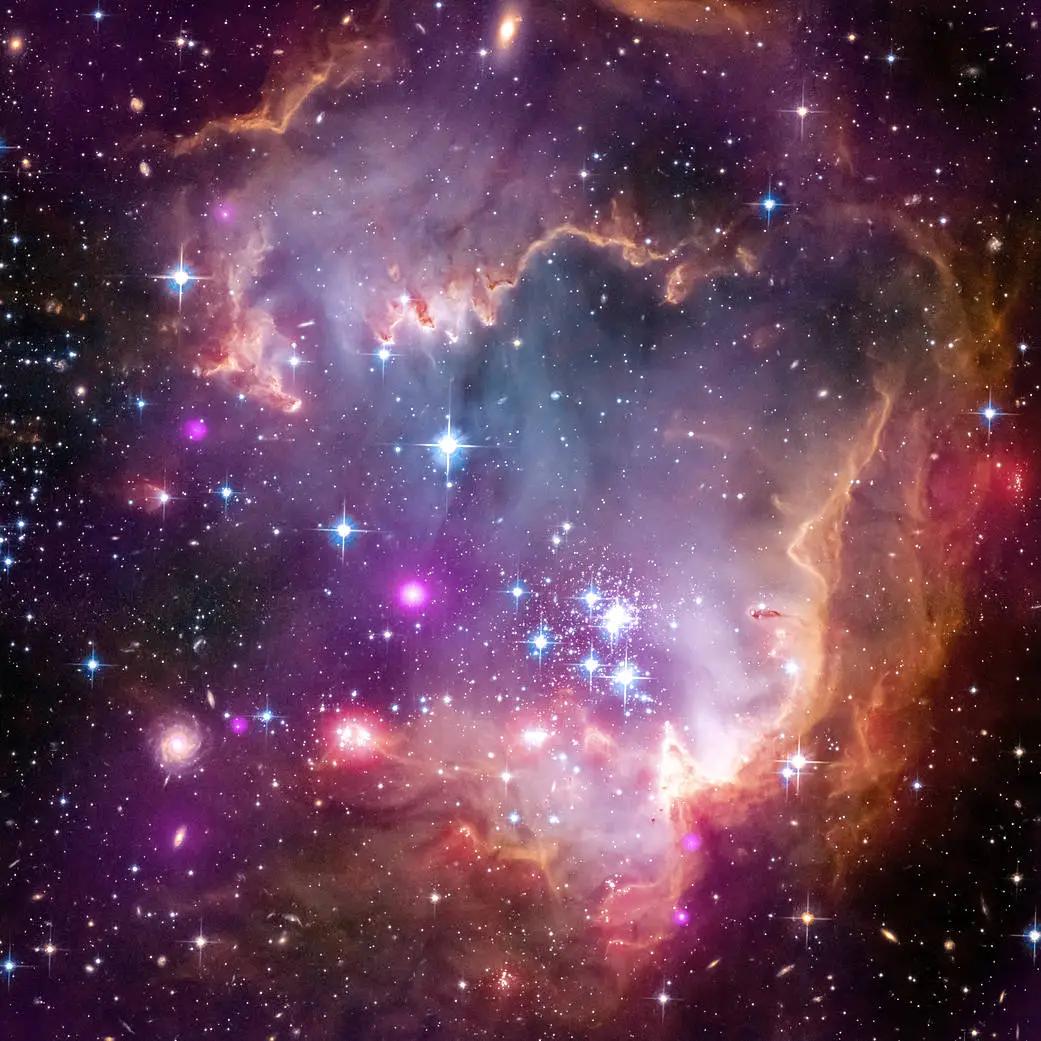
Small Magellanic Cloud (SMC)
The Small Magellanic Cloud (SMC) is an irregular dwarf galaxy located approximately 200,000 light-years from Earth. As a satellite of the Milky Way Galaxy, this celestial body is bright enough to be observed with the naked eye from the Southern Hemisphere. Along with the Large Magellanic Cloud (LMC), the SMC is one of the satellite galaxies orbiting the Milky Way and is part of the Local Group. Observational History and Discovery Although the SMC was first documented by the Western world during
ENOsman Özbay
AnAndromeda Galaxy
The Andromeda Galaxy (M31) is the closest spiral galaxy to the Milky Way and is located approximately 2.5 million light years away. Andromeda, the most distant object visible to the naked eye, holds great significance for astronomers. It serves as a central focus for numerous scientific studies, providing critical insights into the formation and evolution of galaxies in the universe. A Detailed Image of the Andromeda Galaxy Generated by Artificial Intelligence. " image-alternate="" image-element
EN
Osman Özbay

Milky Way Galaxy
The Milky Way Galaxy is a vast collection of stars, within which our Solar System is also located. It contains hundreds of billions of stars, planets, dust clouds, and gas. It earned its name because, as seen from Earth, it appears as a white band stretching across the sky like milk. Under clear, dark night skies, this luminous band is clearly visible. Where Are We? Earth orbits the Sun. The Sun, in turn, resides in a region far from the center of the Milky Way Galaxy. In other words, we are loc
EN
İbrahim Filiz