

`military-history` Related Article Results
 Ve
VeVeledeş
The children of the kapıkulu cavalry, who formed the central army of the Ottoman Empire, were referred to as veledes. The janissaries such such as were not permitted to marry or establish families, but kapıkulu cavalrymen were allowed to do so. Although these children faced criticism for not being part of the devşirme system, they constituted the natural source group of the kapıkulu cavalry. It is known that from the earliest periods, those among these children who reached a certain age received
EN
Coşkun Ünsal
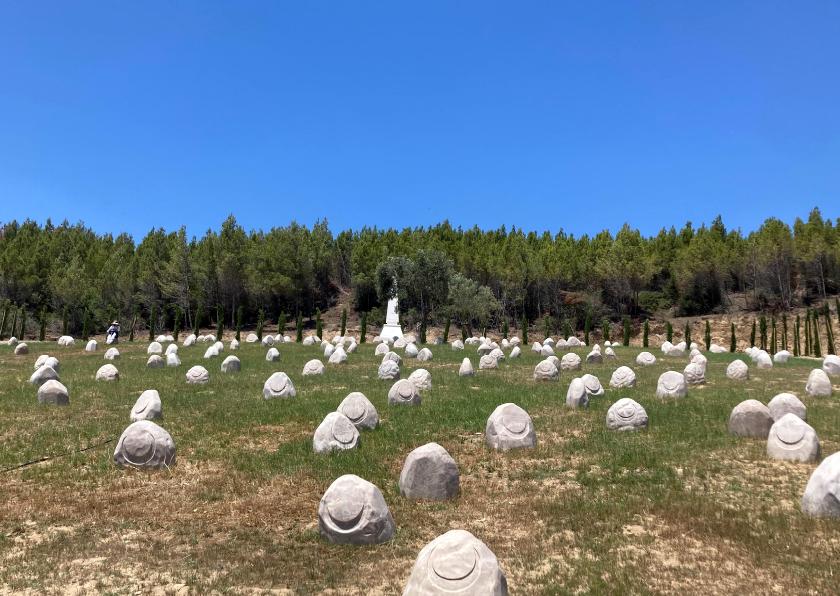
Süngübayırı Martyrdom Site
Süngü Bayırı Şehitliği is a memorial located on the ridge immediately behind the Turkish front line, at the southern boundary of the Arıburnu Front on the historic Gallipoli Peninsula, the site of the Çanakkale Battles.【1】 Geographically, the memorial lies within the boundaries of Eceabat district of Çanakkale Province and is situated along the route between the 57th Regiment Memorial and Conkbayırı.【2】 Historical Background and Battles Land battles at the Arıburnu Front began on 25 April 1915 w
EN
Gözde Cabadak
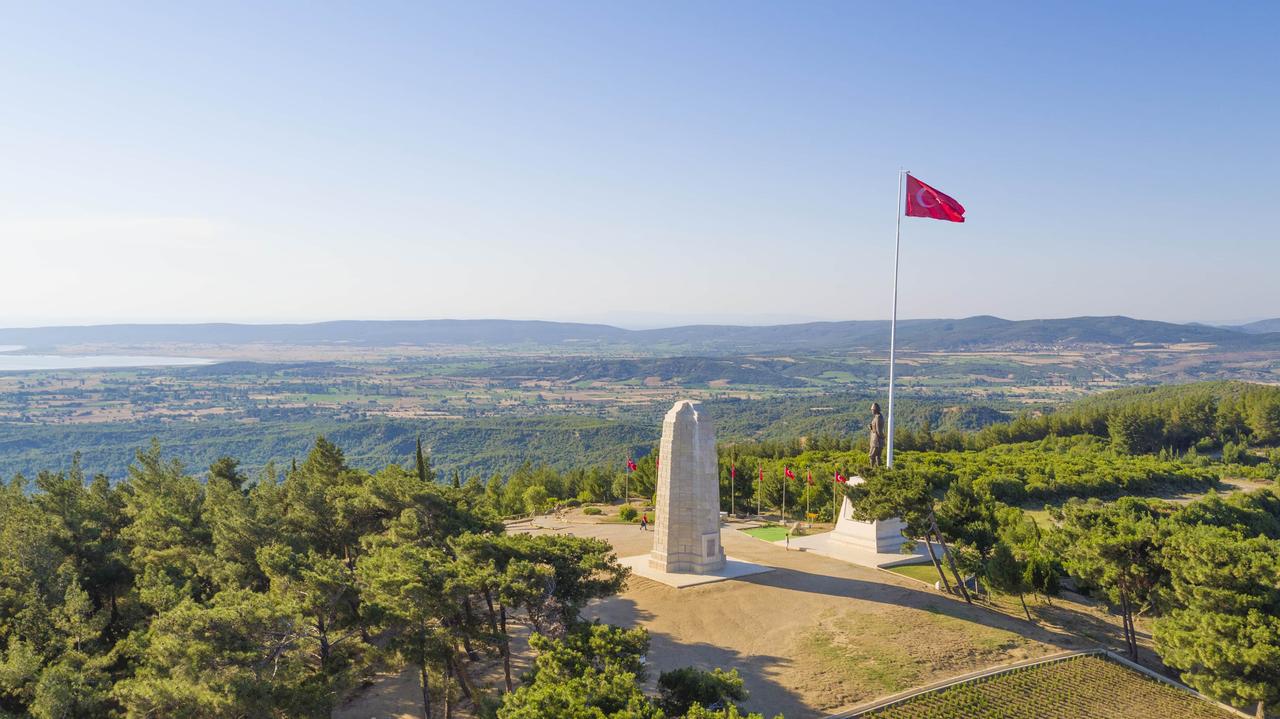
New Zealand National Monument
New Zealand National Memorial is the most prominent structure built in memory of New Zealand soldiers on the Gallipoli Peninsula. Located atop the Conkbayırı summit, this memorial was erected as the largest New Zealand memorial on the peninsula in commemoration of the battles that took place on 8 August 1915. The structure was completed in 1925 by the Commonwealth War Graves Commission (CWGC).【1】 Architectural Features and Design The memorial was designed by New Zealand architect S. Hurst Seager
ENGözde Cabadak
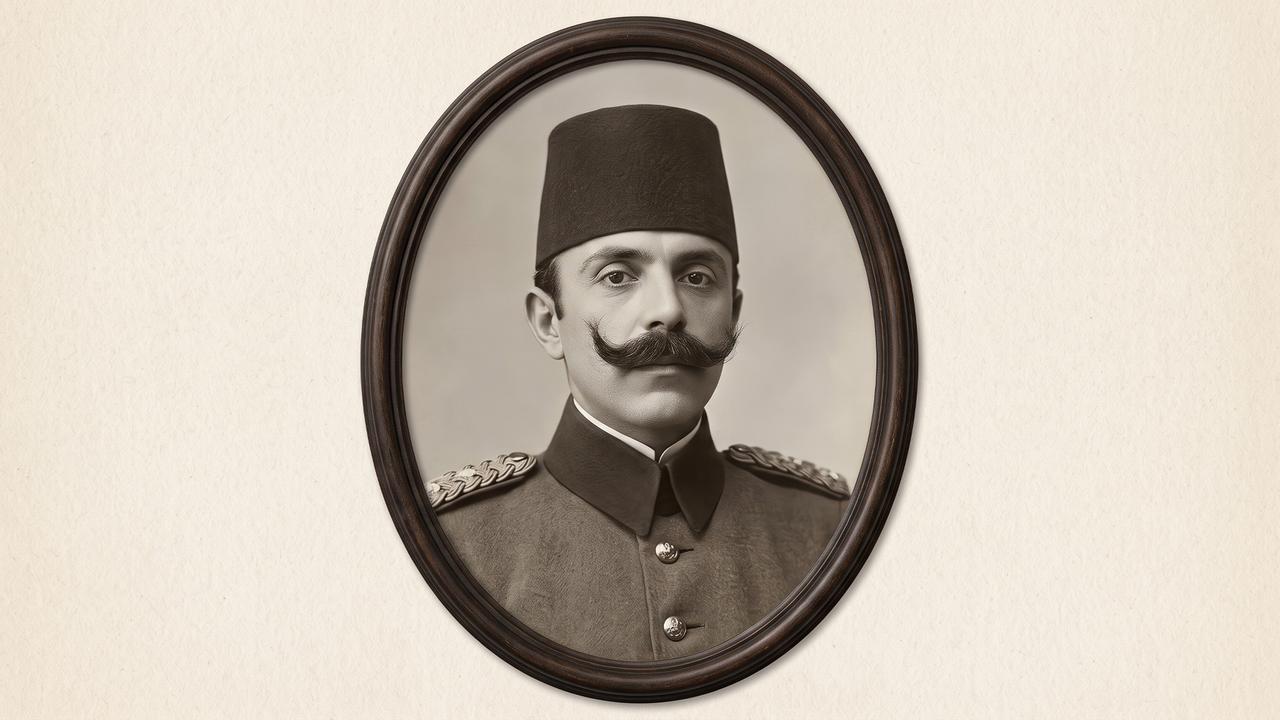
Cemal Pasha
Ahmed Cemal Pasha (6 May 1872, Midilli–21 July 1922, Tbilisi), an Ottoman military officer and statesman who held various military, administrative, and political roles during the final period of the Ottoman State and was among the leading figures of the Committee of Union and Progress. After completing his military education, he served in various posts in Rumelia; following the declaration of the Second Constitutional Monarchy, he was appointed mutasarrıf of Üsküdar and later governor of Adana a
EN
Onur Çolak
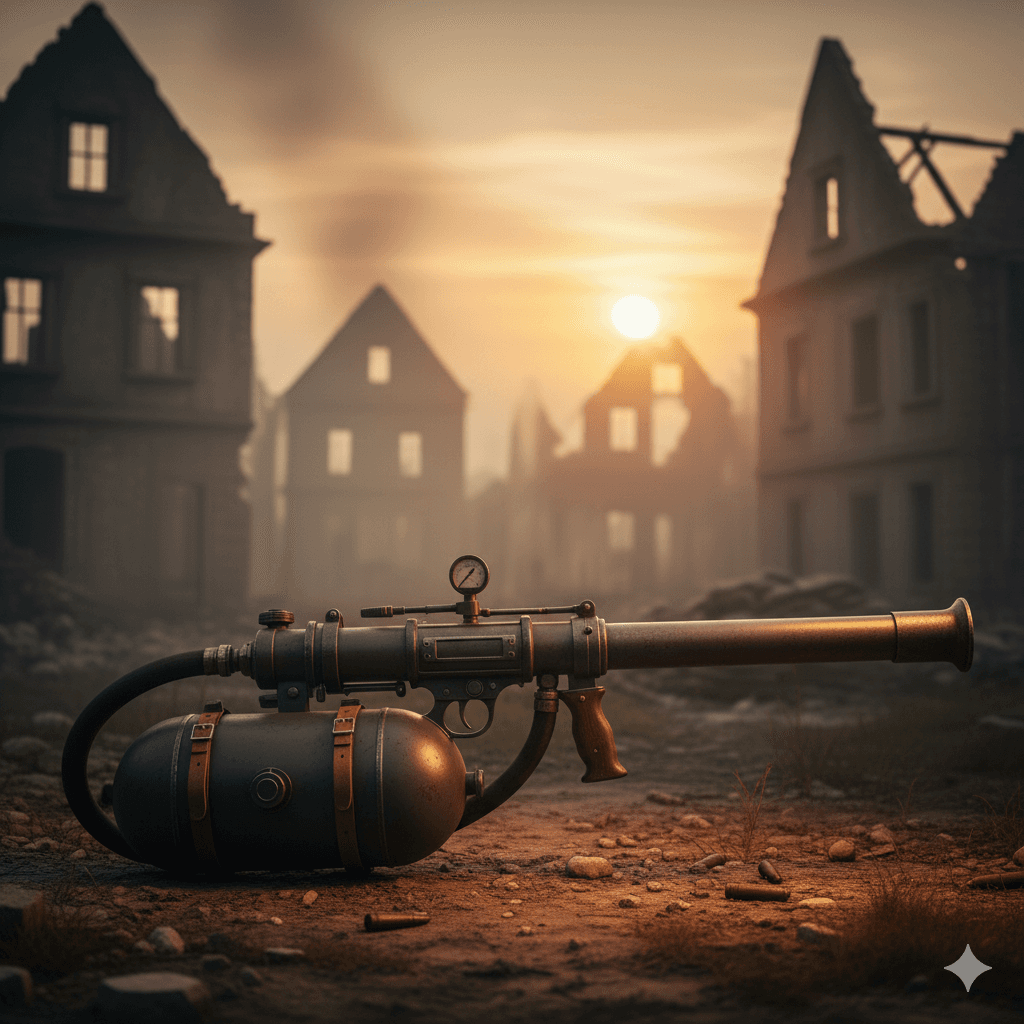
Flamethrower
The flamethrower was a portable flame weapon developed in Germany in the early 20th century and widely used during the First and Second World Wars. Designed by German engineer Richard Fiedler in 1901, this weapon operated on the principle of propelling fuel under high pressure and igniting it into flame. When first deployed in 1915 near Verdun its impact was profound not only technically but also psychologically. Second World War models reappeared on the battlefield and became notable weapons fo
EN
Yusuf Bilal Akkaya
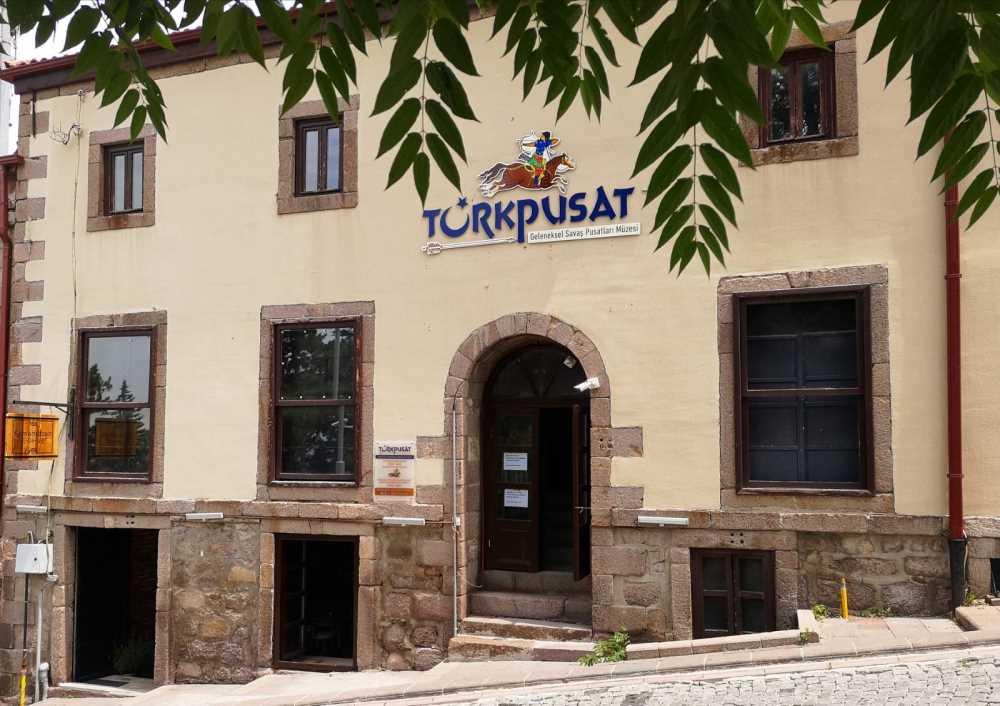
Turkpusat Traditional War Centers Museum
Türkpusat Traditional Warfare Equipment Museum is a thematic specialized museum dedicated to introducing the traditional warfare equipment (pusatlar) used by the Turks throughout history, preserving this cultural heritage, and transmitting it to future generations. While embracing contemporary museum practices, the museum offers visitors the opportunity to interact with historical artifacts, experience workshop activities, and engage in hands-on learning through its “touchable museum” principle.
EN
Ahsen Güneş
KeKethüdâyeri
In the Ottoman central army, kapıkulu cavalry initially resided in the capital or nearby close areas, but from the second half of the 16th century they began to spread into the provinces. This situation led to the emergence of a military class that challenged local authorities and opened the door to disorder in the provinces. Consequently, this transformation in the provinces gave military-civil relations a new dimension. To maintain discipline among the kapıkulu cavalry stationed in the provinc
ENCoşkun Ünsal
Kitabü'l-İzz ve'l-Menâfi
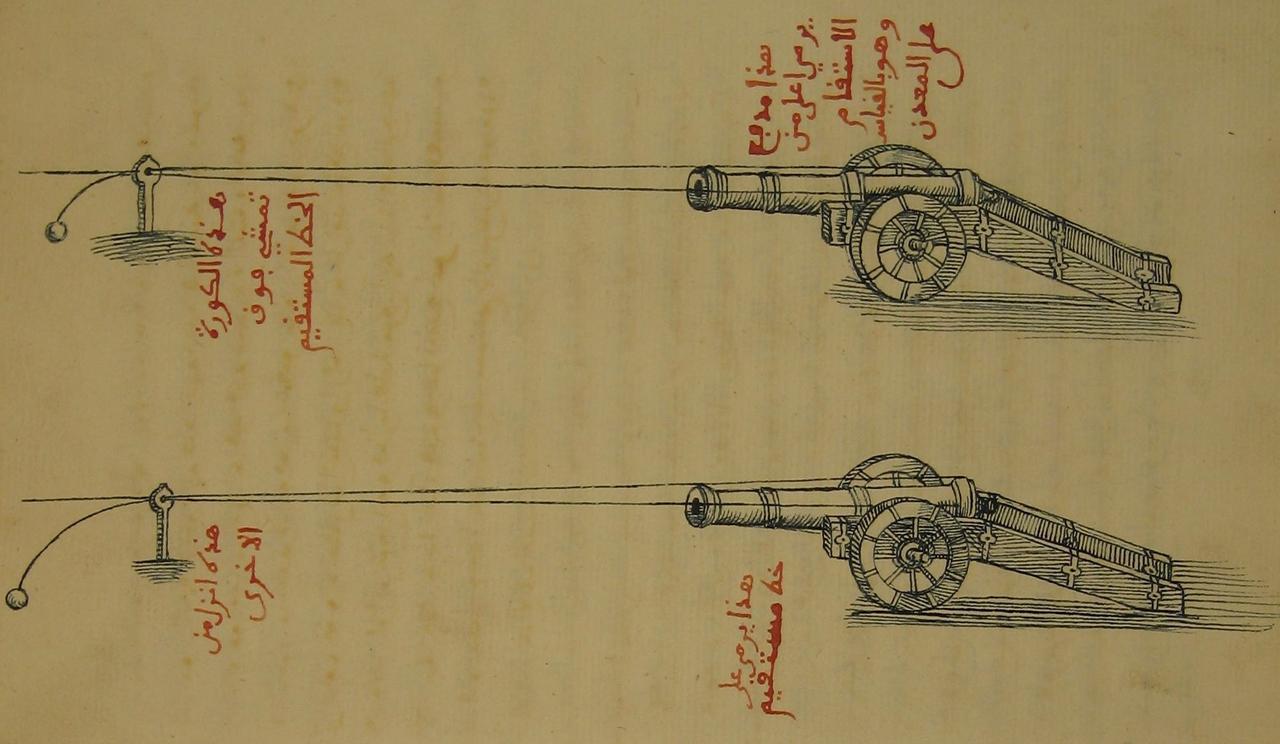
Kitâbü’l-İzz ve’l-Menâfiʻ, also known as Kitabü'l-İzz ve'l-Menâfiʻ li'l-Mücâhidîn fî Sebili'llâh bi'l-Müdâfiʻ (The Book of Dignity and Benefits for Those Fighting in the Path of God with Weapons and Cannons), was authored by Al-Rais Ibrahim b. Ahmed Arribaş Al-Andalusi, a Muslim sailor and artillery expert from Al-Andalus. This work provides detailed information on artillery and military weapons. Ibrahim Reis was born around 1550–1560 in the village of Nigüelas in Granada. After the expulsion of
EN
Osman Yiğit
Franz Ferdinand's Car
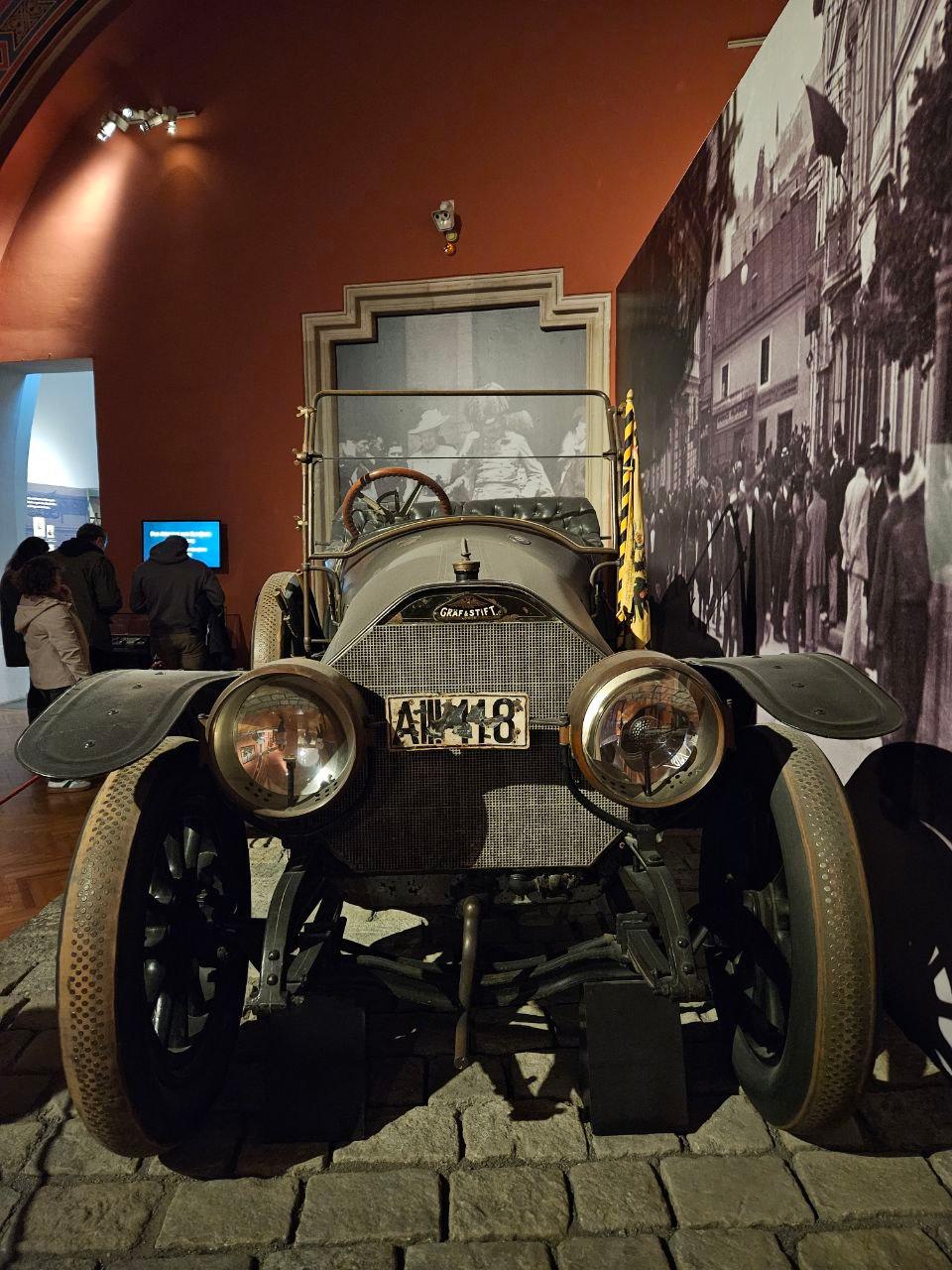
Sometimes a single object tells the story of a person or an era. The dark-colored, open-top automobile standing in the hall of the Heeresgeschichtliches Museum (Museum of Military History) in Vienna is precisely such an object. This 1910 Gräf und Stift model is more than just an ordinary car; it is the silent witness to the event that ignited one of the bloodiest wars of the twentieth century. The vehicle in which Archduke Franz Ferdinand of Austria-Hungary and his wife Sophie rode for the last
EN
Meryem Şentürk Çoban

National Intelligence Organization (MİT)
Millî İstihbarat Teşkilâtı (MİT), Türkiye Cumhuriyeti’nin millî güvenlik istihbaratını devlet çapında oluşturmakla görevli ve Cumhurbaşkanına bağlı kamu kurumudur.【1】 Teşkilât, Türkiye Cumhuriyeti’nin ülkesi ve milletiyle bütünlüğüne, varlığına, bağımsızlığına, güvenliğine, anayasal düzenine ve millî gücünü meydana getiren unsurlara karşı yöneltilen mevcut veya muhtemel faaliyetler hakkında istihbarat üretir.【2】 Üretilen istihbarat Cumhurbaşkanına, Genelkurmay Başkanına, Millî Güvenlik Kurulu Ge
EN
Nurten Yalçın